Time Window / Momentum – About the Fluid Reality
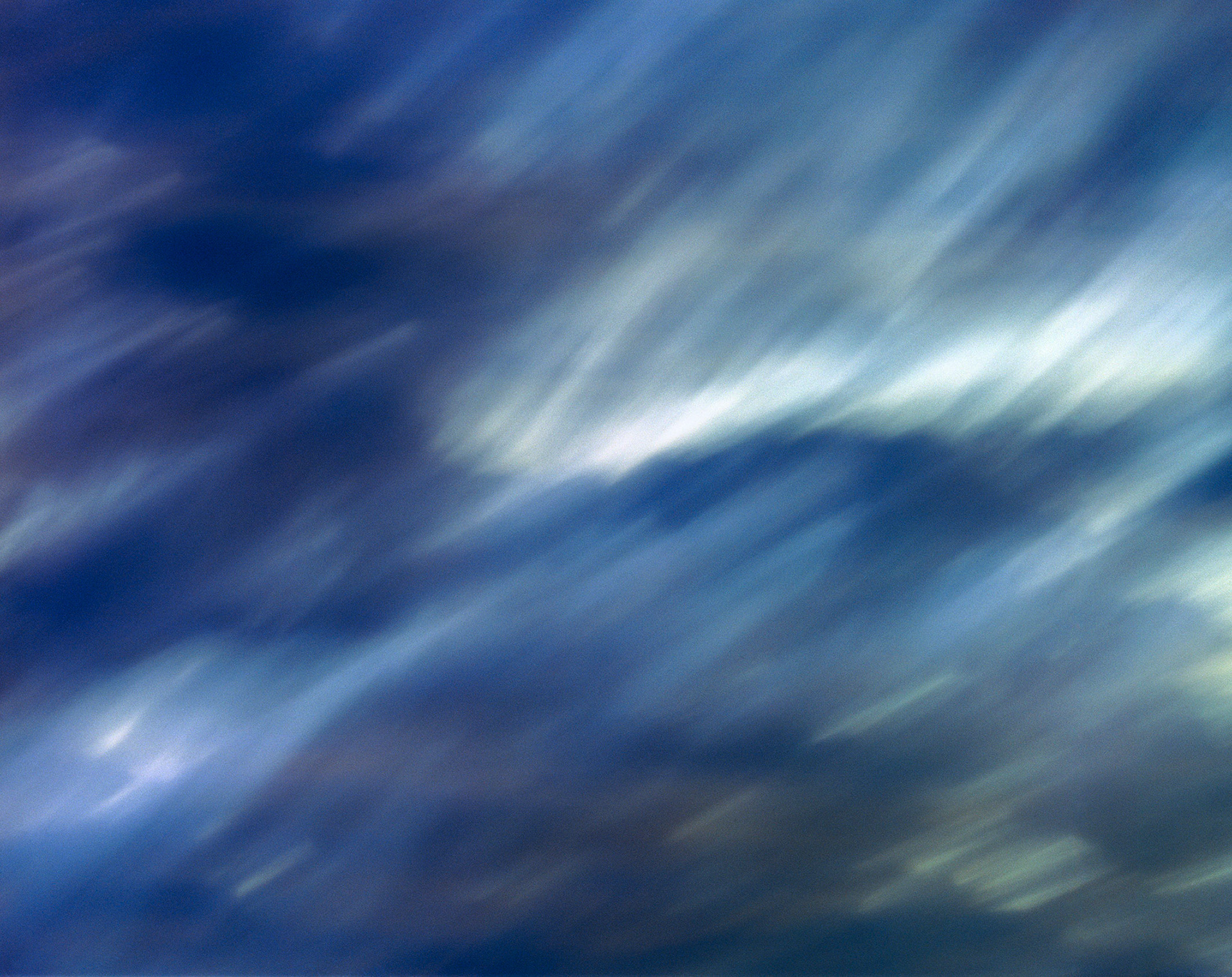
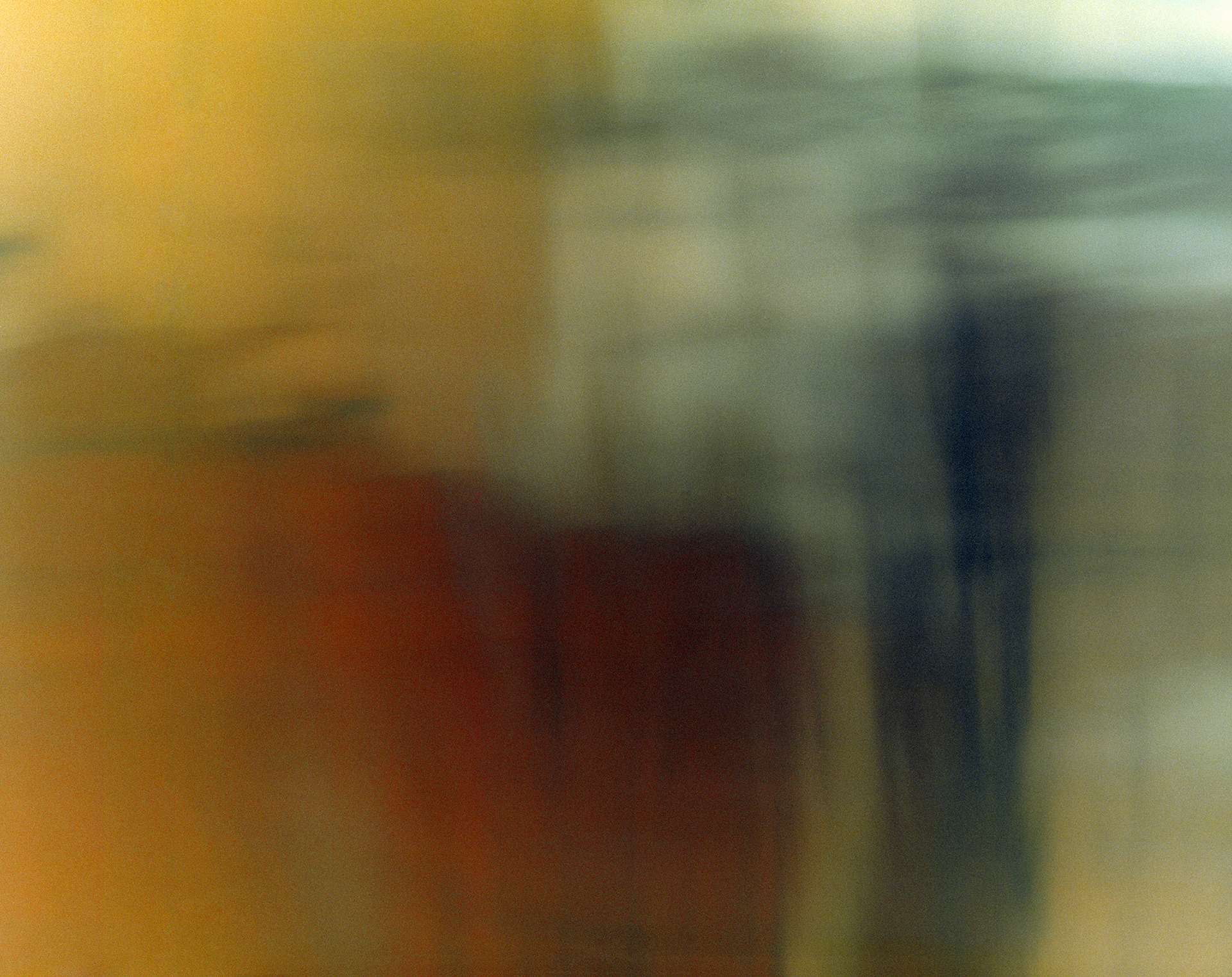
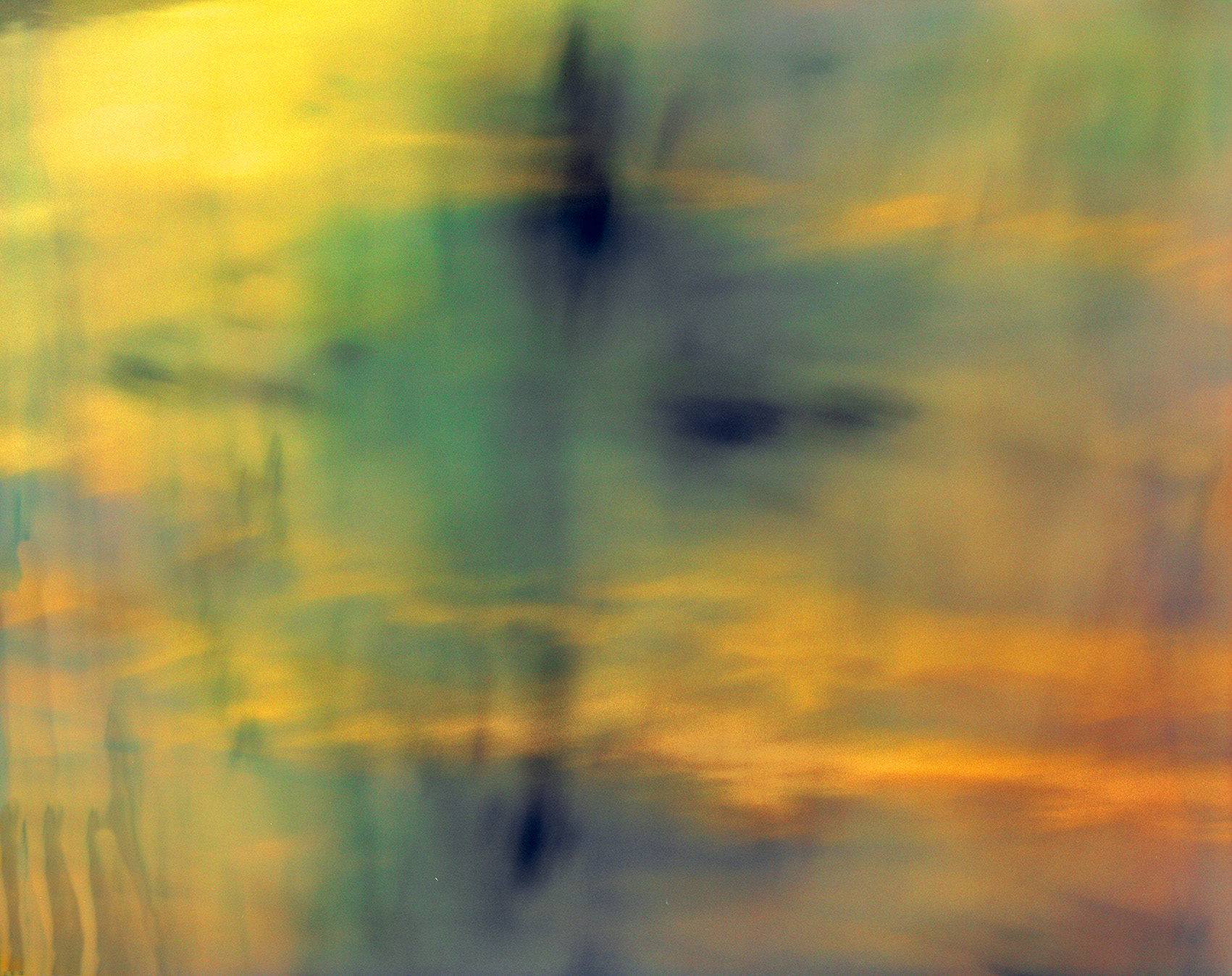
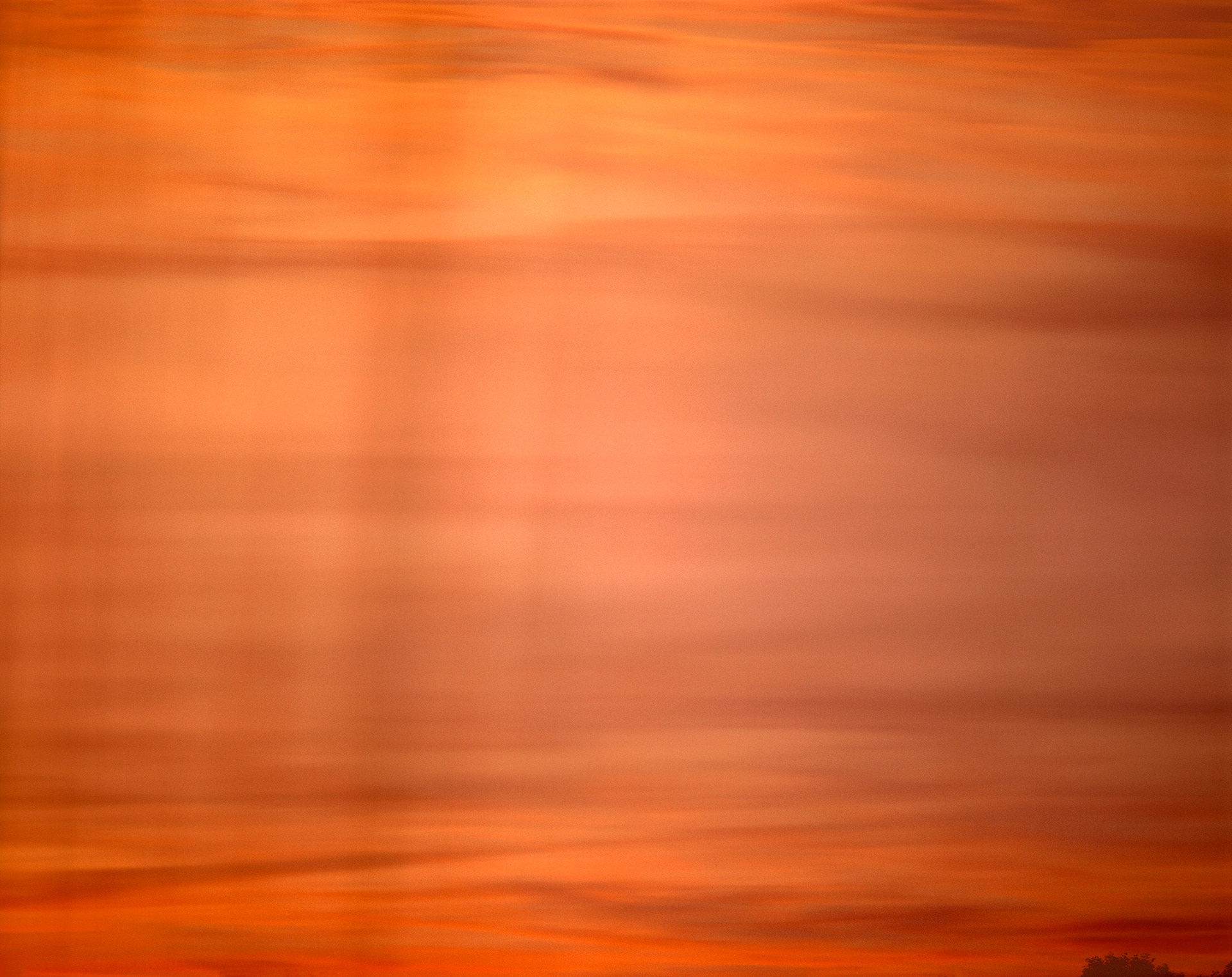
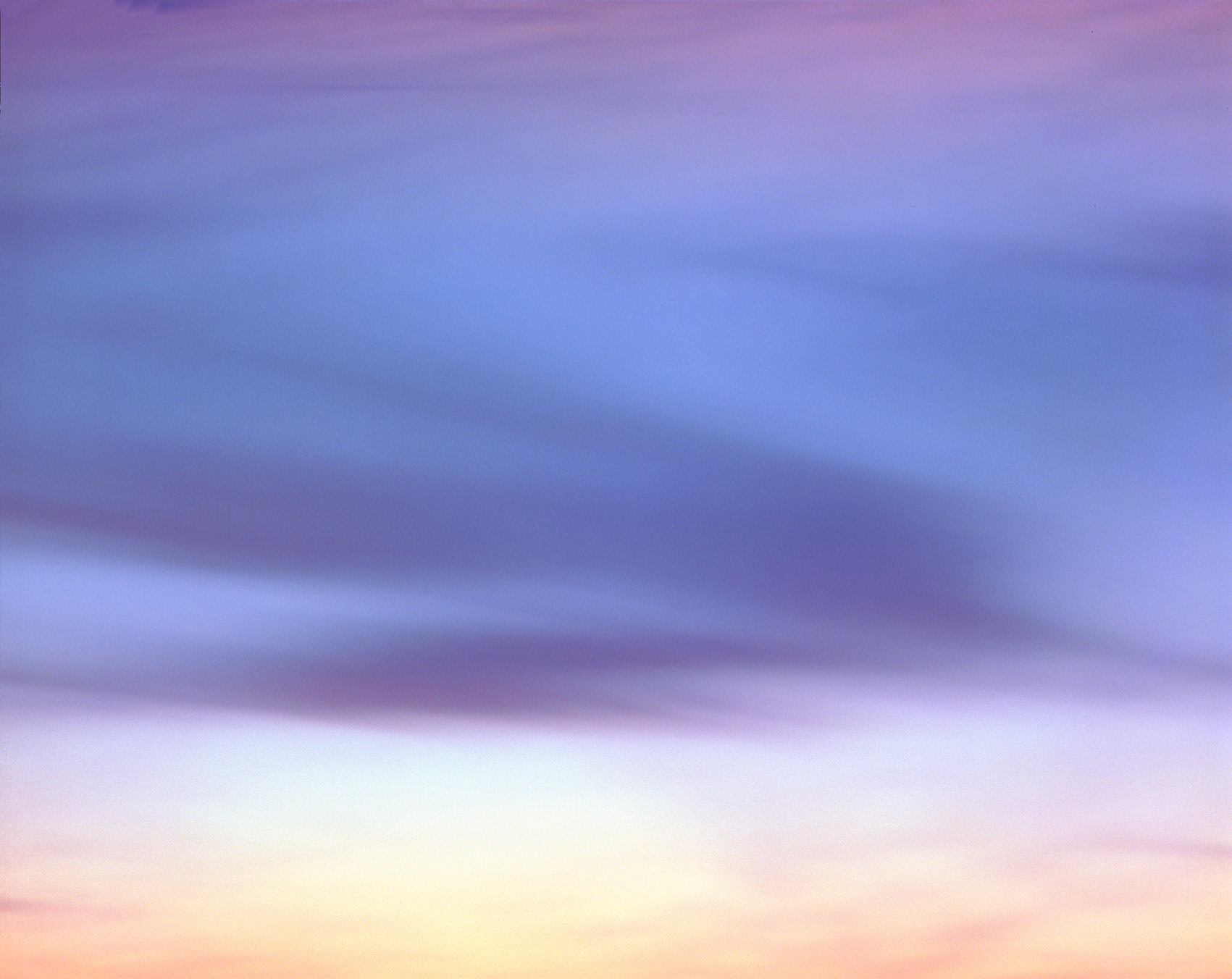
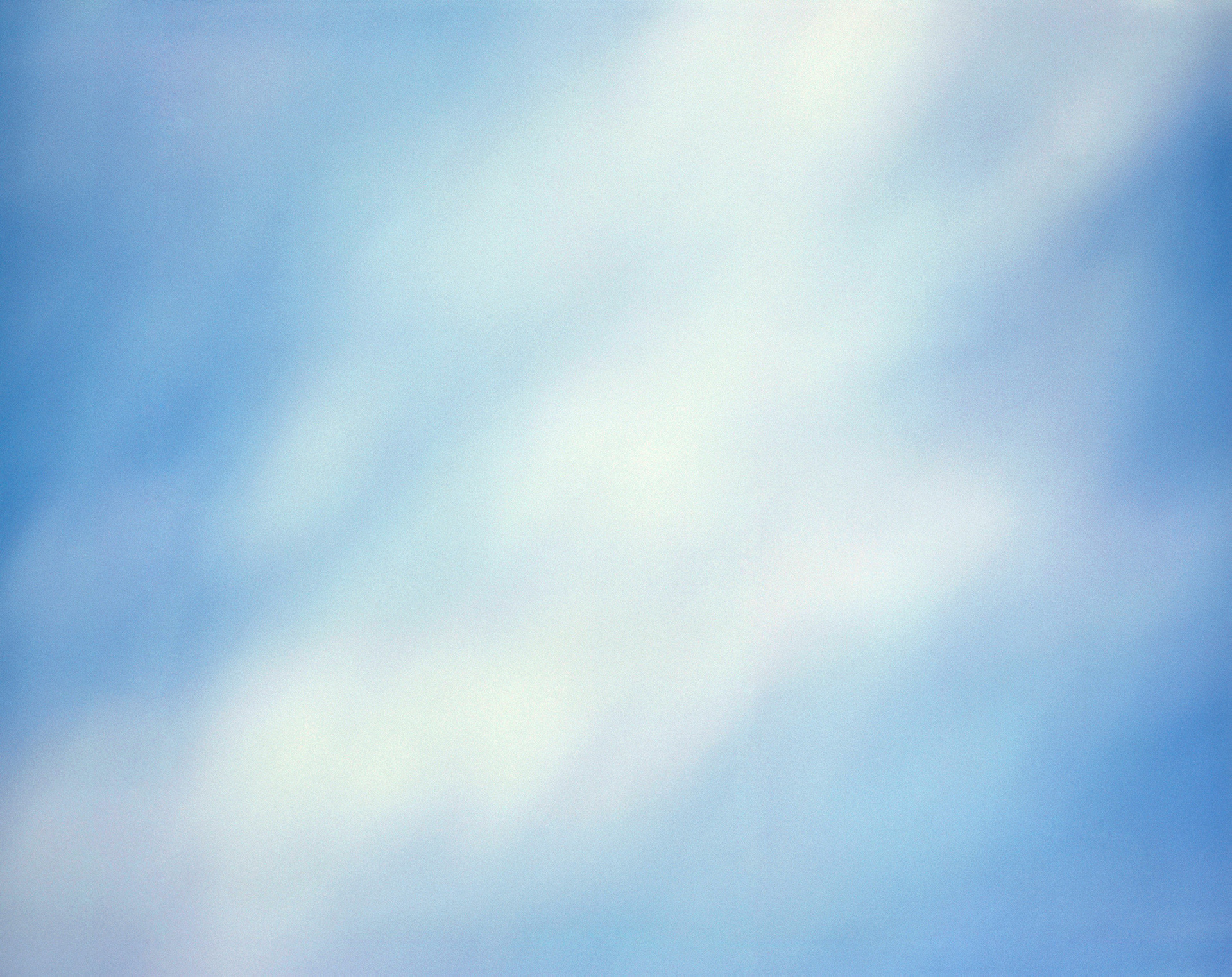
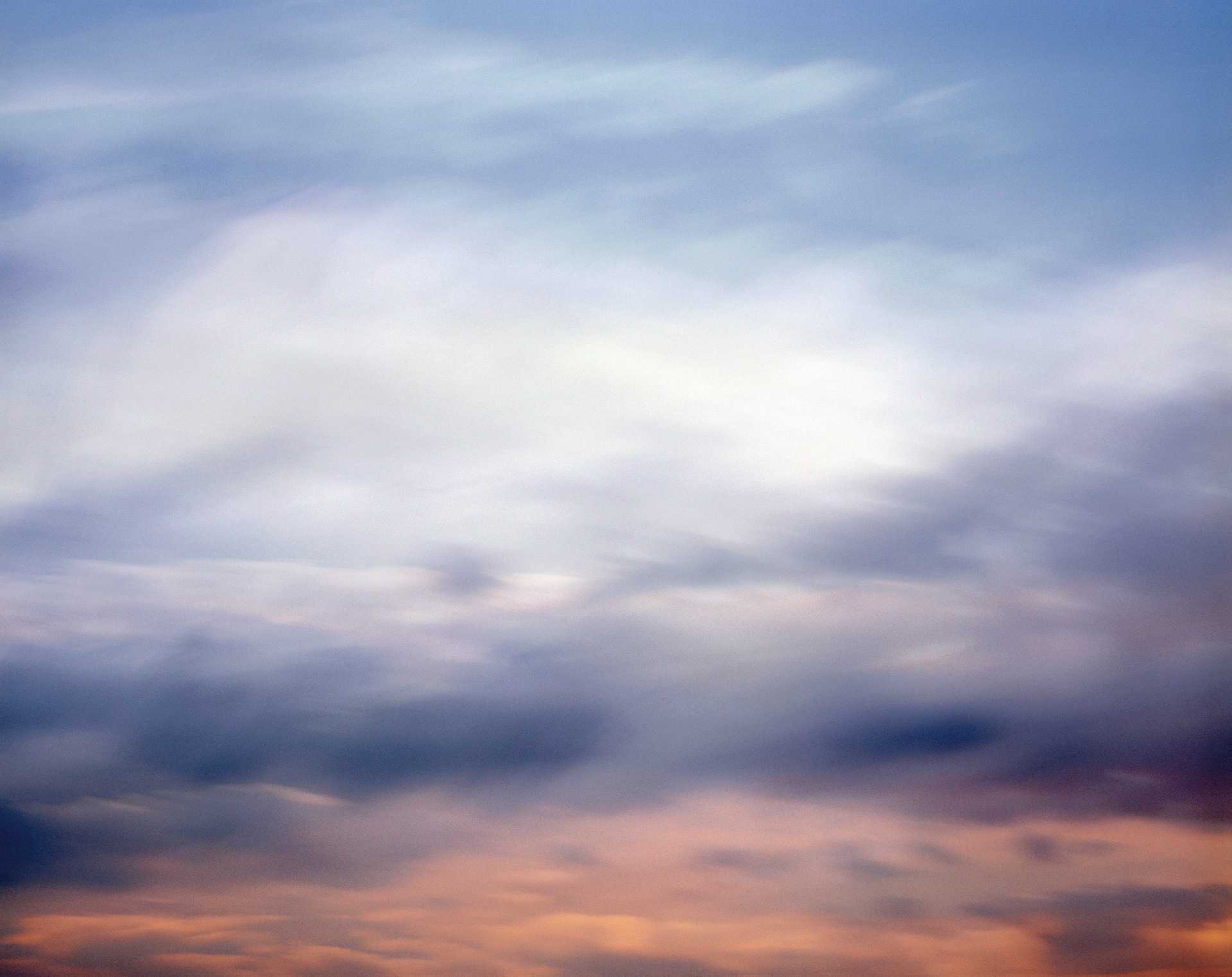
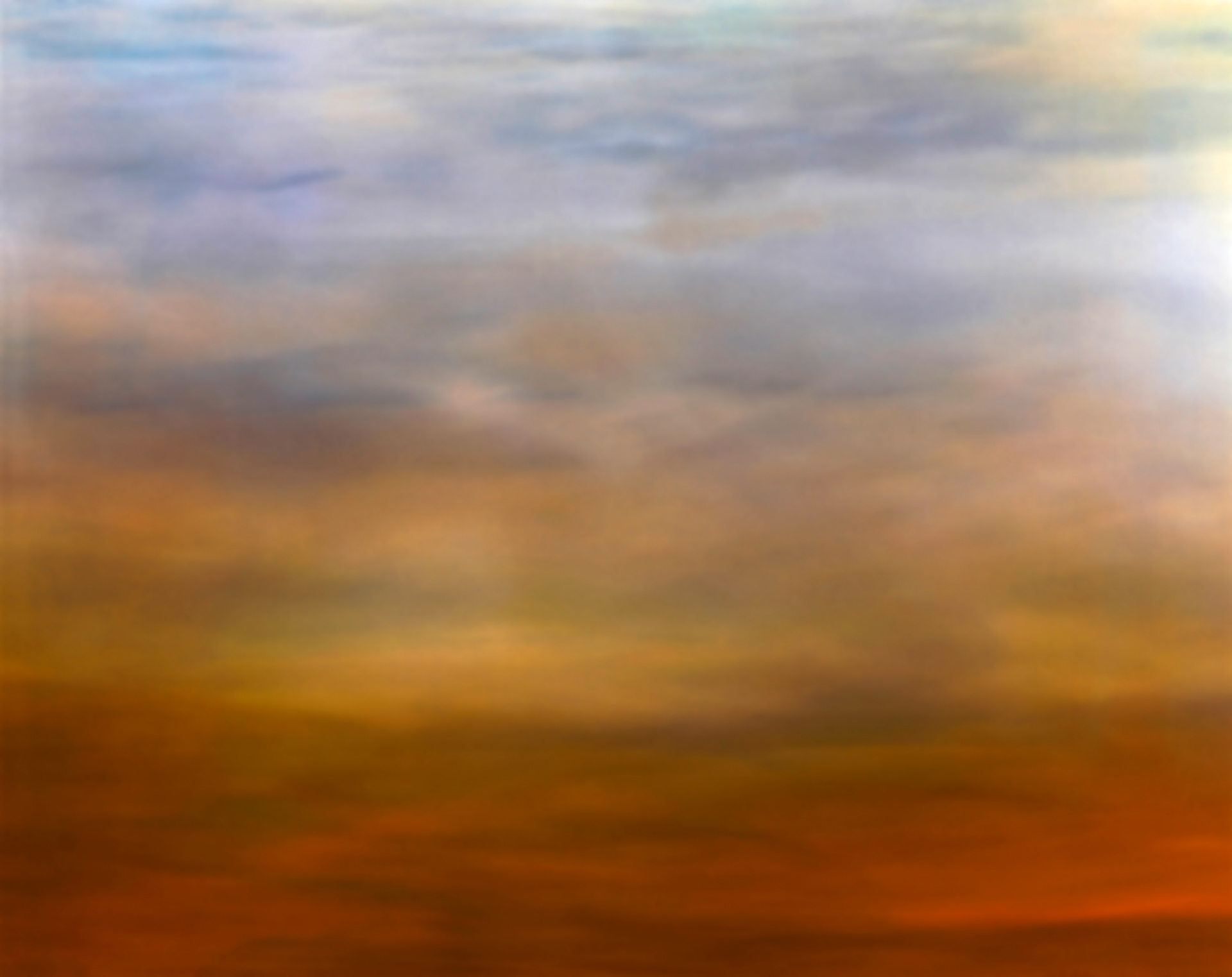
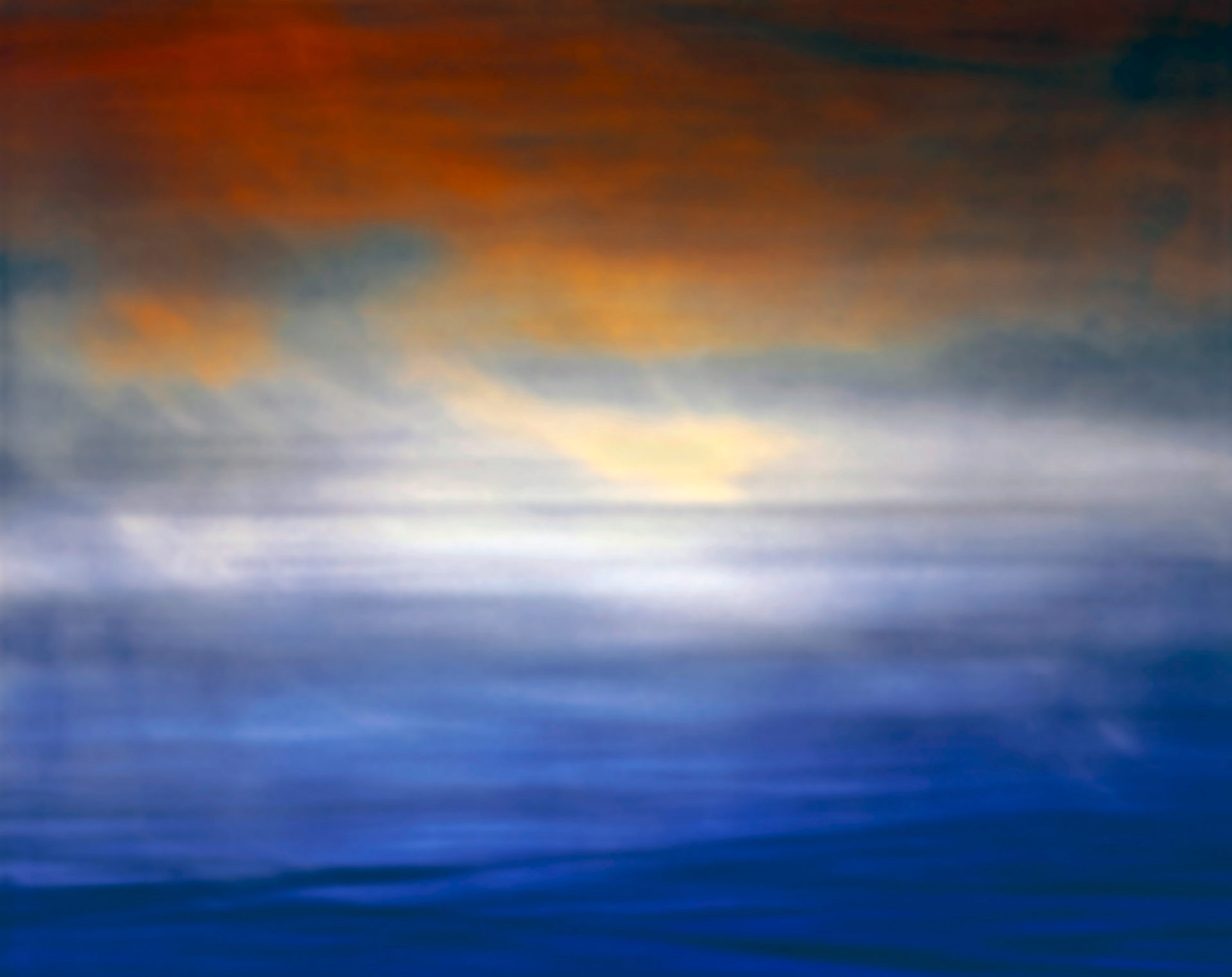
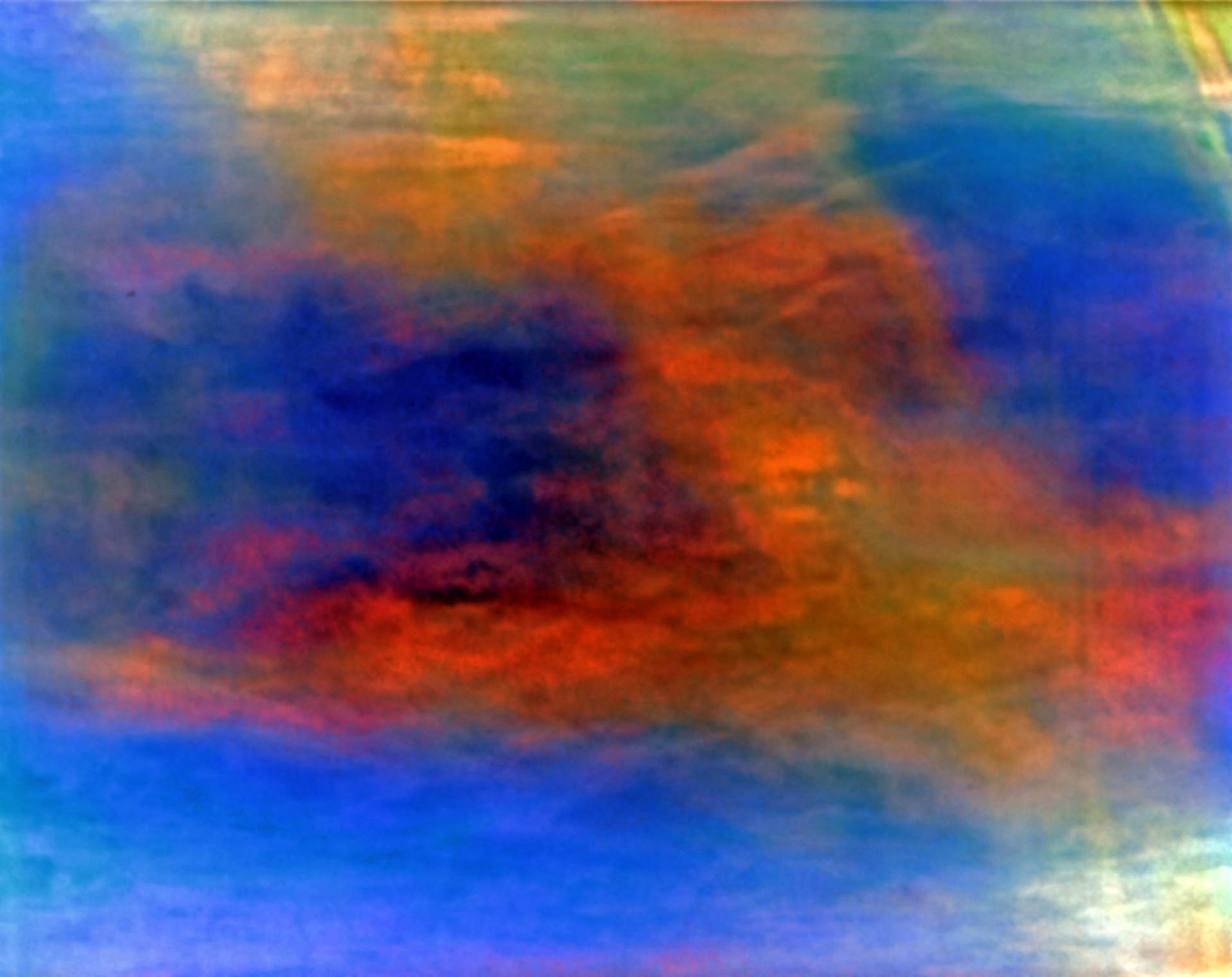
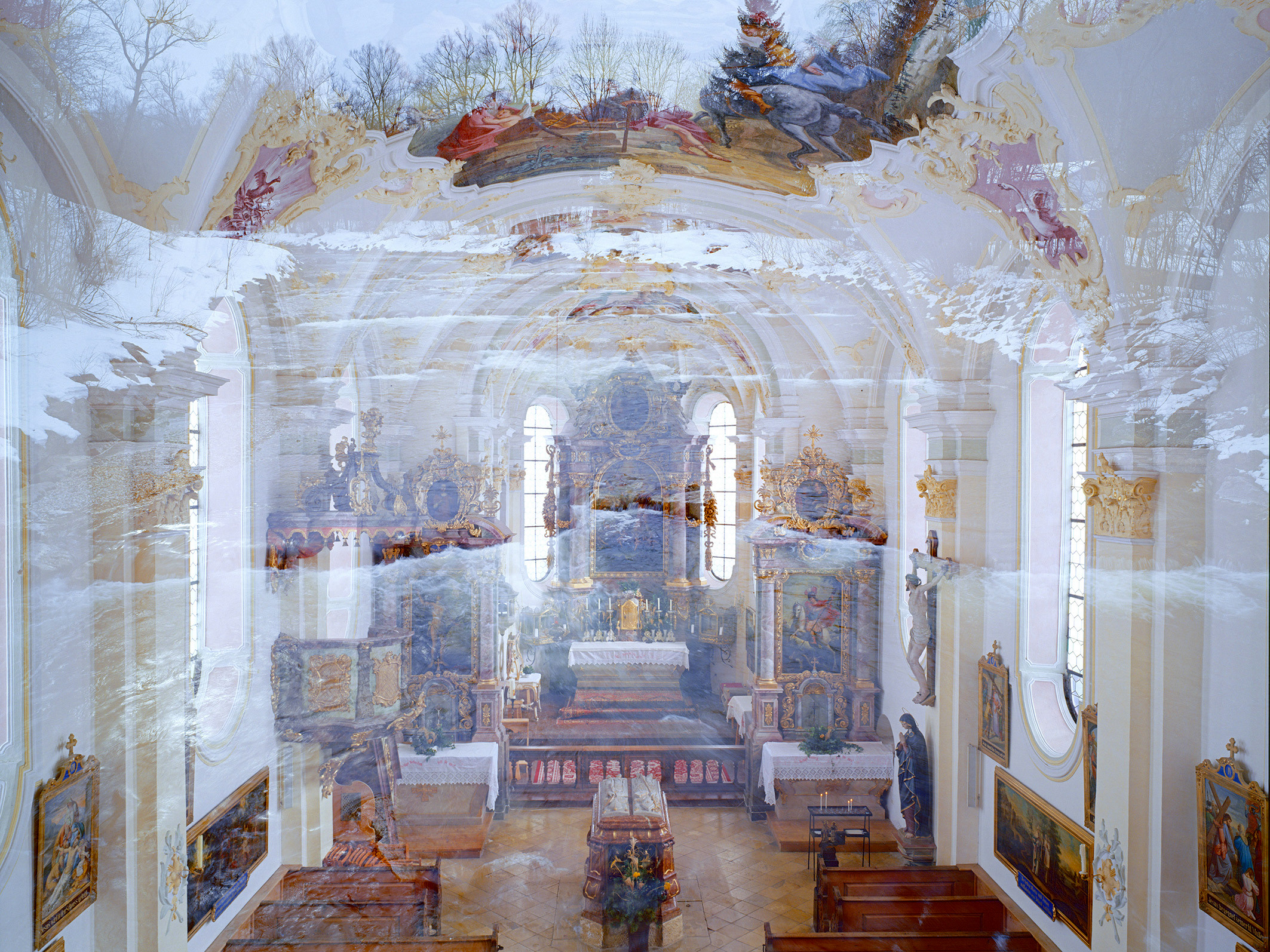
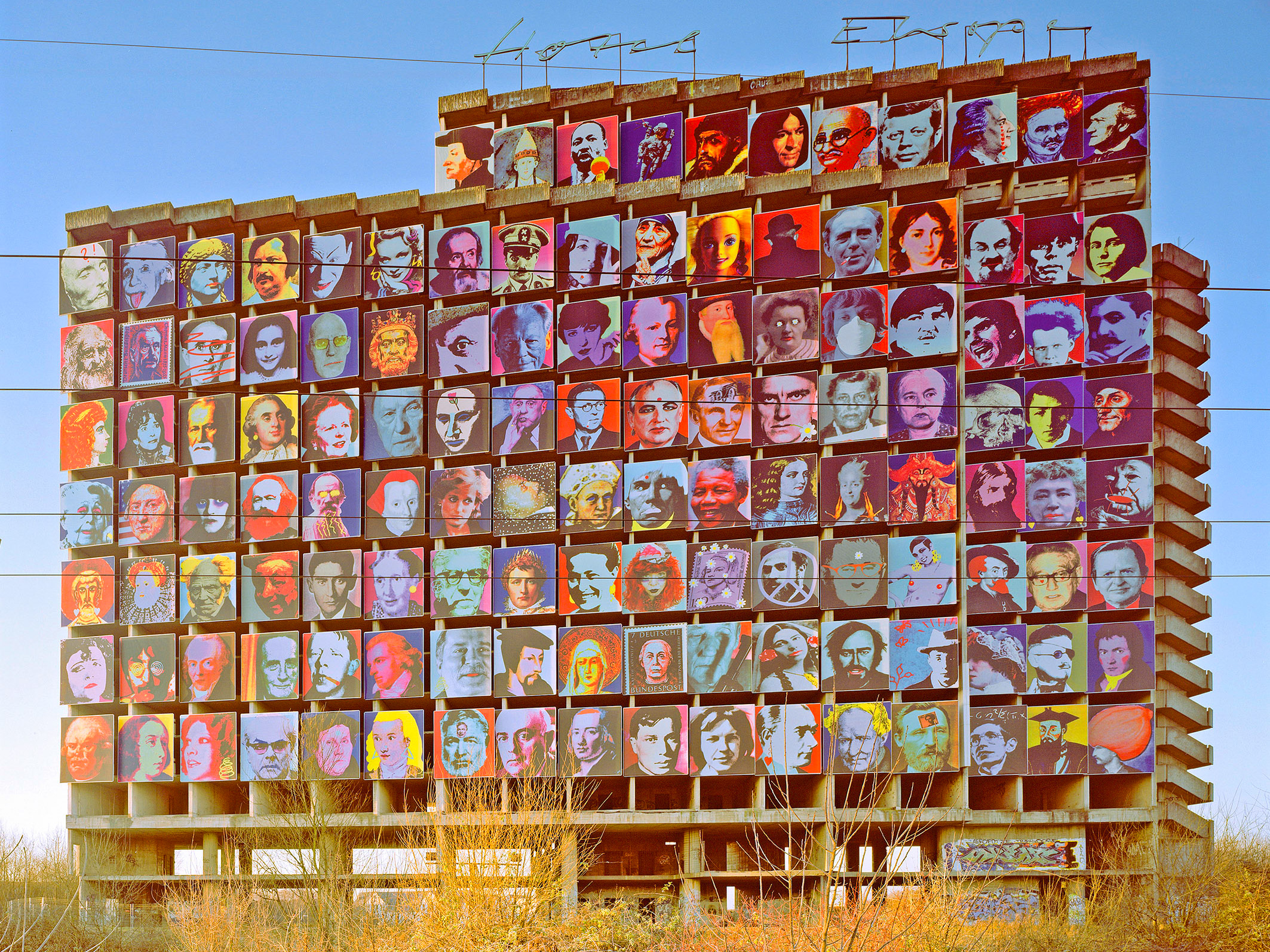
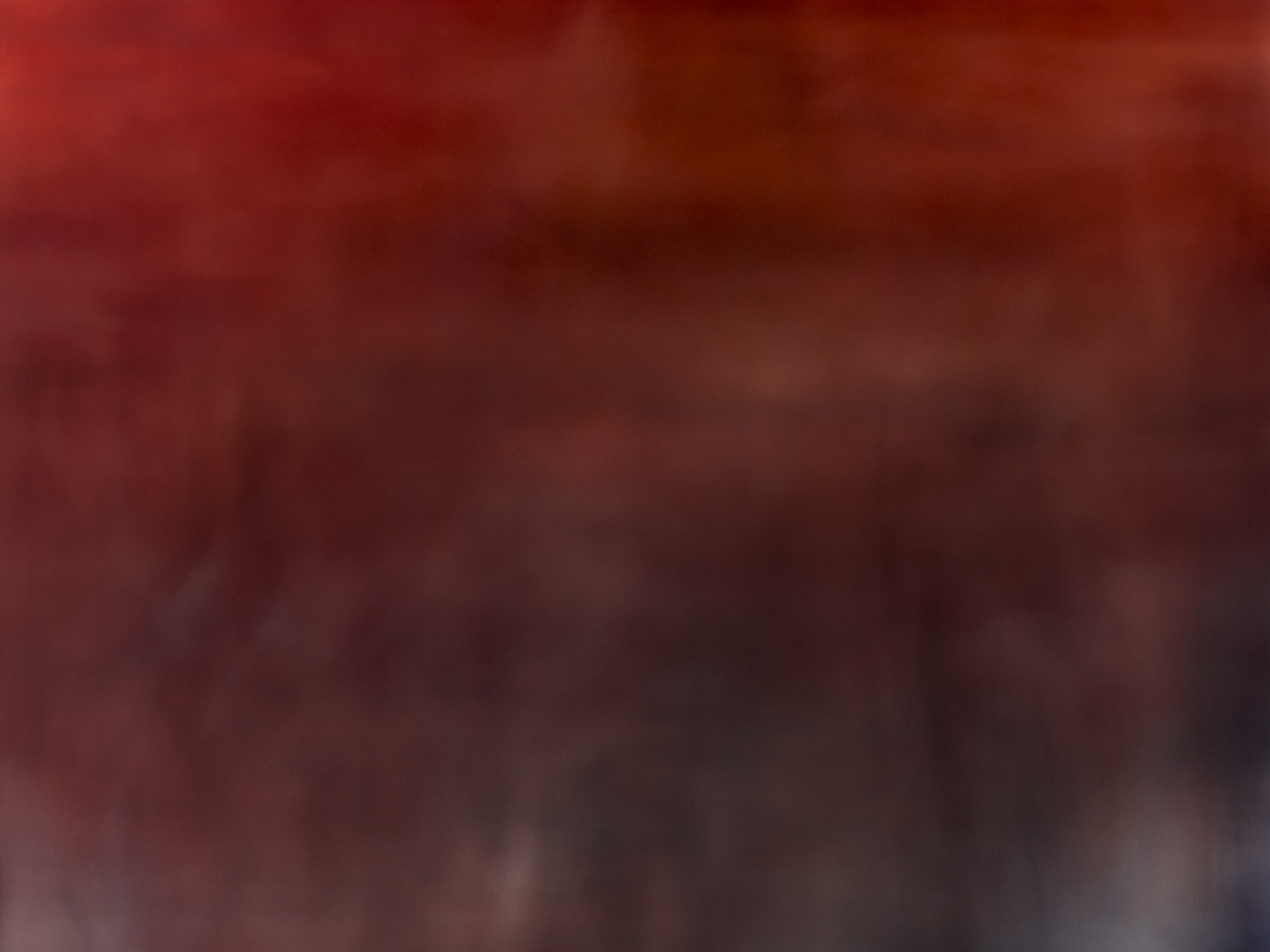
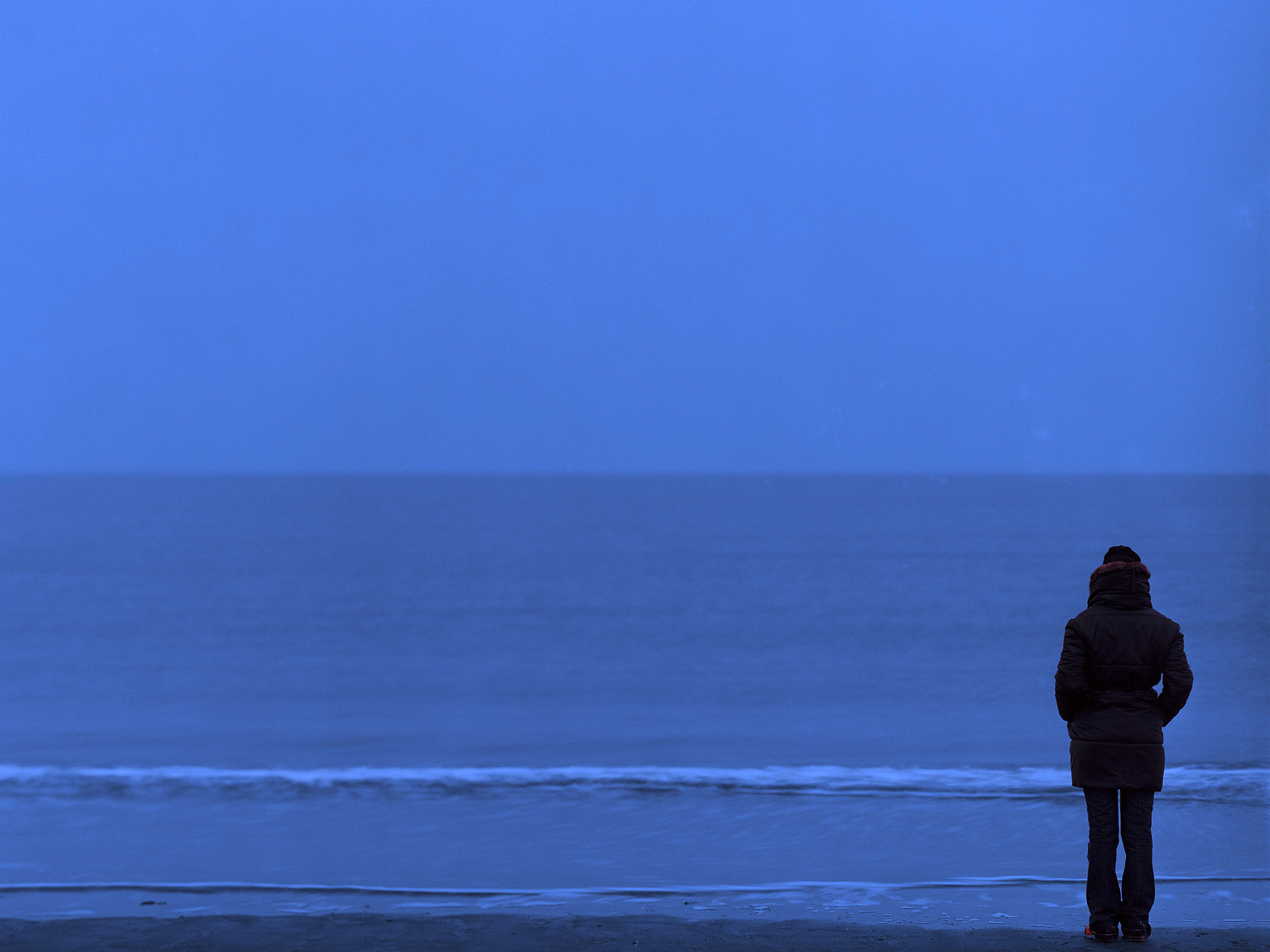
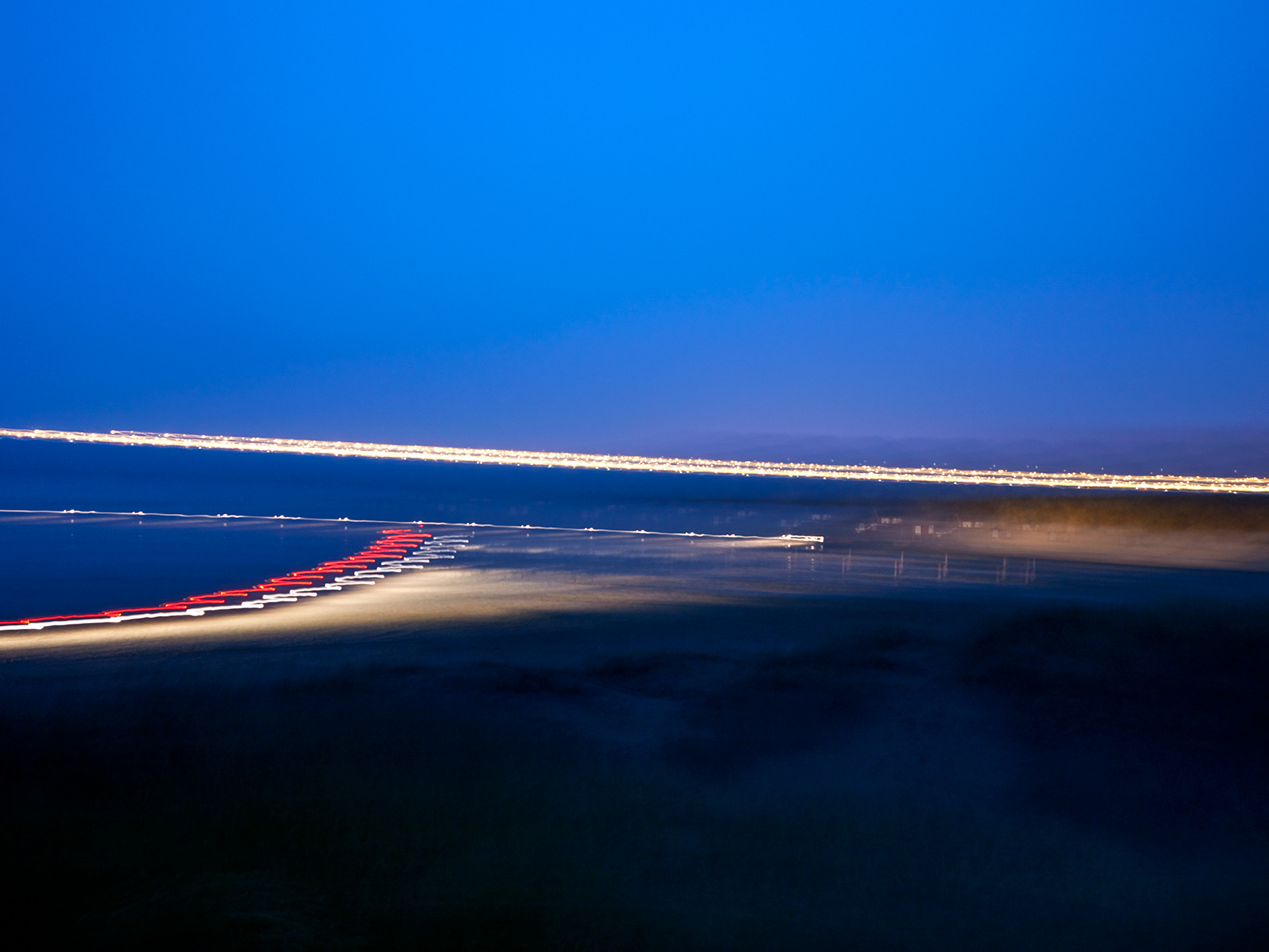
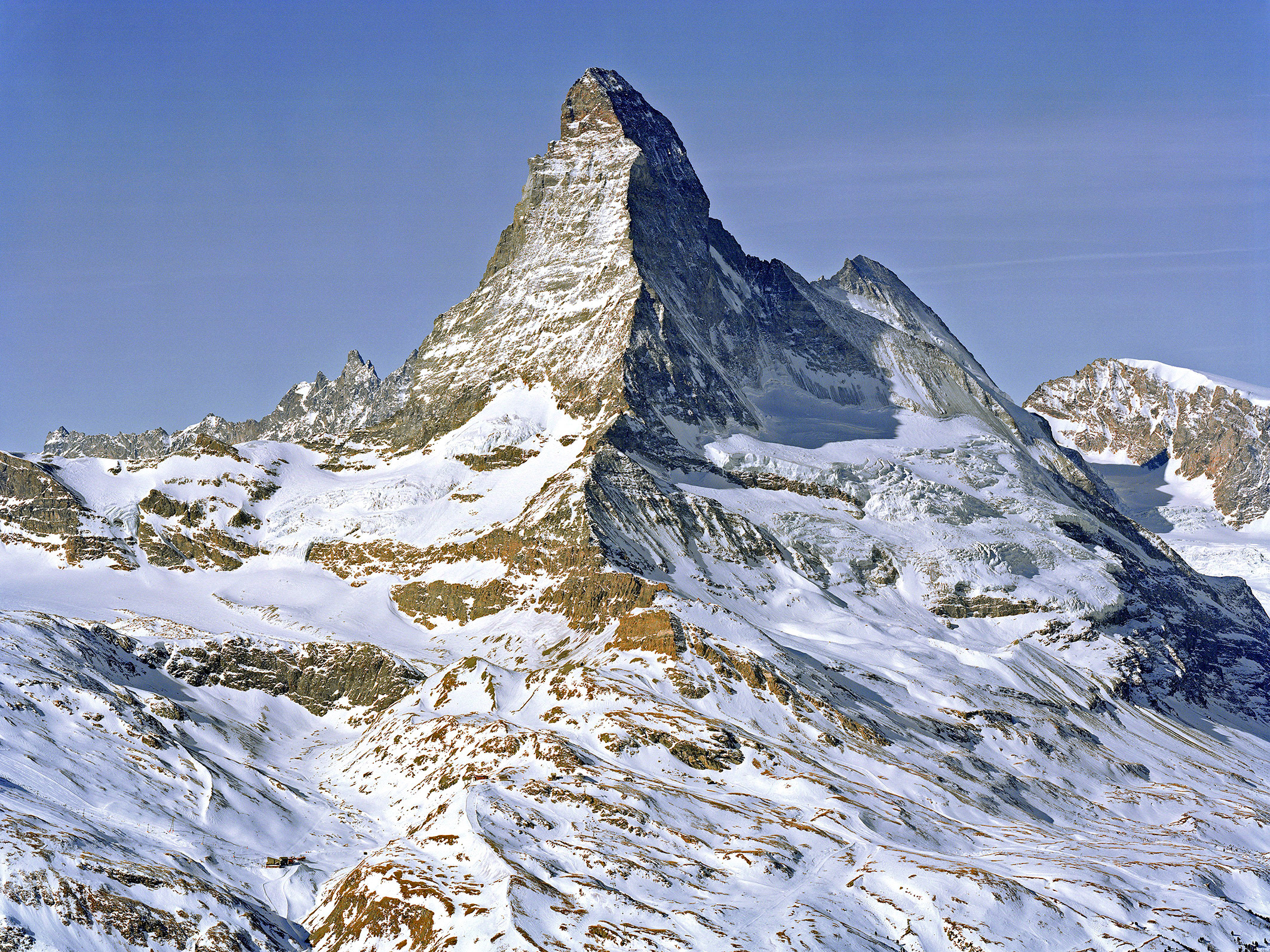
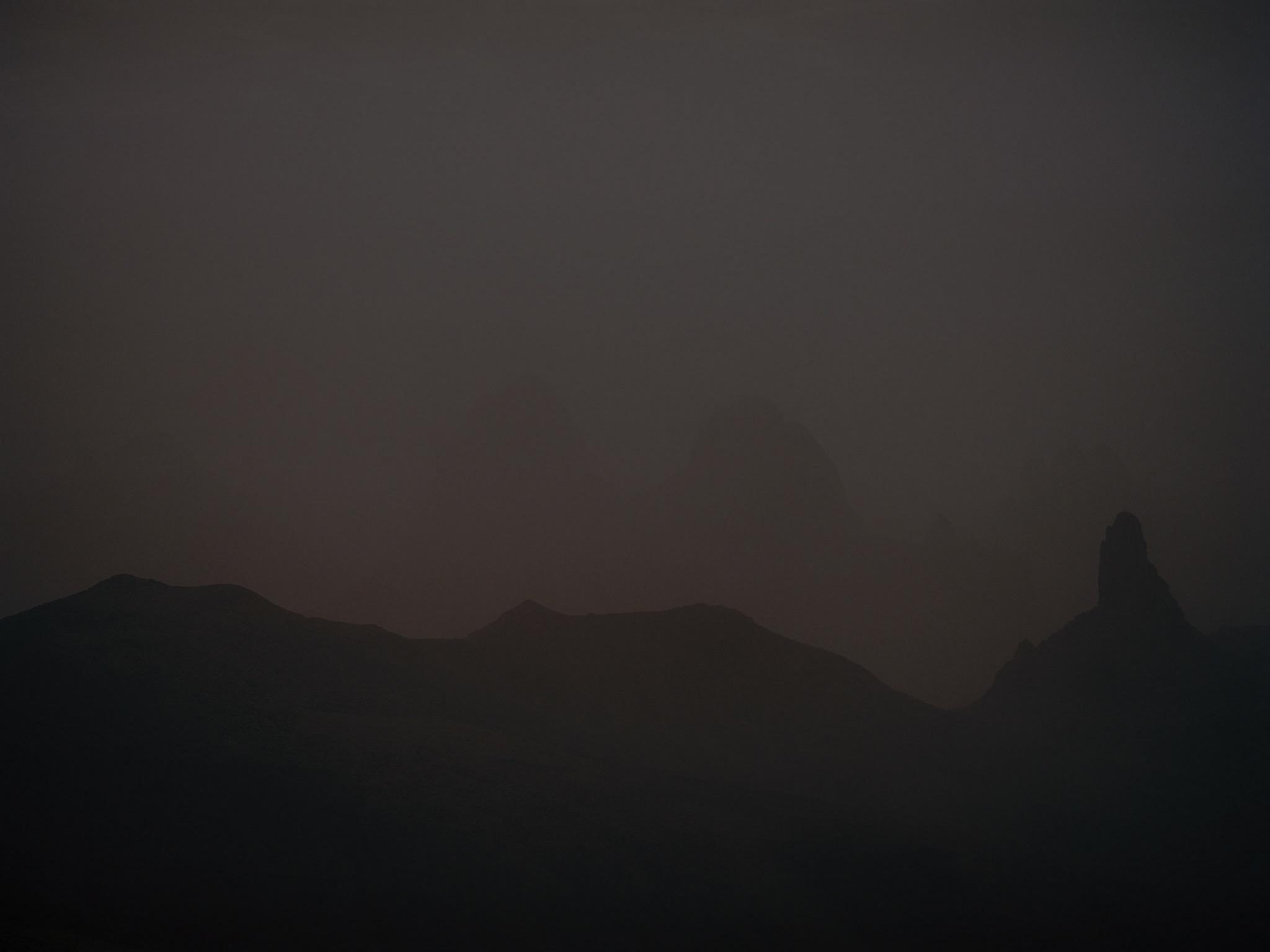
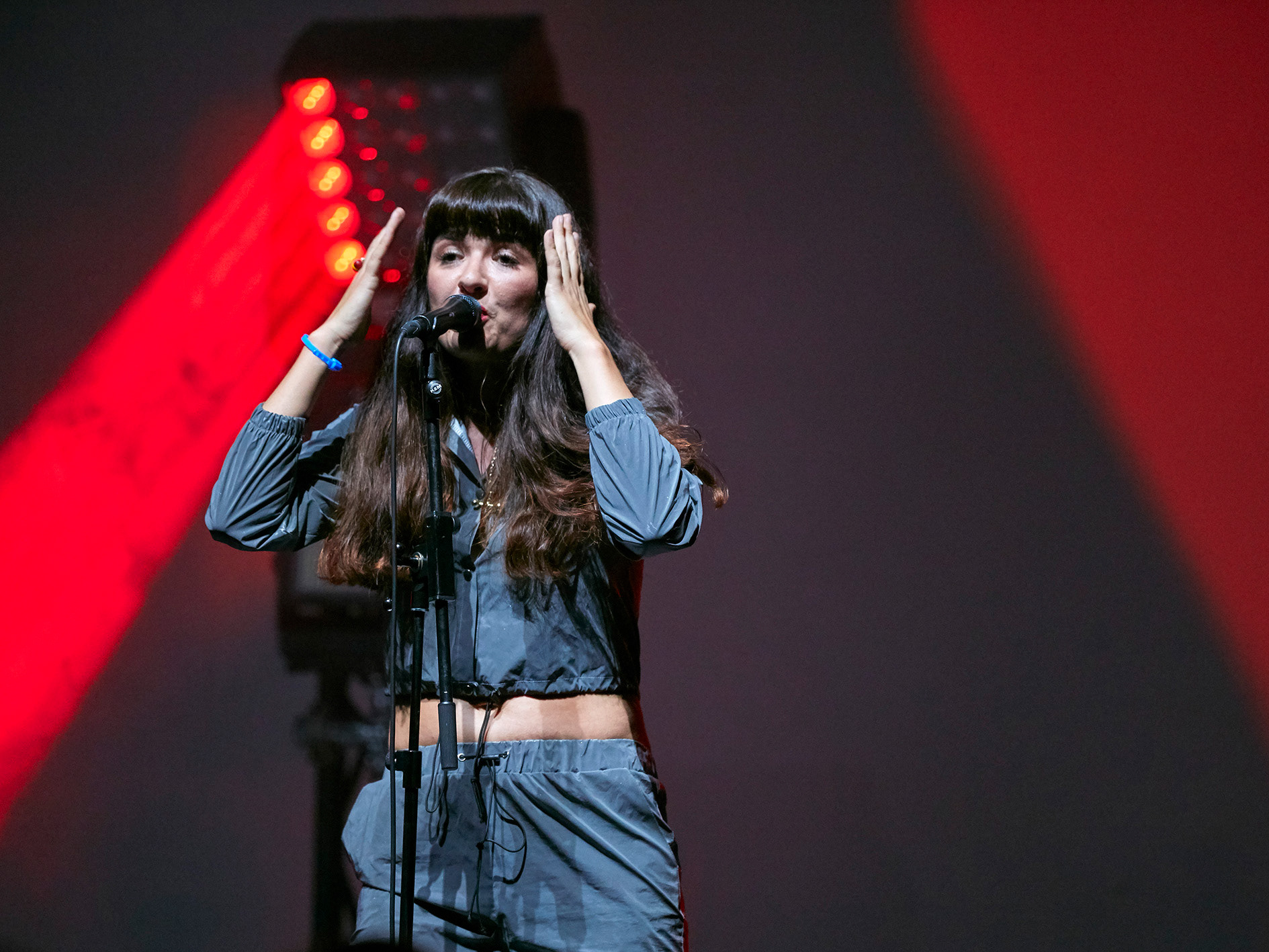
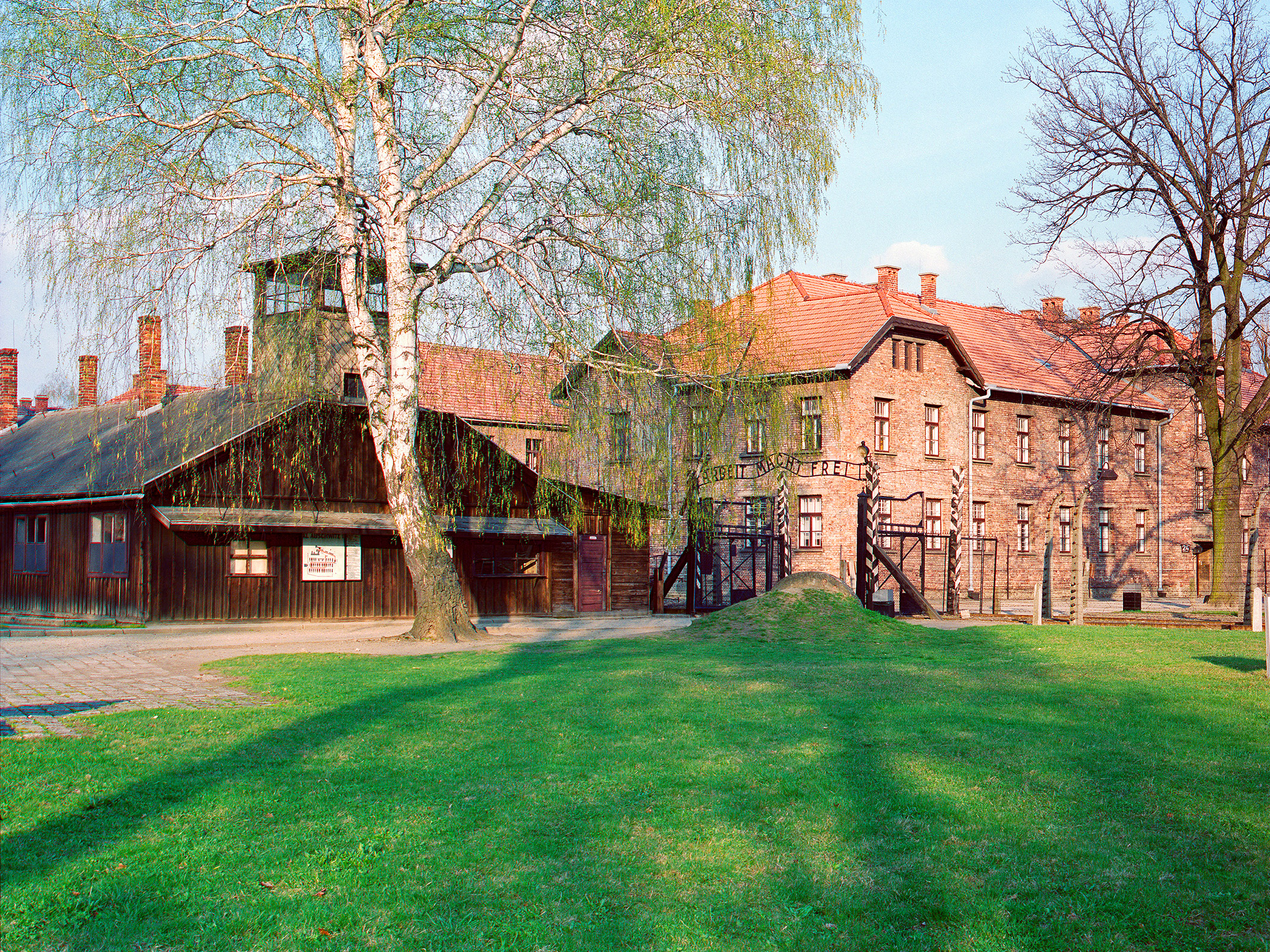
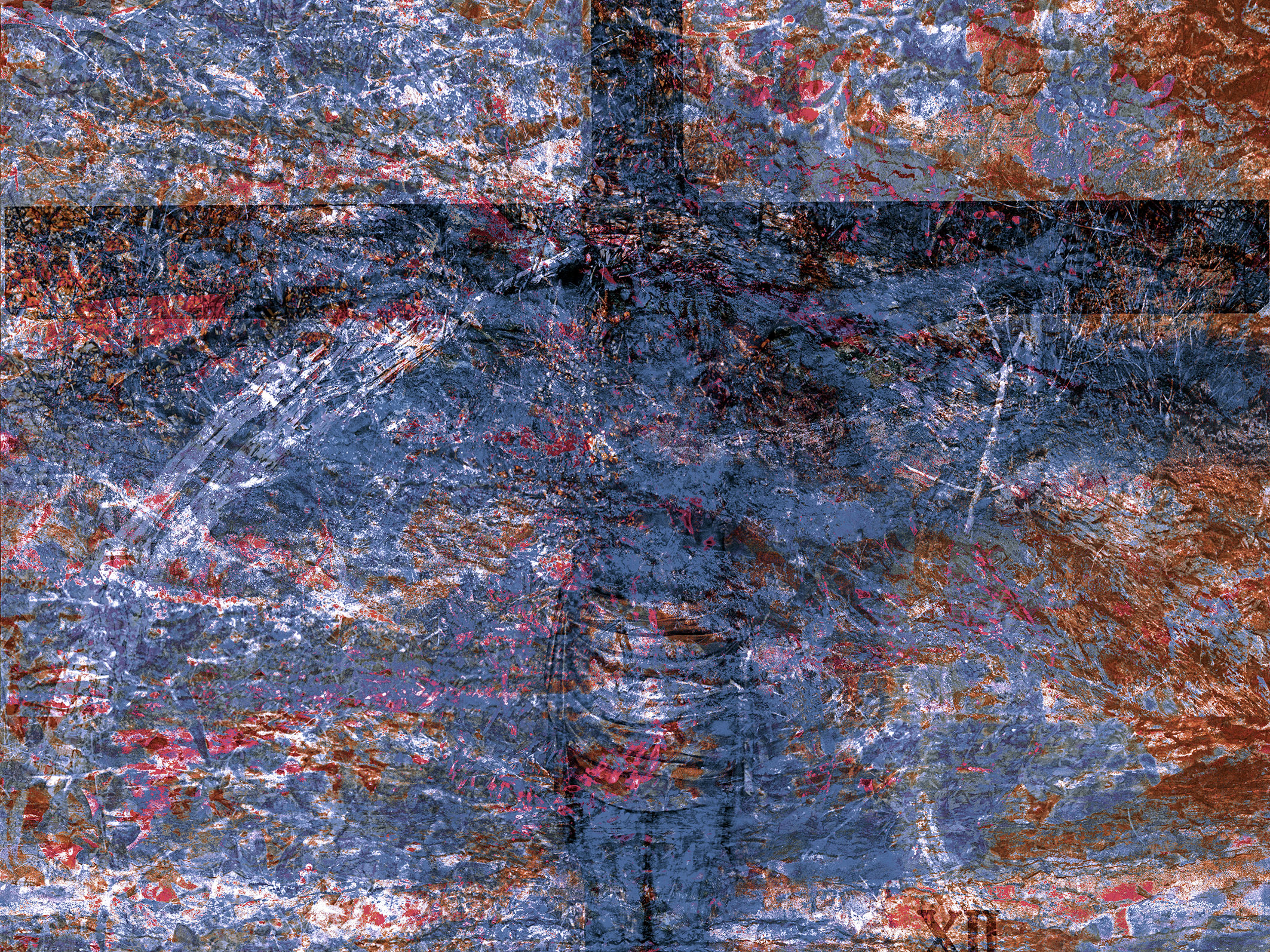
The moment – fleeting, transient – is only an instant. But every moment carries an impulse, a force, a momentum that goes beyond pure perception. It is the emergence of movement itself, a becoming that eludes the linear flow of time. In photography, this becoming can be captured in a time window, a clearly defined section in which reality becomes visible – and at the same time is questioned. The Time Window series arose from the desire to show a reality that the eye alone cannot grasp. Only with a large-format camera, long exposure and precise shifting of the back can a 4x5-inch negative be created that is more than just an image: it documents a period of 20 minutes in which reality forms, dissolves and reassembles itself. In this way, photography becomes a medium of abstract realism – a movement that oscillates between recognisable motifs and abstract representation and poses the central question: Which reality is the true one? Is reality static or a fluid process that is only completed in the viewer's gaze and perception? This exploration of fluid reality is a recurring theme in art history. The Impressionists captured fleeting moods of light and moments in time, the Futurists visualised movement and the dynamics of the modern world, while the abstract Expressionists – from Jackson Pollock to Mark Rothko – made visible inner states and emotional landscapes that went beyond objective reality. Artists such as Gerhard Richter experimented with the interface between photography and painting, between representation and abstraction, and brought perception to the fore as an active, subjective process. Similarly, contemporary photographers such as Cindy Sherman reflect on the construction of identity and reality and question the supposed objectivity of representation. Time Window enters into this dialogue: the photographic image shifts between documentation and abstraction, between concrete space and subjective experience. Colour, light, contrast, spatial planes – from the front, behind, in between – merge into a perception that is experienced both physically and mentally. The viewer becomes an active participant: the interpretation of the image is a dialogue in which memories, emotions and personal experiences expand perception. A static negative becomes a dynamic space of experience. The series reflects the restless movements of the mind, the darkening and hopeful glances of the soul. Here, photography becomes an instrument of contemplation, a poetic translation of a fleeting moment that does not depict reality, but makes it tangible. Zeitfenster shows that reality is never final: It is a continuous process, a movement that unfolds a new in every moment, every glance and every negative.