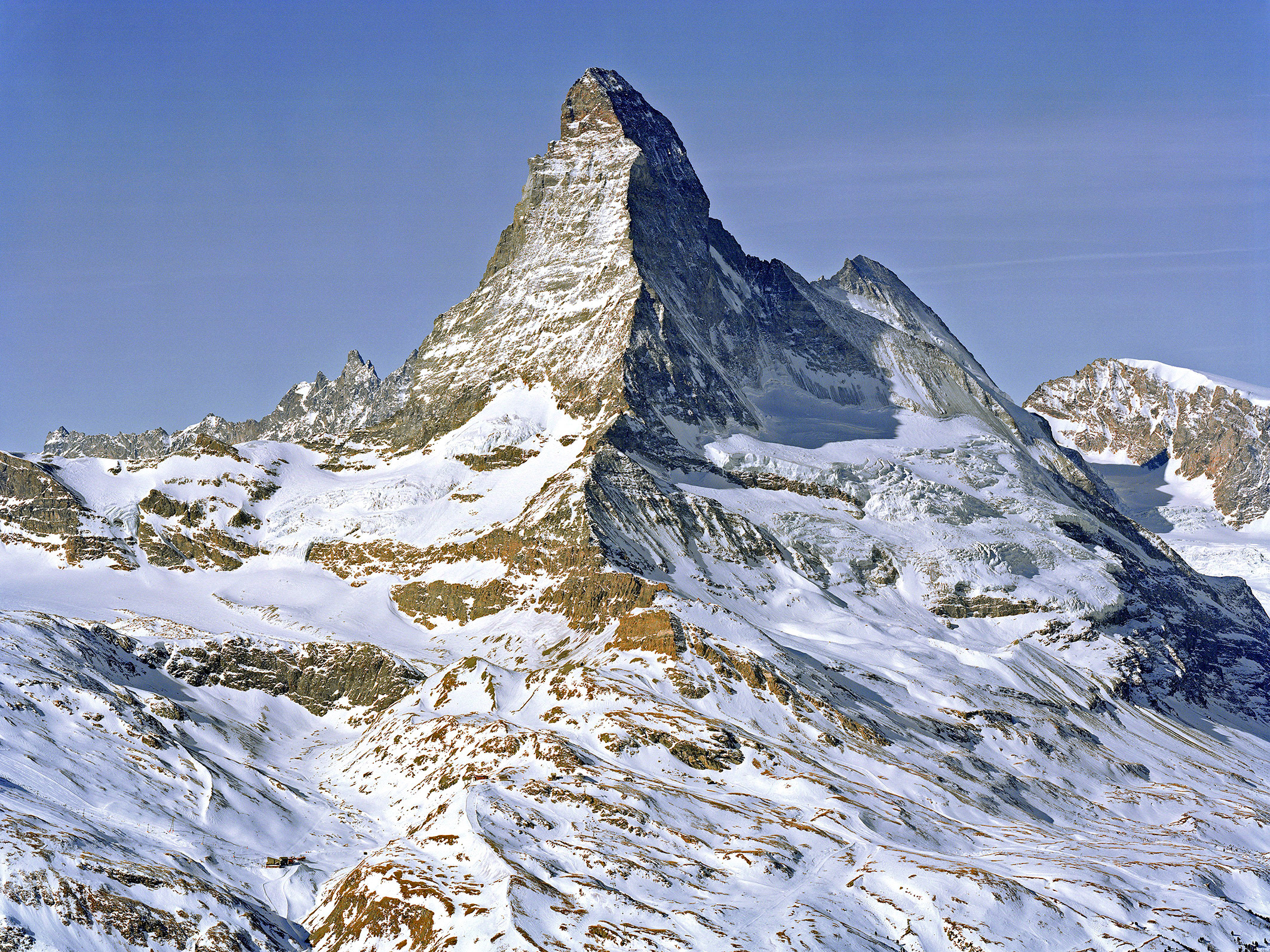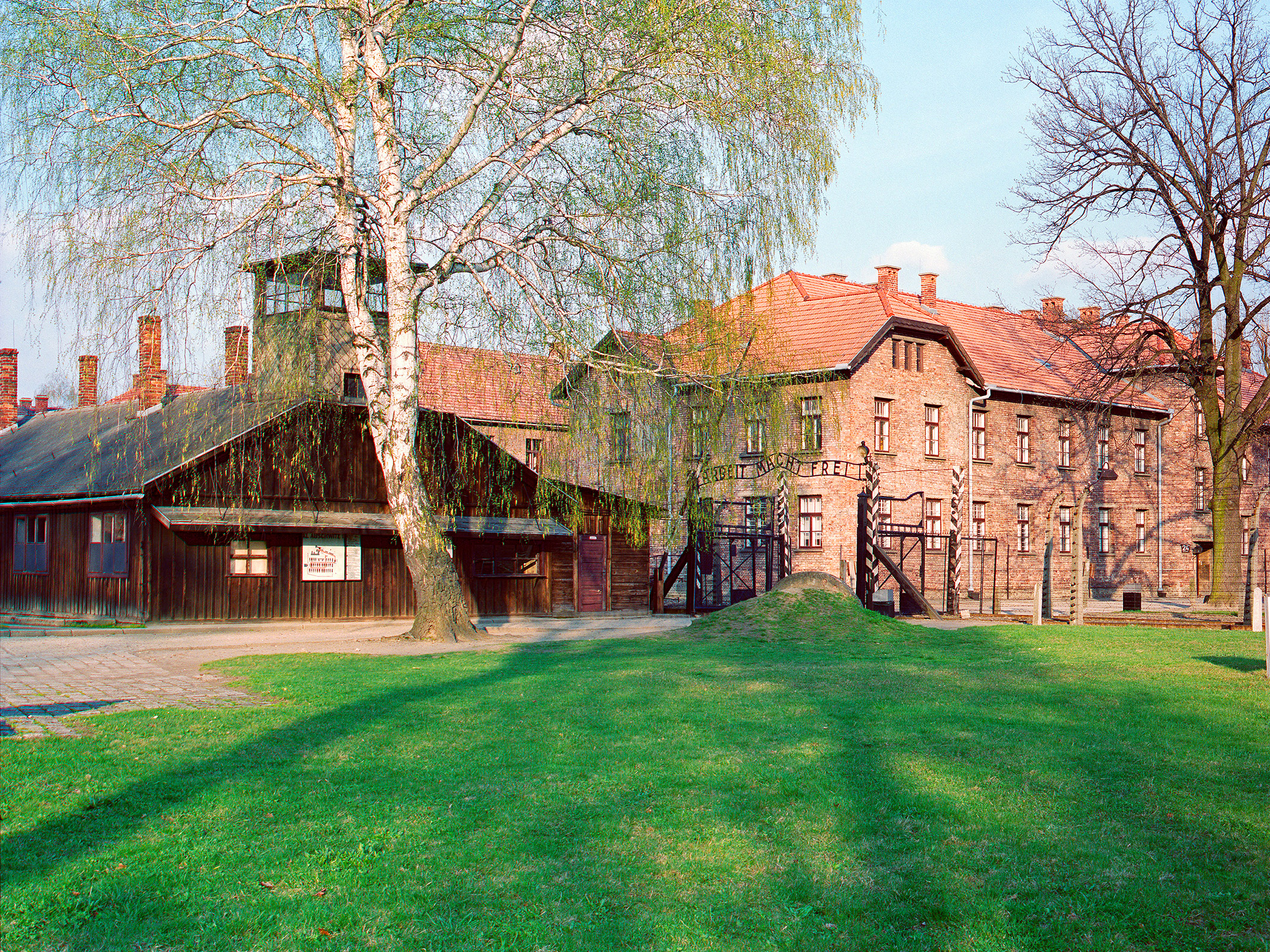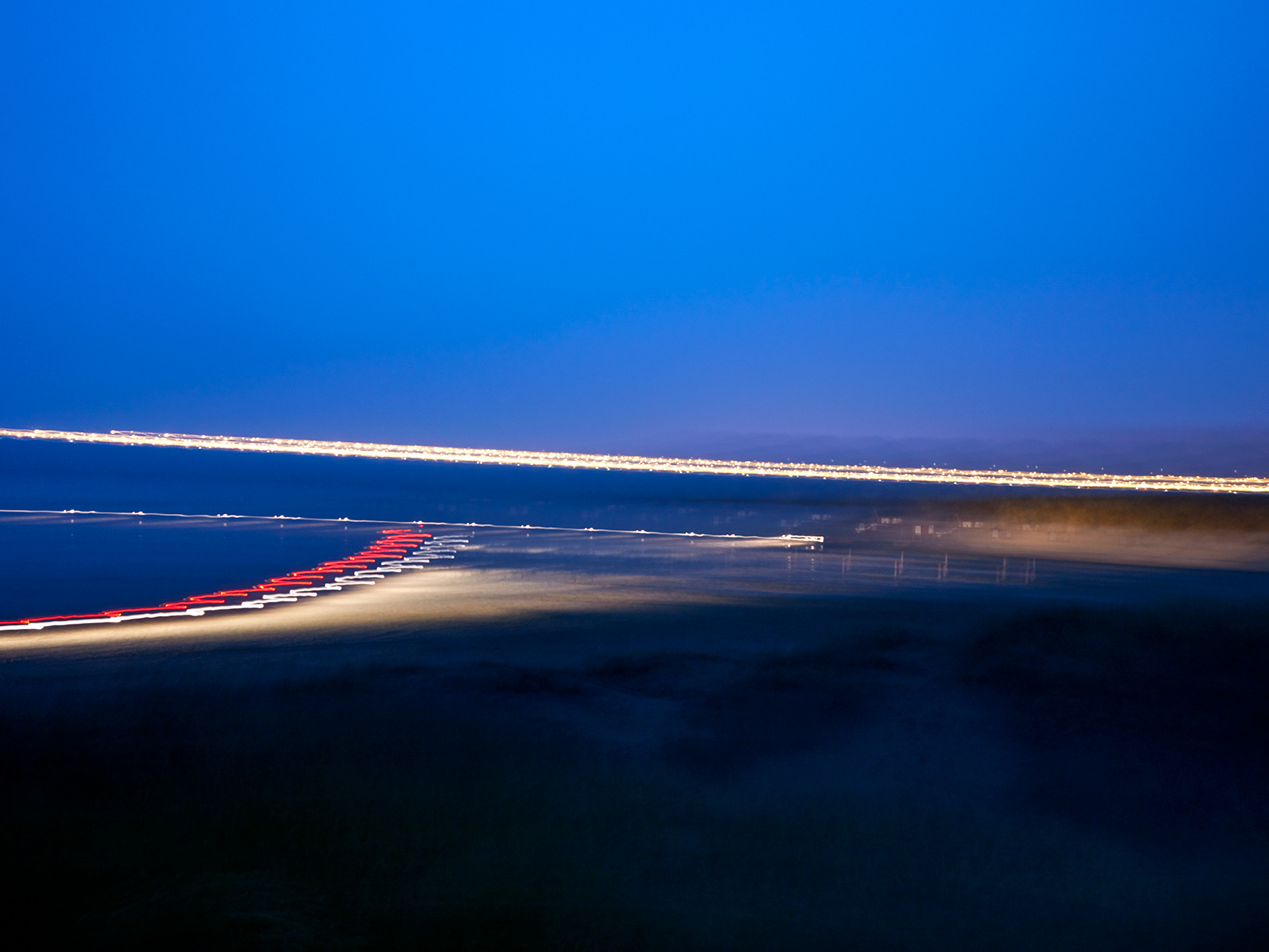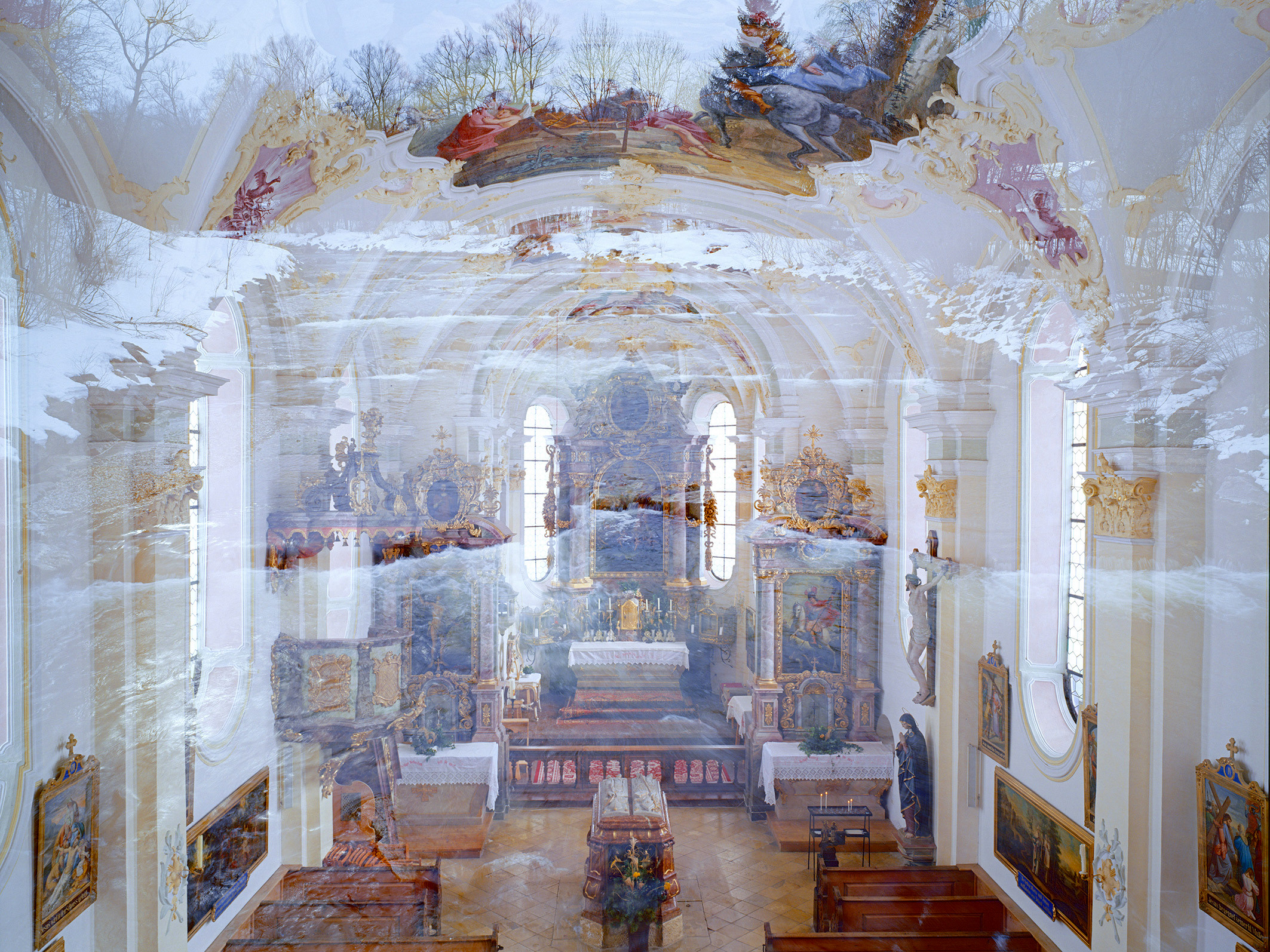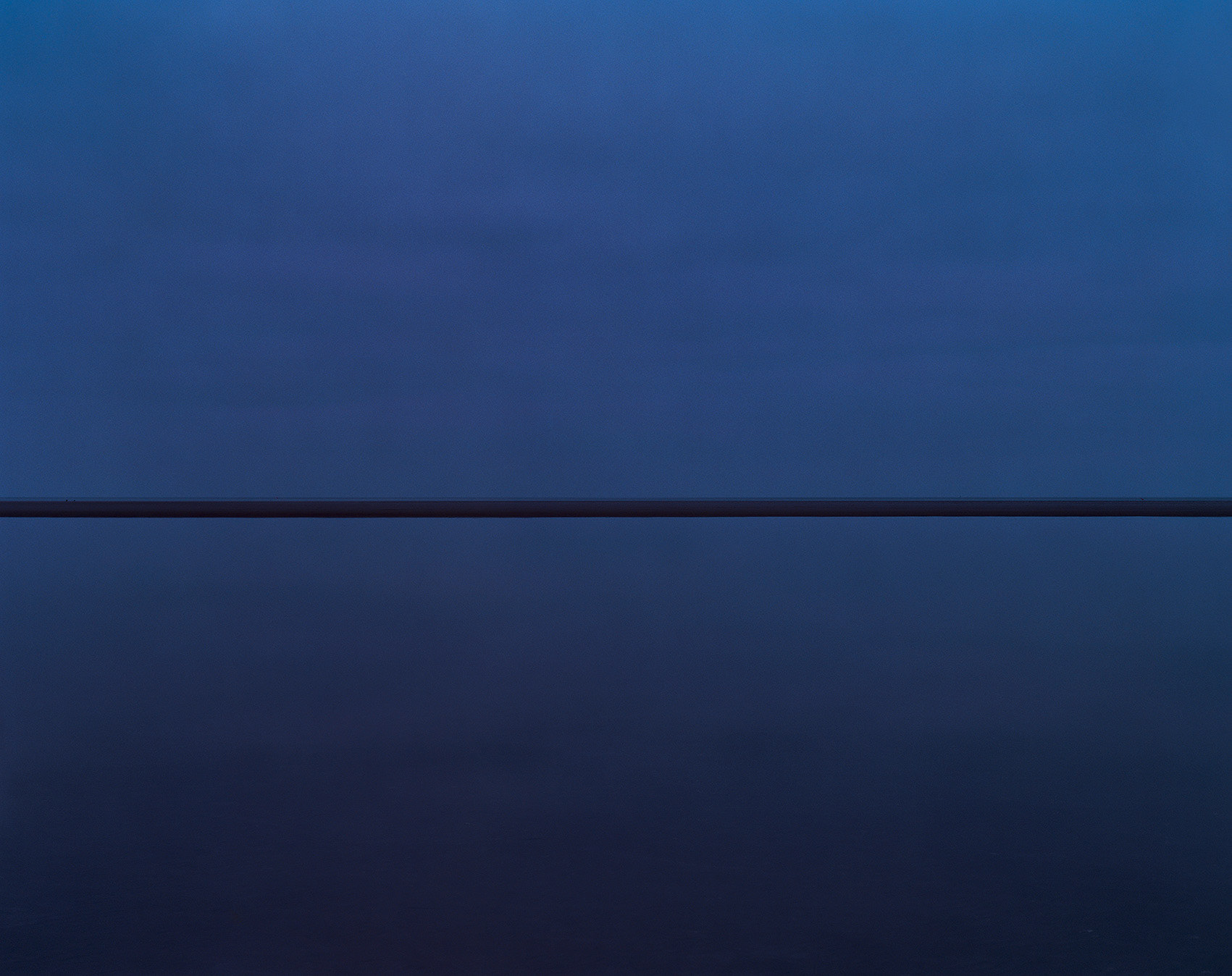
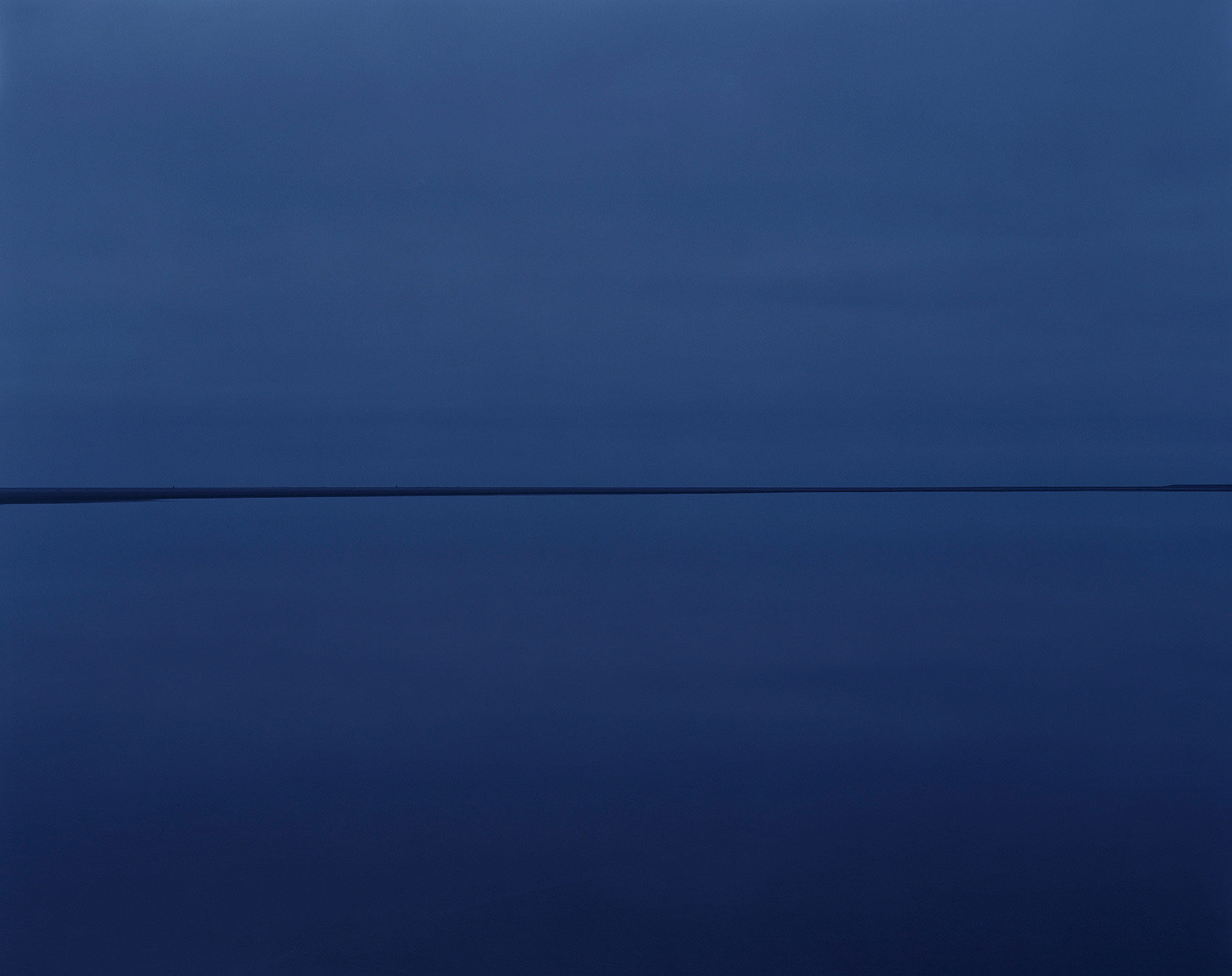
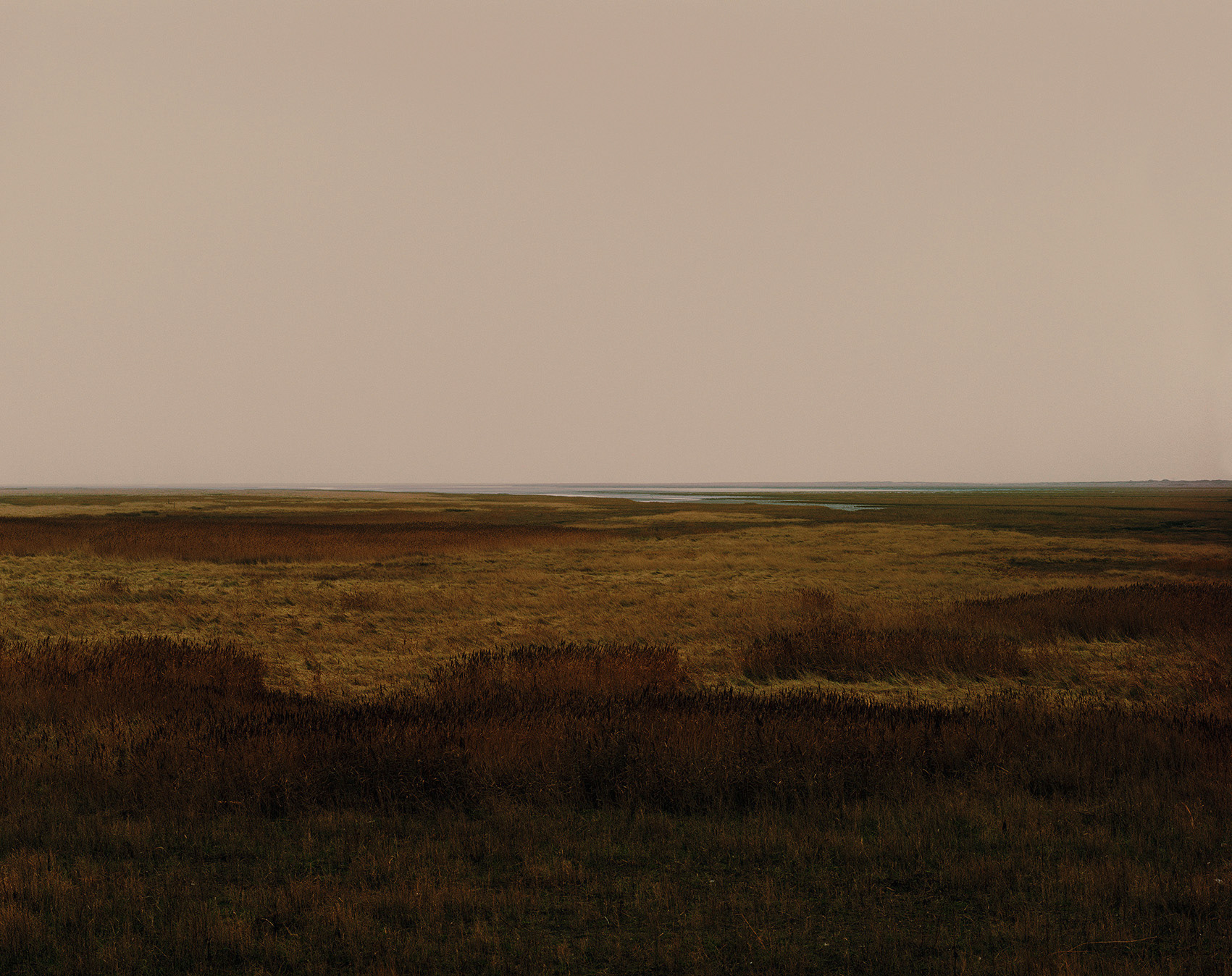
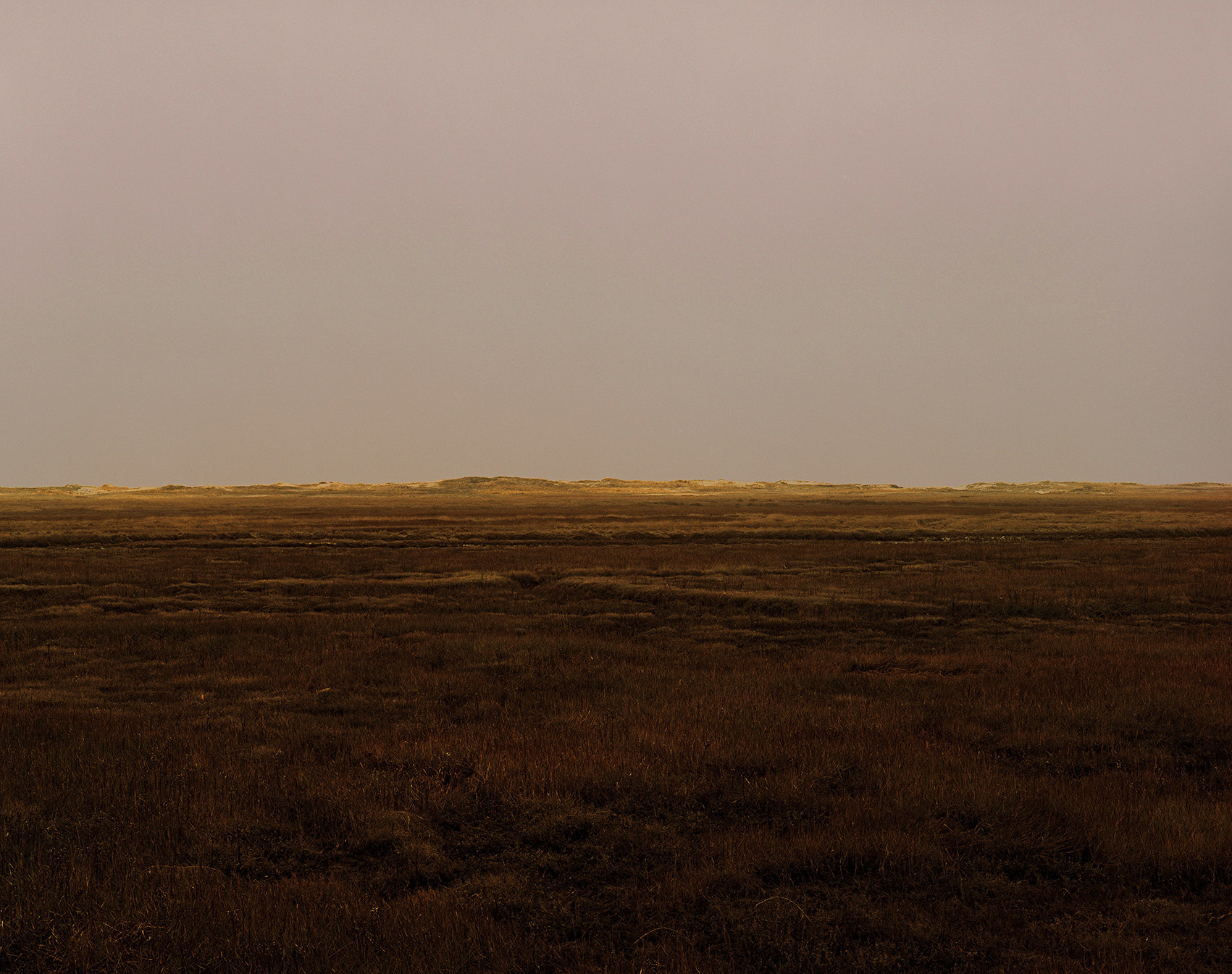
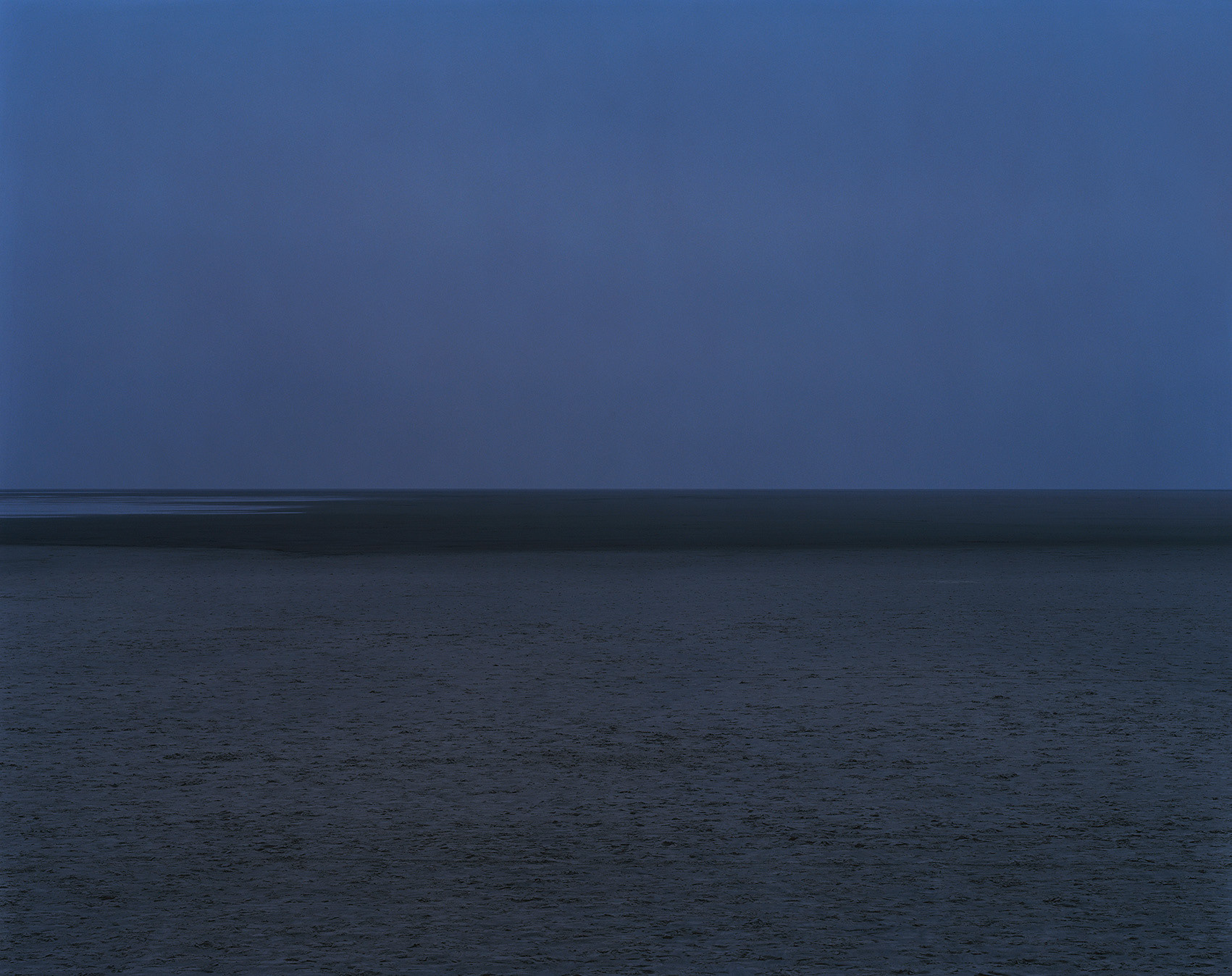
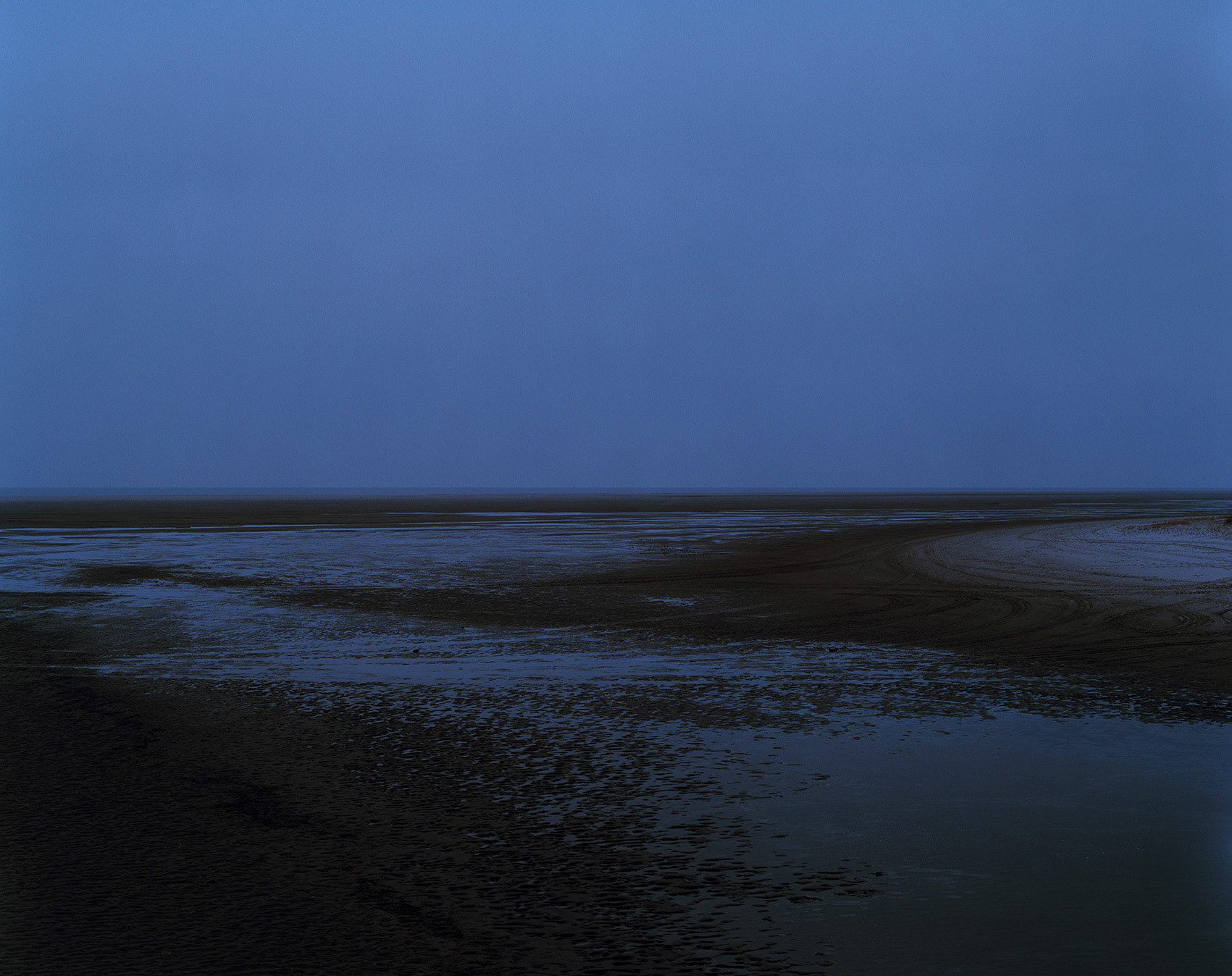
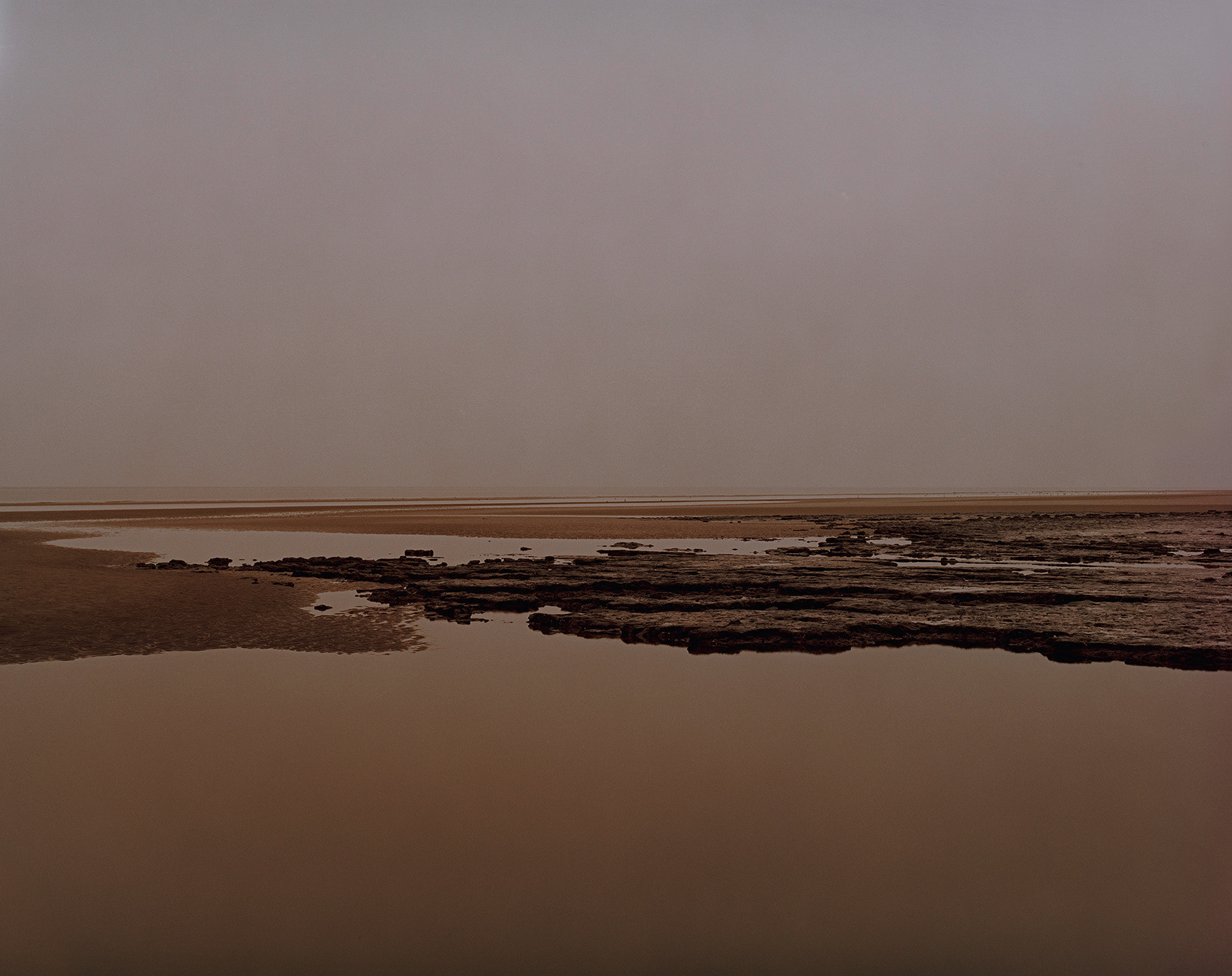
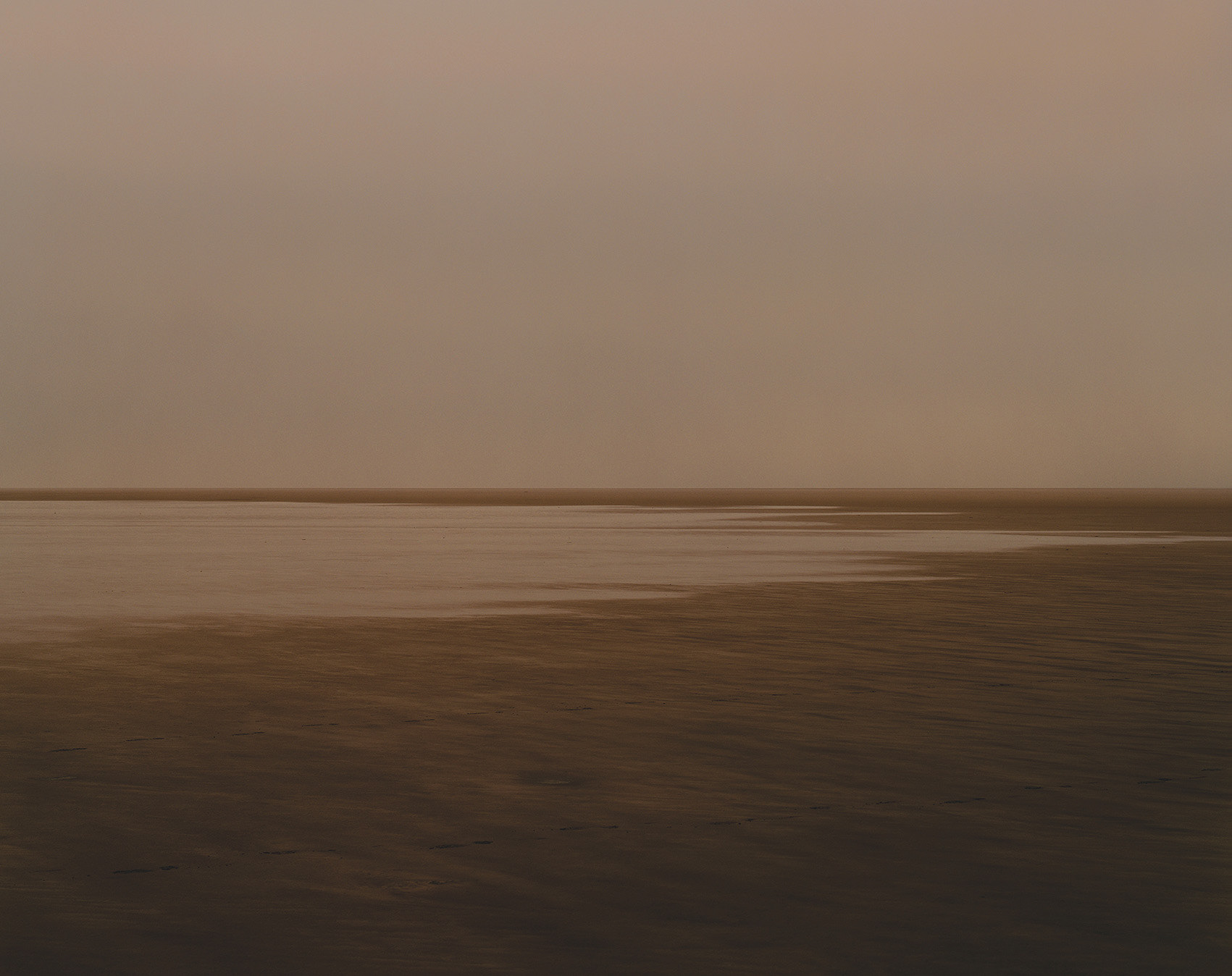
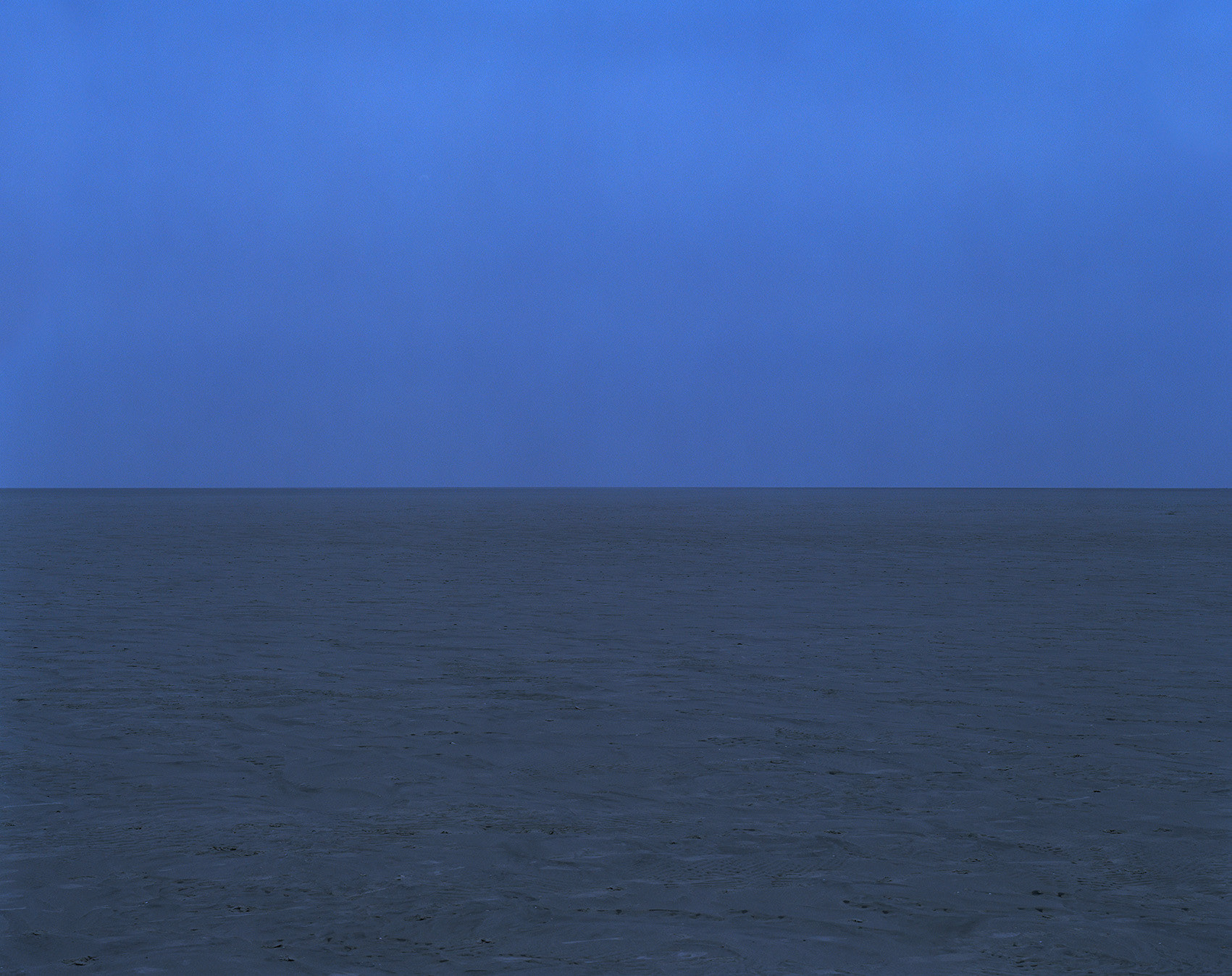
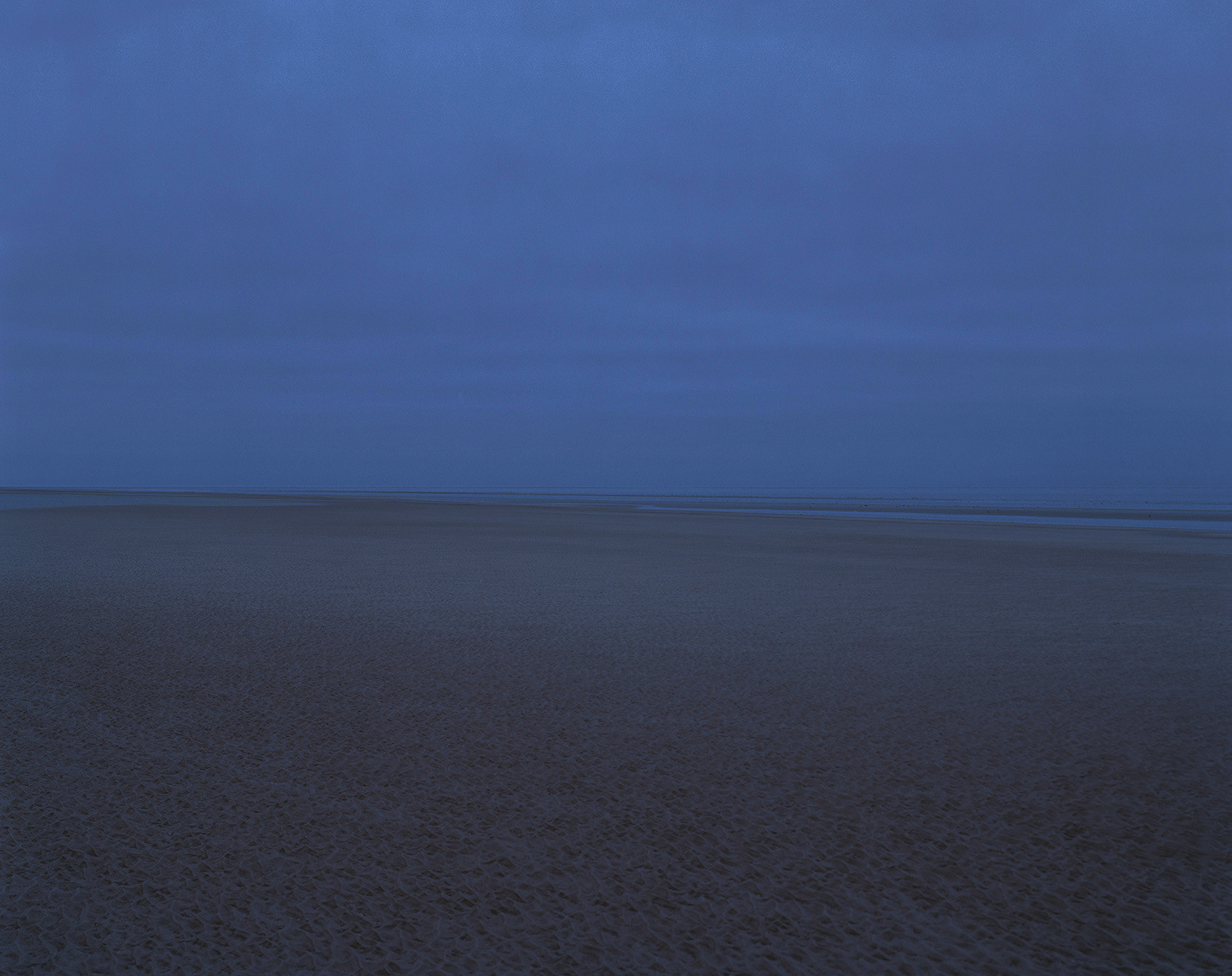
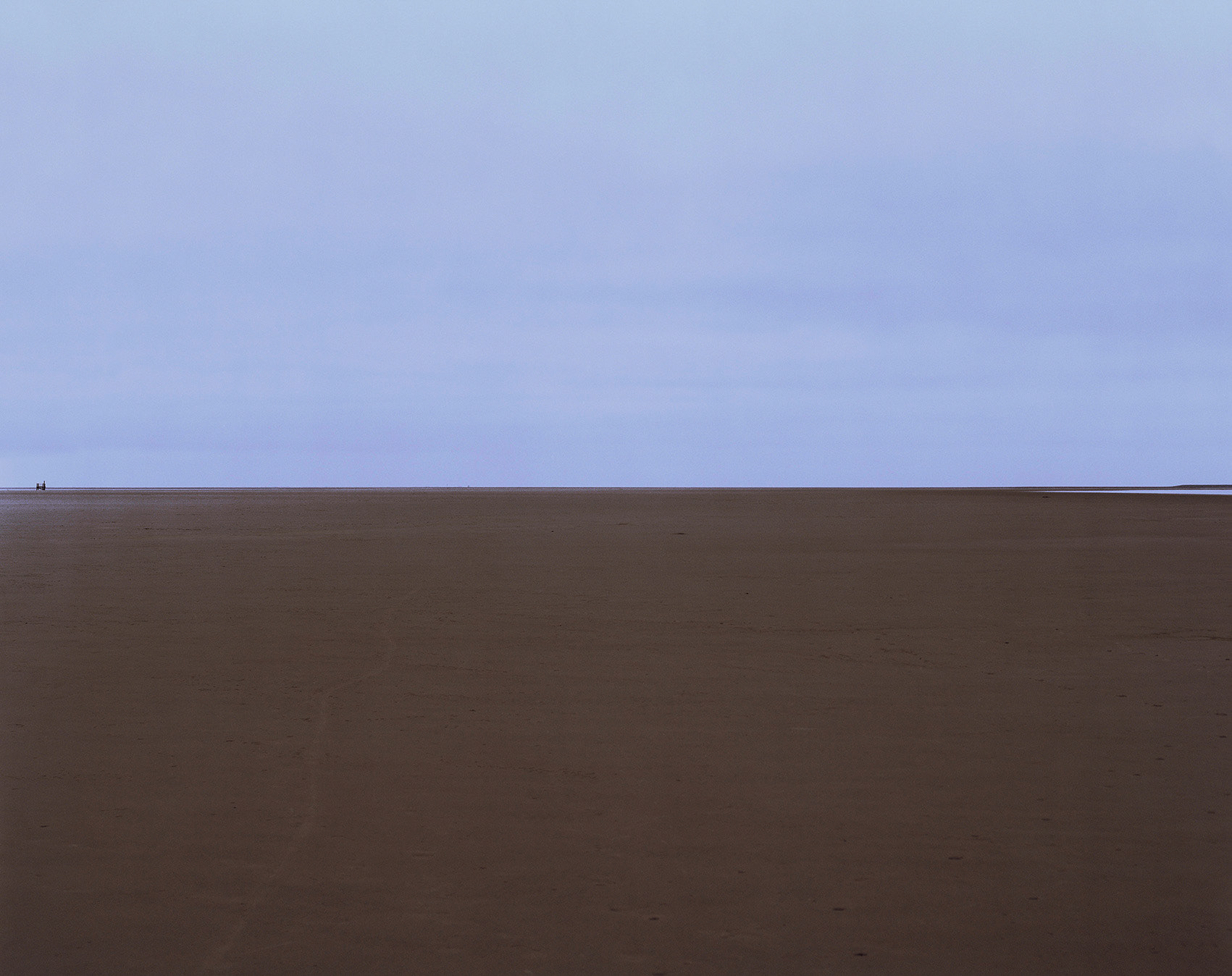
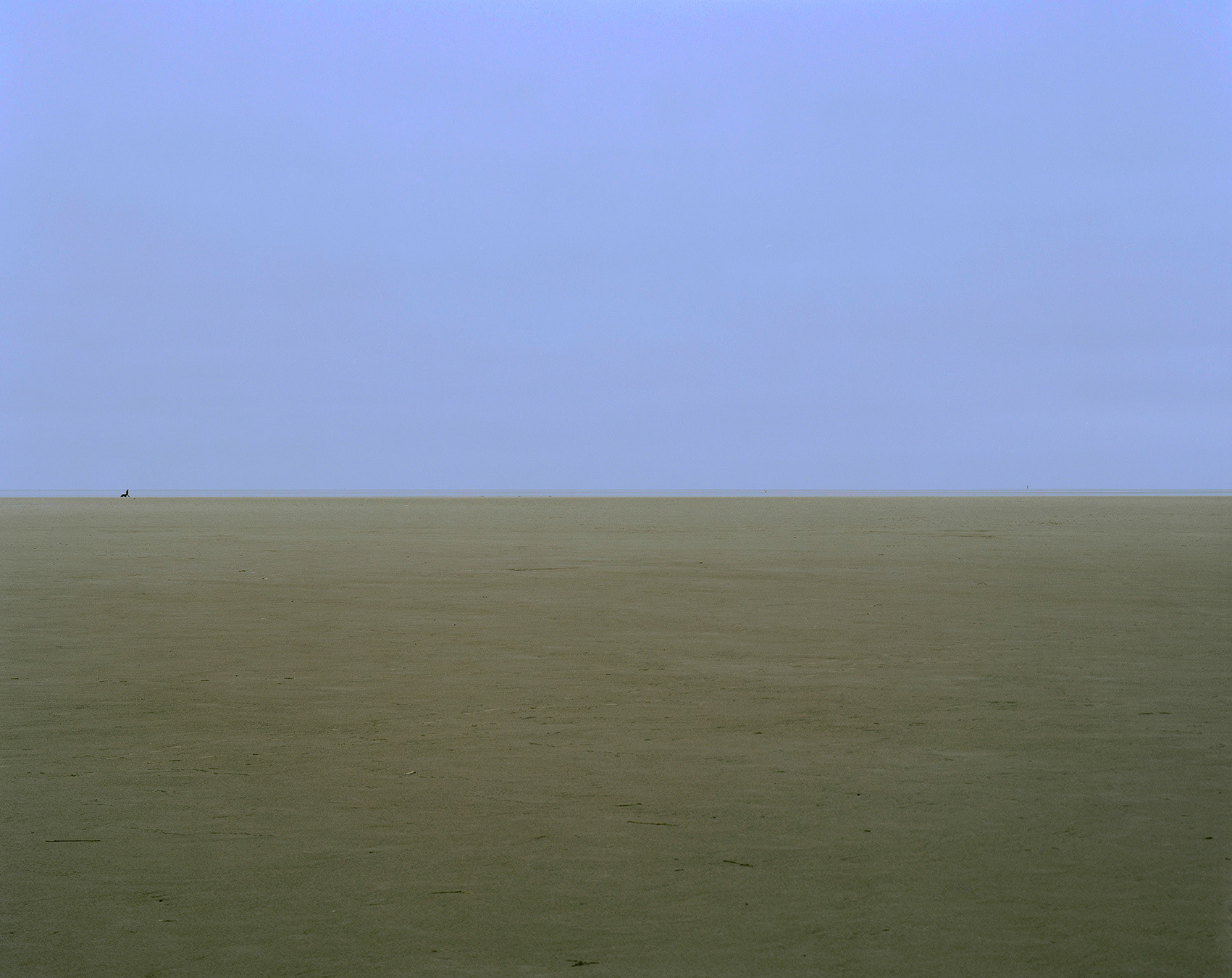
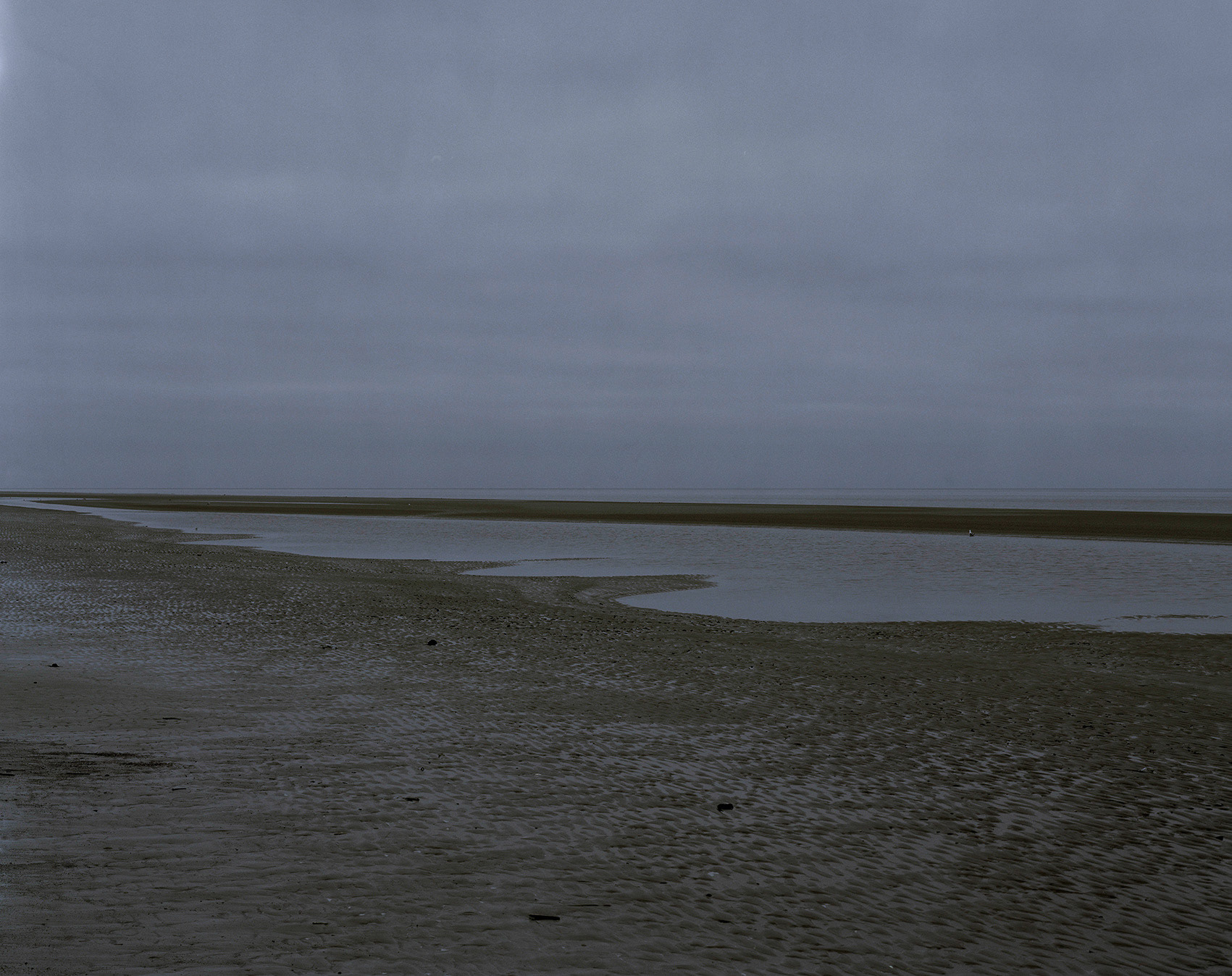
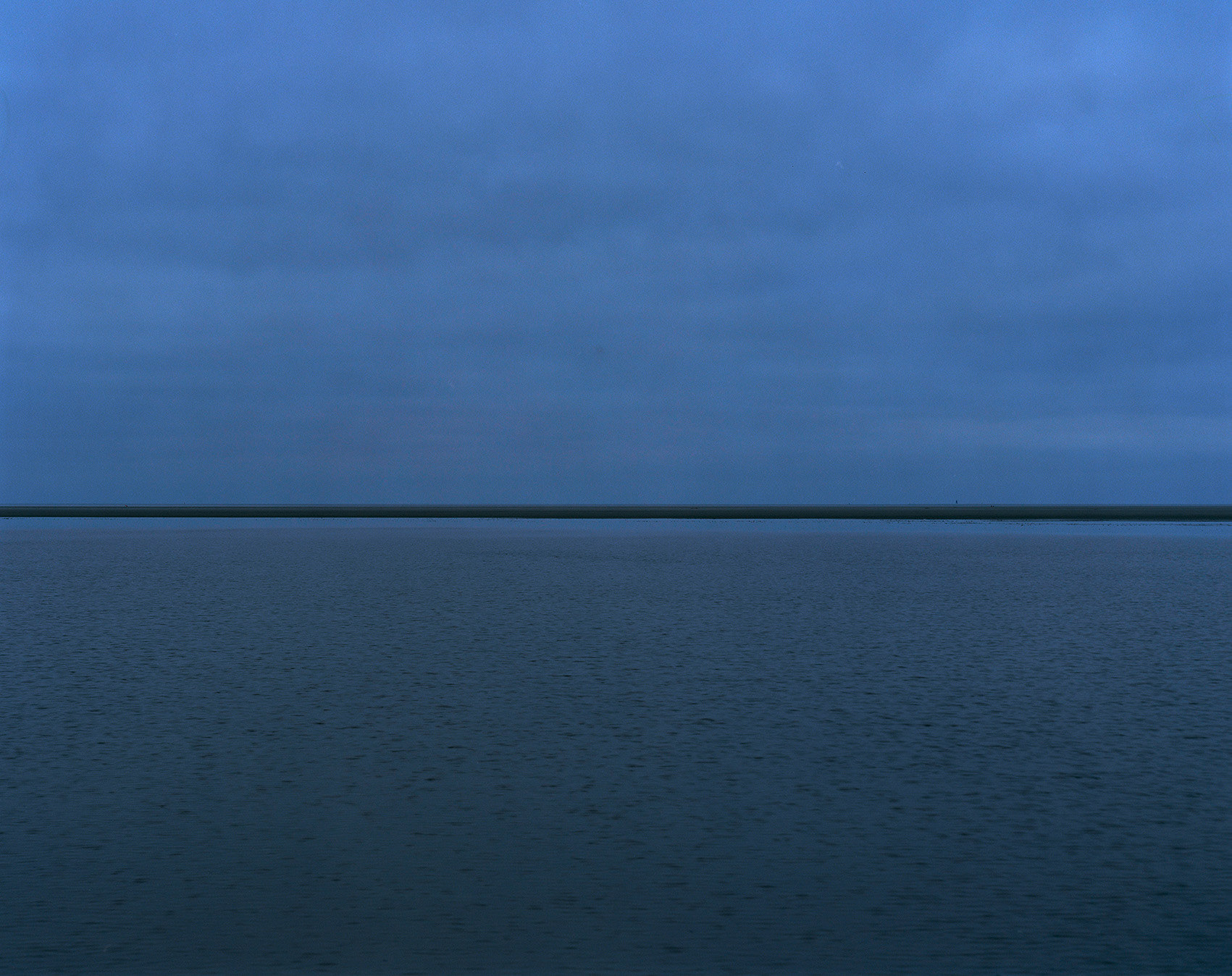
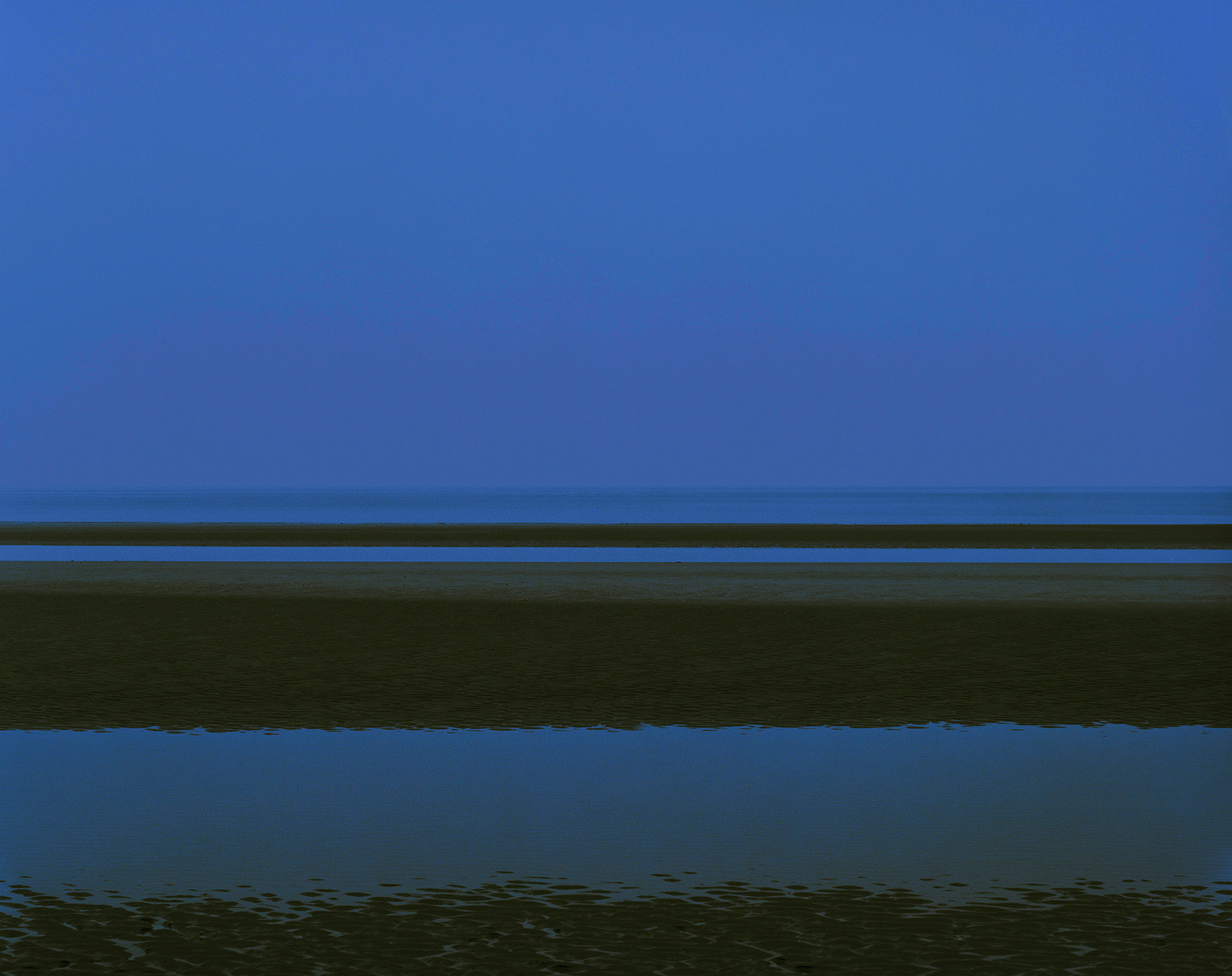
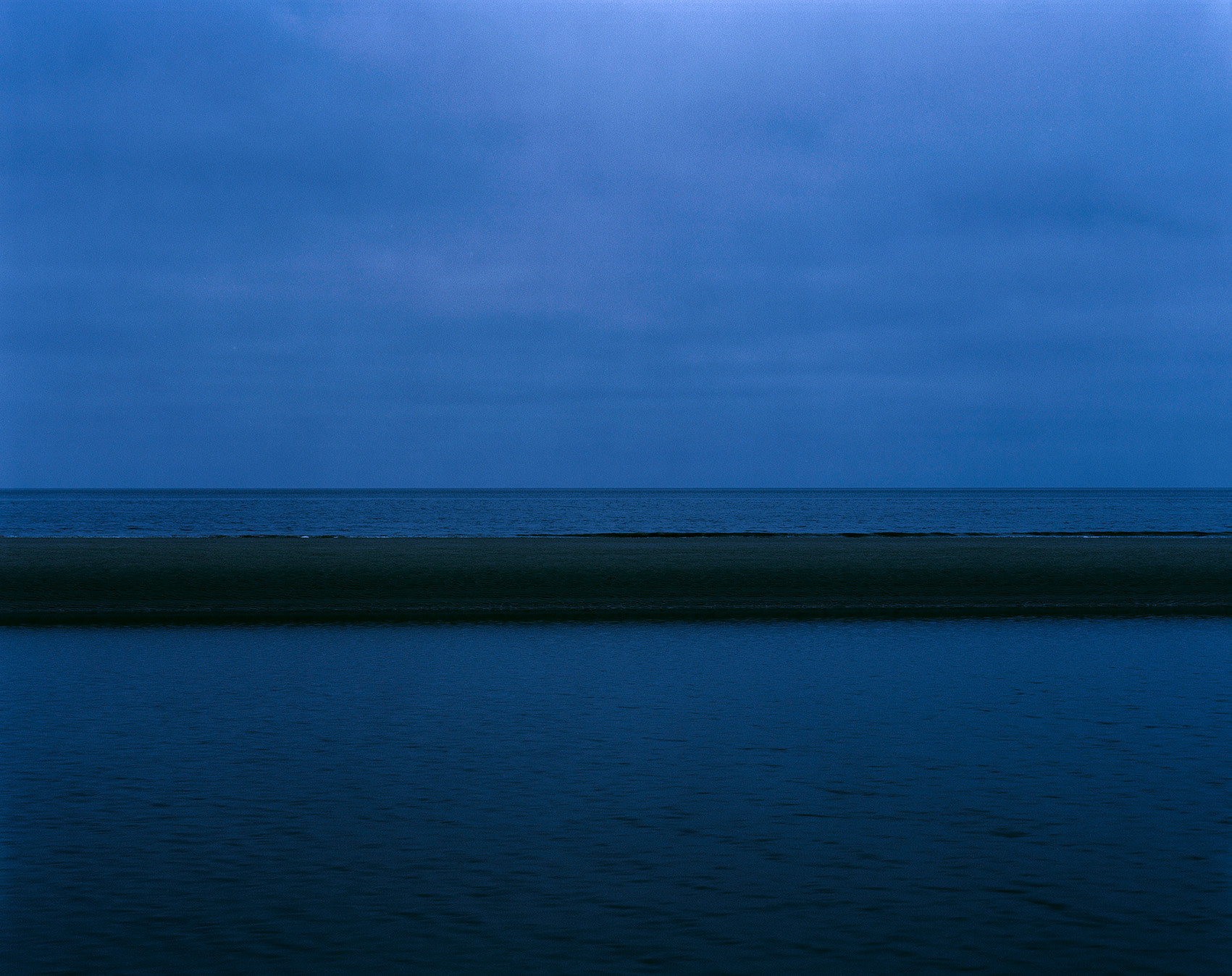
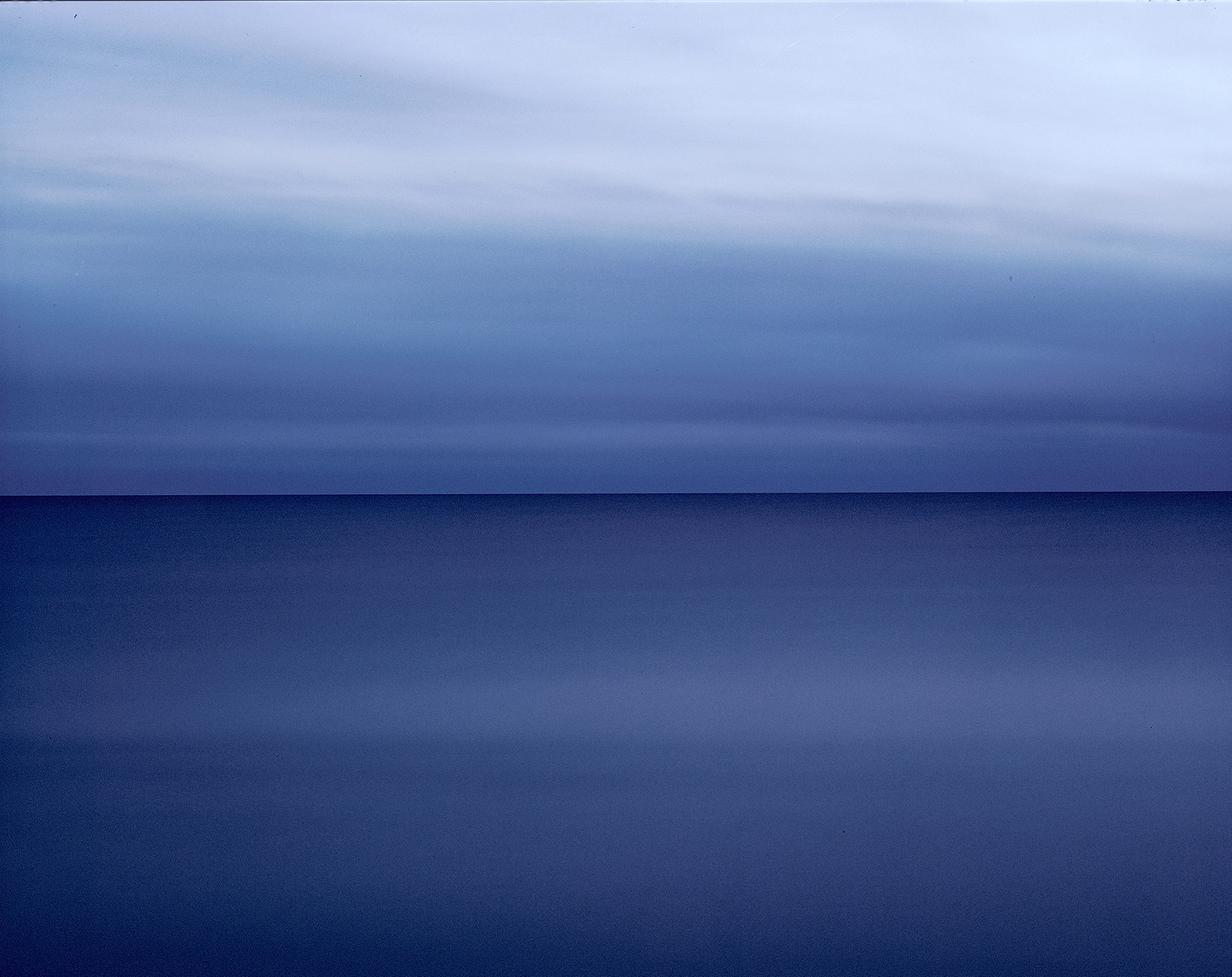
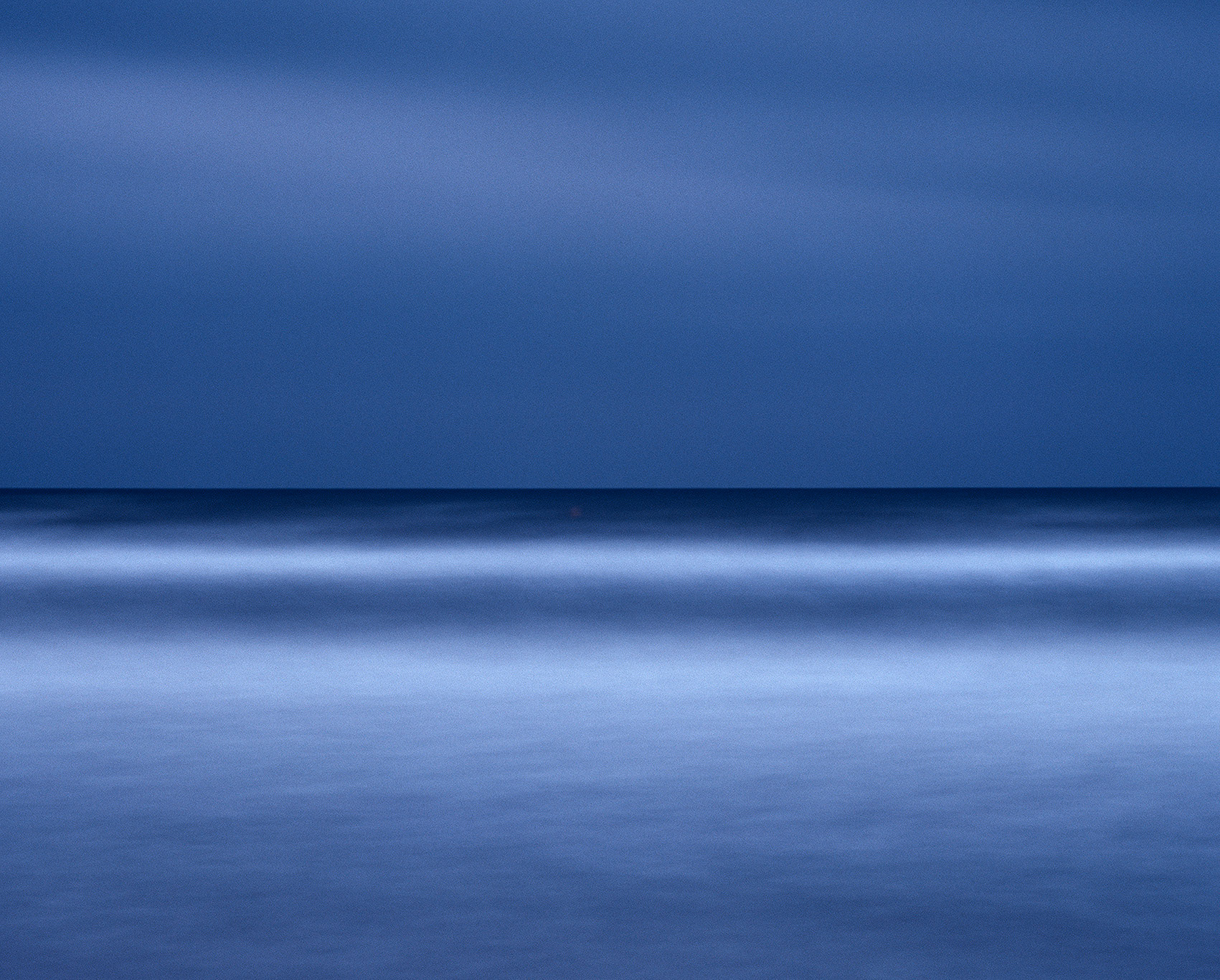



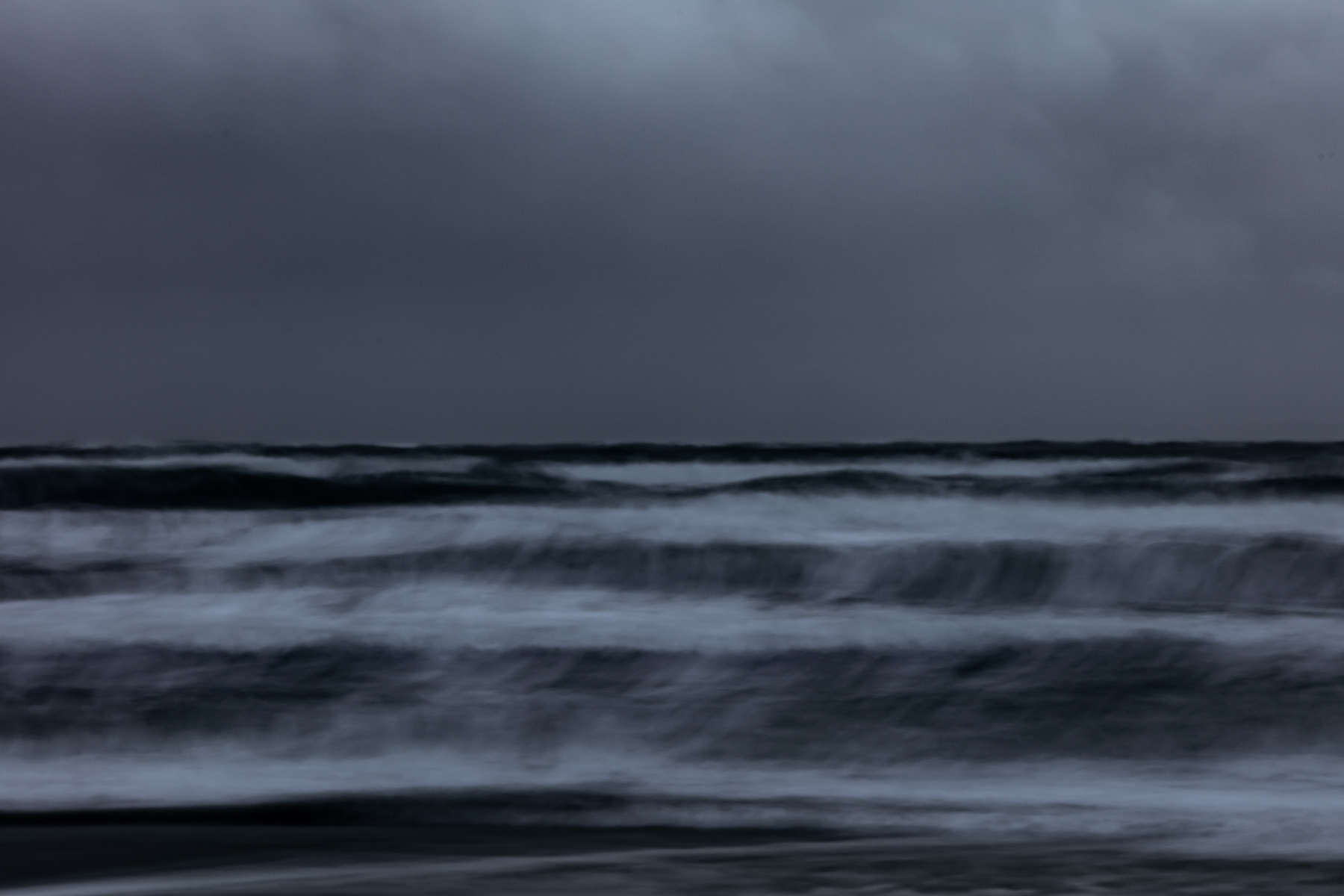
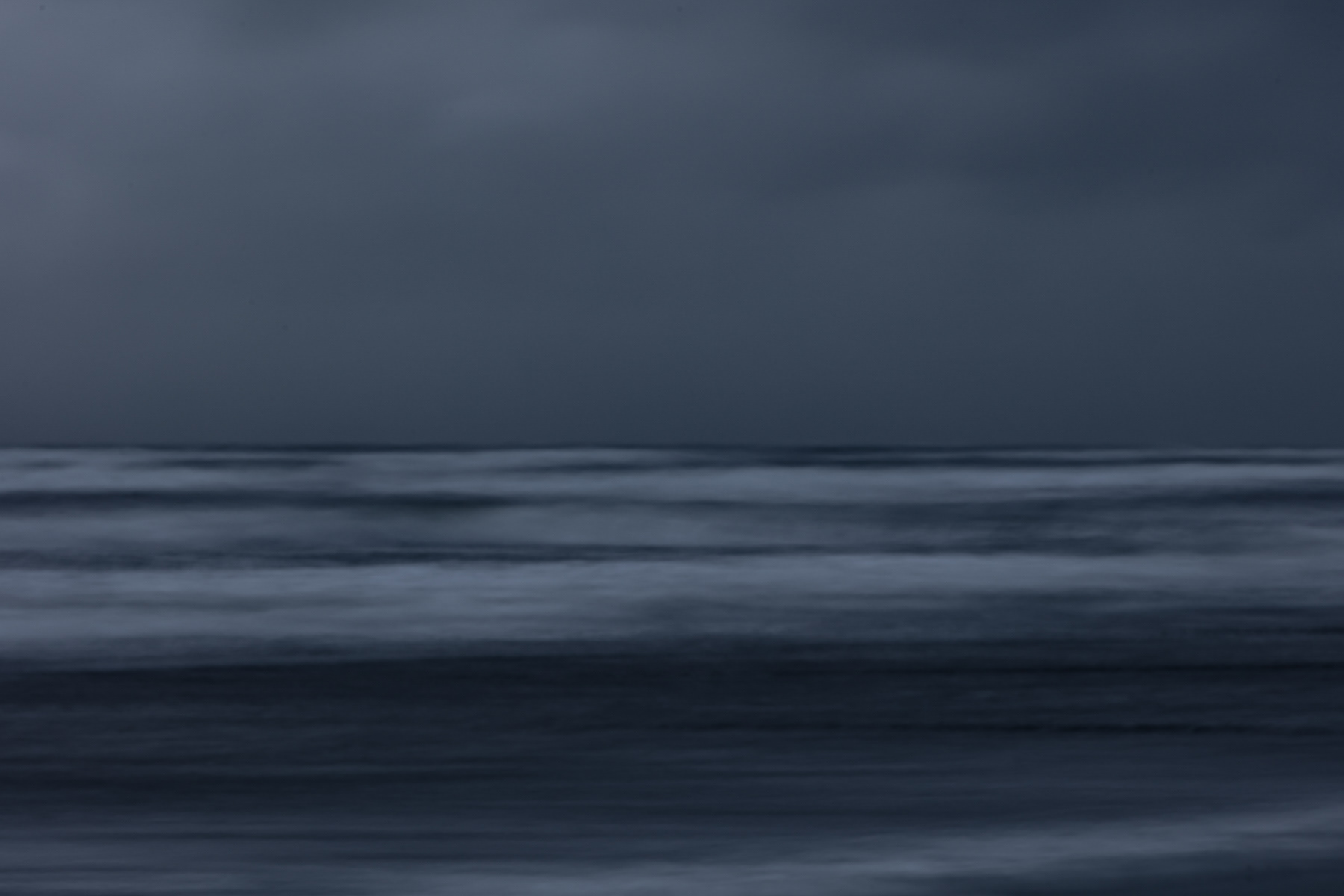
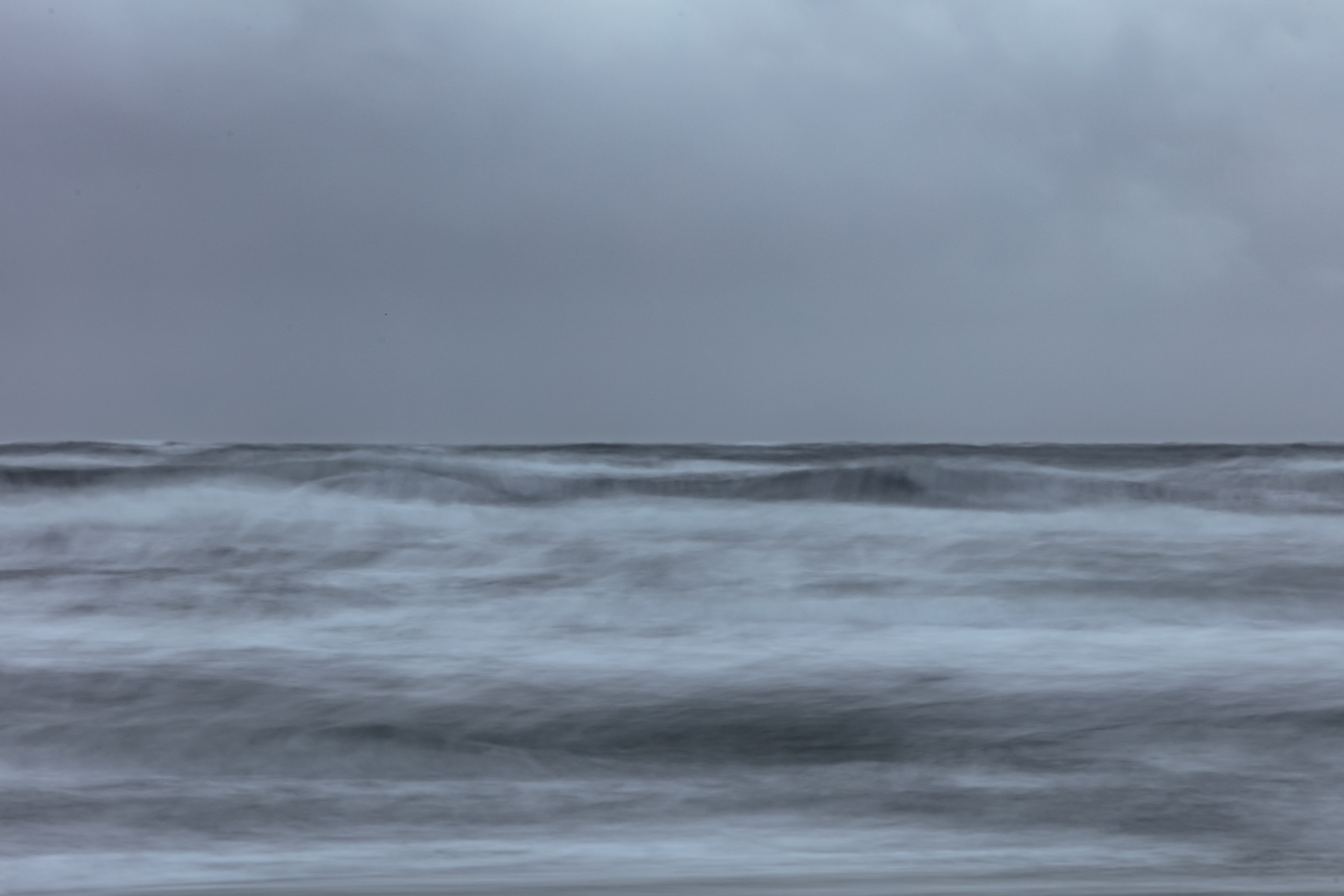
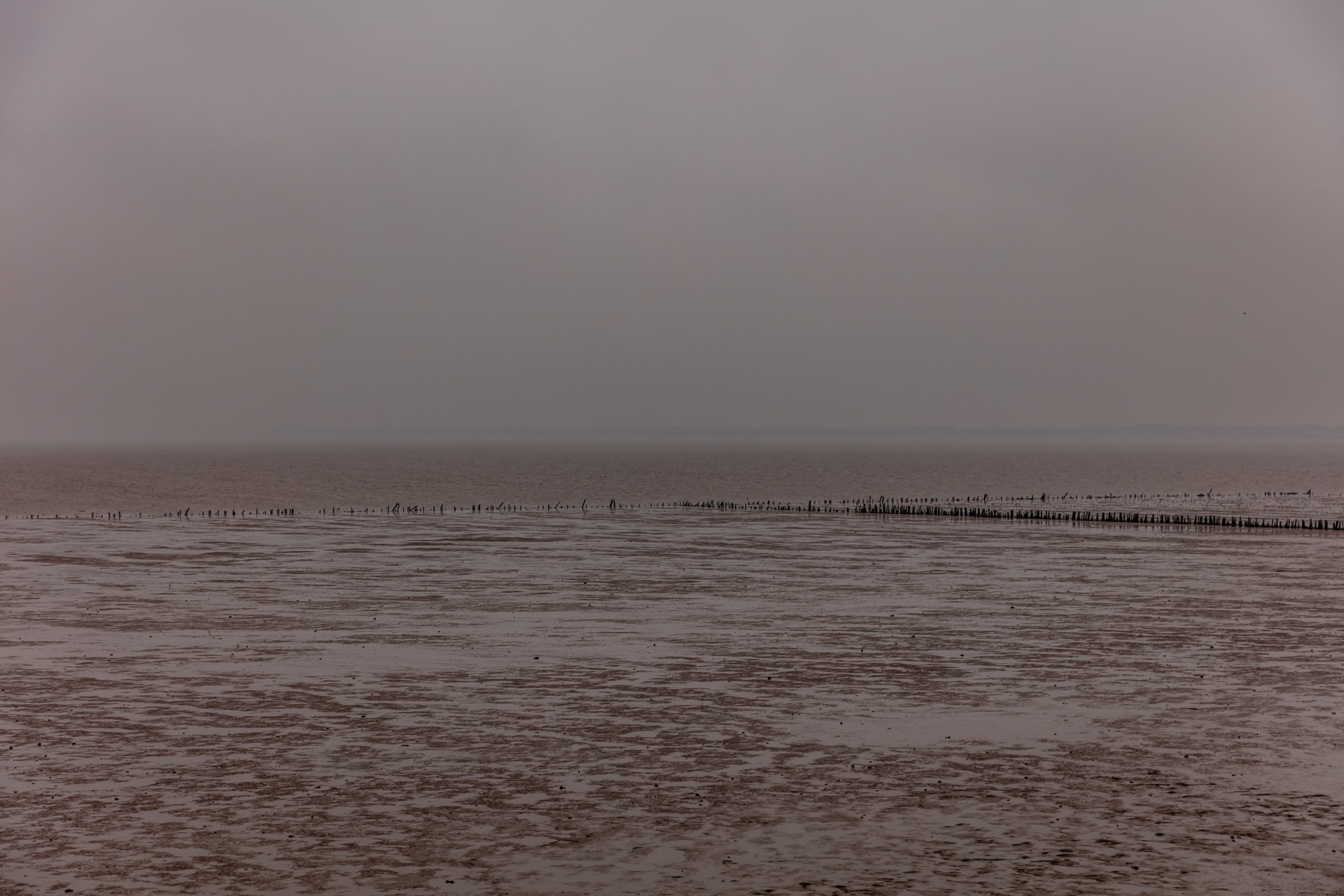
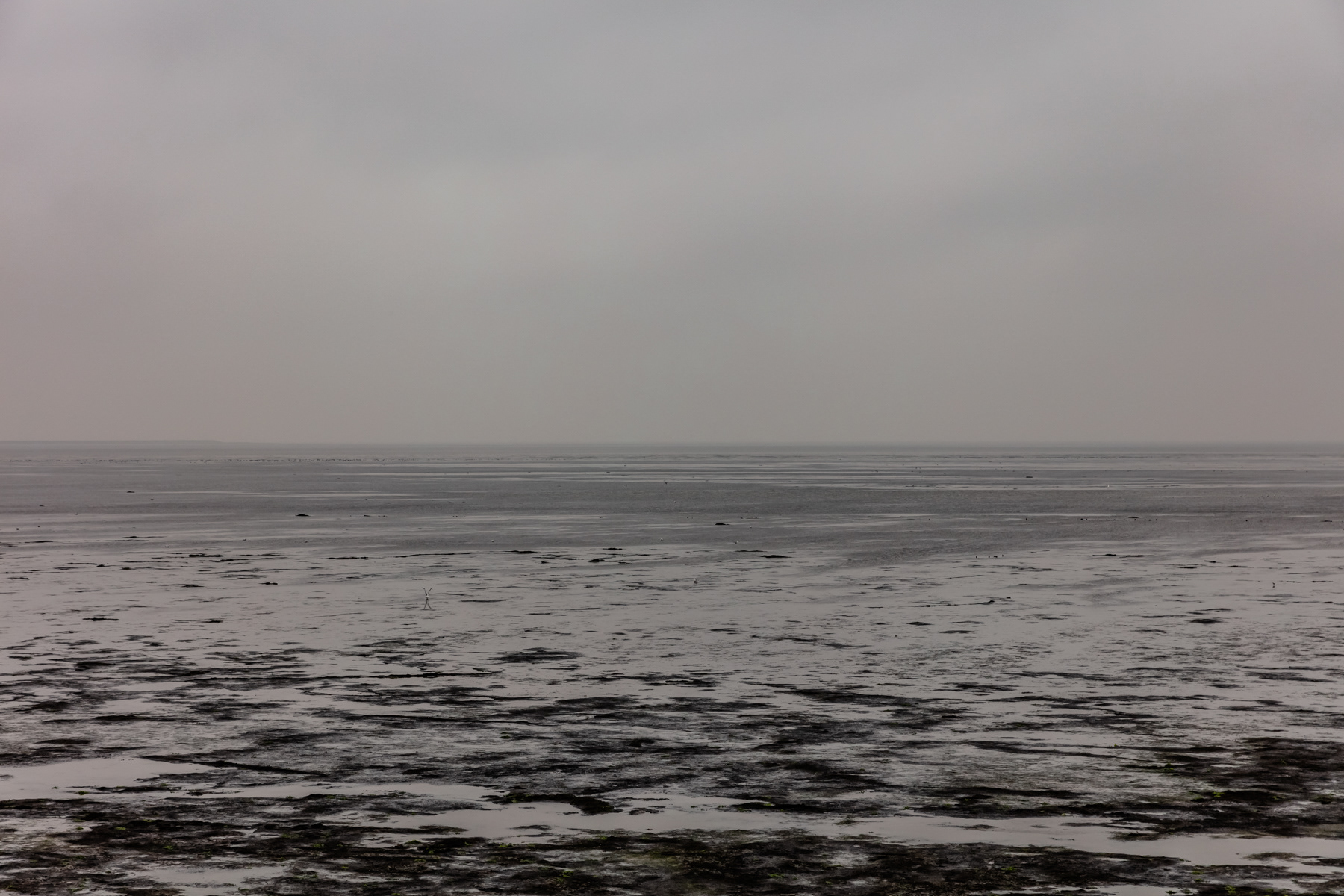
Seascapes – On Negativity, Perception, and the Sublime in Photography Landscape is not a given reality but an epistemic construction. What appears as the surface of the earth is already the result of an ordering operation of consciousness. The experience of vastness and infinity therefore does not point to the object itself, but to the limits of perception. The whole is not visible; it can only be encountered as an idea. Perception is fundamentally selective. It constitutes its object through framing, perspectivization, and exclusion. Visibility is not a mirror of the world but a historically and culturally contingent mode of meaning-making. Every epoch produces its own regime of the visible and predetermines what may appear as such. The subject does not see what is, but what can appear under given conditions. Photographic reality is therefore never a neutral document. It is the product of these conditions. The motif possesses no immanent meaning; it only becomes an image through the act of construction. Photography is not reproduction but the production of visibility. Its truth does not reside in what is shown, but in the reflection on its own conditions of possibility. The works presented here treat landscape not as place, but as a threshold phenomenon. Through radical reduction, everything contingent, anecdotal, and identifiable is excluded. What remains is a minimal constellation of surface, depth, light, and tonal value. This reduction is not an aesthetic gesture, but an epistemological necessity: only through the withdrawal of the object can perception encounter itself. The large-format image functions here as a medium of negativity. Its physical presence stands in tension with its apparent lack of content. Smooth, nearly homogeneous surfaces refuse immediate legibility, while their extreme precision undermines any notion of simplicity. Perception is destabilized. The eye finds no anchor in the object and is forced to turn back upon itself. This strategy constitutes a deliberate counter-position to contemporary image culture. At the end of the nineteenth century, the technical reproducibility of photography compelled painting to abandon its mimetic function and to investigate visibility itself. Today, this process is repeated within photography. Under the pressure of electronic image processing, visibility has become inflated. The image loses its capacity for experience and is reduced to information. The large-scale, decelerated image resists this logic. It interrupts the flow of images and establishes a situation of confrontation. It cannot be surveyed, consumed, or grasped at a glance. It demands duration, distance, and bodily presence. Seeing becomes effort. Within this effort, the sublime emerges as a negative experience. The sublime does not designate an object, but a situation in which the imagination reaches its limit. The apparent nothingness of the images does not operate as emptiness, but as resistance to conceptual appropriation. It withdraws from meaning, interpretation, and identification. In this situation, the subject experiences itself as limited. The habitual sovereignty of vision is suspended. The “I” loses its position as an ordering center and is displaced into an experience of excess and unavailability. It is precisely in this disturbance that a moment of truth appears—not as positive knowledge, but as insight into the limits of all knowledge. The large format intensifies this process. It generates a tension between proximity and distance, between physical presence and inaccessible depth. Space and time lose their orienting function. The image becomes a threshold where perception turns into imagination, and imagination into void. In this sense, the image does not represent transcendence—it enacts it. It does not present meaning, but releases an experience in which the subject loosens its attachment to its own categories. Aesthetic experience becomes the suspension of subjective sovereignty. Art here does not fulfill an affirmative function. It offers neither consolation nor meaning. Its task is negative: to suspend certainties, withdraw availability, and expose the subject to what resists comprehension. The sublime remains unsayable—not because it has not yet been articulated, but because it is, in principle, inarticulable. Landscape thus becomes the medium of an experience in which the visible marks its own limit. What appears refers to what withdraws from appearance. In this tension between presence and withdrawal, the truth of the image is constituted.