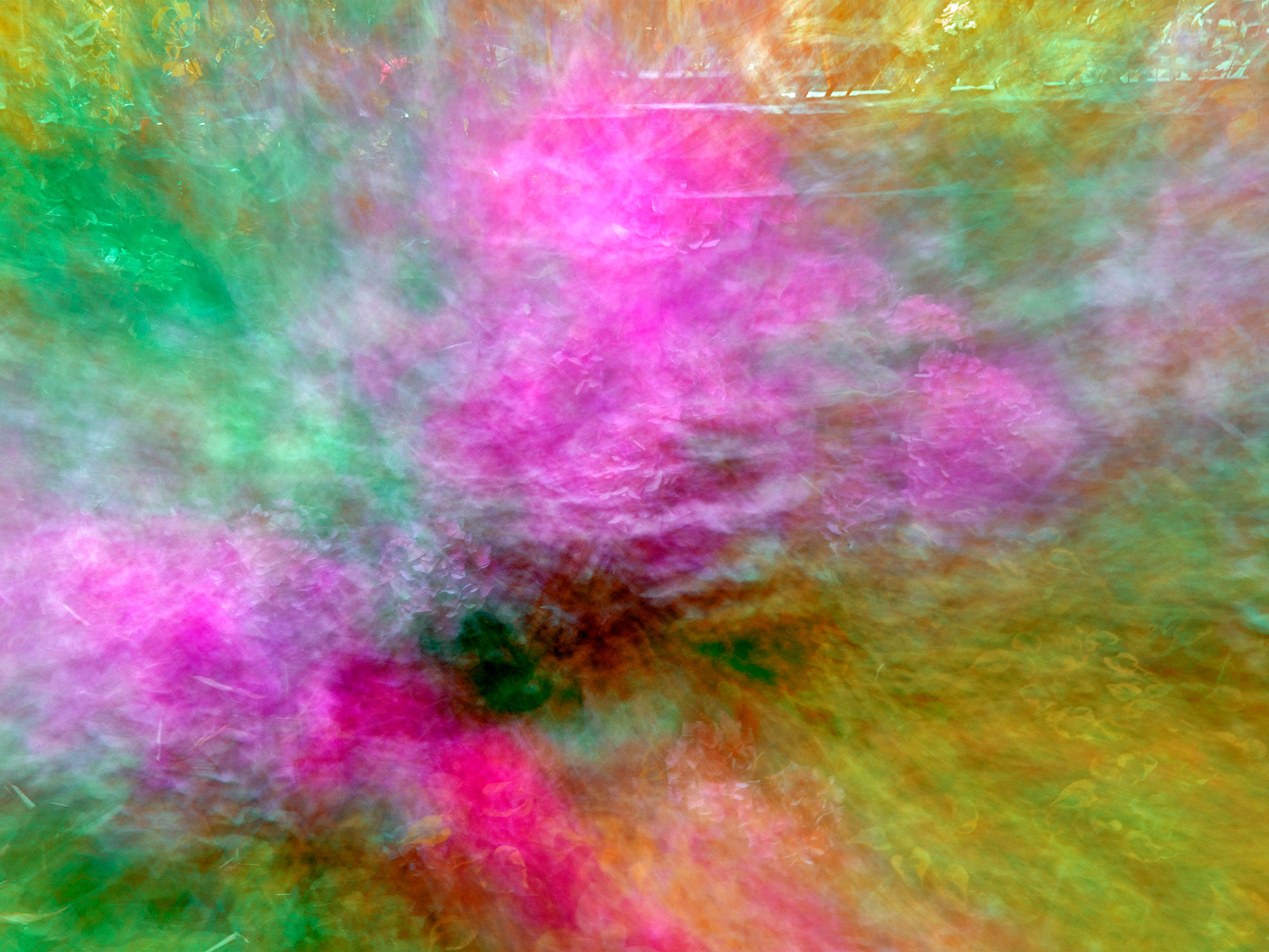
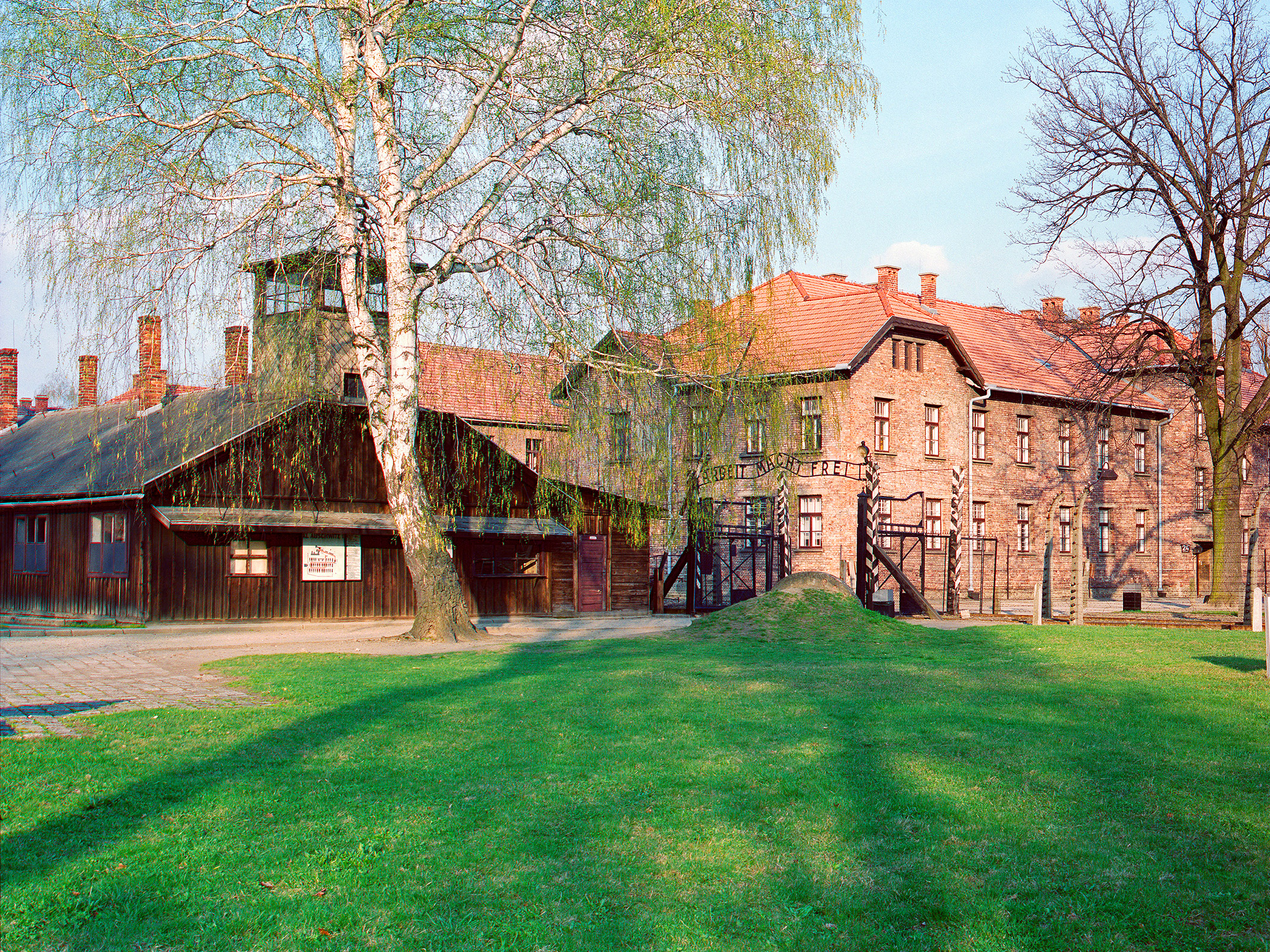
Desert
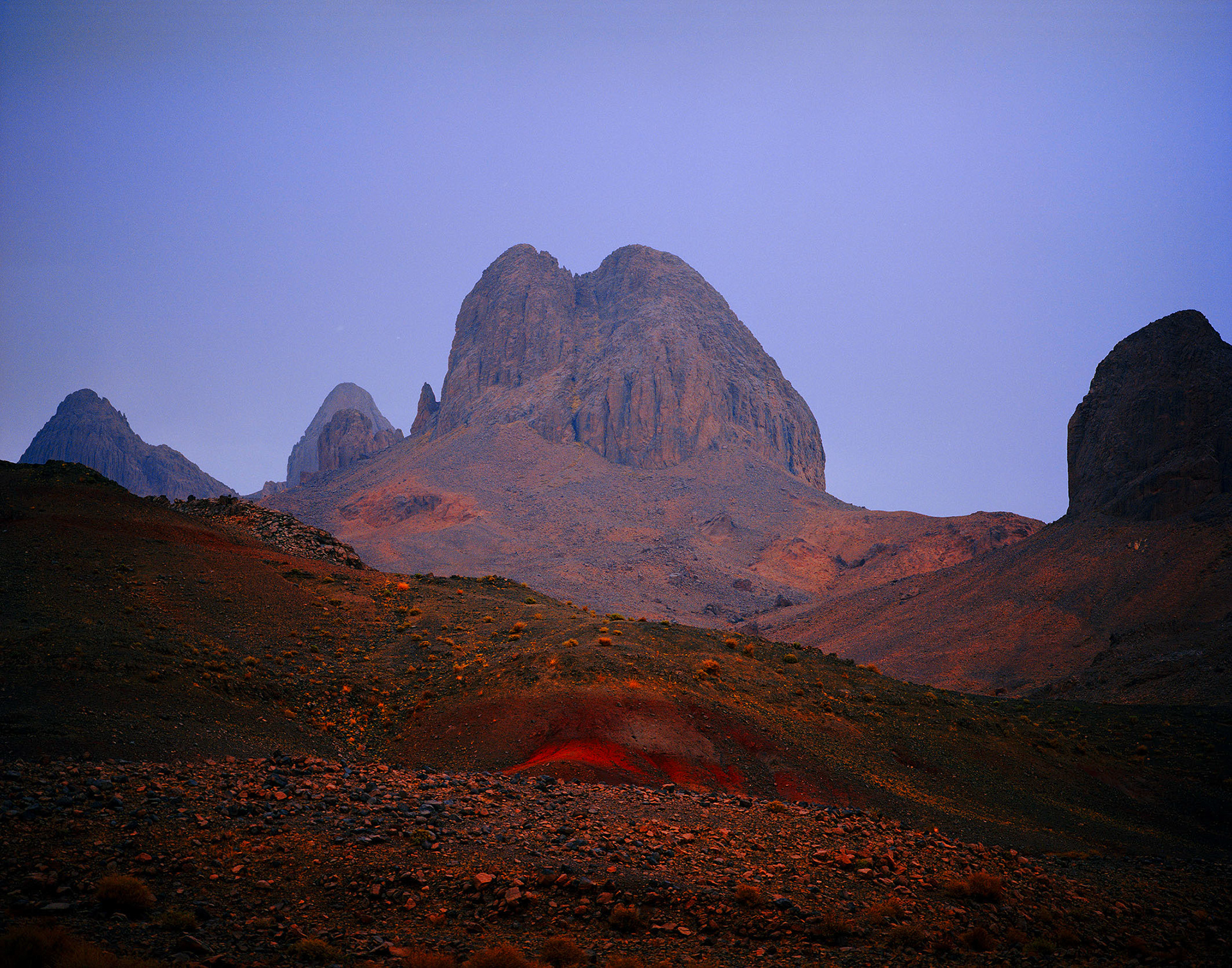
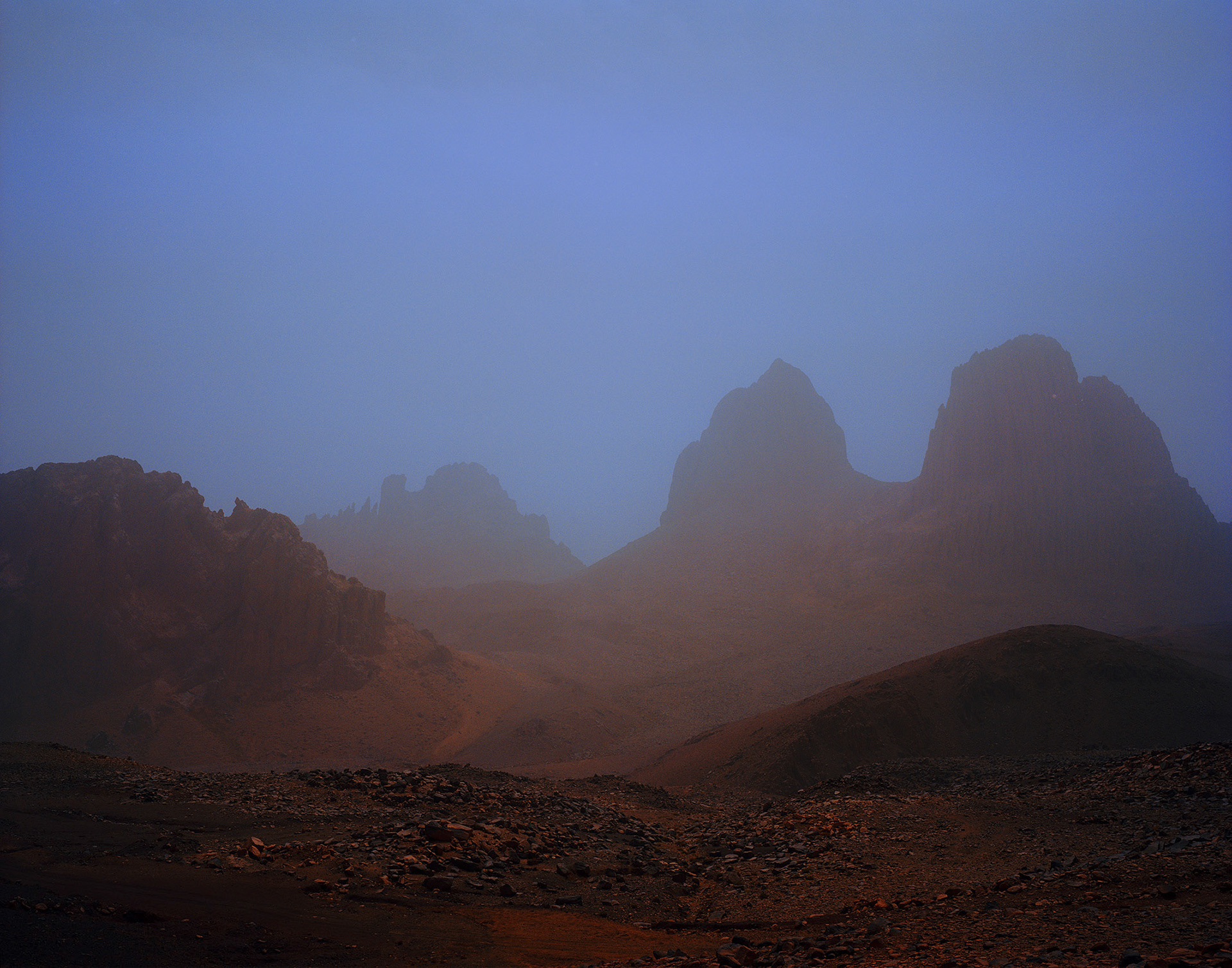
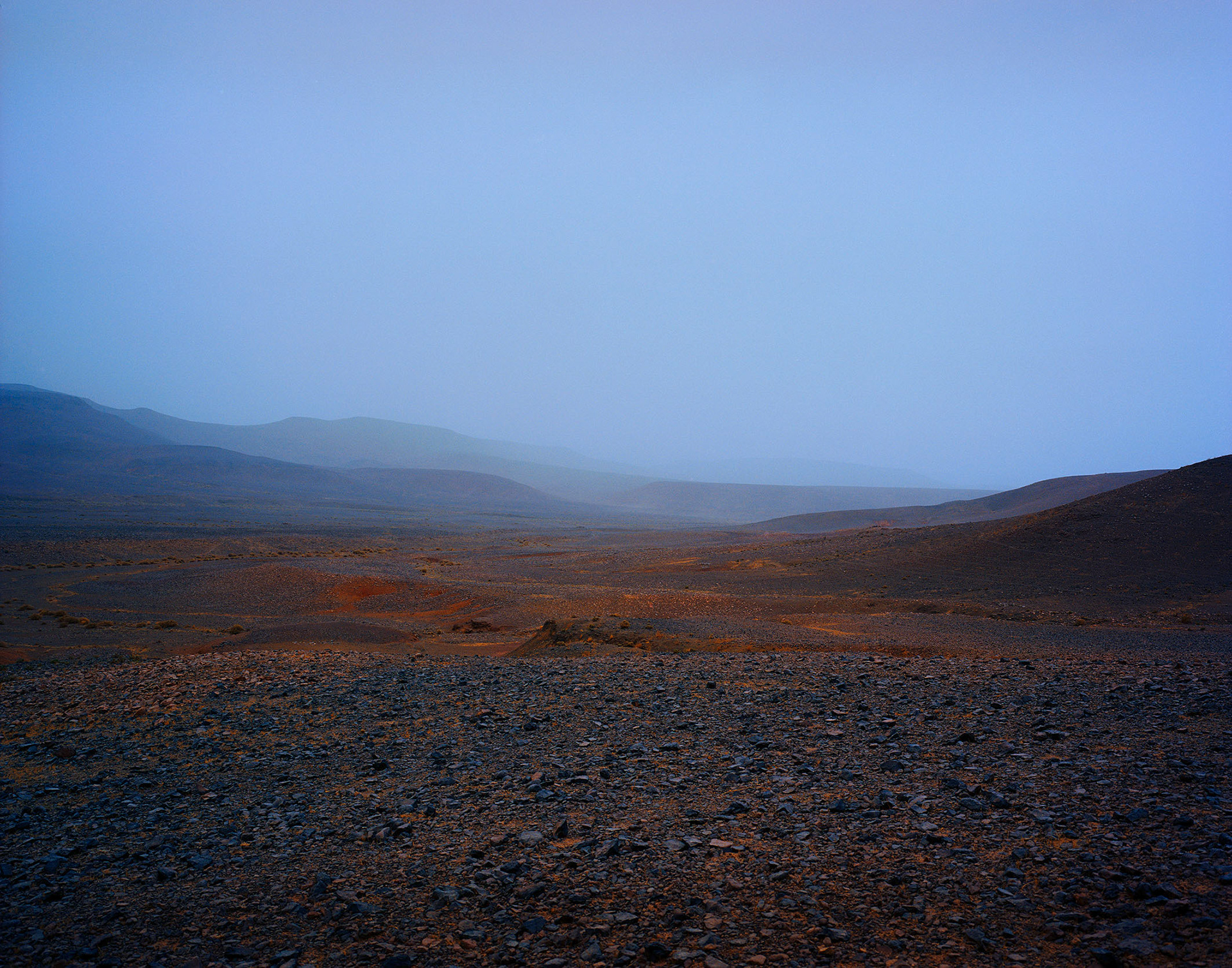
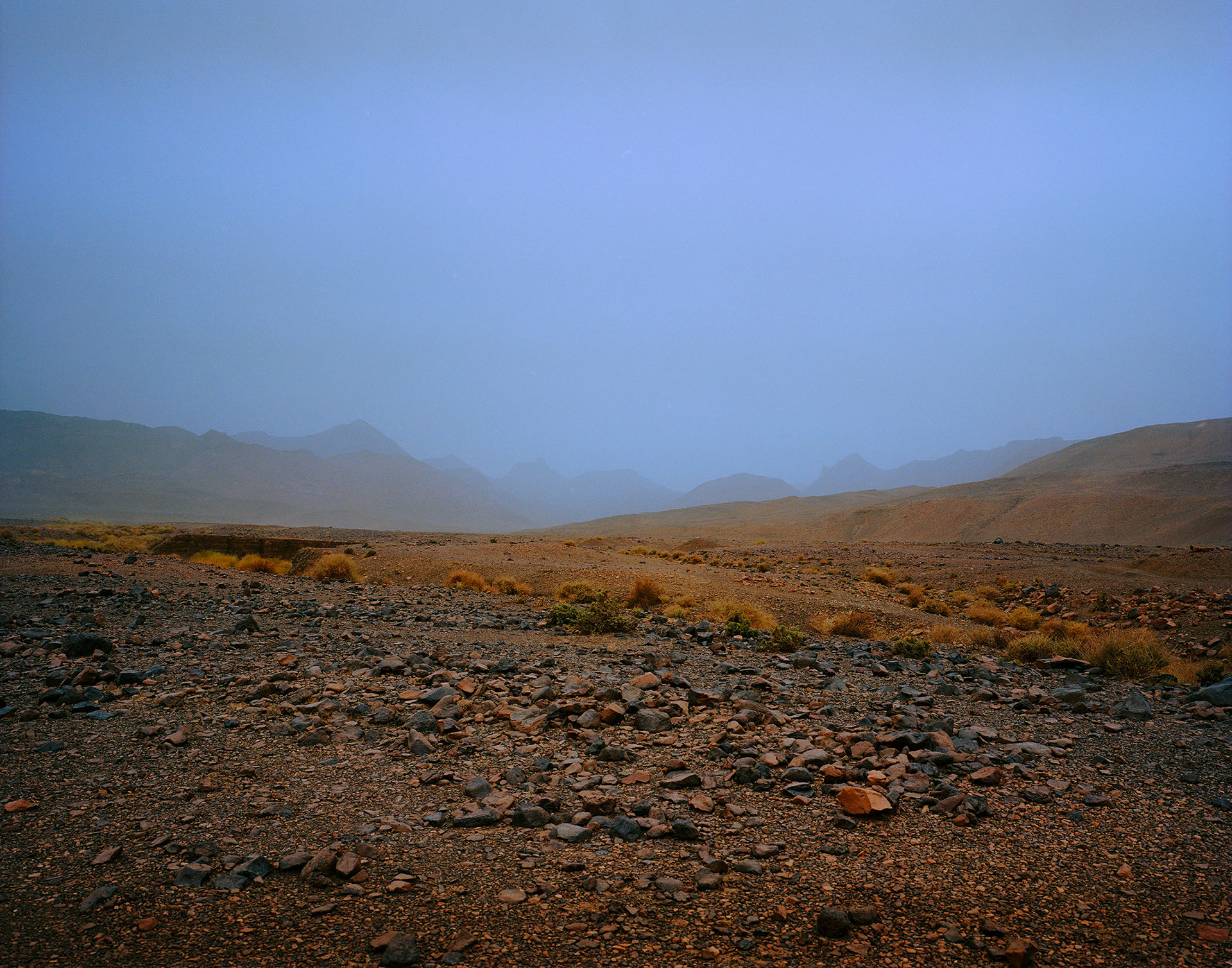
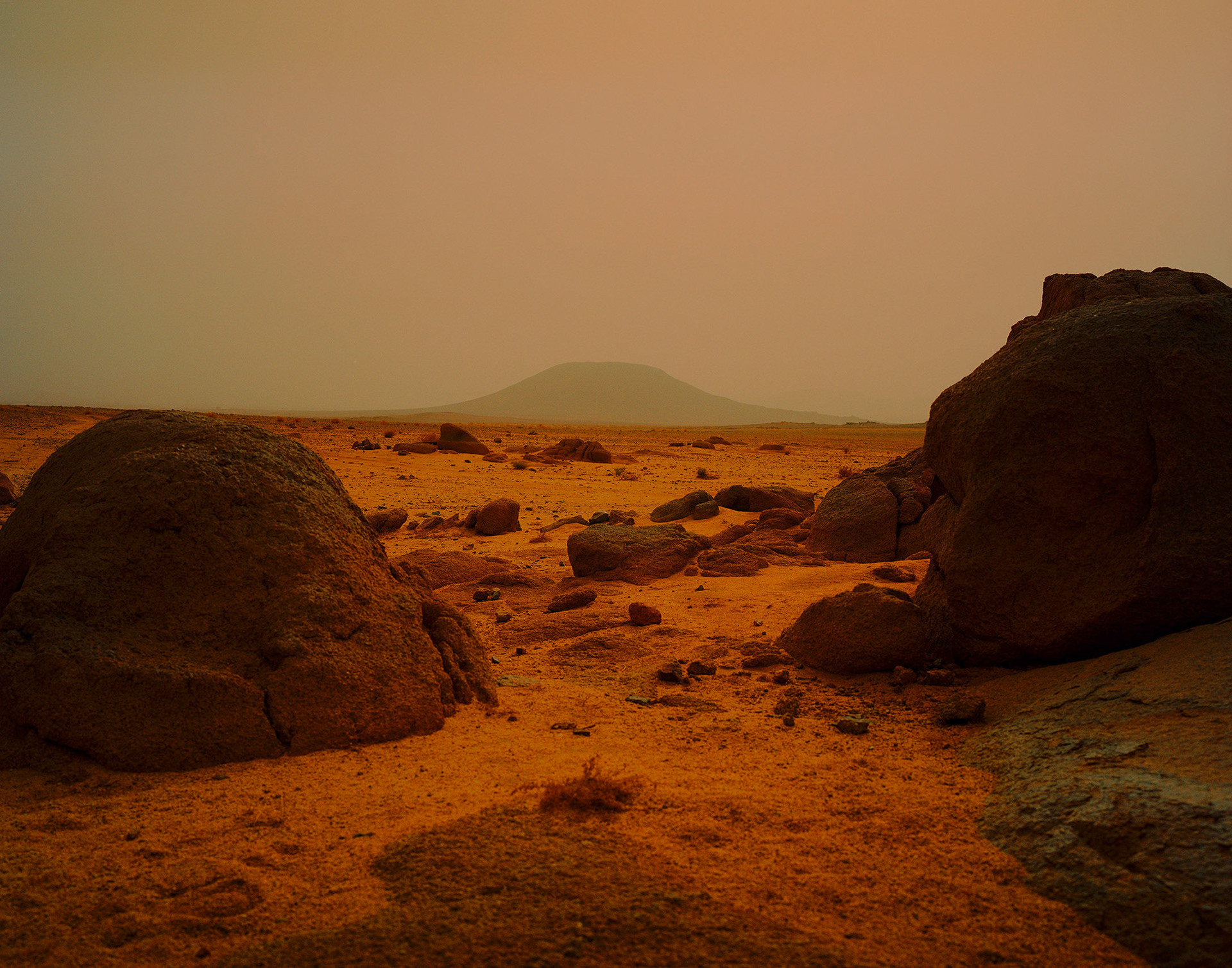
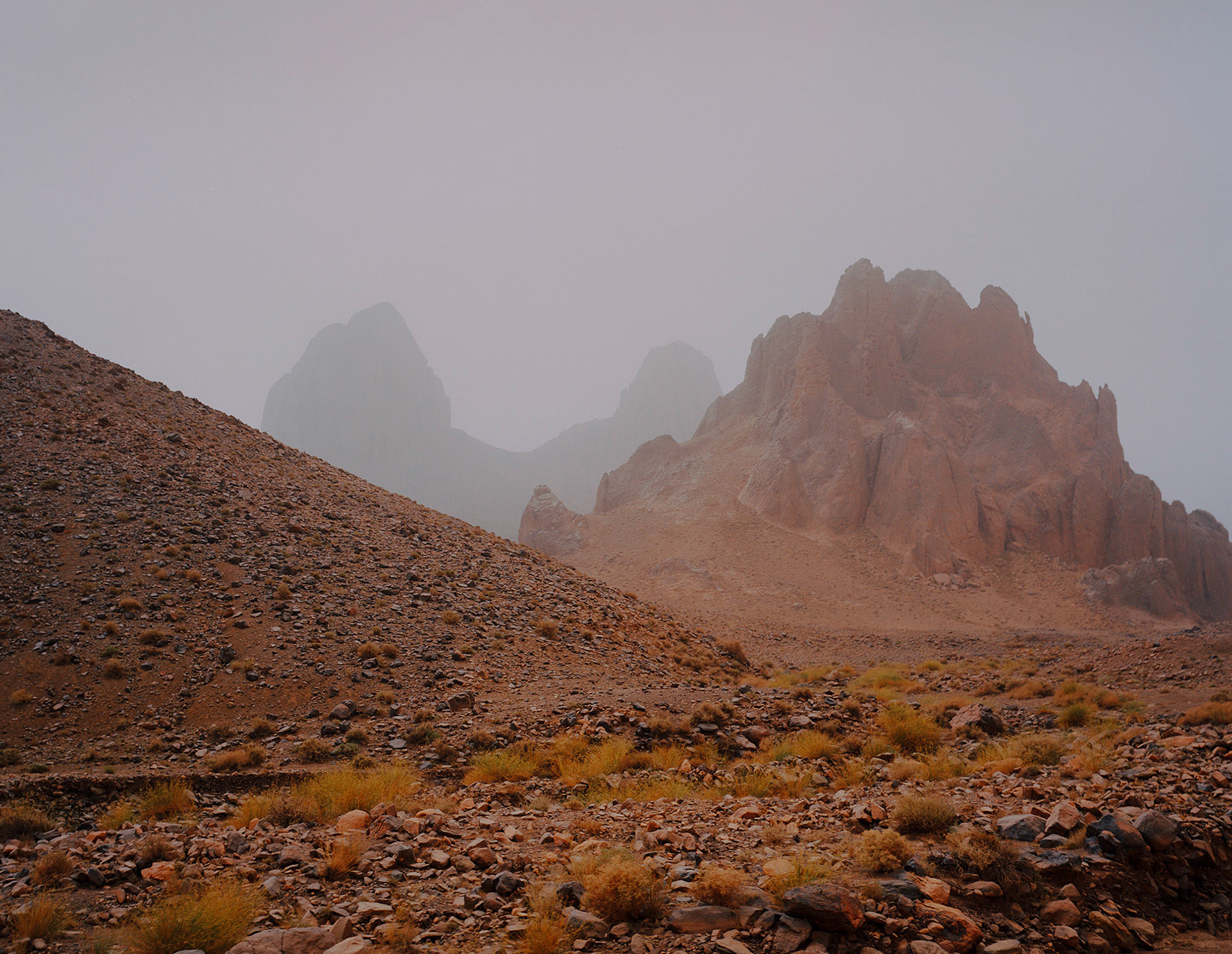
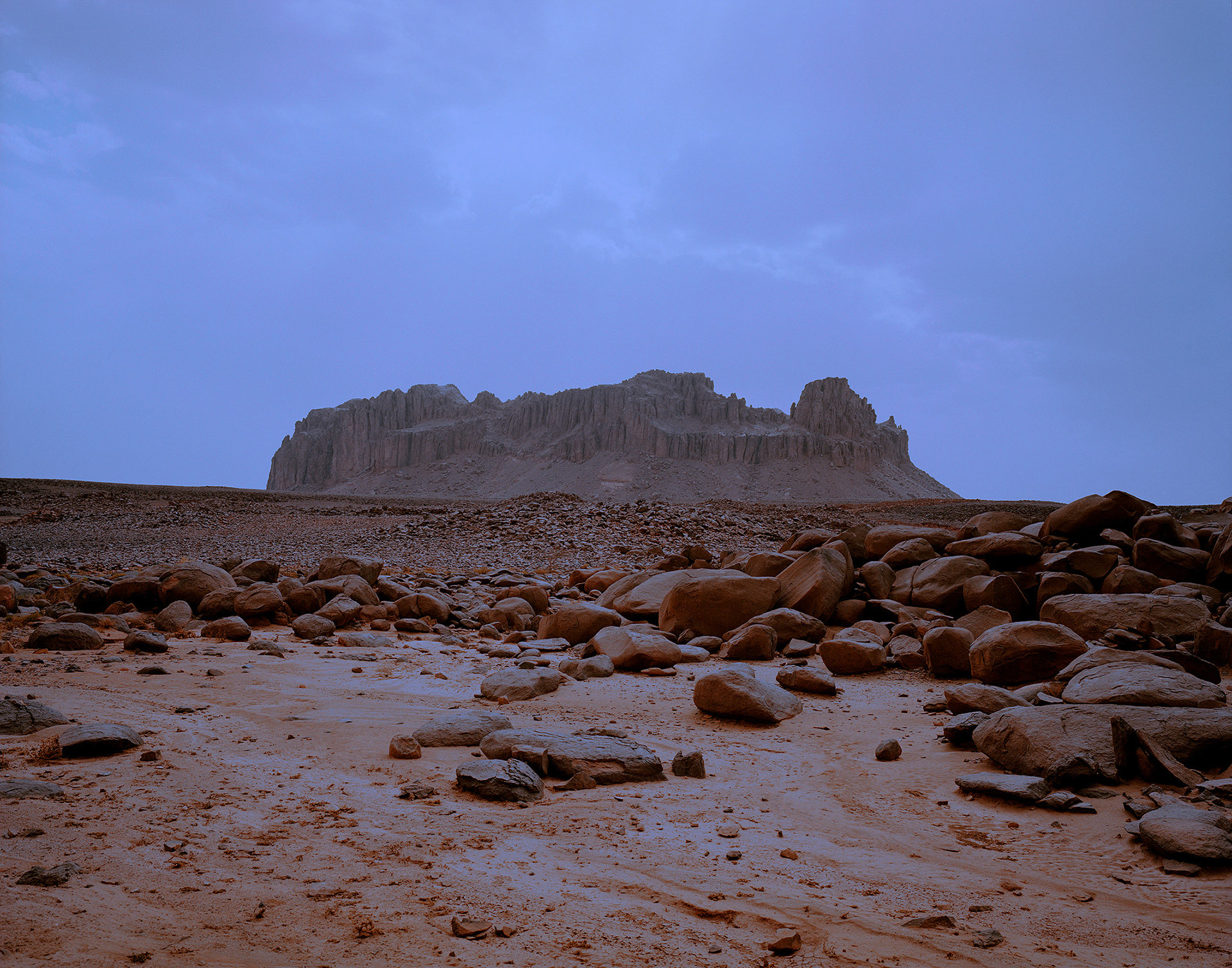
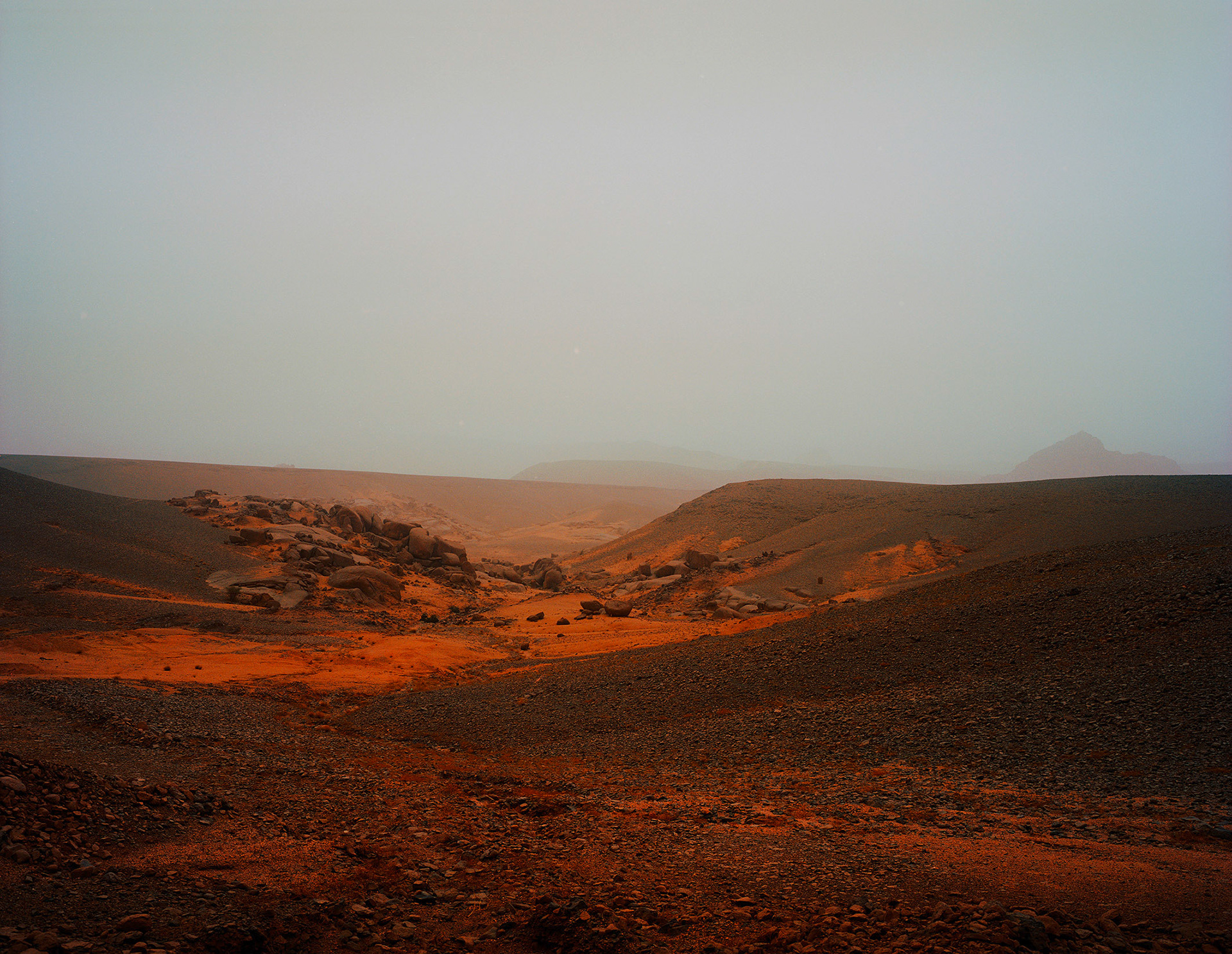
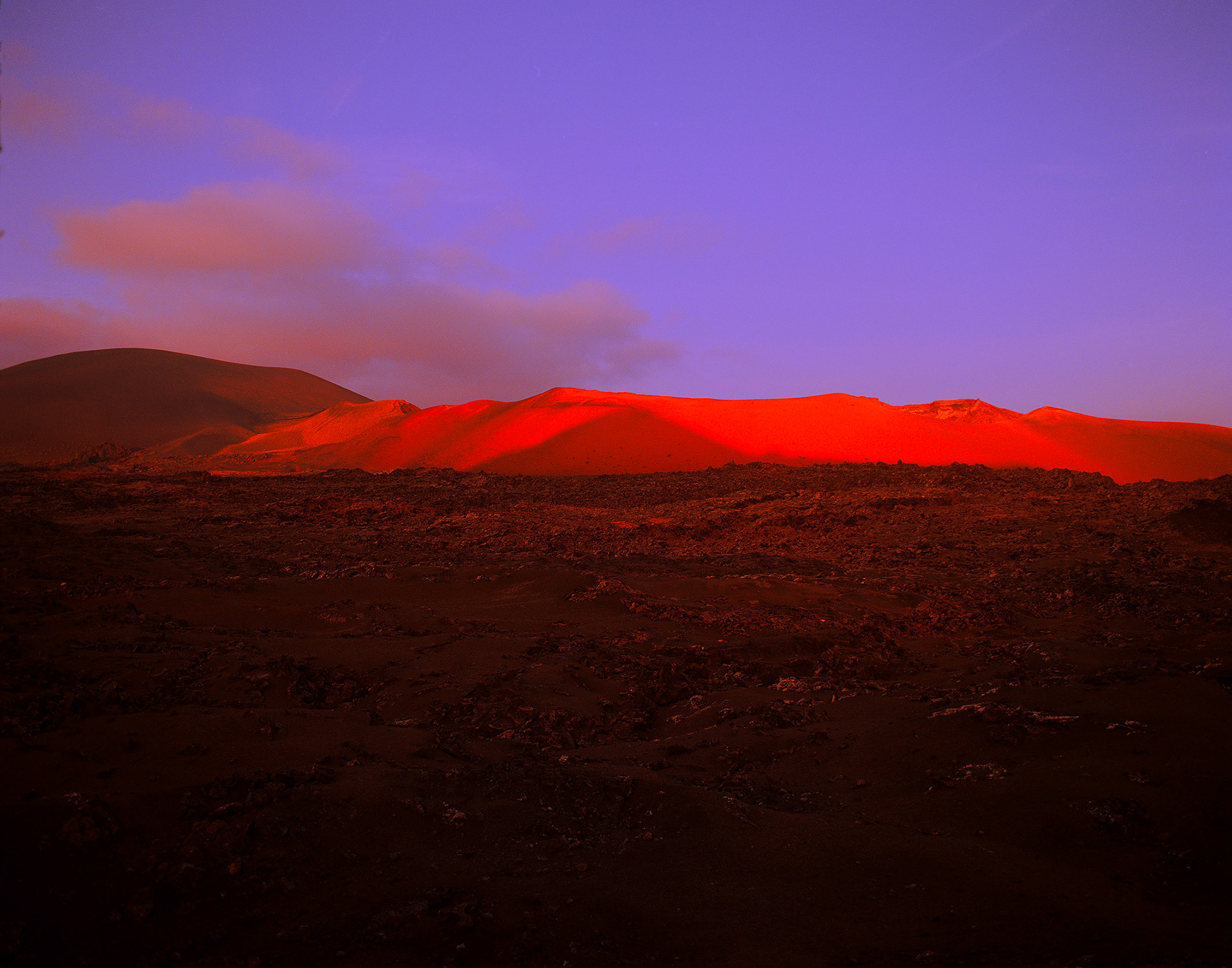
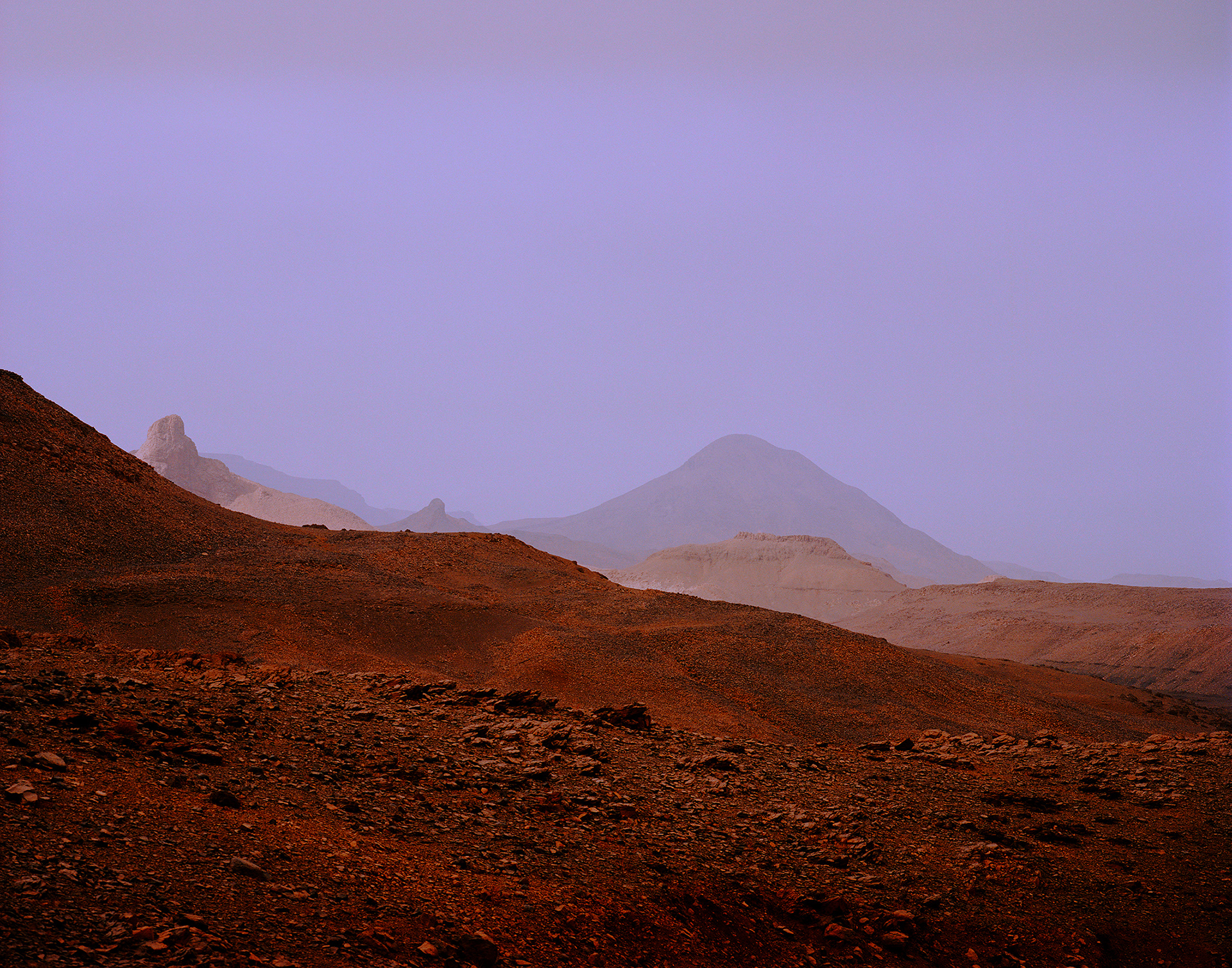
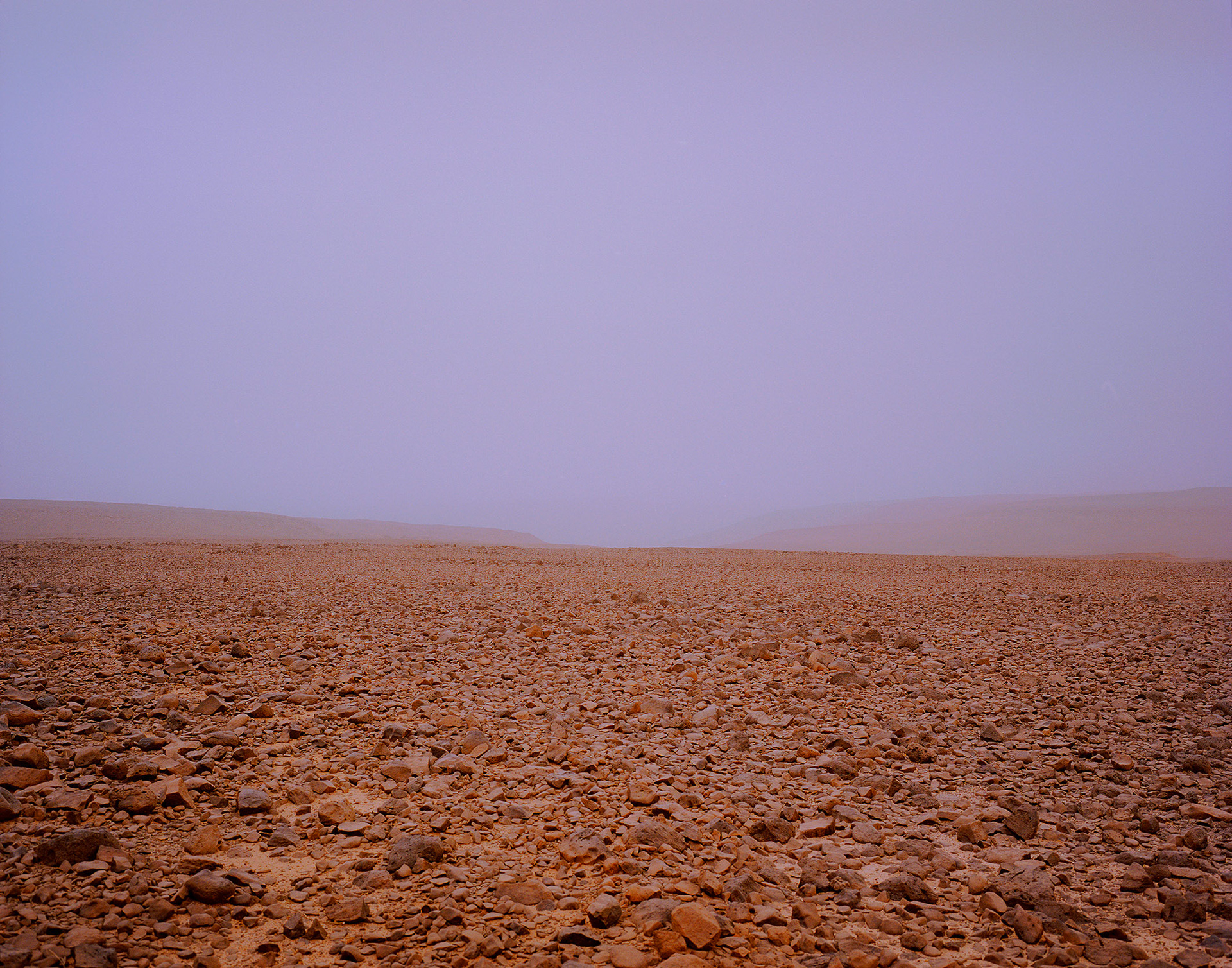
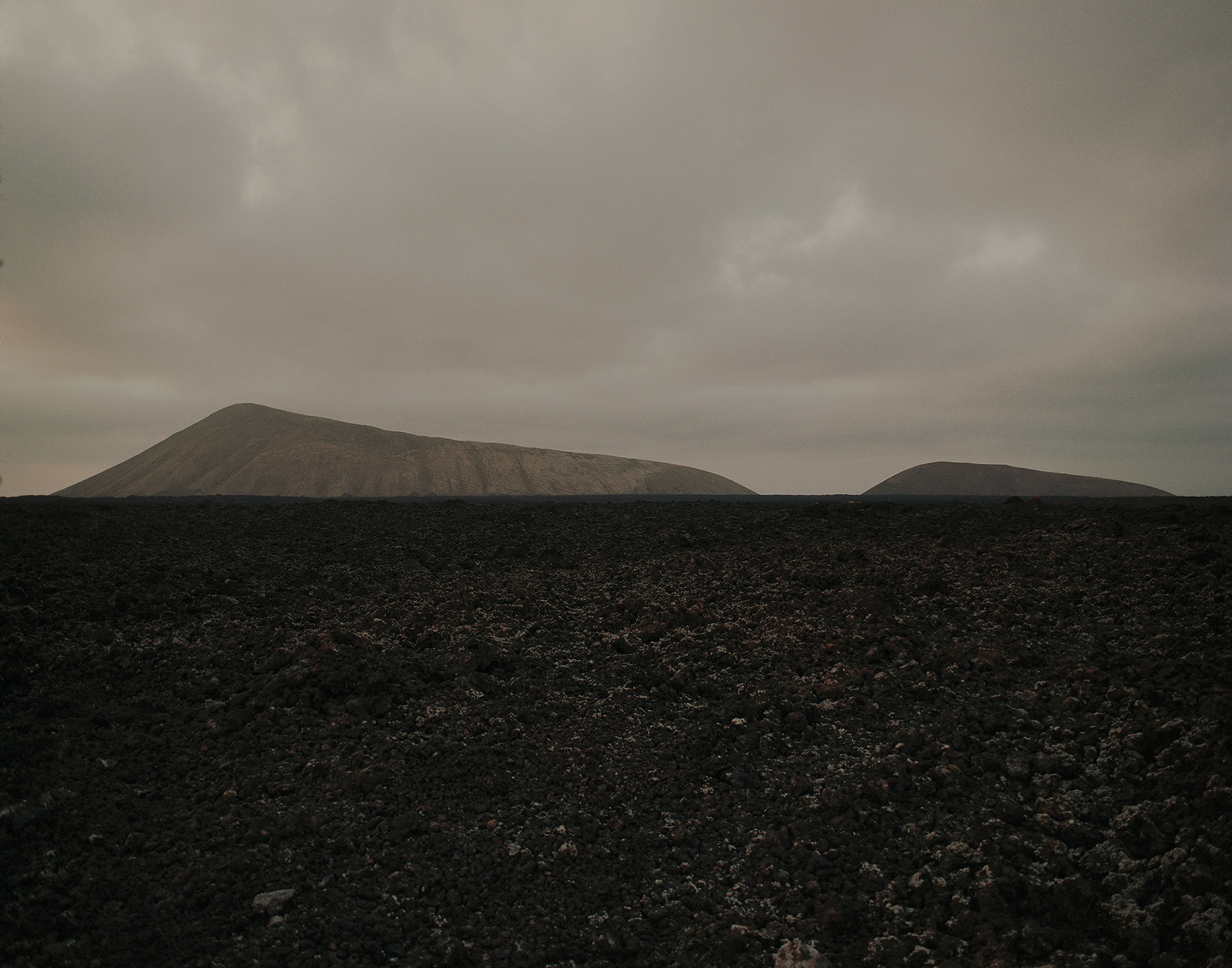
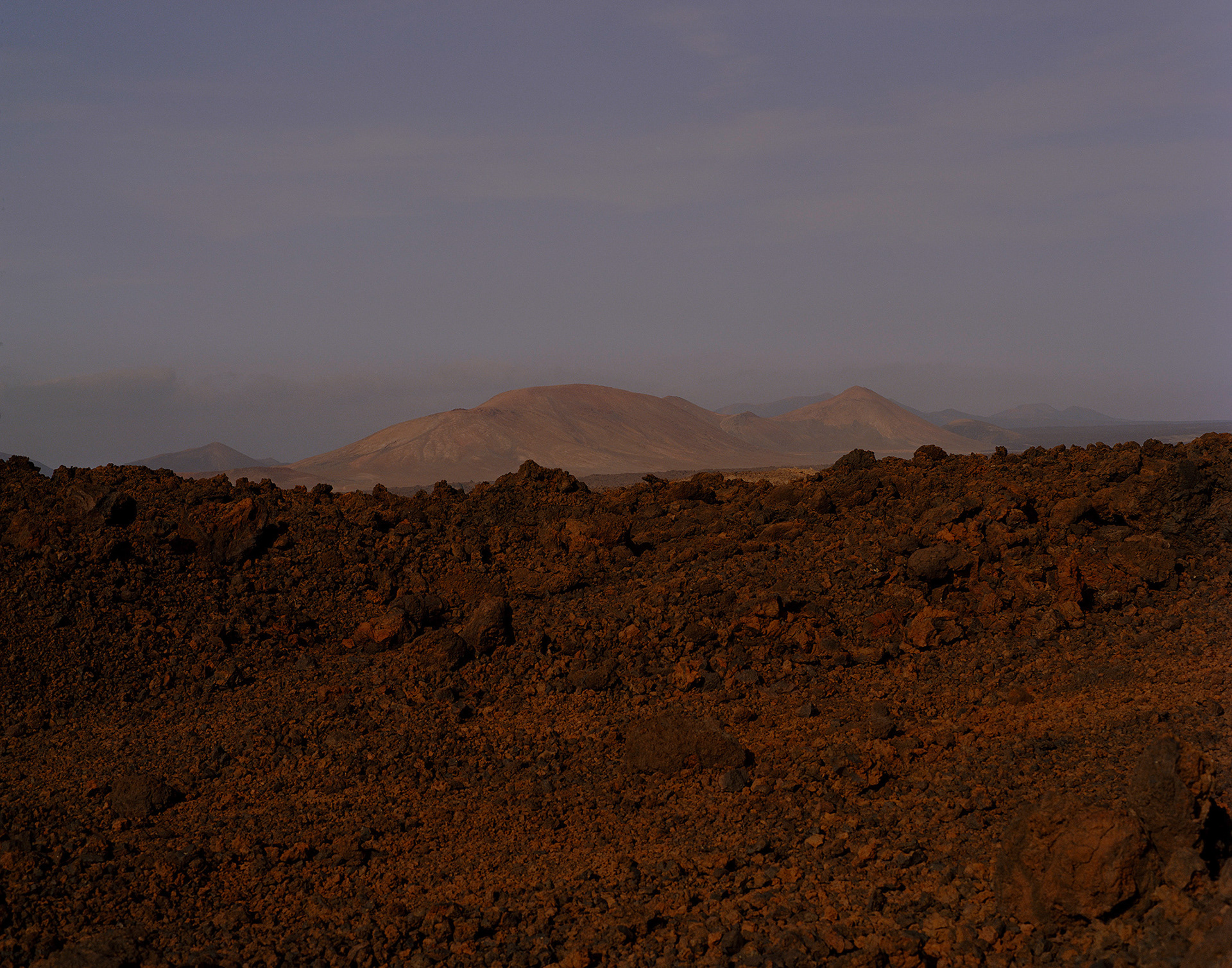
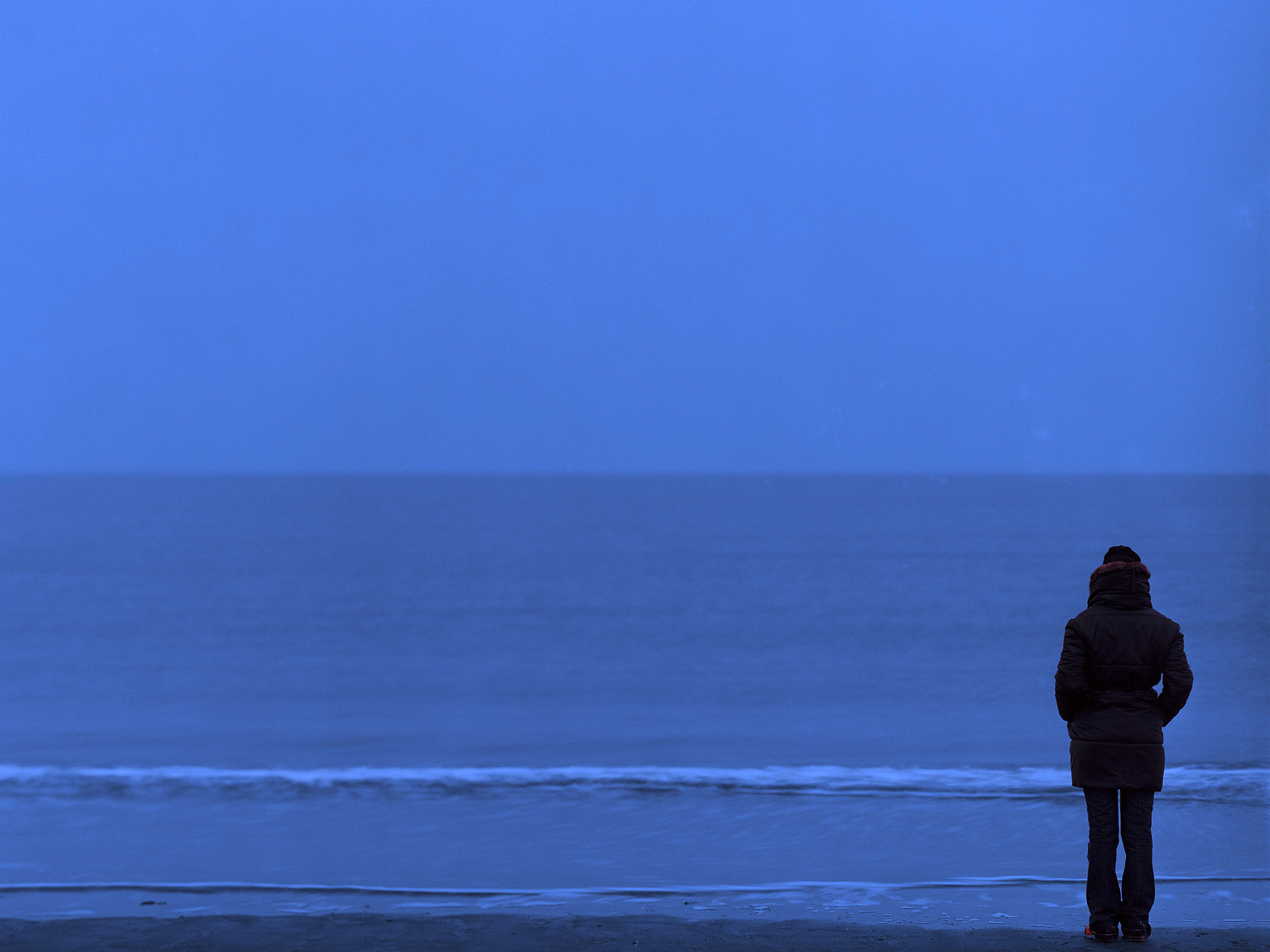
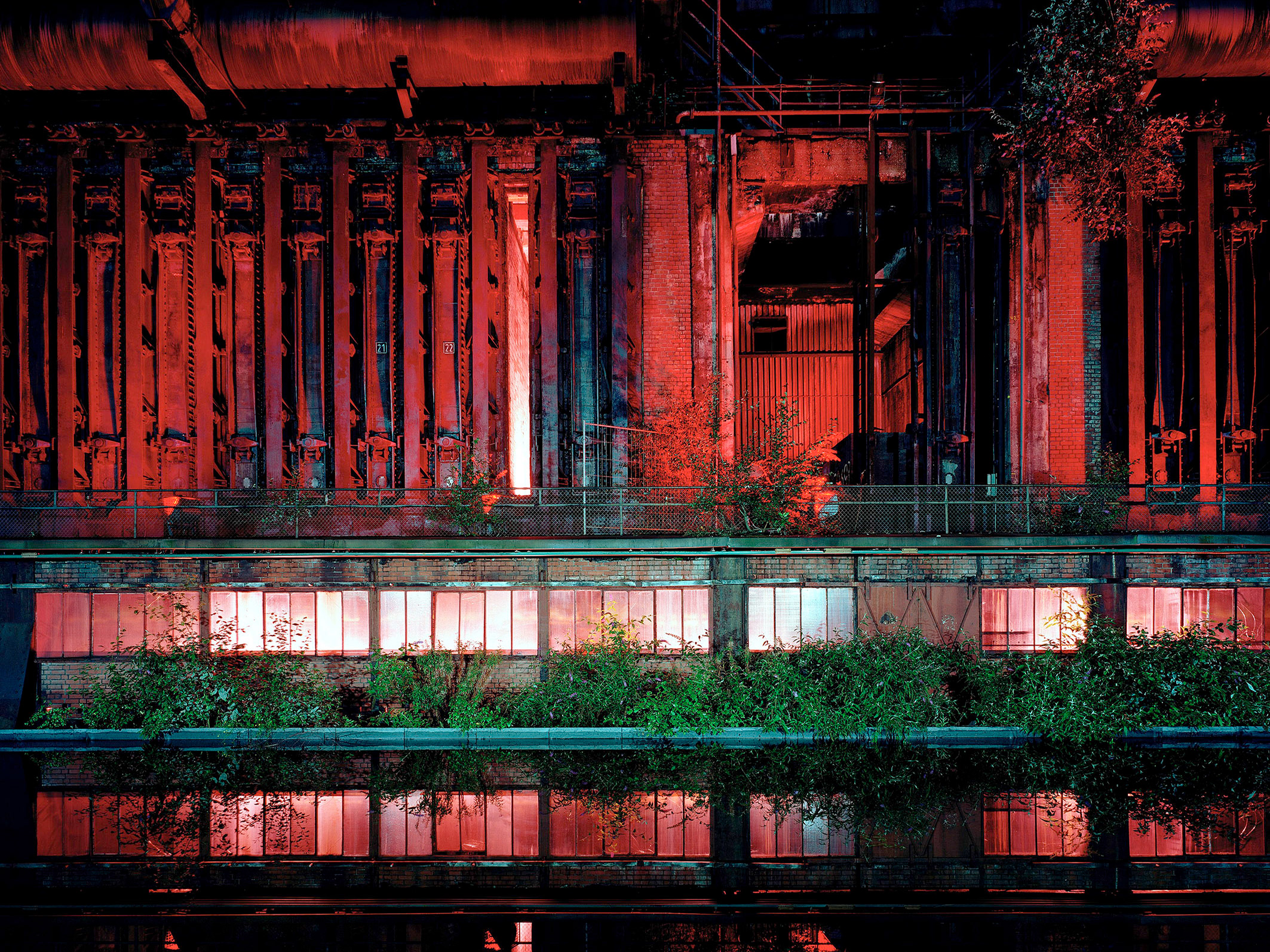
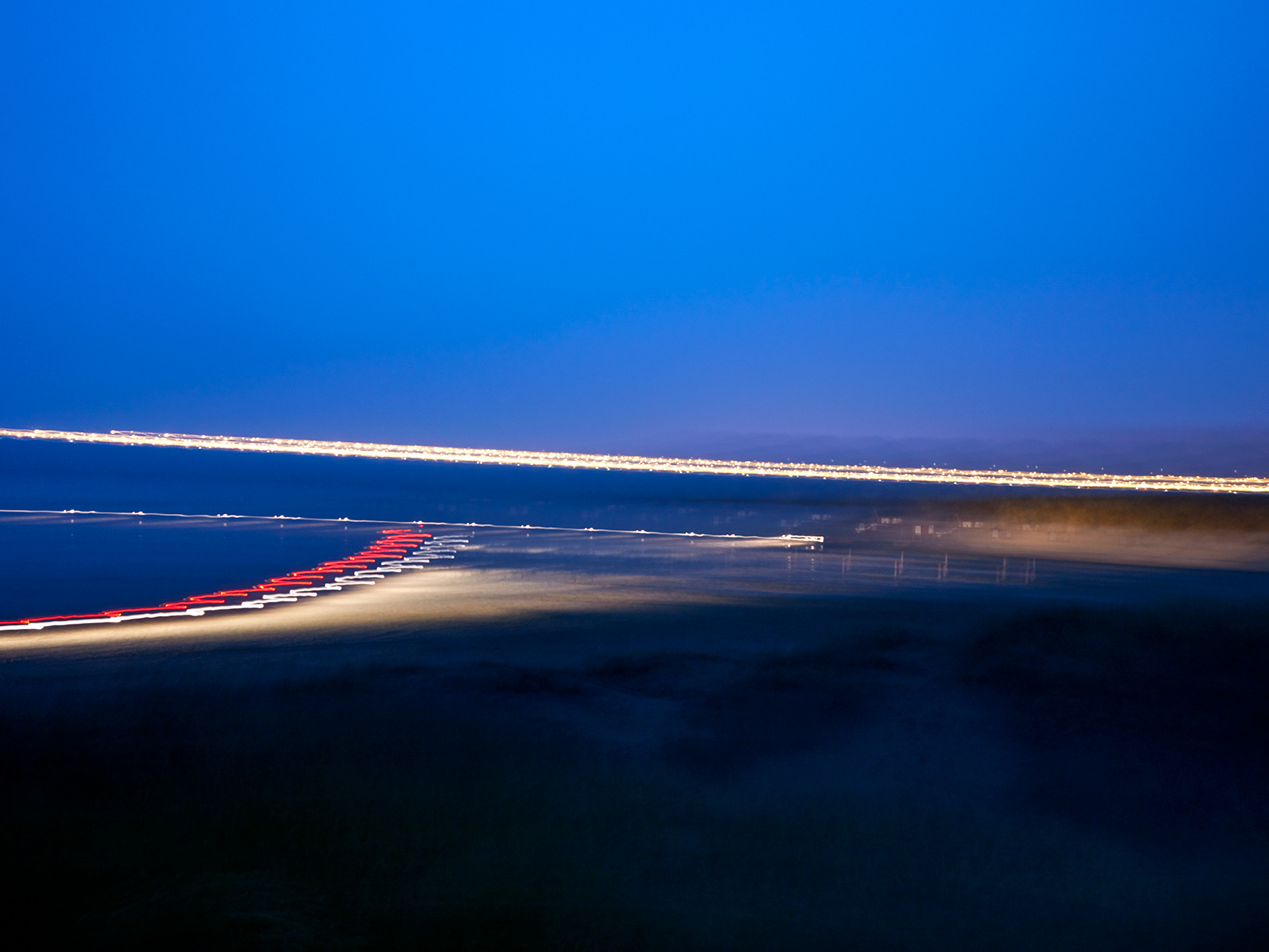
The present desert series is not to be understood as a landscape documentation, but as a spiritual experiment. Its darkness has no decorative function; it is methodological. It operates through withdrawal. What is denied to the eye generates a resonance within. Thus the status of the image shifts: it does not represent, it exposes. It does not show something – it suspends. In an era defined by the brilliance of visibility, in which everything appears present, functional, optimized, and available, a radical counter-movement emerges here. The world, as it presents itself in external light, gains surface and loses depth. Brilliance without love. Structure without transcendence. Efficiency without interiority. The human being proves astonishingly adaptable: intelligence, survival instinct, and systemic flexibility ensure continuity within a functional order. Yet this very adaptability conceals a silent danger – the gradual erosion of openness to the invisible. The darkness of these photographs is therefore not an aesthetic effect, but an anthropological statement. It marks the disappearance of a world that could still be conceived as a dwelling place for God. Not that God disappears – for as the source of all that is visible and invisible, He cannot vanish. He is not an object among objects, but the ground upon which all rests. Timeless, spaceless, unlocatable – and precisely therefore present in all things. Yet the human being can withdraw from this presence. Through a form of thinking that presumes to comprehend everything. Through a free will that chooses brilliance. Here lies the decisive point: love does not impose itself. A God who forces Himself would contradict the very nature of love. He remains, but He does not compel. His restraint is not a lack of power, but the expression of His essence. Within that restraint lies the possibility of night. This series positions itself precisely at that threshold. It is already night in the desert – and yet silhouettes remain faintly visible. Lines of recognition not yet entirely erased. The images hold the moment before total disappearance. A pause before complete blindness. In this context, the mystical insight of Johannes vom Kreuz gains philosophical precision. The transformation of the human being does not occur through accumulation, but through dispossession. Only when all striving, all self-projection, all securities are relinquished does the heart become formable for the divine. The “dark night” is not a mere metaphor; it names a real experience of interior emptying in which self-made light is extinguished. Not in order to end in nothingness, but to become receptive to another light. Here this photographic practice touches the inner architecture described by Antoine de Saint-Exupéry in La Citadelle. The human being is not shaped by outward magnitude, but by fidelity within the invisible. The true citadel is built inwardly – through gathering, through the ordering of the heart. The desert is the space of this gathering. Can a finite image lead toward the infinite? Logically speaking: no. An image remains material, bounded, temporally determined. It cannot contain or reproduce infinity. Yet it can – and herein lies its true force – bring the human being to the edge of perception. It can establish a threshold. The passage itself does not occur within the image, but within the beholder. When the image no longer offers fullness, when it withholds narrative security, the viewer is confronted with himself. In that confrontation arises the possibility of conversion. Not as moral instruction, but as ontological movement: away from the demand to control everything; toward the willingness to be formed. Grace remains gift. It cannot be aesthetically produced. Yet the disposition in which it may be received is not insignificant. Contemplation, devotion, relinquishment – these are not sentimental states, but existential acts. In them the heart becomes permeable. Thus the urgency of this series becomes clear. It does not loudly proclaim truth; it does not persuade by argument. Its force lies in the consistency of its silence. It refuses the brilliance that blinds and opens a darkness that clarifies. It shows a world on the verge of forgetting – and at the same time the last possibility of remembrance. What occurs here is more than aesthetic experience. It is a situation of decision. The human being stands before the image as before himself. He may remain within brilliance – or enter the night. In the night he loses his securities. But perhaps he regains his heart. And when that heart relinquishes, grows still, becomes ready – then the light that never imposes itself may enter. Not as effect. Not as proof. But as truth – which, once recognized, no longer releases him.