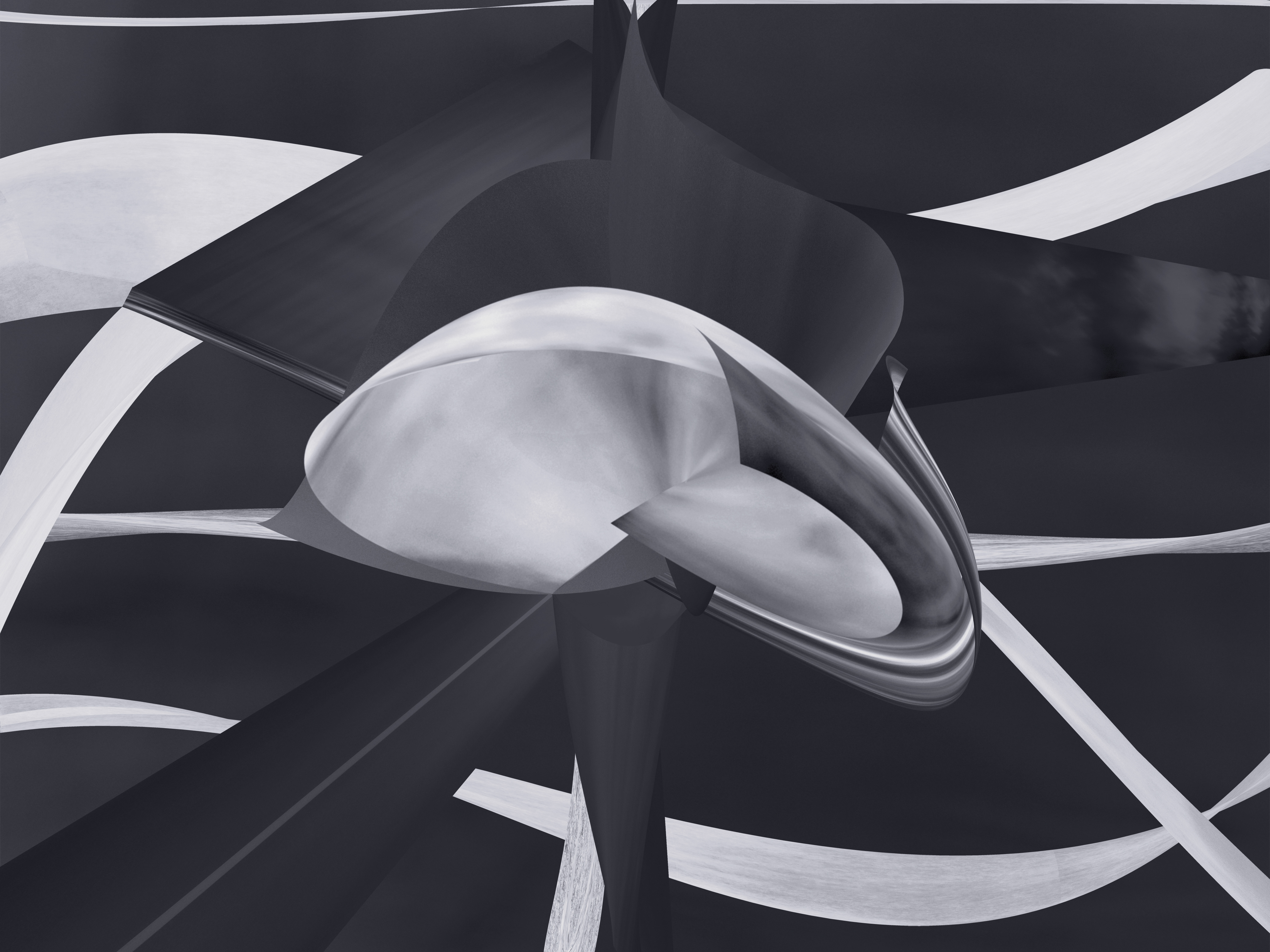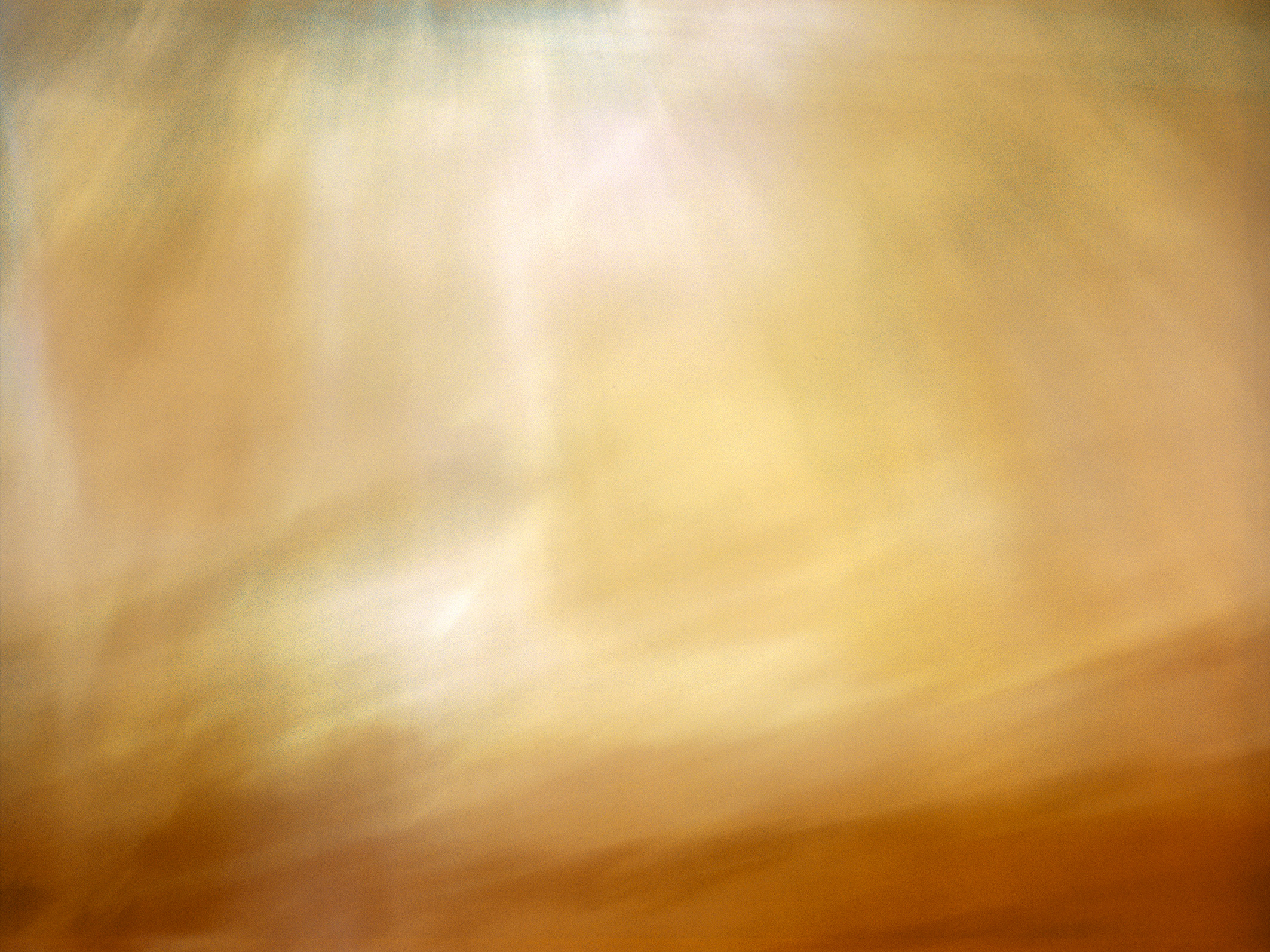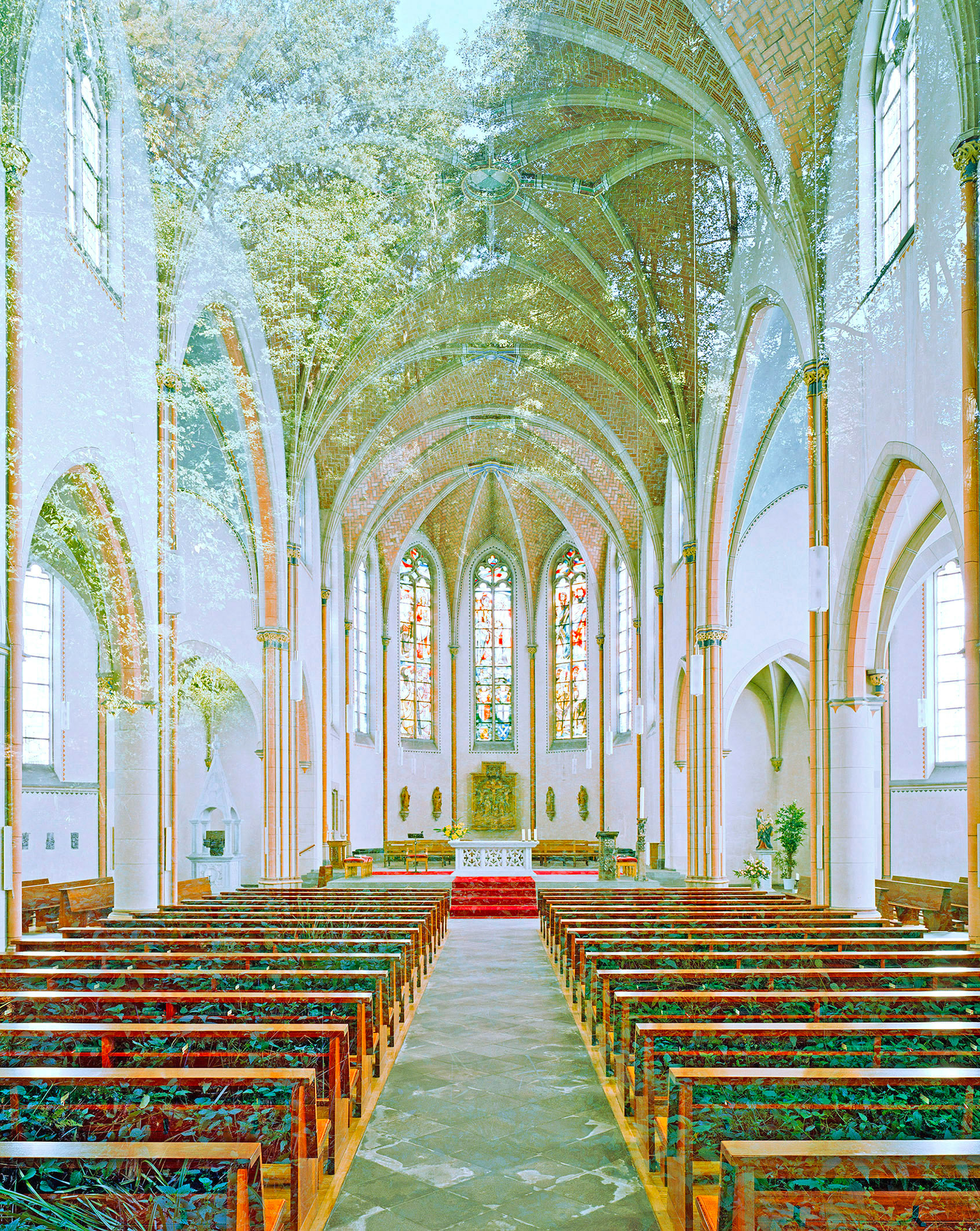

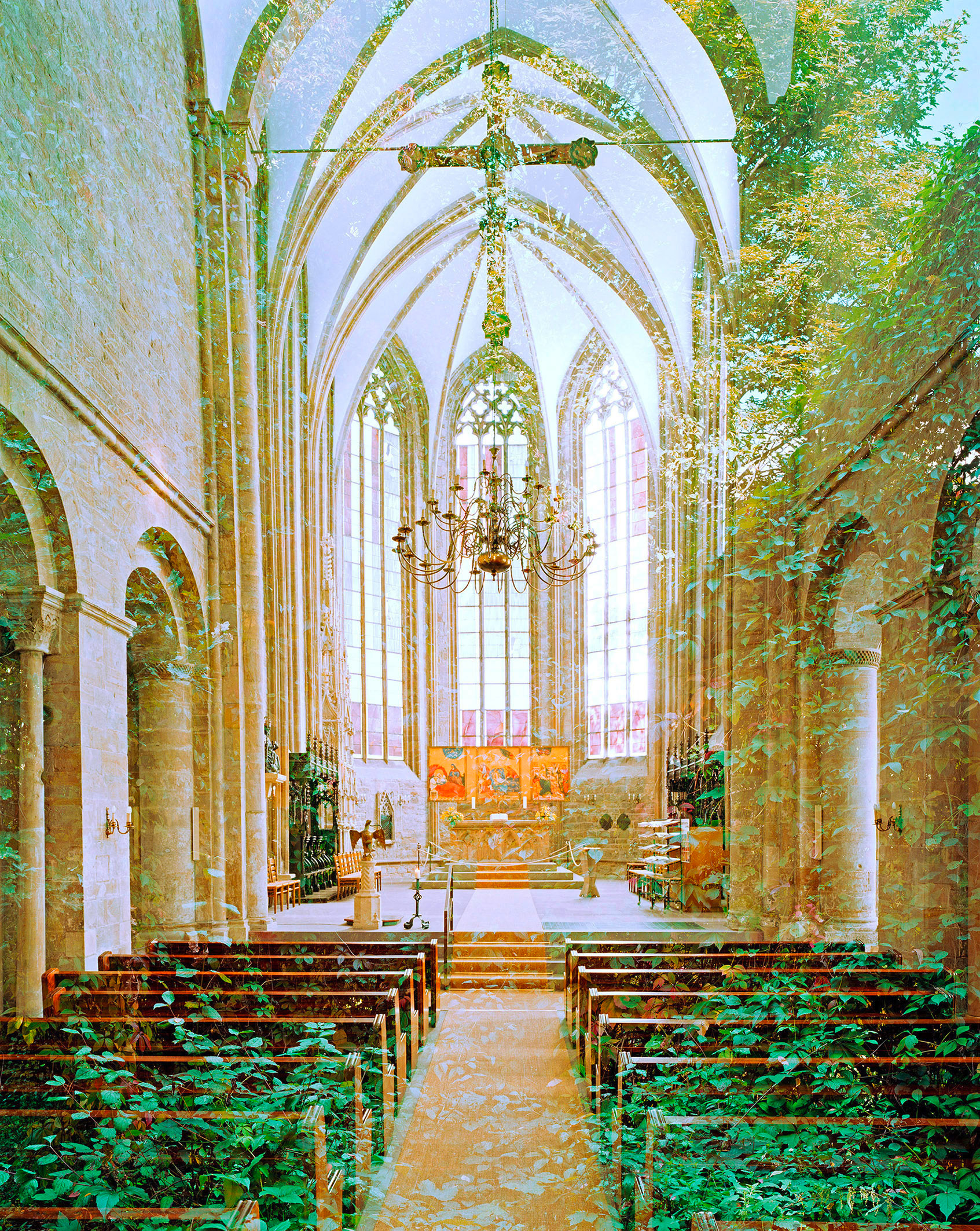
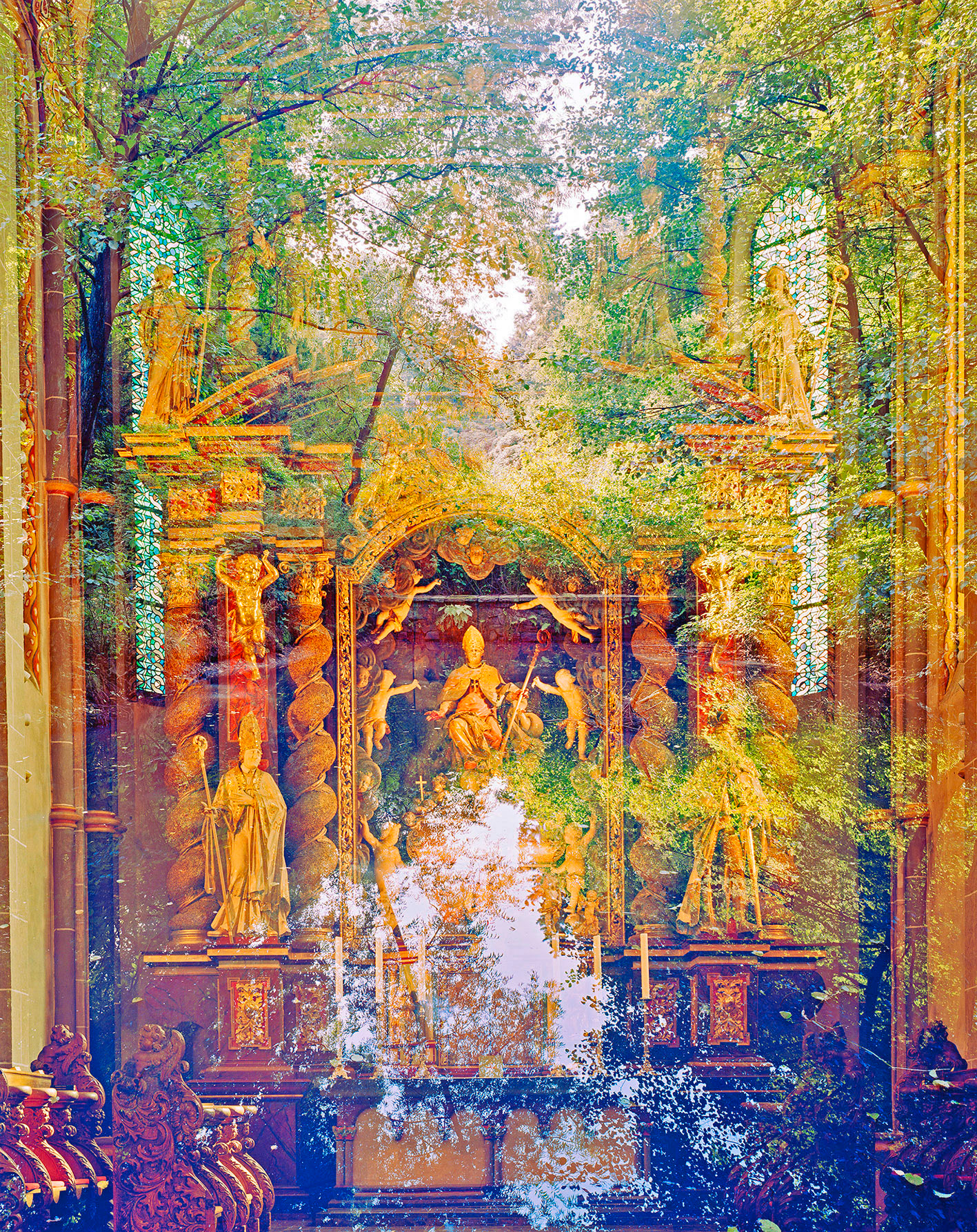
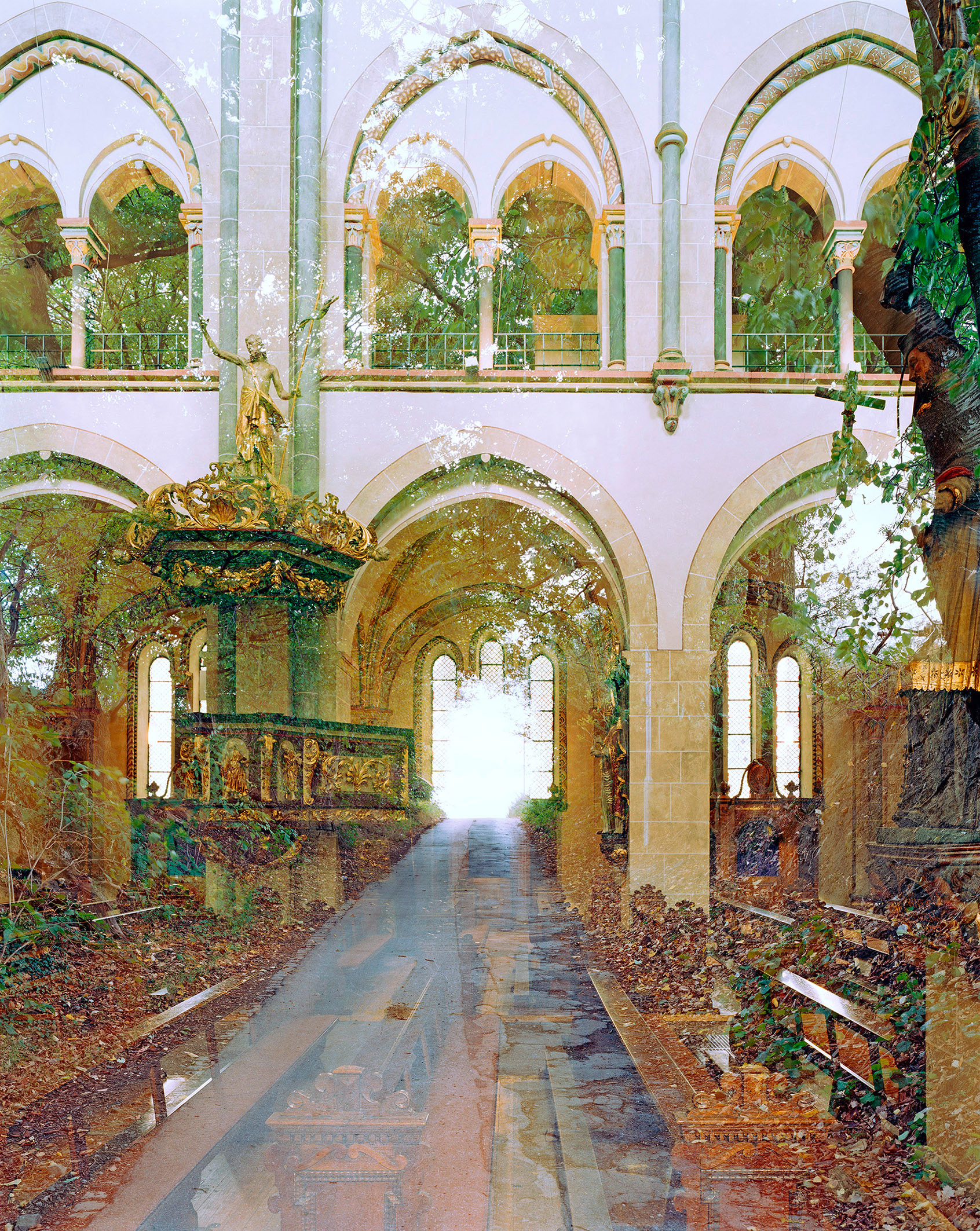

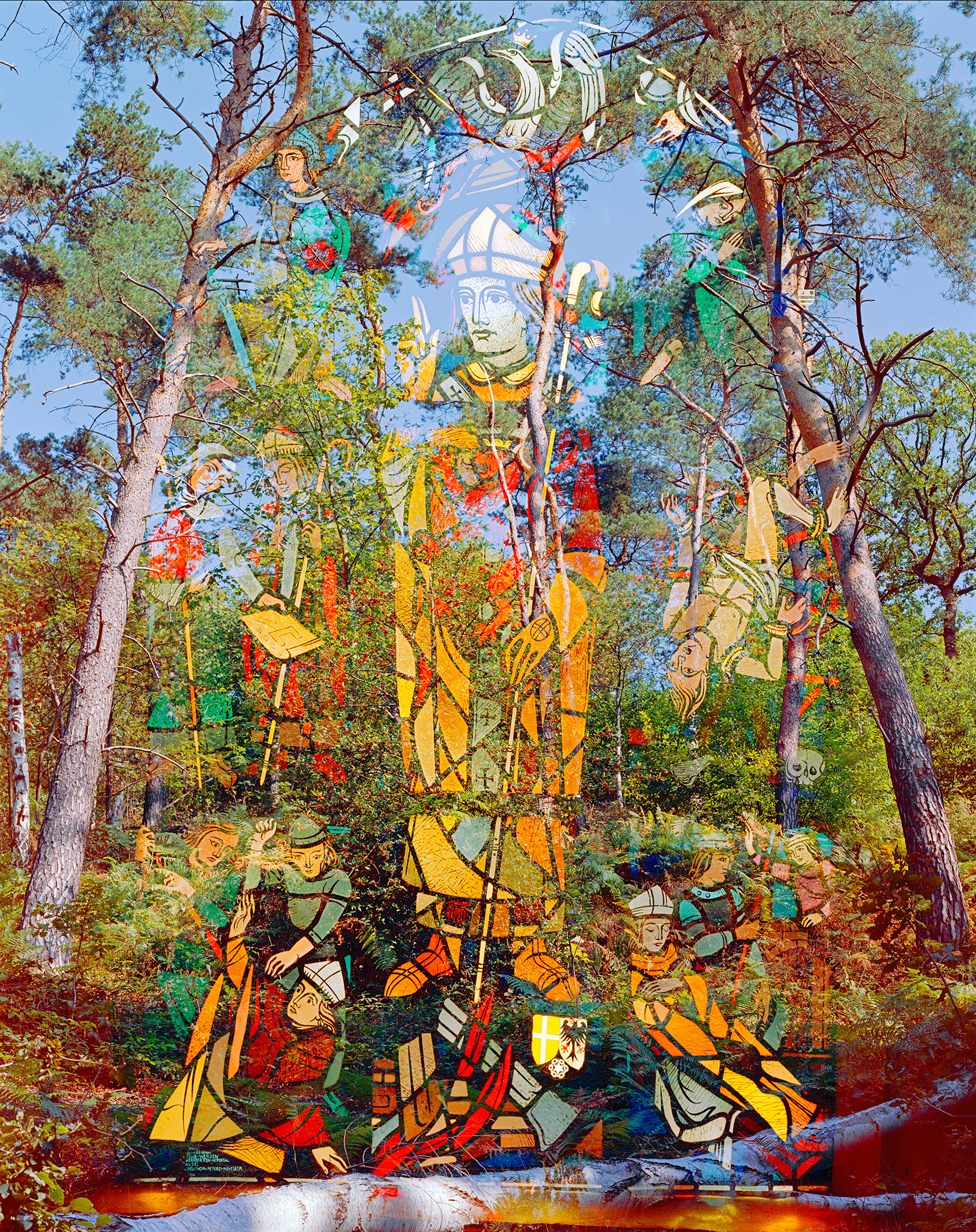
The work Talita kum examines the relationship between architecture, nature, and spirit as an ontological question. Its point of departure is Gothic church architecture, whose construction is not to be understood solely in historical or symbolic terms, but as structurally aligned with natural principles of growth. The vertical orientation of Gothic space does not serve a purely functional purpose; rather, it articulates a movement — a striving toward light, openness, and transcendence. This striving is not metaphorical, but materially inscribed in the architecture itself. Columns branch like trunks, vaults unfold like crowns, and space becomes permeable to light and height. Architecture is not conceived here as an opposition to nature, but as its transformation. The church interior appears as an artificially constructed forest, an attempt not to imitate nature, but to translate its inner logic into stone. Gothic architecture thus stands at a threshold: between human order and an ordering principle that exceeds the human. This threshold finds a radical intensification in Antoni Gaudí’s Sagrada Família. Gaudí’s architecture almost entirely dissolves the separation between built space and nature. His forms follow neither classical hierarchy nor rigid symmetry, but organic laws. Growth replaces construction, structure replaces ornament. Church and nature no longer appear as opposites, but as expressions of the same order of creation. Gaudí did not understand his work as a monument to human genius, but as service to a higher order. This attitude also manifested itself in his way of life. In his later years, he increasingly withdrew from social structures, lived ascetically within the Sagrada Família, and expressed the wish to die unknown. His death — unrecognized, taken to a hospital for the poor — resists any definitive interpretation. It can neither be fixed as divine providence nor reduced to mere coincidence. It is precisely this indeterminacy that is philosophically decisive. It points toward a critique of human systems of hierarchy. While human institutions distribute meaning, rank, and value, the divine — if the term is to be used at all — withdraws from all forms of hierarchy. Before God, there is no genius, no work, no rank. Only the human being. The assumption that greatness must be visible, recognized, or preserved reveals itself as a projection of human ordering systems. This line of thought finds its counterpart in the photographic process of the work. All images are produced analogically using a large-format camera (4×5 inch) and through multiple exposures. First, a church space is exposed; subsequently — without visual control of the outcome — a second exposure is made in nature. The second exposure follows no compositional plan, but an intuitive decision made in the moment. This gives rise to a central epistemological question: Does the image emerge through intentional authorship, or through an interplay of chance, materiality, and perception? Does something come to the photographer — or is it produced? The work refuses a definitive answer and shifts the focus from control toward openness within the process. Analog photography intensifies this openness fundamentally. The image initially exists as a negative — as an inversion of the world, as a latent structure. Meaning does not arise at the moment of exposure alone, but in the transition, in the in-between of negative and positive. It is precisely within this invisible interval of photography that an ontological dimension opens: truth appears not as a demonstrable cause, but as an experience of coherence. The title Talita kum (Mk 5:41) refers to the biblical call to awakening. In this context, it becomes a pictorial question: What needs to be revived? What lies buried beneath the weight of the monumental? The photographs do not seek accusation or deconstruction, but opening. They attempt to uncover a space in which the spiritual is no longer overdetermined by power, representation, or hierarchy, but can once again become experienceable. The work thus understands itself as an invitation to perception. Not as a religious assertion, but as an attempt to reunite feeling and thought. If viewers lose themselves in the images, if questions arise and an inner movement begins, then that spiritual dimension starts to unfold which cannot be claimed or proven. The image becomes the initiator of a process that leads beyond itself — toward a level where truth is not explained, but experienced.