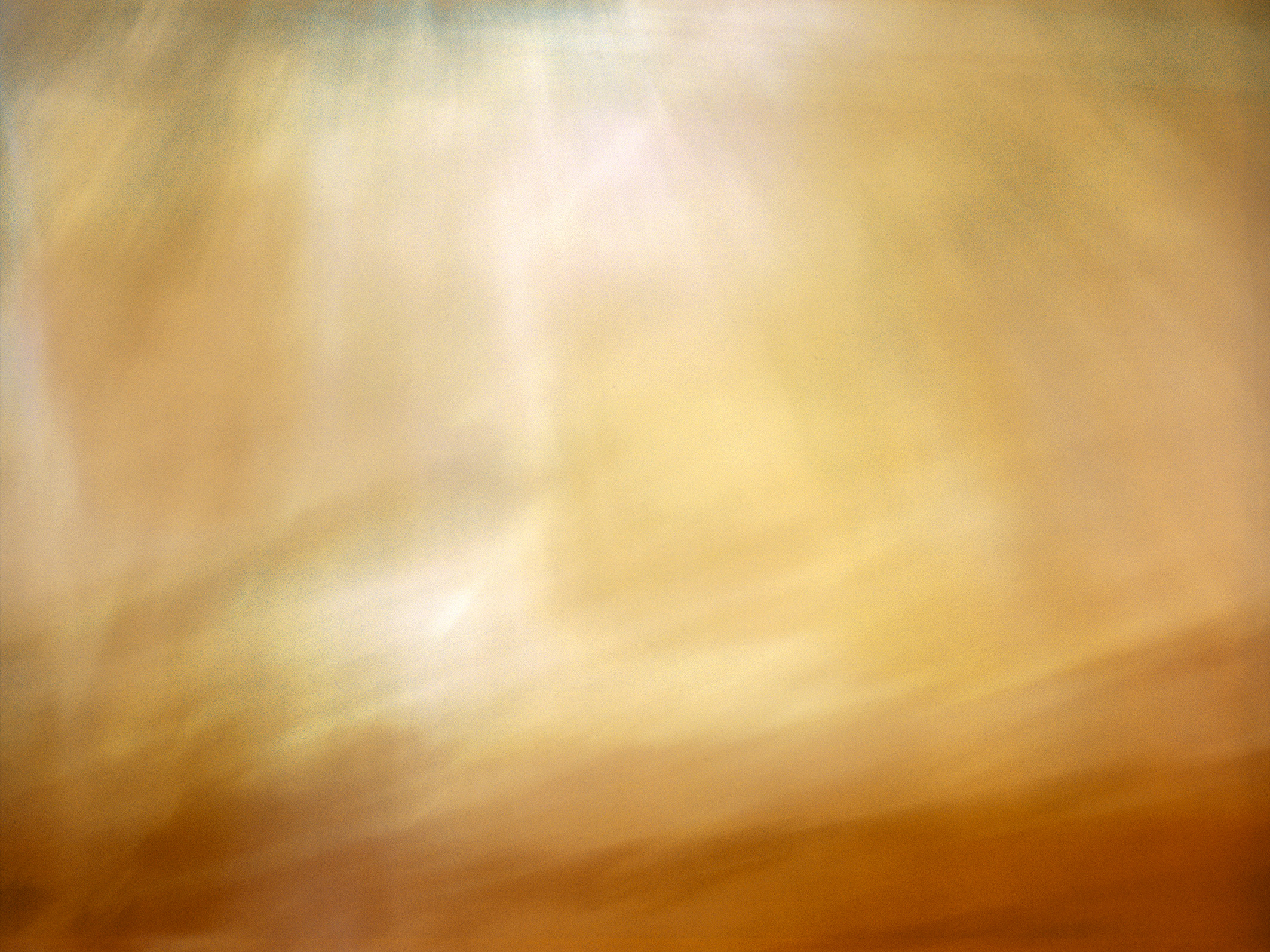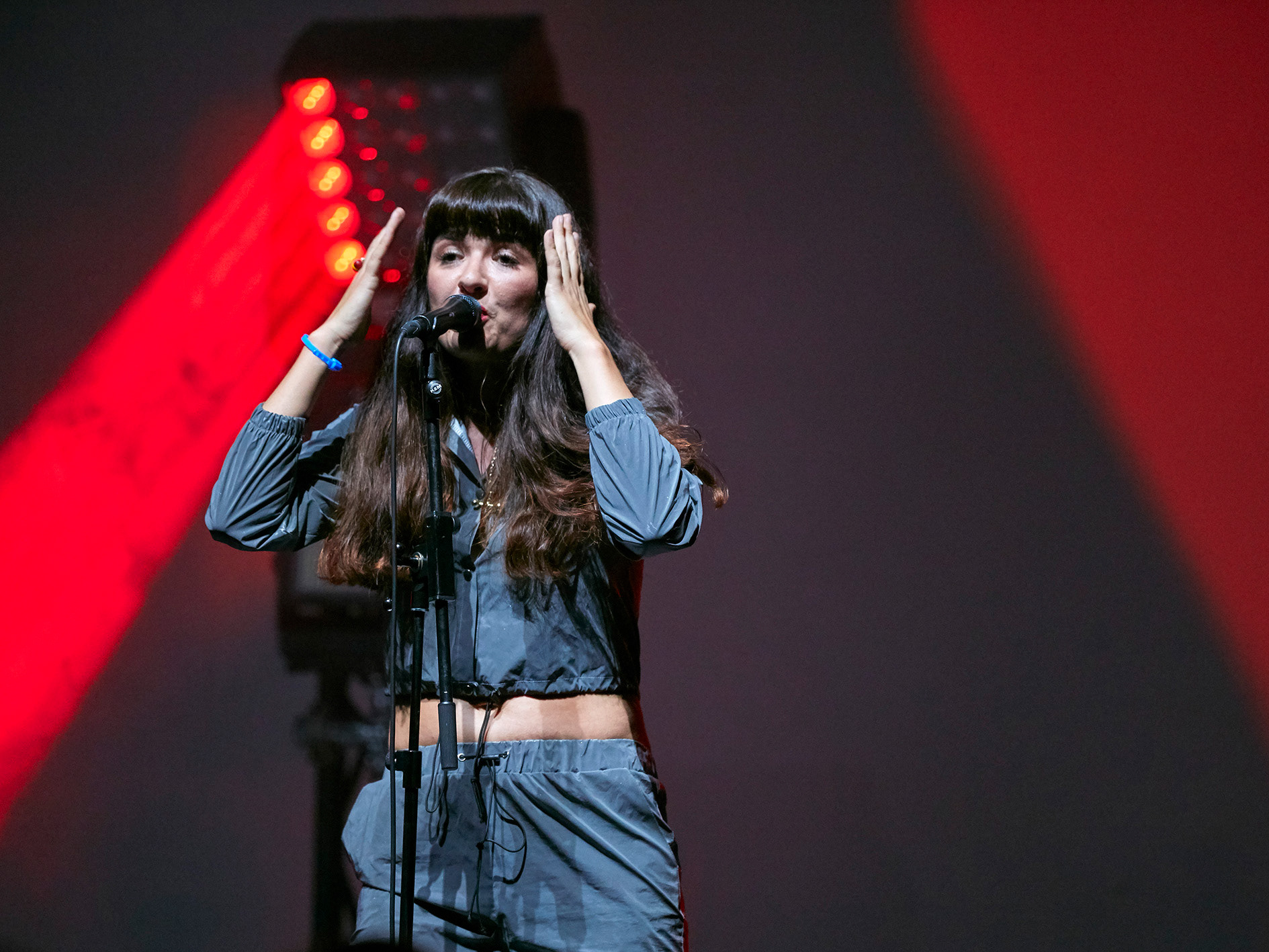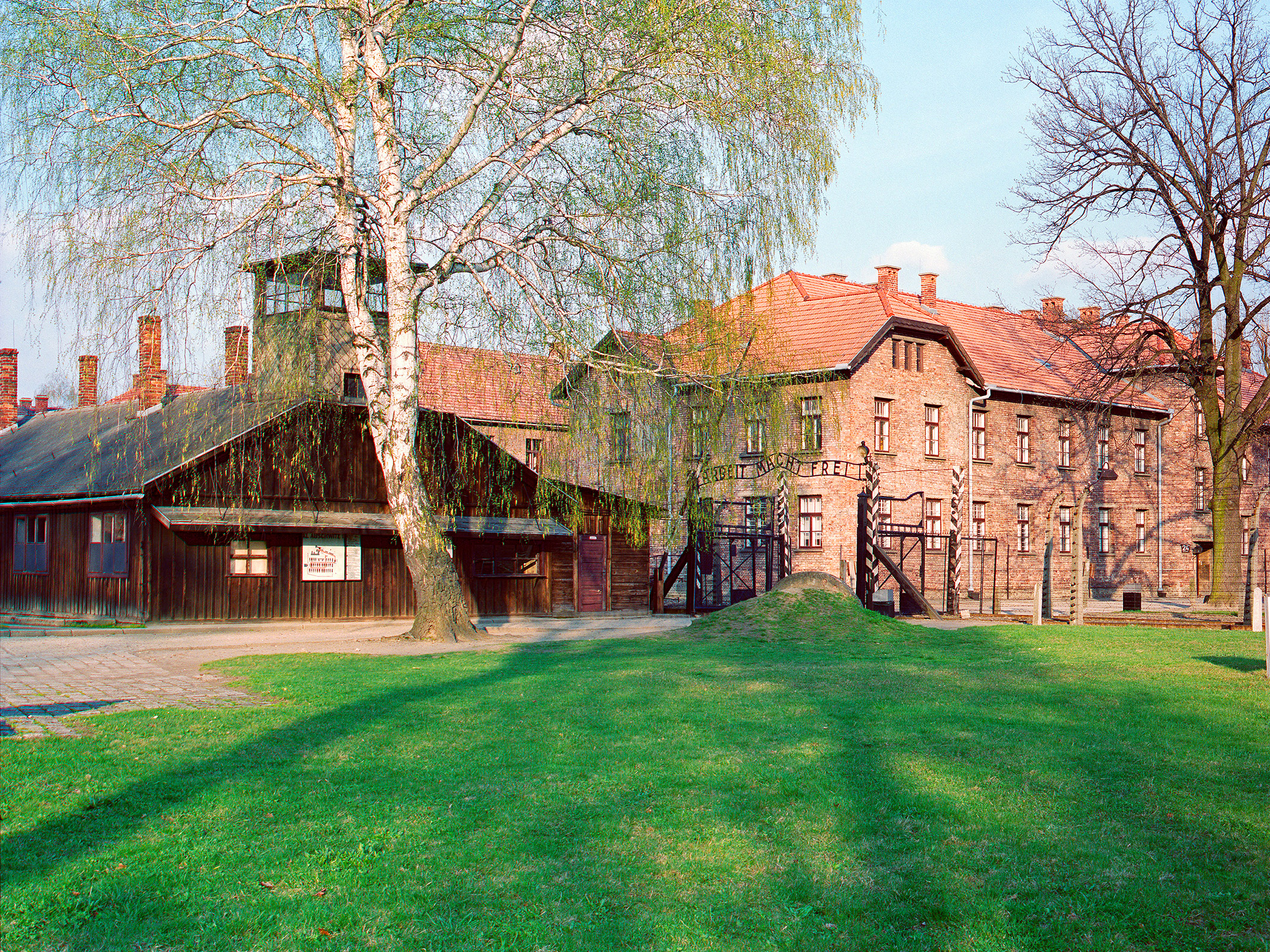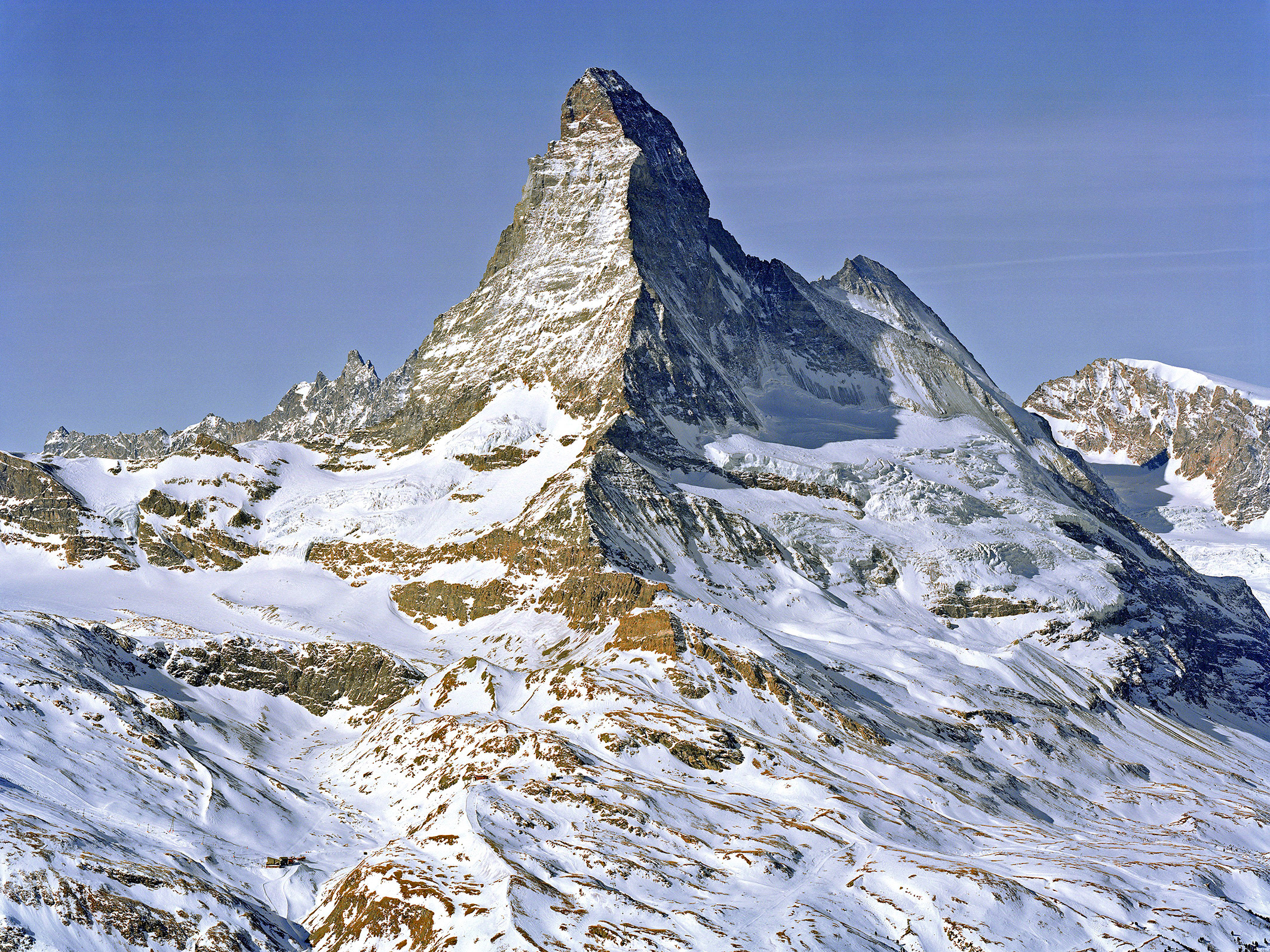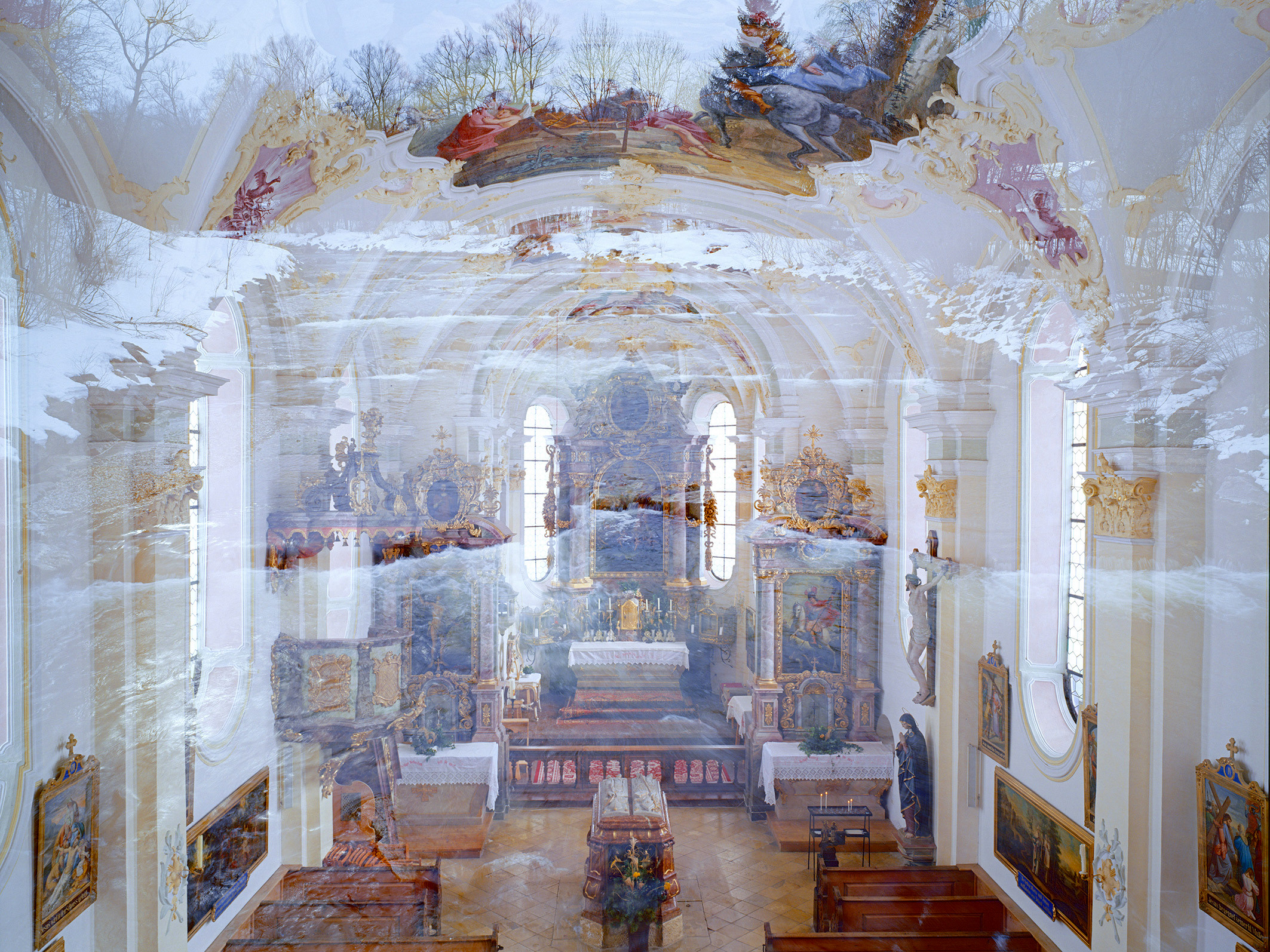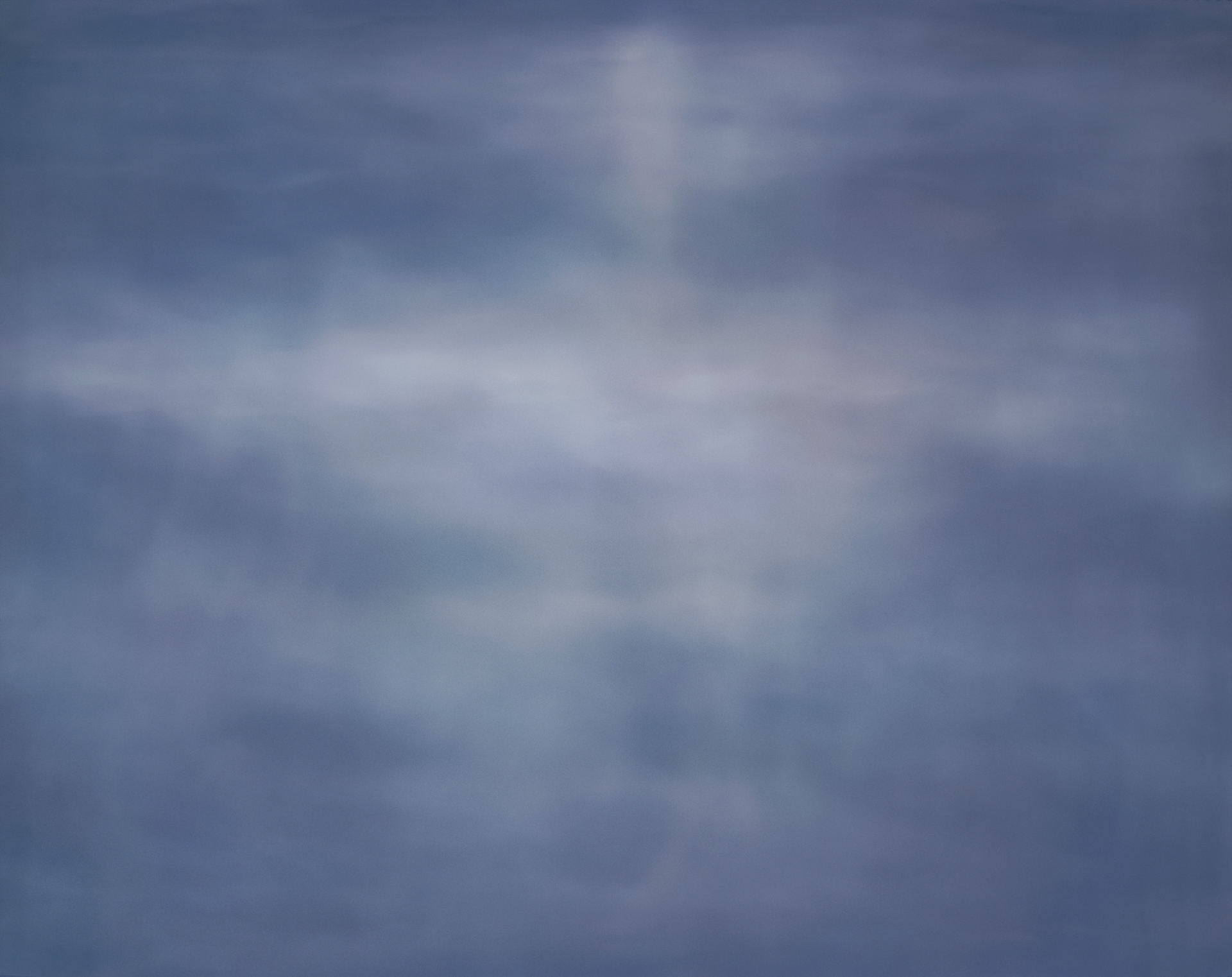
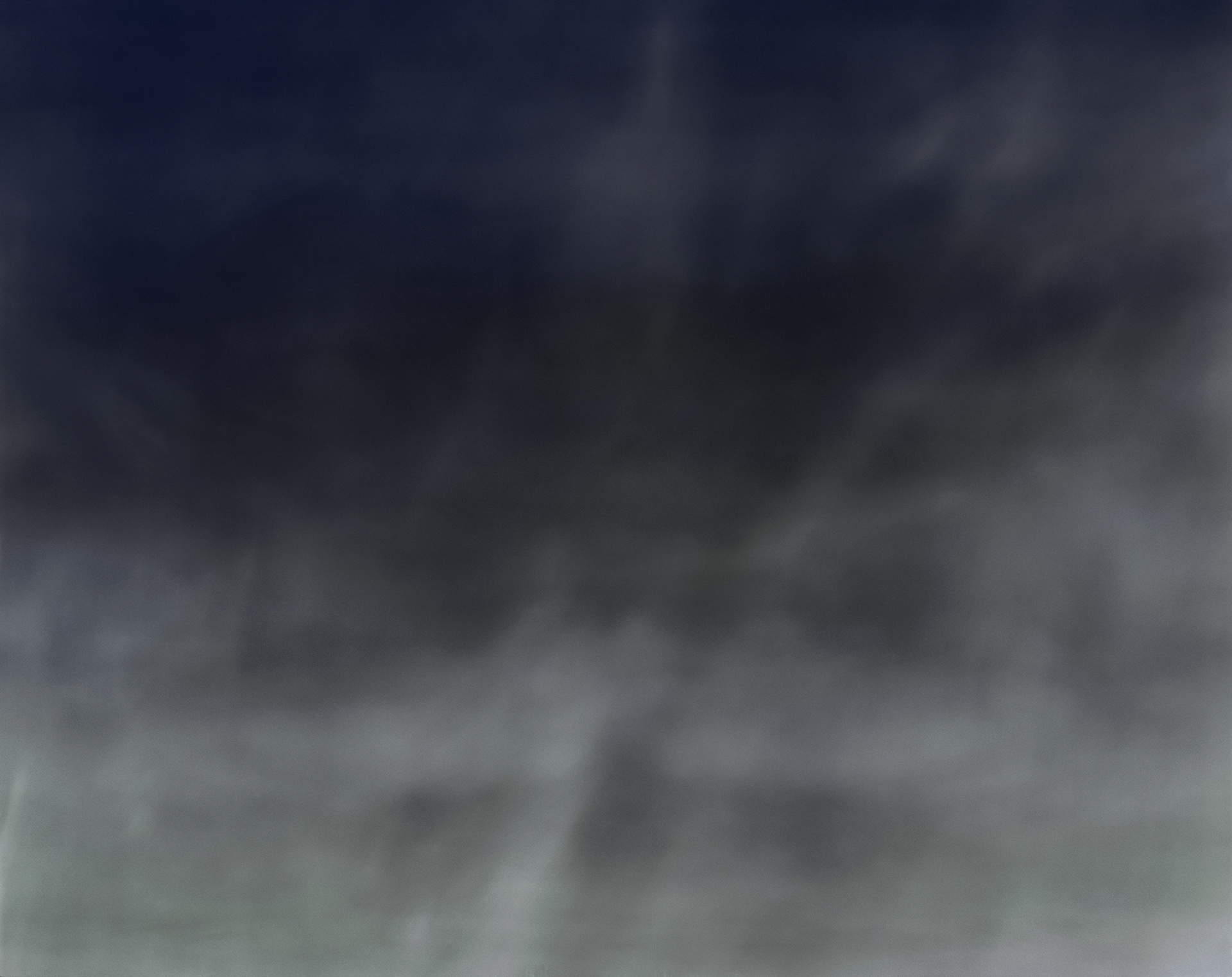
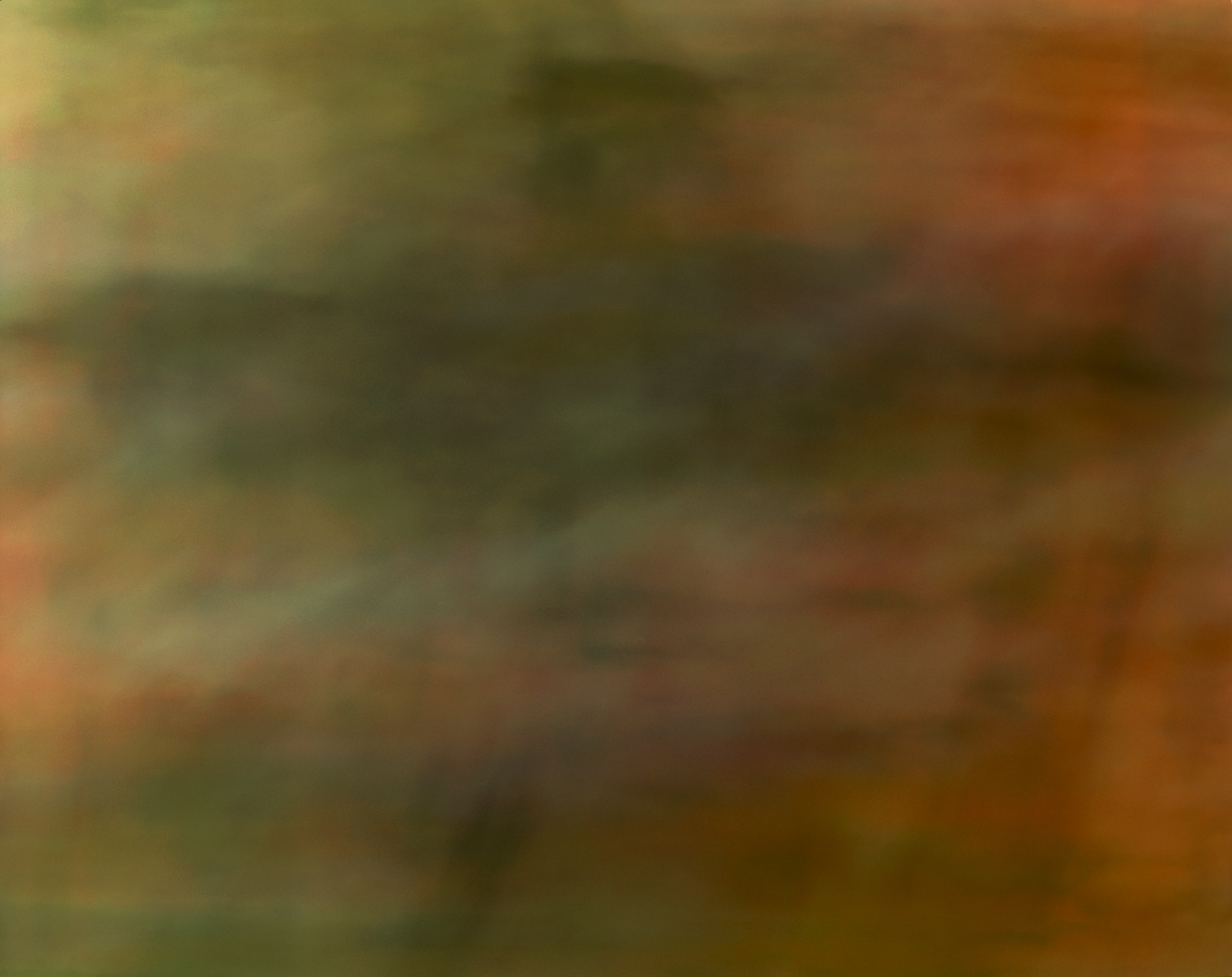
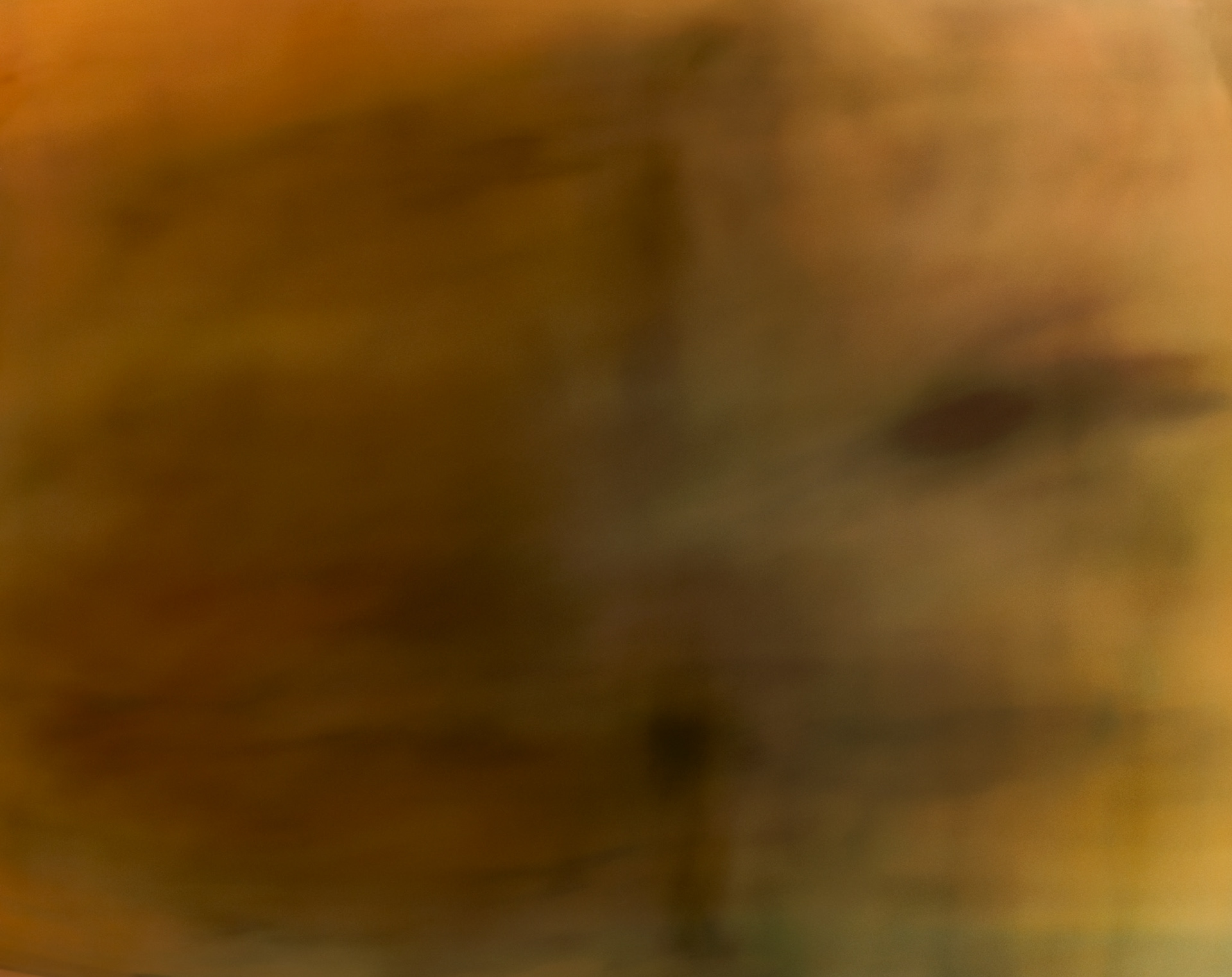
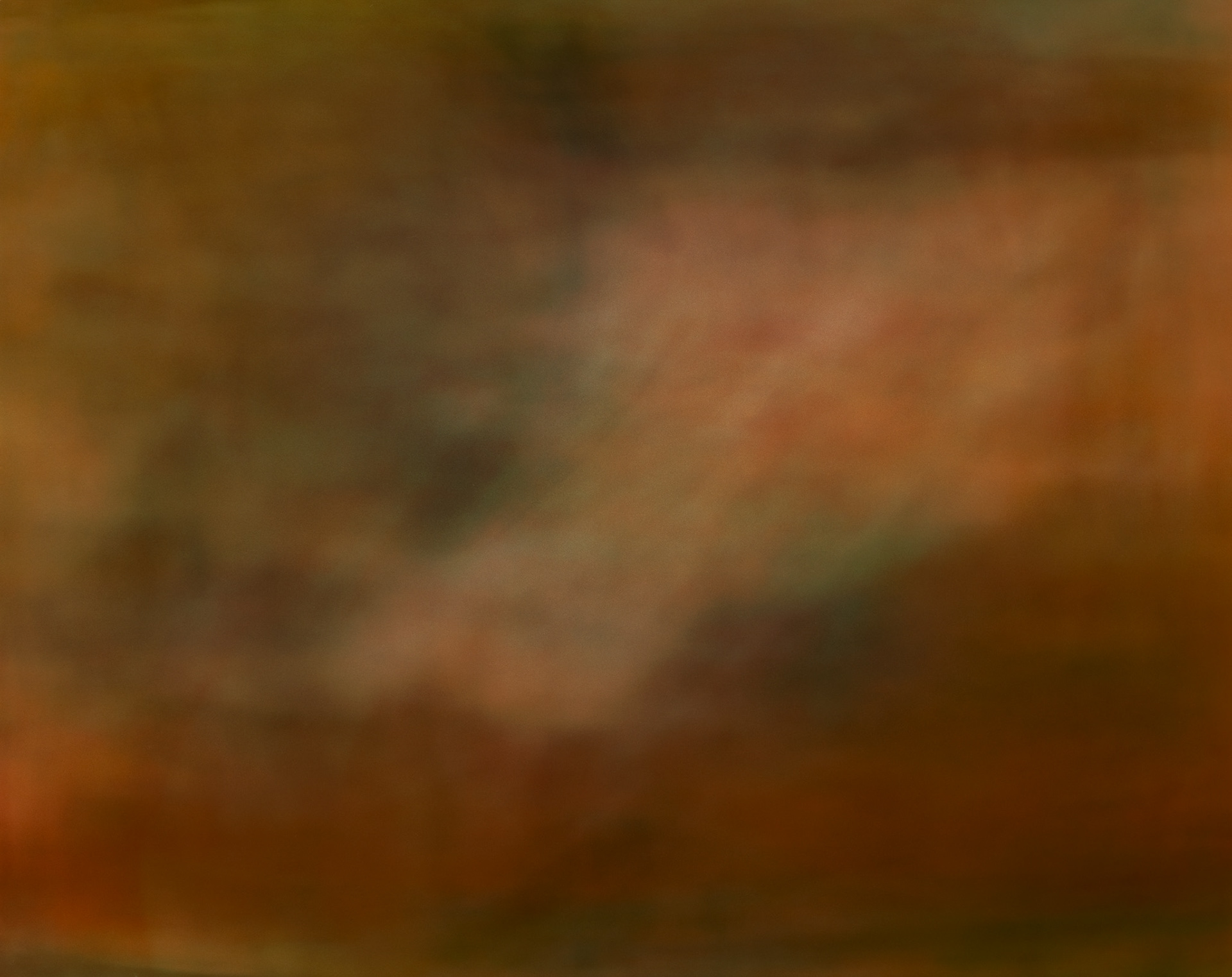
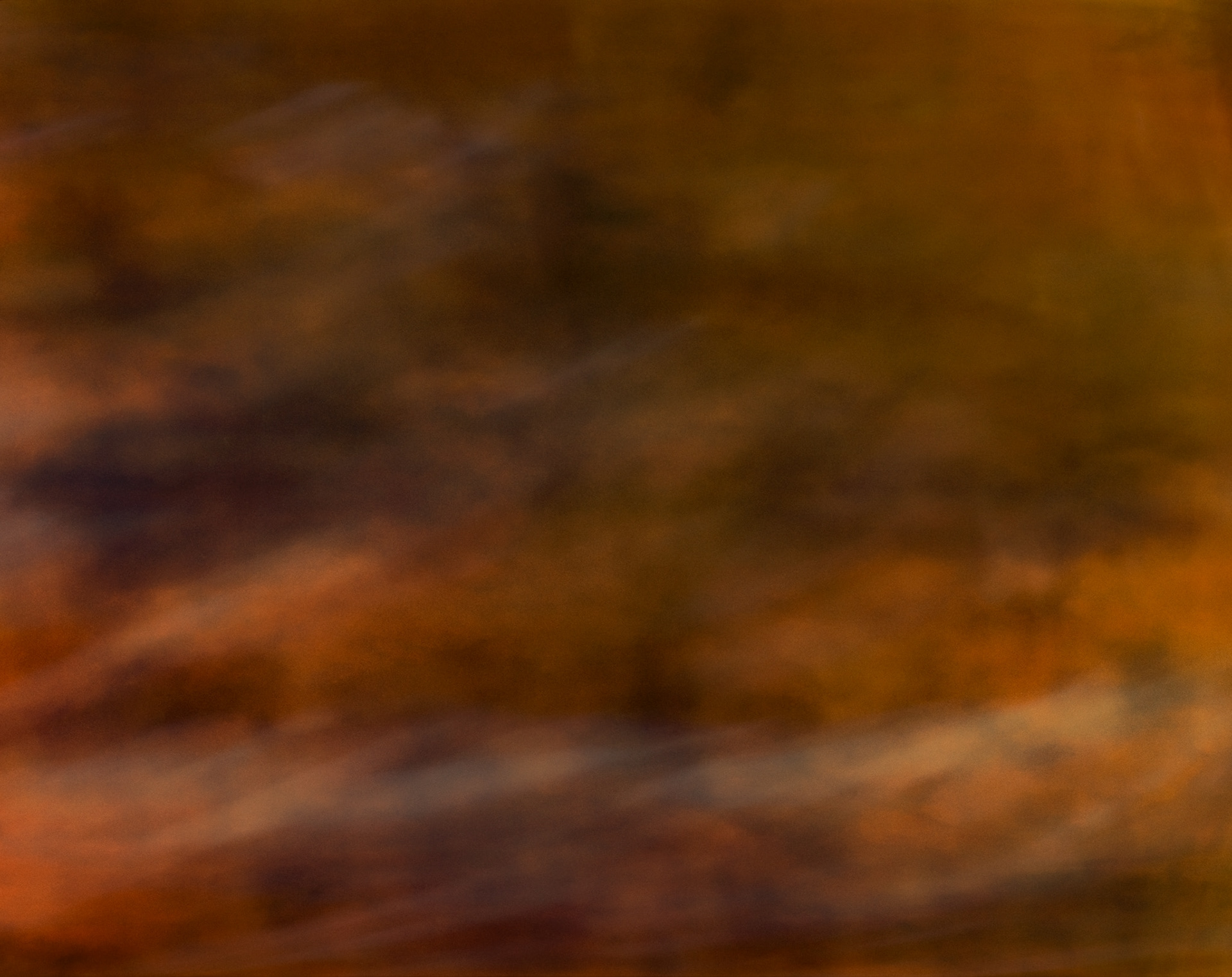
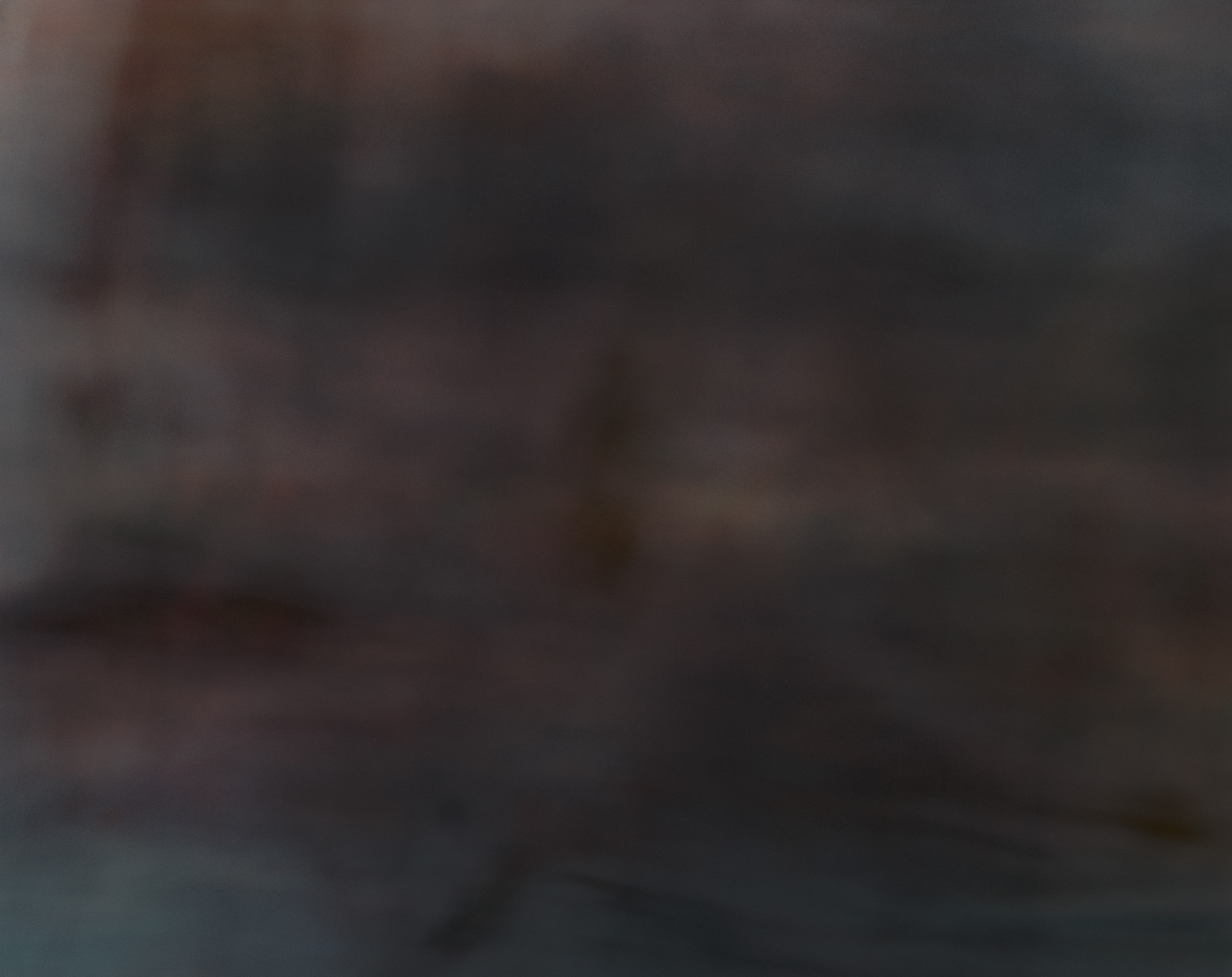
Photography as Existential Experience The photographic practice of Dusk does not conceive of photography as representation, reproduction, or ornamental image-making, but as an existential inscription of reality. Within it, perception, emotion, and spiritual cognition converge in a processual act. Photography becomes a medium in which not the image of the world, but the world within the subject and subjectivity within the world, becomes visible. It is an epistemic practice in which reality does not merely appear—it unfolds. Central to this work is the superimposition of time, light, and layers of reality. Multiple long exposures, wide apertures, and the deliberate addition and subtraction of image layers are not aesthetic effects; they are methods of condensing lived experience. The image does not emerge from a single decisive moment but from an extended process that incorporates inner states, external conditions, and spiritual presence. In this sense, photography becomes a site of phenomenological inquiry, echoing the thought of Maurice Merleau-Ponty: perception is embodied, and subject and world are inseparably intertwined. At the same time, the work engages an existentialist perspective. It addresses the tension between individual existence and societal determination. In a culture that measures value primarily in terms of utility and economic productivity, artistic practice becomes a radical counter-position—one that exposes the conditionality of human existence. Turning toward photography is not an act of withdrawal but a conscious affirmation of responsibility toward one’s own being, resonating with Søren Kierkegaard’s notion of “subjective truth”: existential experience cannot be objectified; it must be lived through and articulated from within. The Veiled Cross – Symbol and Presence A recurring and nearly omnipresent element is the veiled cross. It does not appear as an explicit icon but as a translucent presence—a metaphysical structure that permeates the images without ever fully revealing itself. The cross refers to the erosion of fundamental forces of meaning—faith, hope, and love—understood not as dogmatic concepts but as existential conditions of human life. Its blurring or near-disappearance becomes a metaphor for the fragility of the contemporary world order: it remains present and operative, yet obscured by time, doubt, and social fragmentation. As in the work of Caspar David Friedrich, whose landscapes reflect inner states, the cross functions as a simultaneous expression of inner and outer reality. Contemplation as Method The images emerge from a contemplative practice. Contemplation here does not imply retreat from the world but radical presence within it. Each decision, each superimposed layer results from an inner dialogue between perception, emotion, and reflective awareness. This approach resonates with John Cage’s use of silence and chance as epistemically productive elements, as well as with Merce Cunningham’s understanding of movement as experiential rather than narrative. In this photographic practice, time, light, and layering similarly become carriers of existential meaning. Art Historical Context The work enters into dialogue with Abstract Expressionism, particularly with the painting of Mark Rothko, Barnett Newman, and Cy Twombly. Like these artists, the images do not aim at narrative depiction but at atmospheric presence and direct experiential impact. As with Twombly and Robert Rauschenberg, the process of formation itself becomes an integral component of the work. This stance is transposed into photography—a medium historically associated with moment, evidence, and indexical reference. In this transposition lies both the innovation and the critical relevance of the practice. Effect and Legitimacy This photographic approach is not escapism. It does not deny social reality but intensifies its experience. Veils, blurs, superimpositions, and the nearly dissolving cross reflect the precariousness of spiritual and emotional states within contemporary life. The images do not communicate information; they create the conditions for resonance. Their impact is immediate, existential, and reflective. They make perceptible what often eludes rational articulation—the fragile balance between inner life, outer world, and transcendent presence. Dusk demonstrates that photography can exist beyond representation. It becomes a medium of inner cognition—a space in which existence, contemplation, and world-relation intersect. Precisely because this approach remains largely unestablished within photographic discourse, it challenges prevailing assumptions about the medium and opens the possibility of photography as a space of existential experience.