

Auschwitz/Birkenau/Dachau
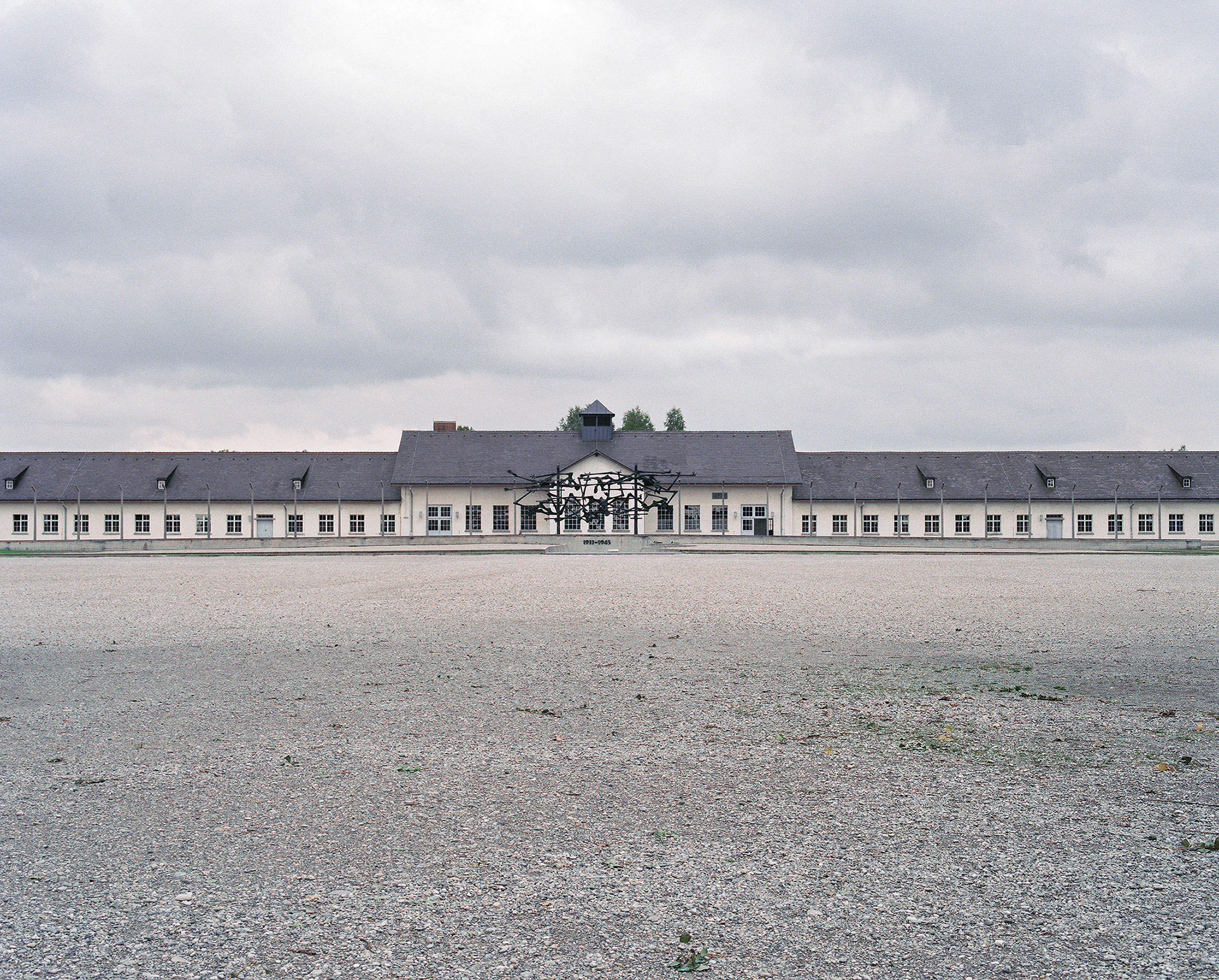
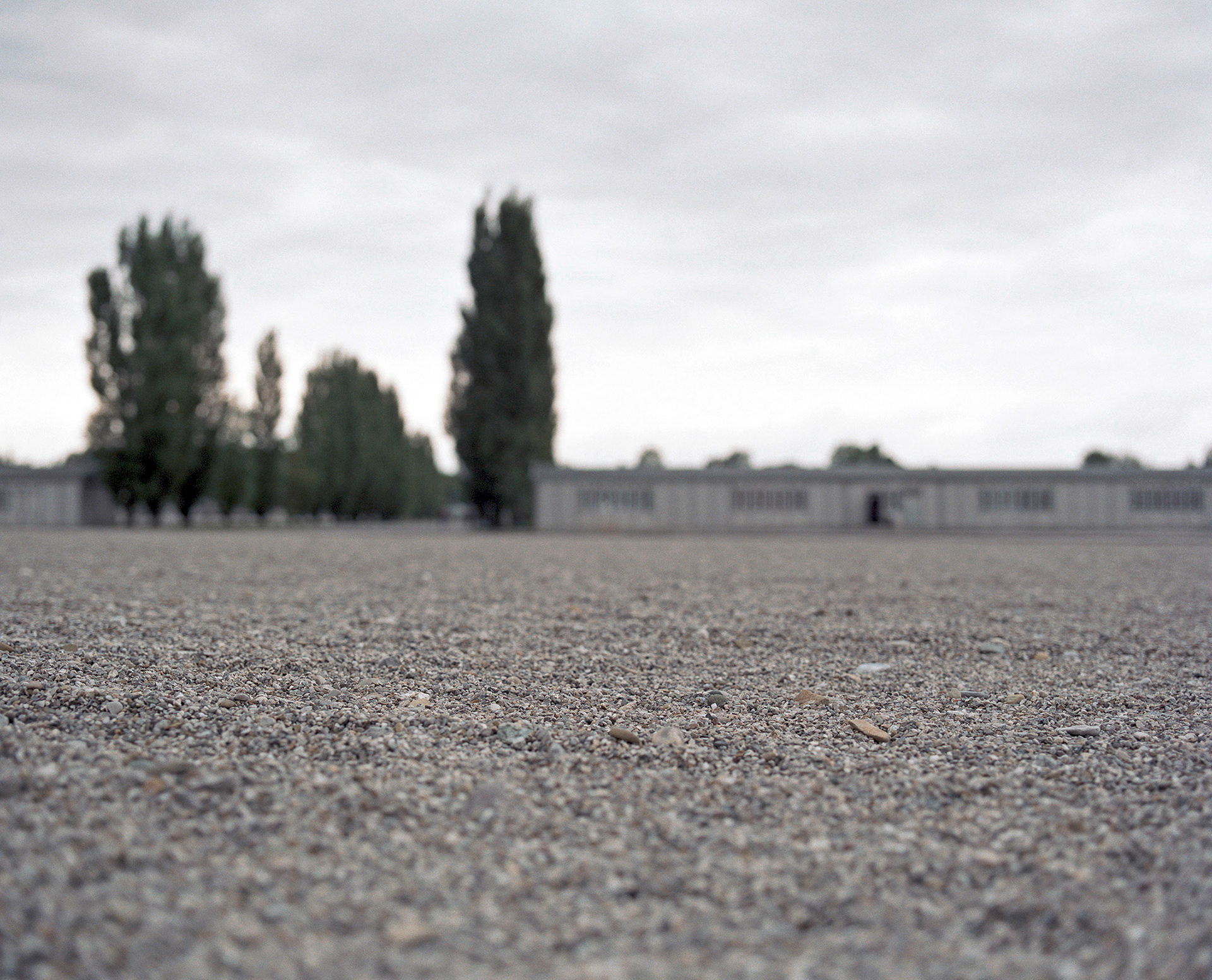
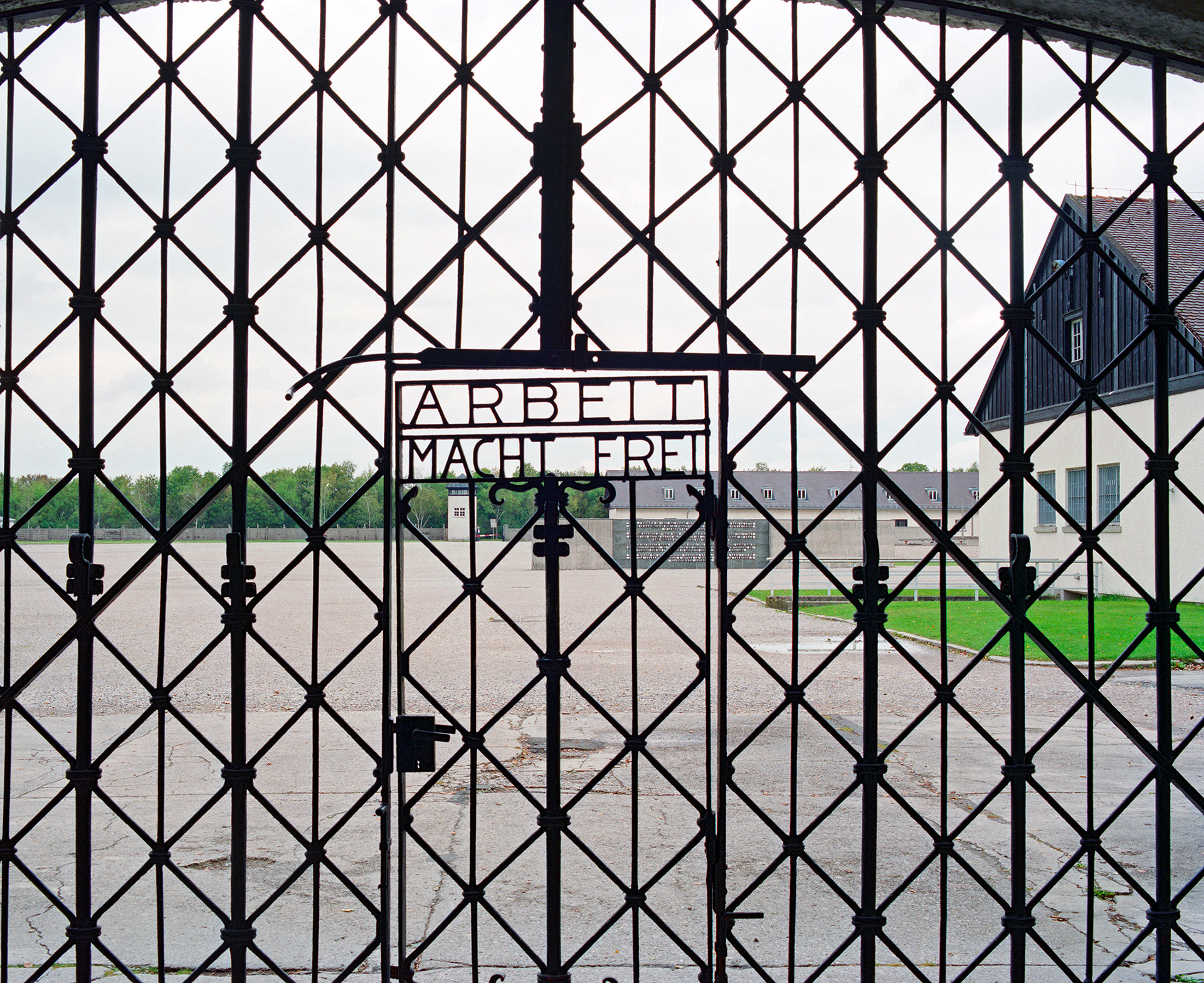
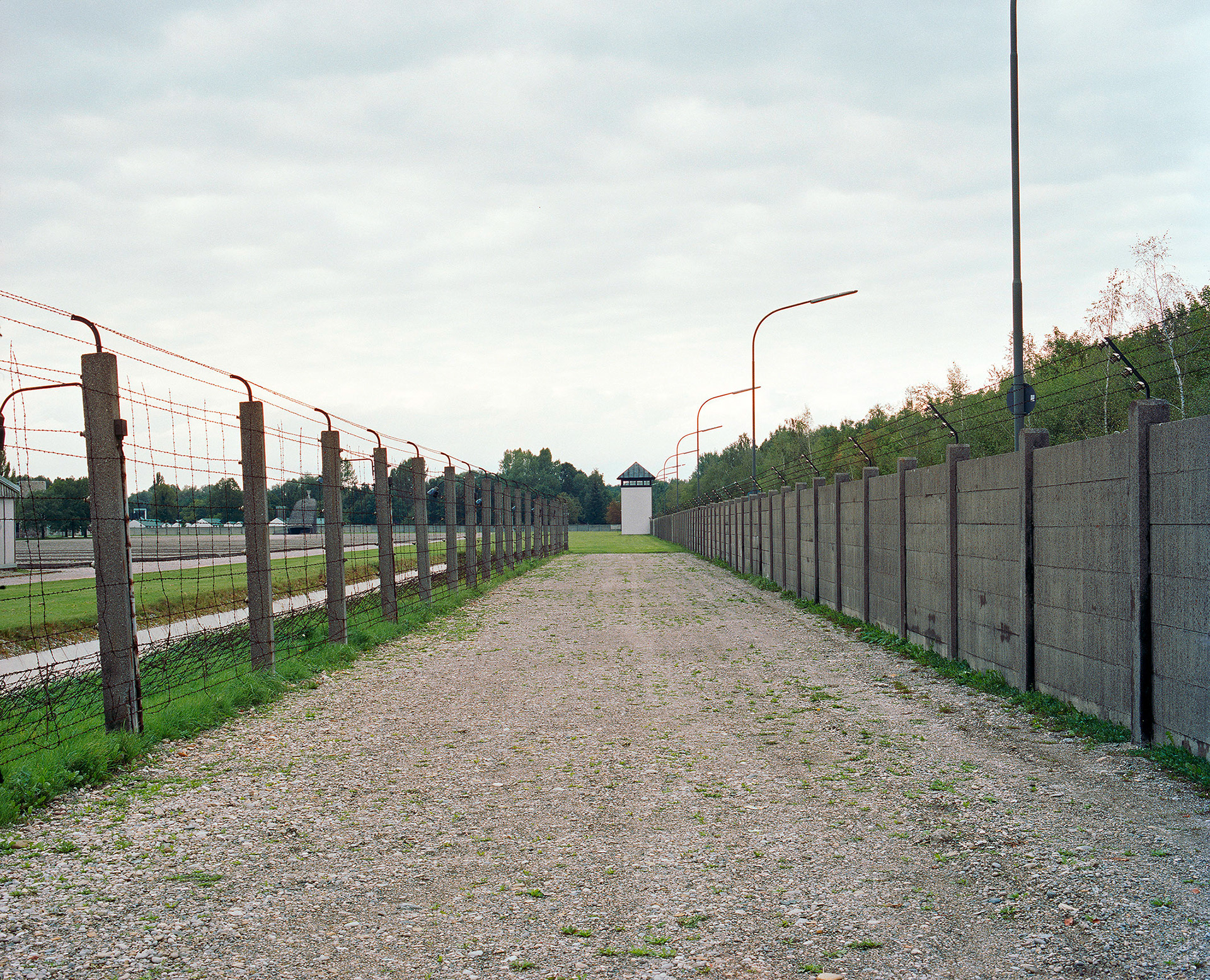
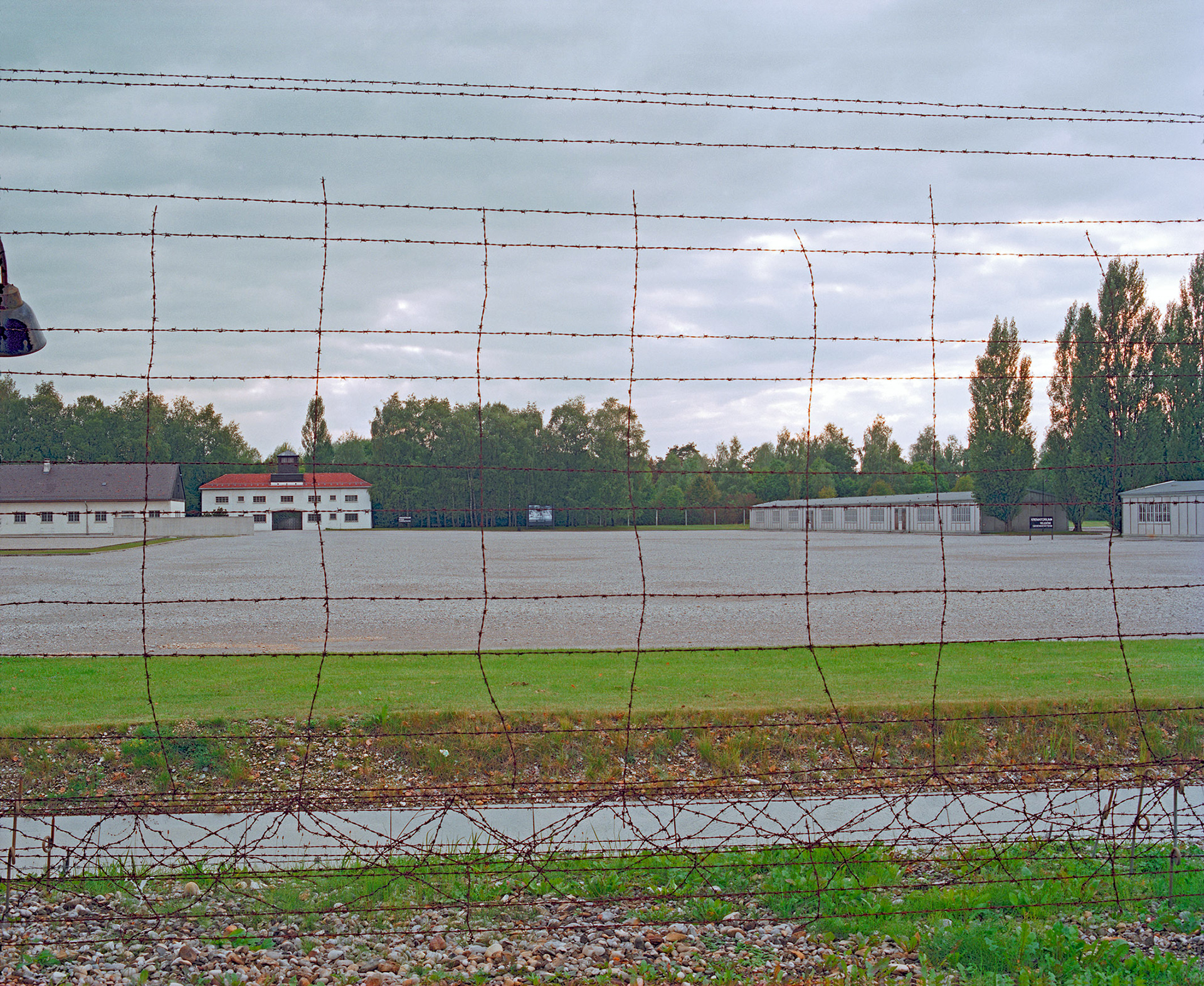
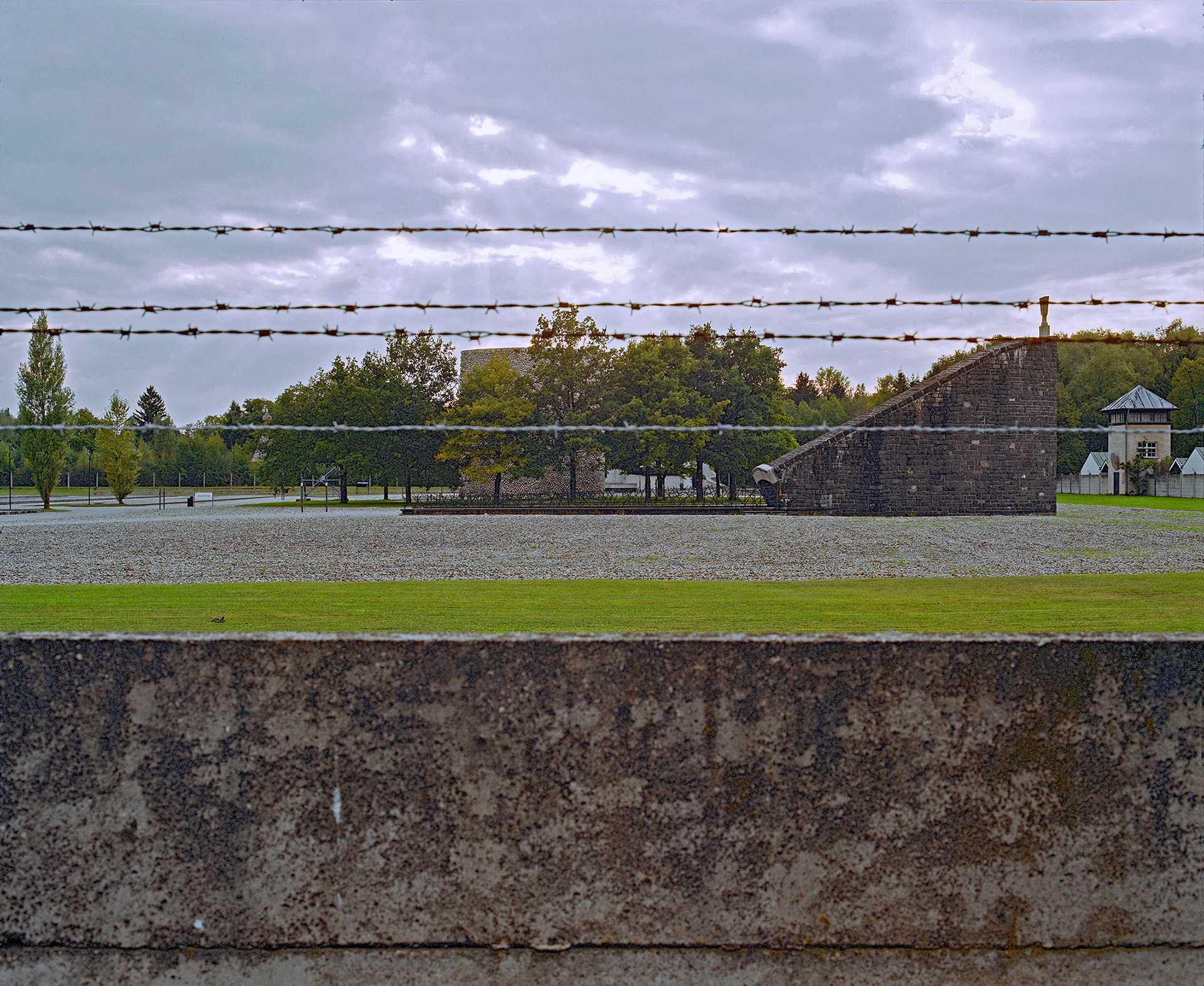
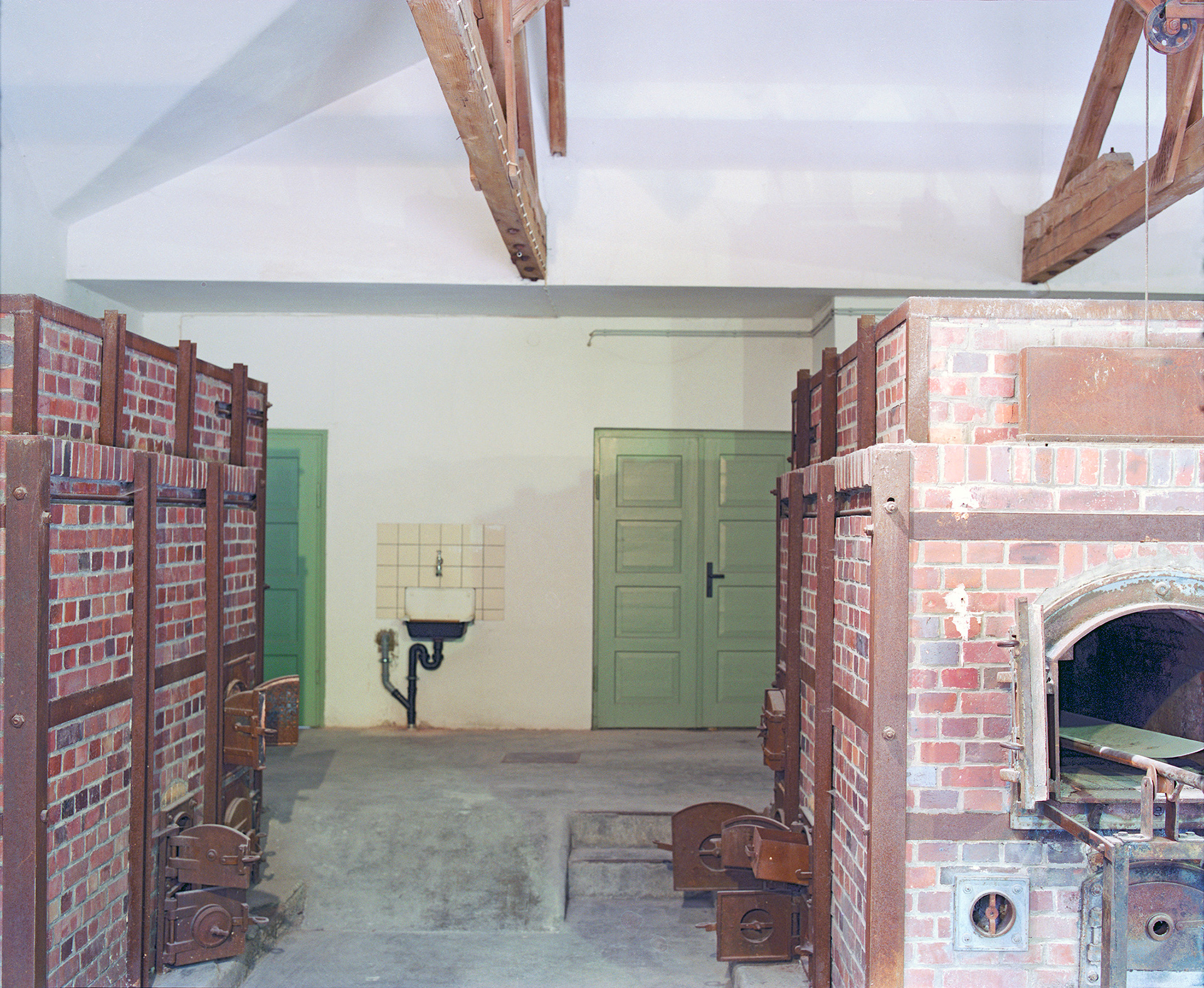
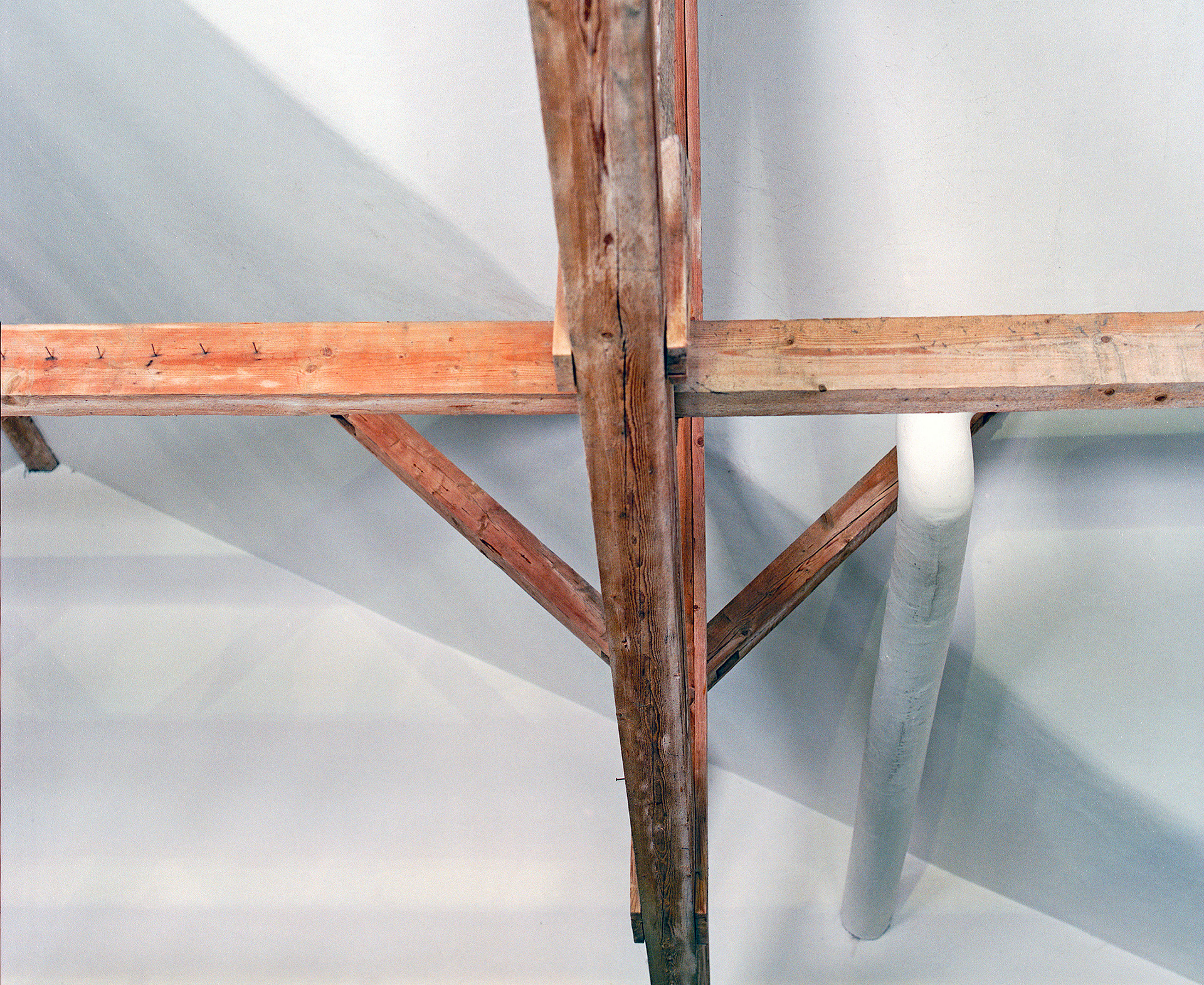
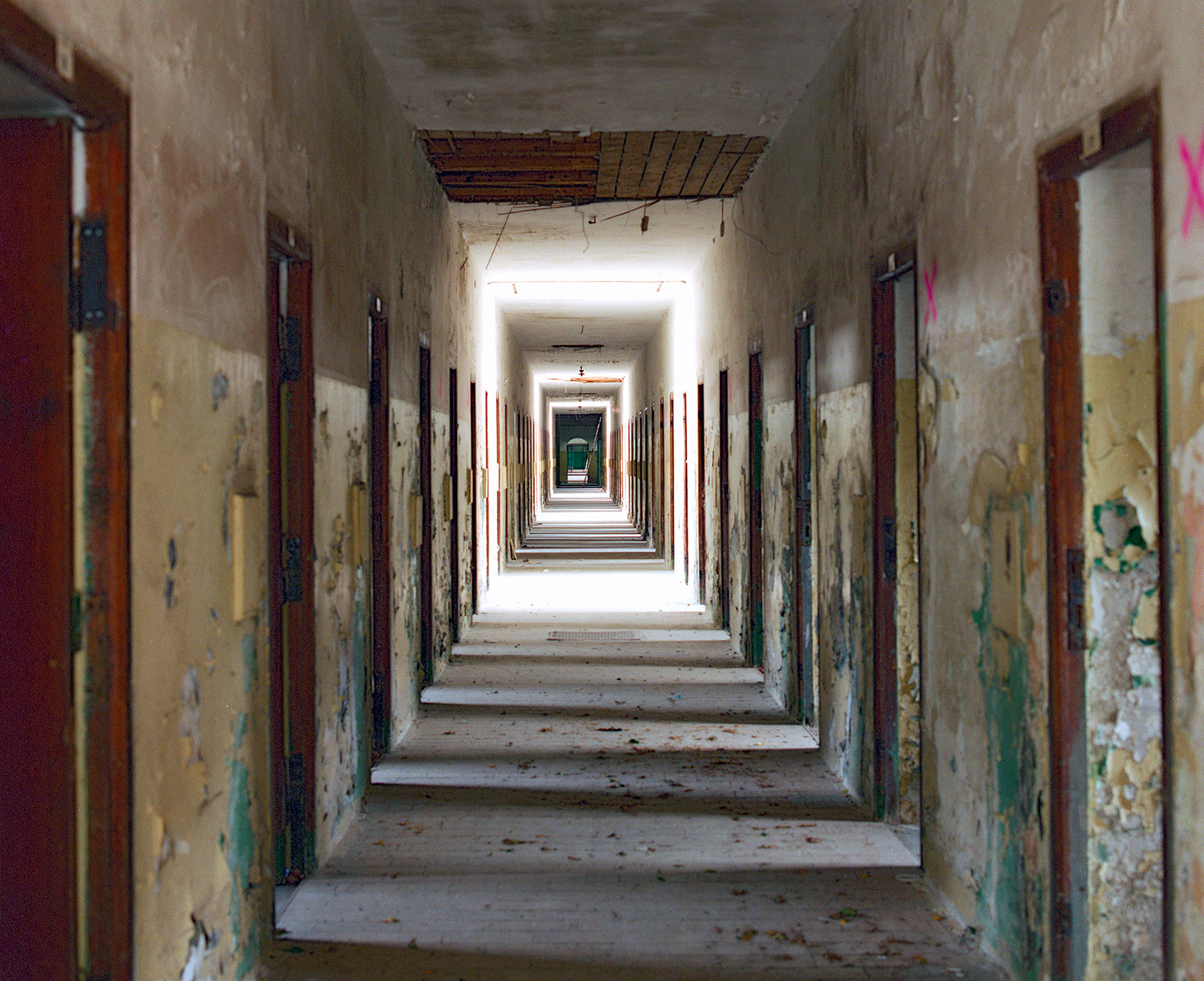
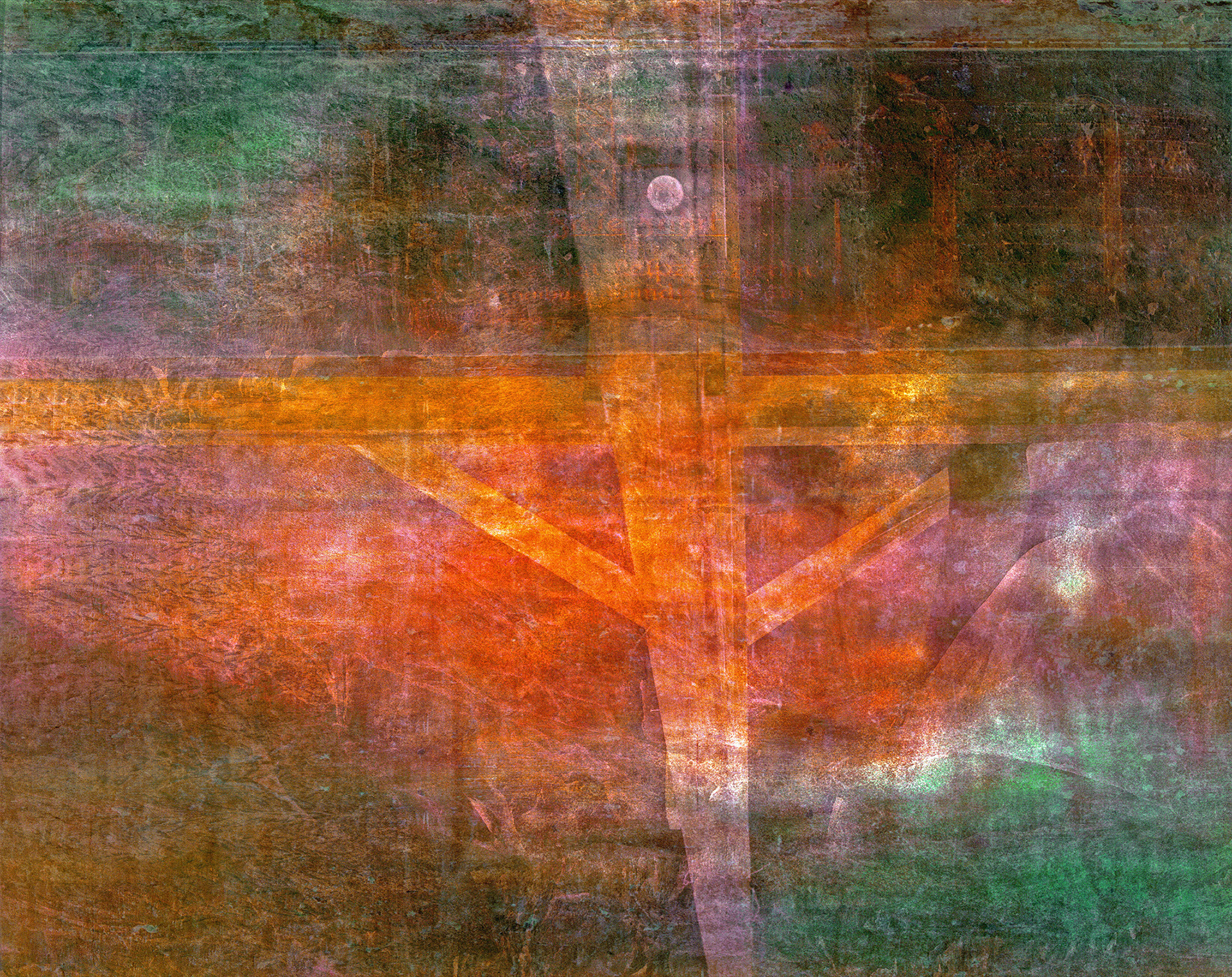
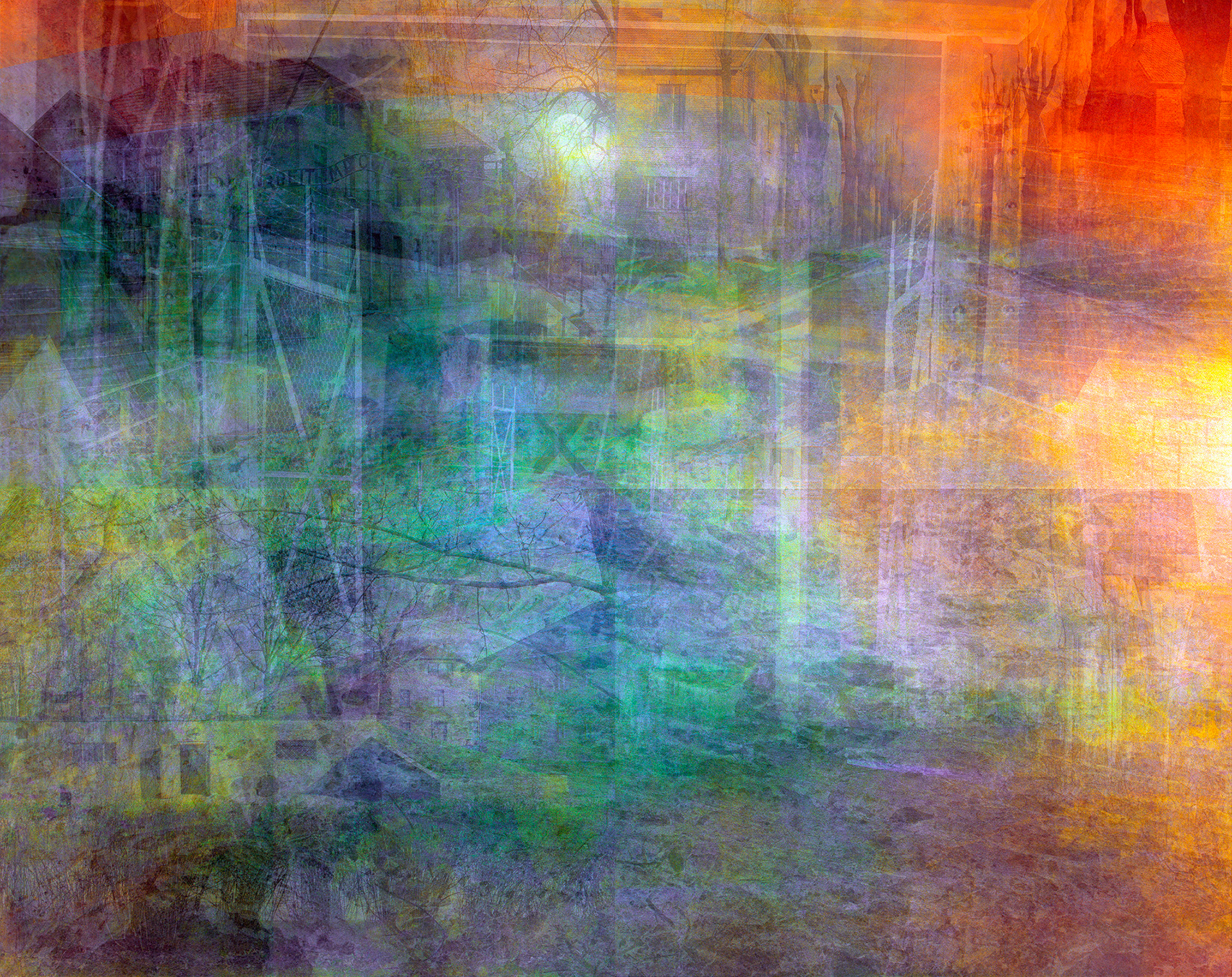
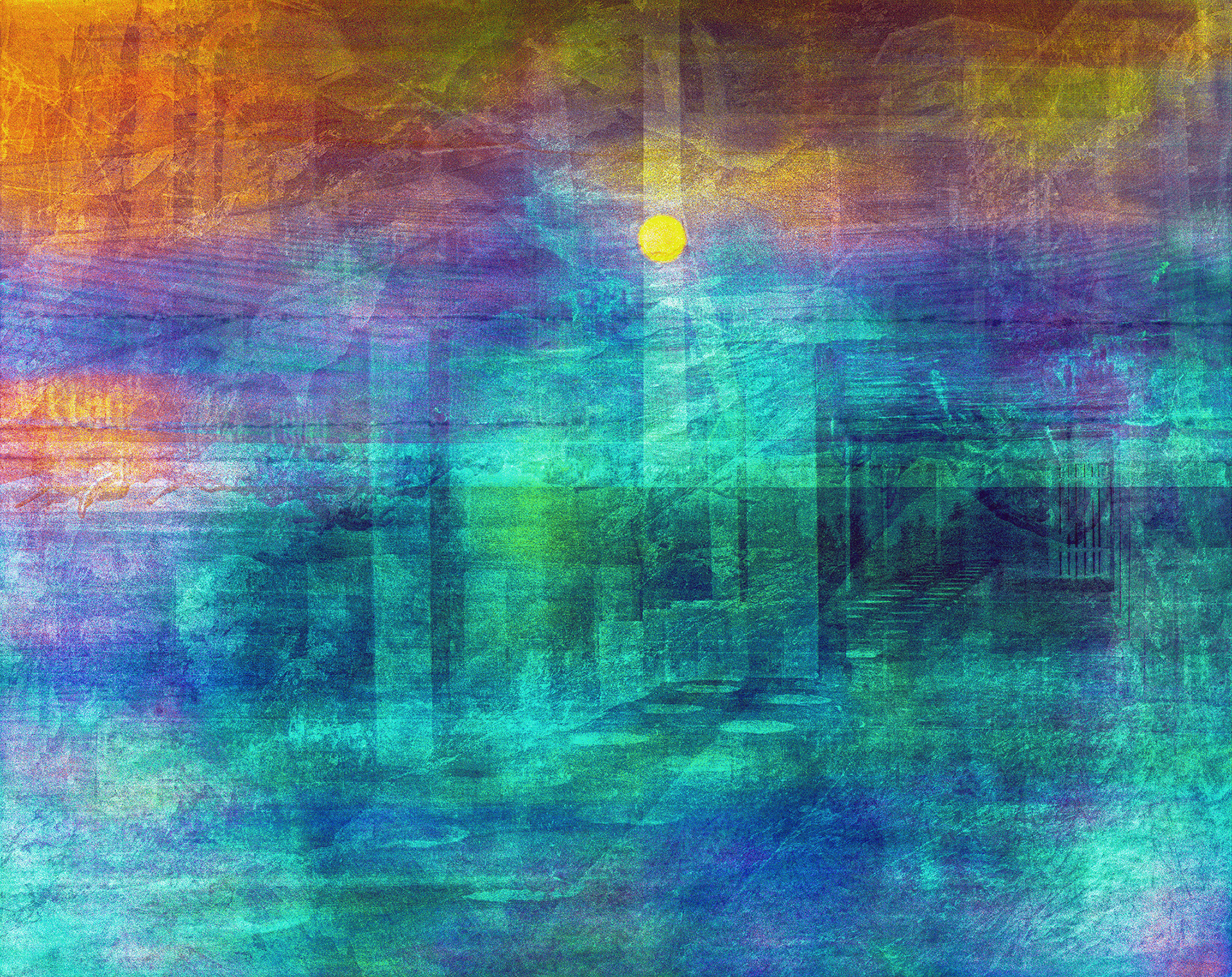
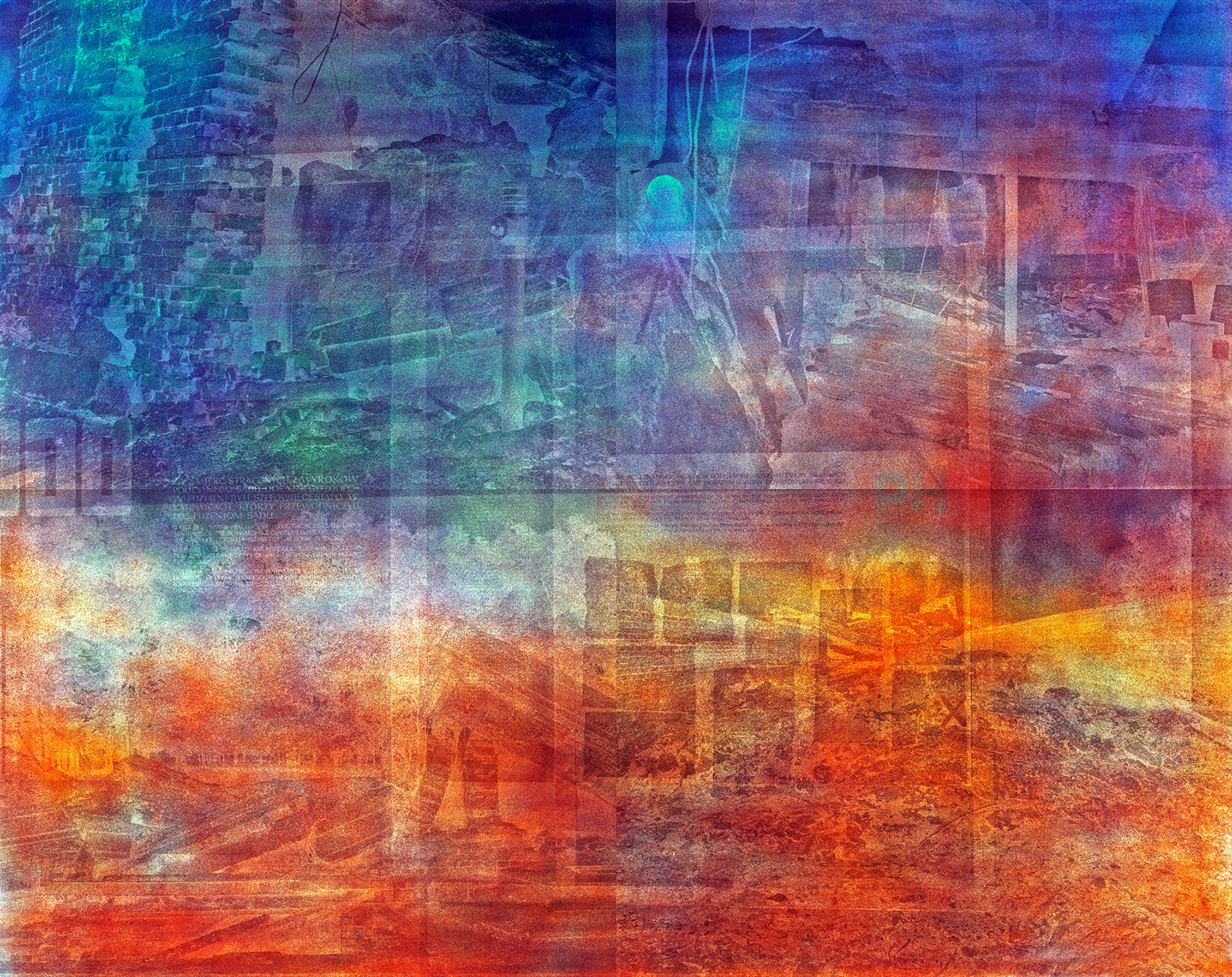
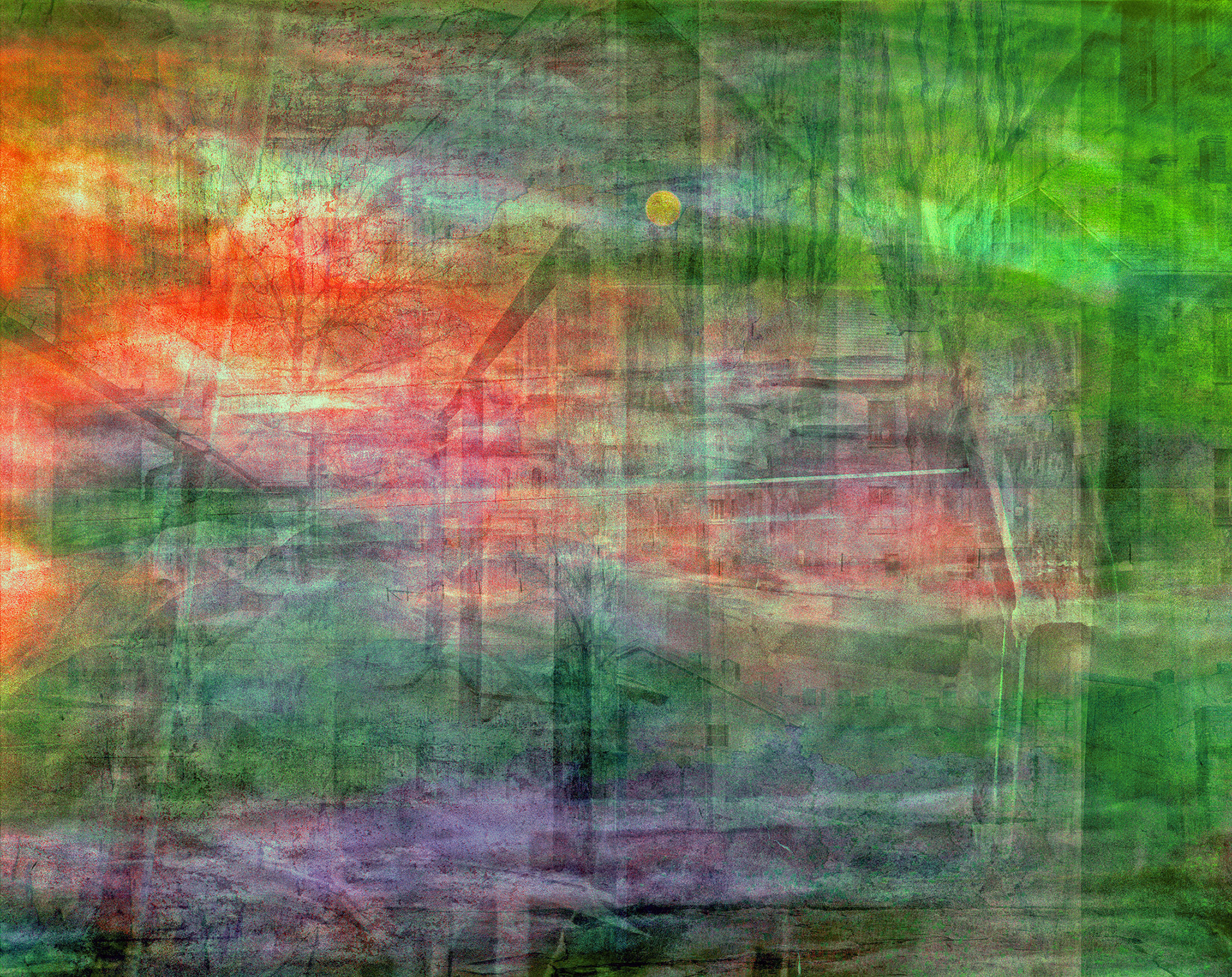
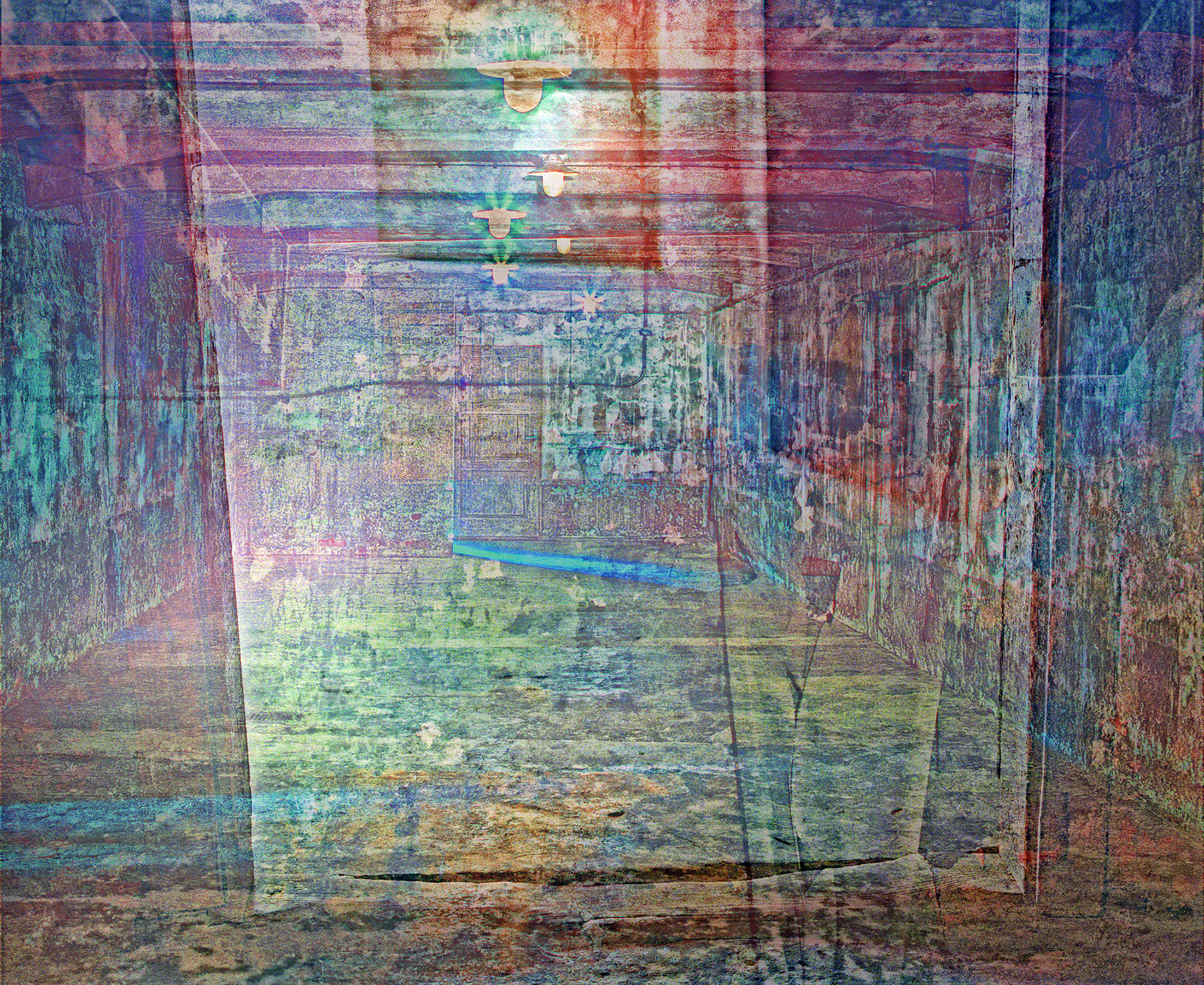
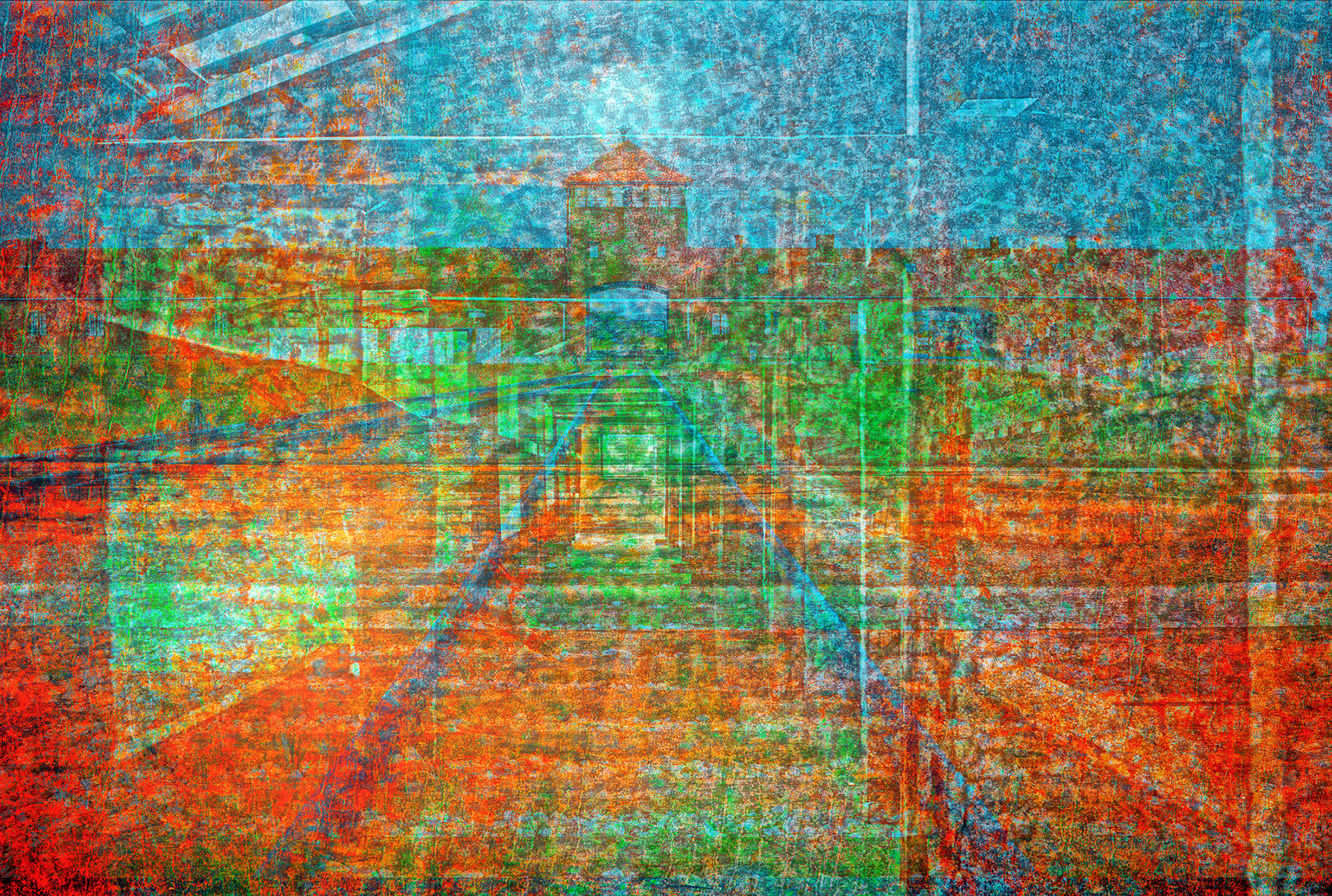
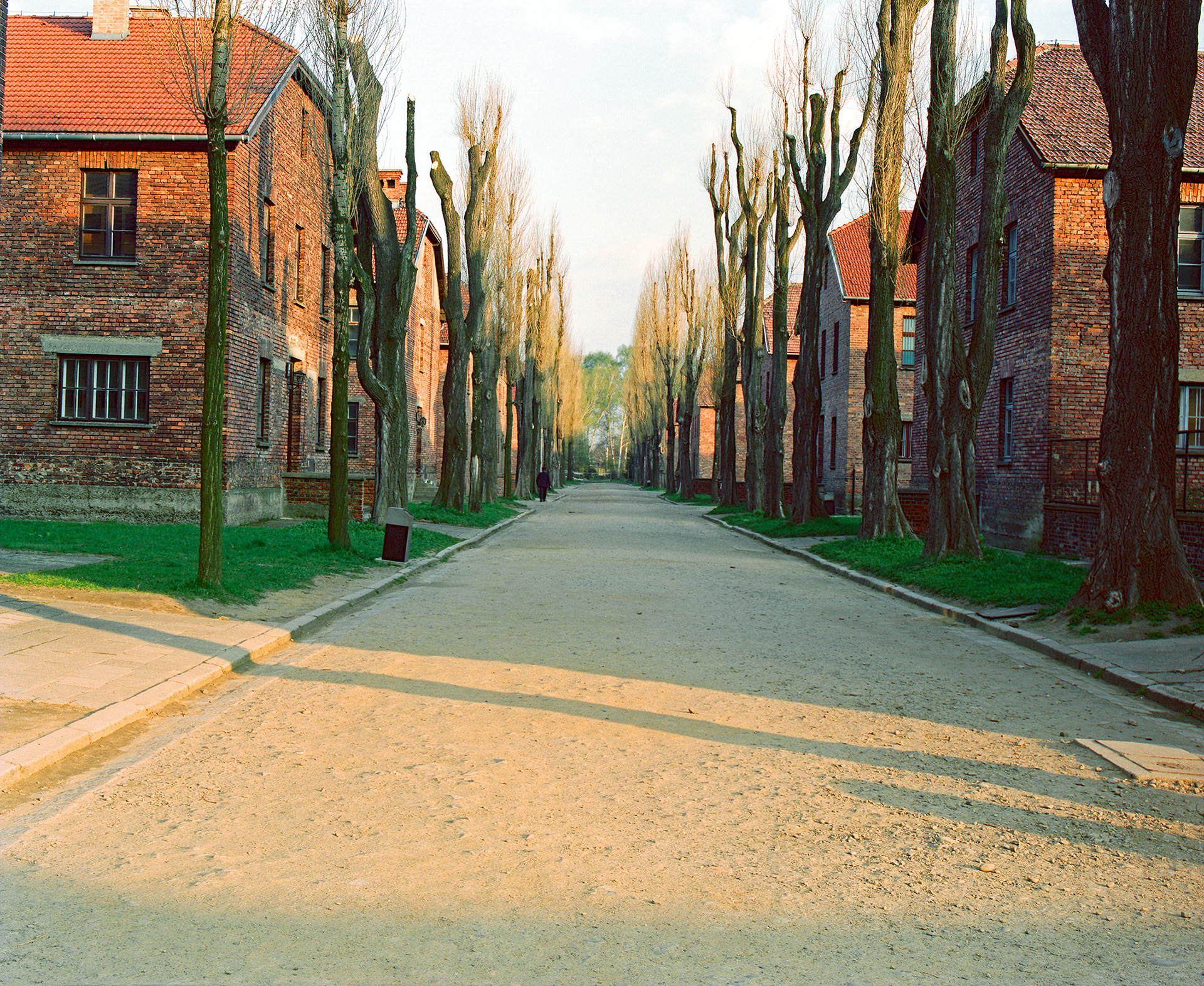
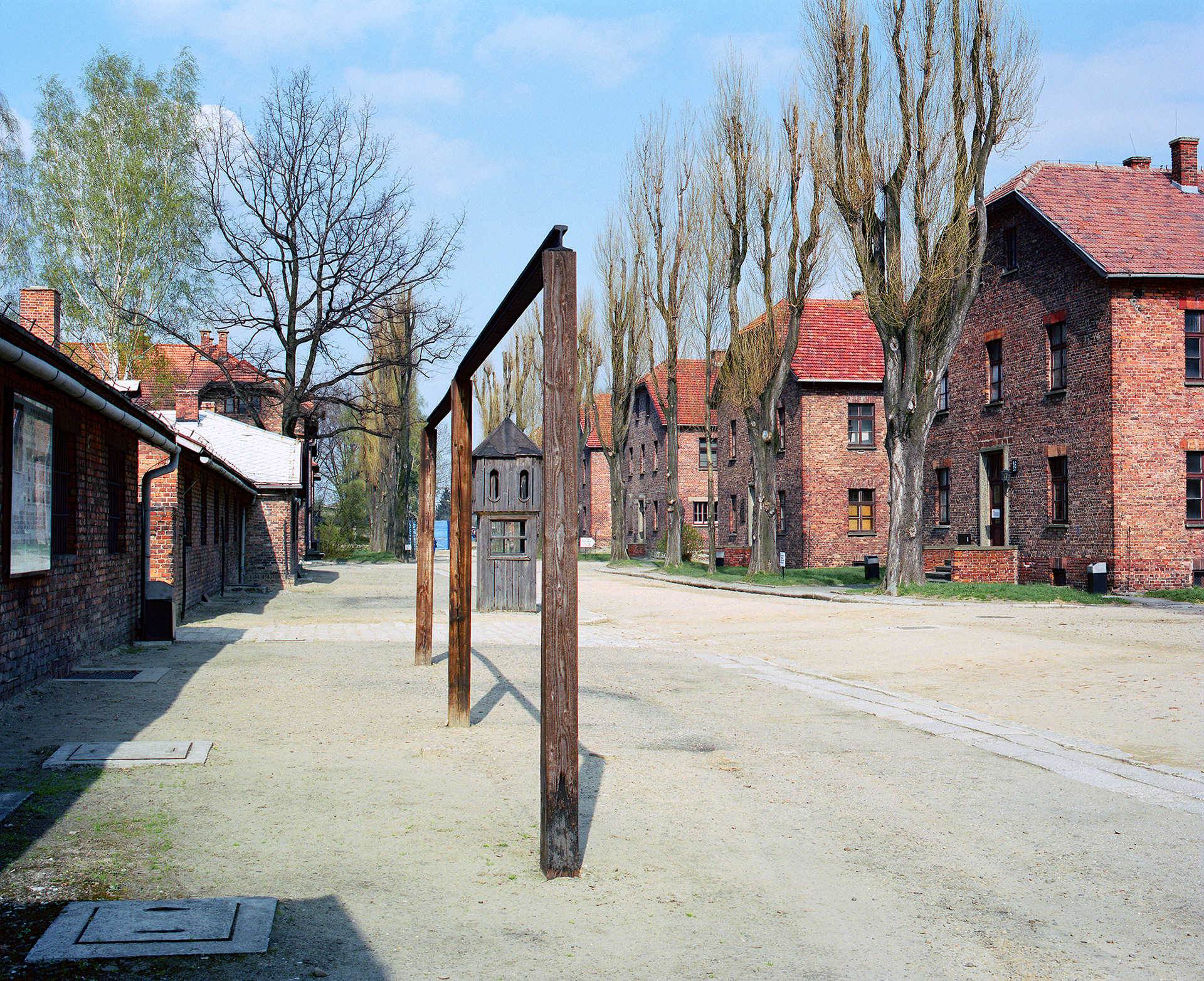
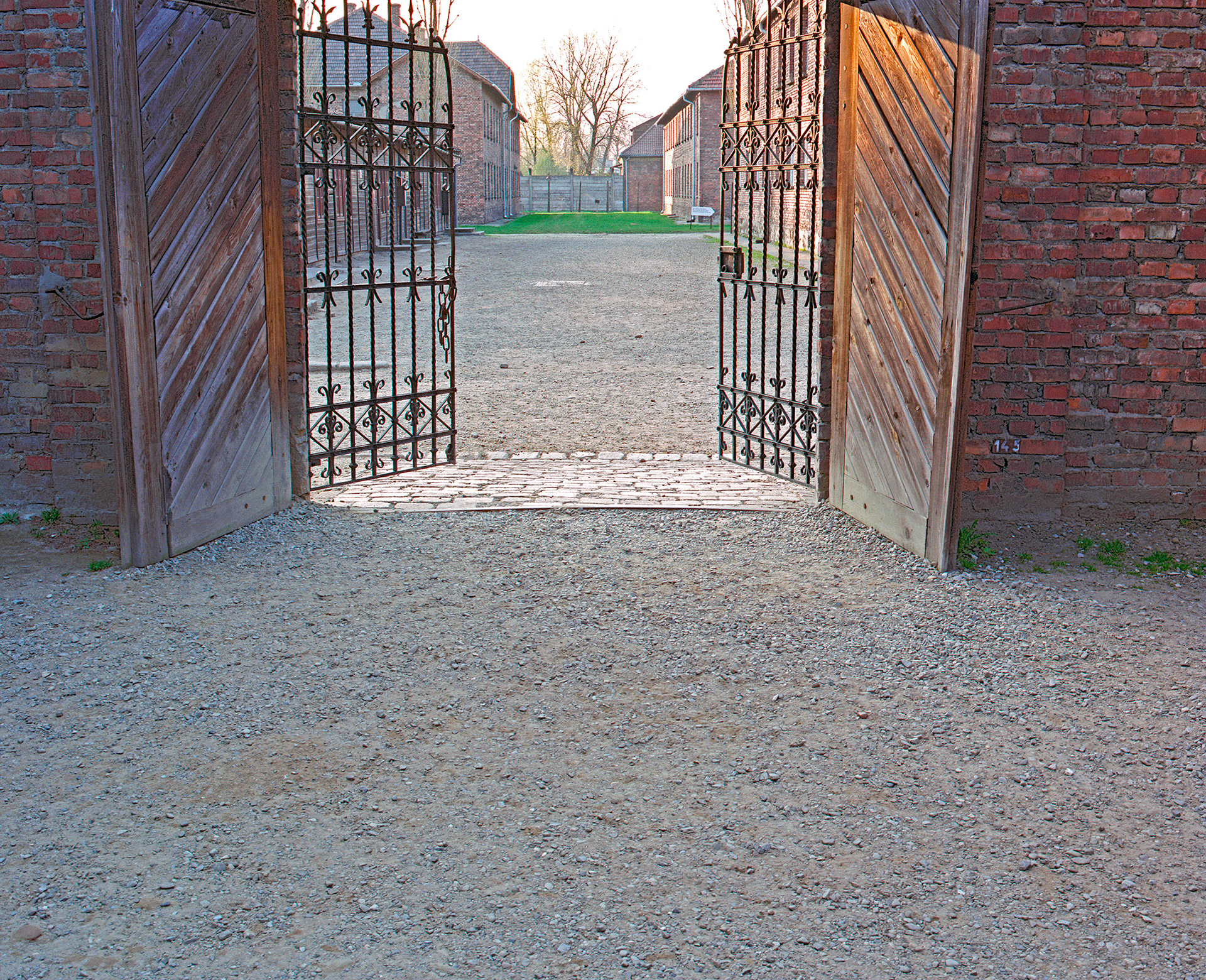
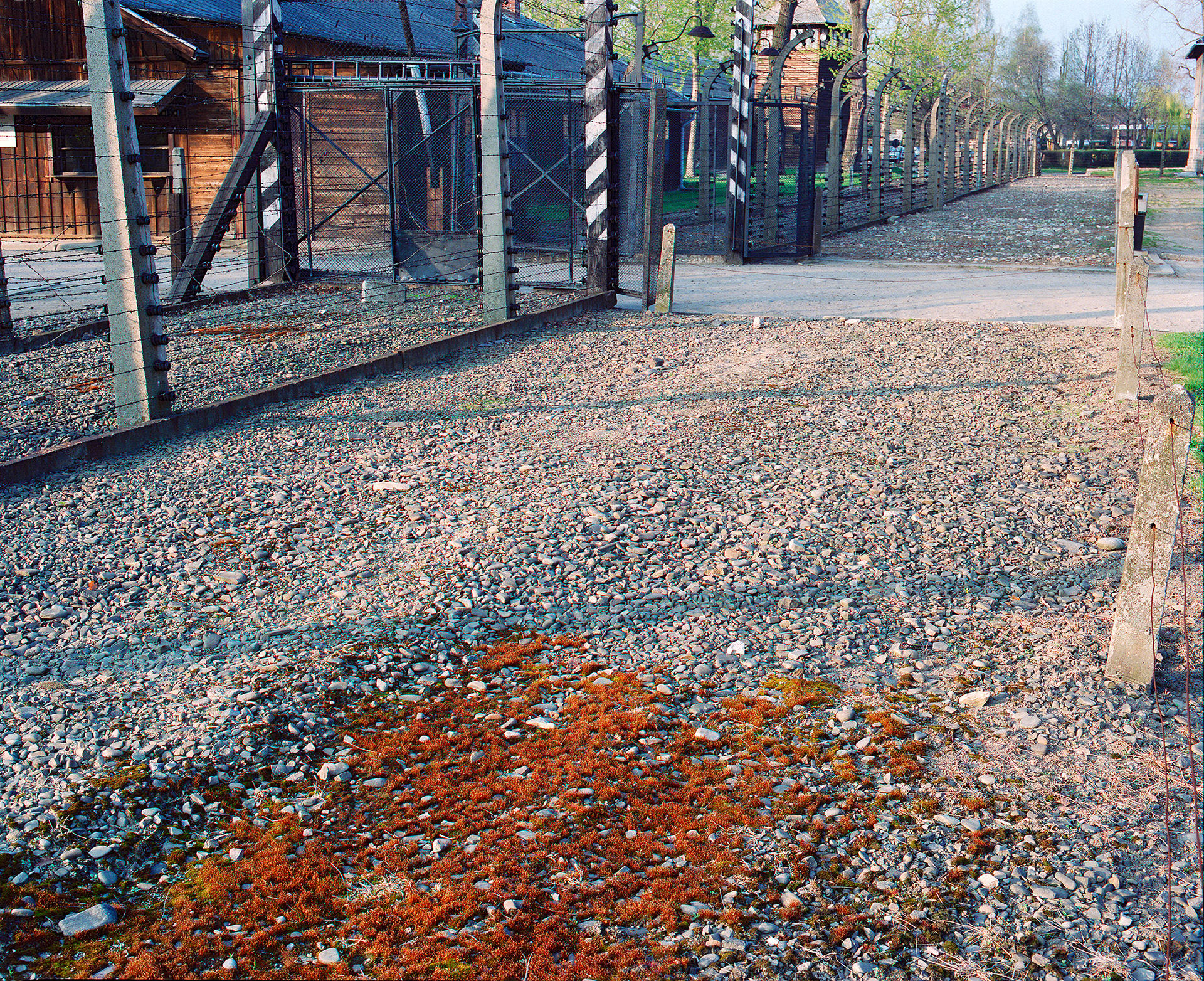
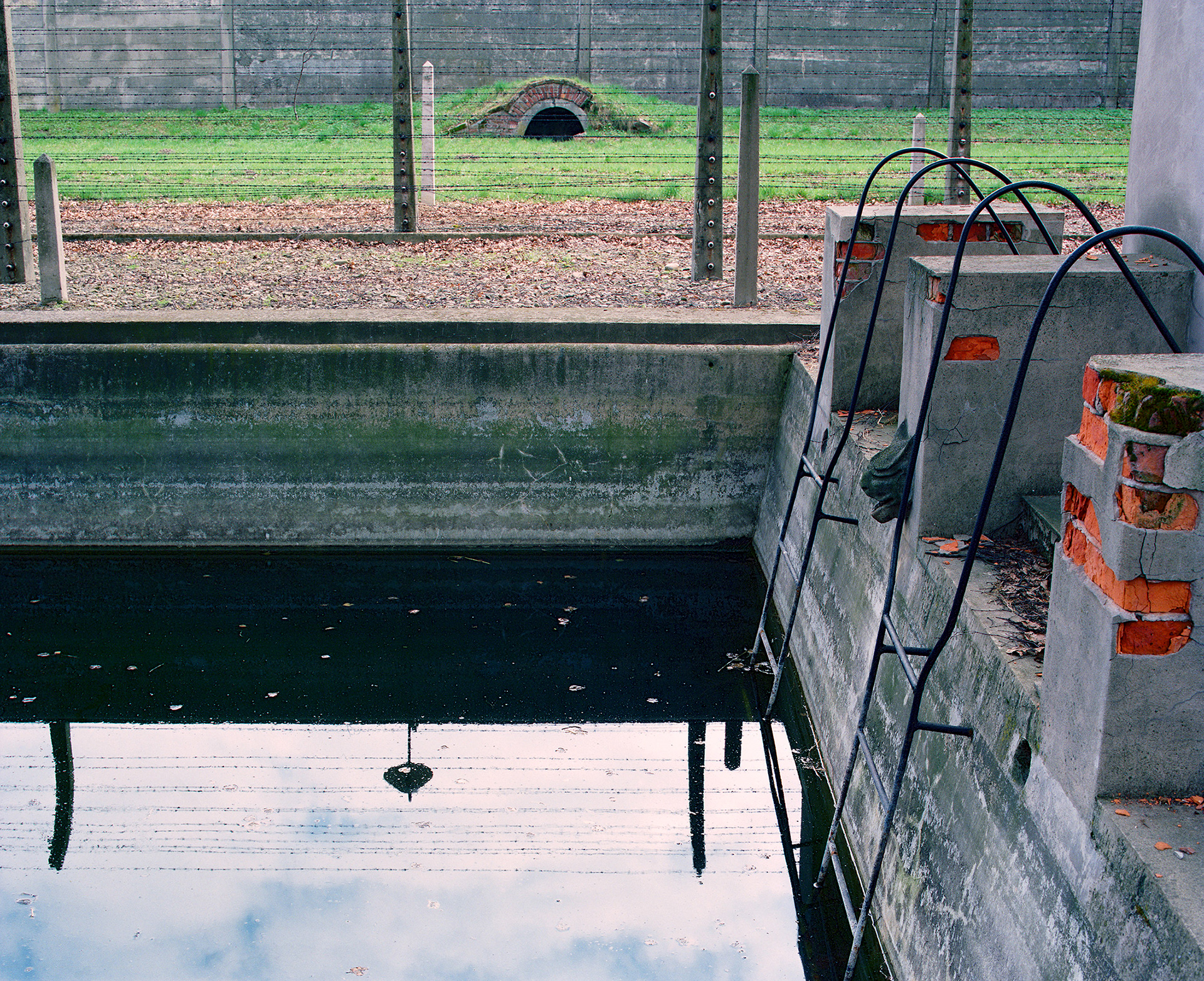
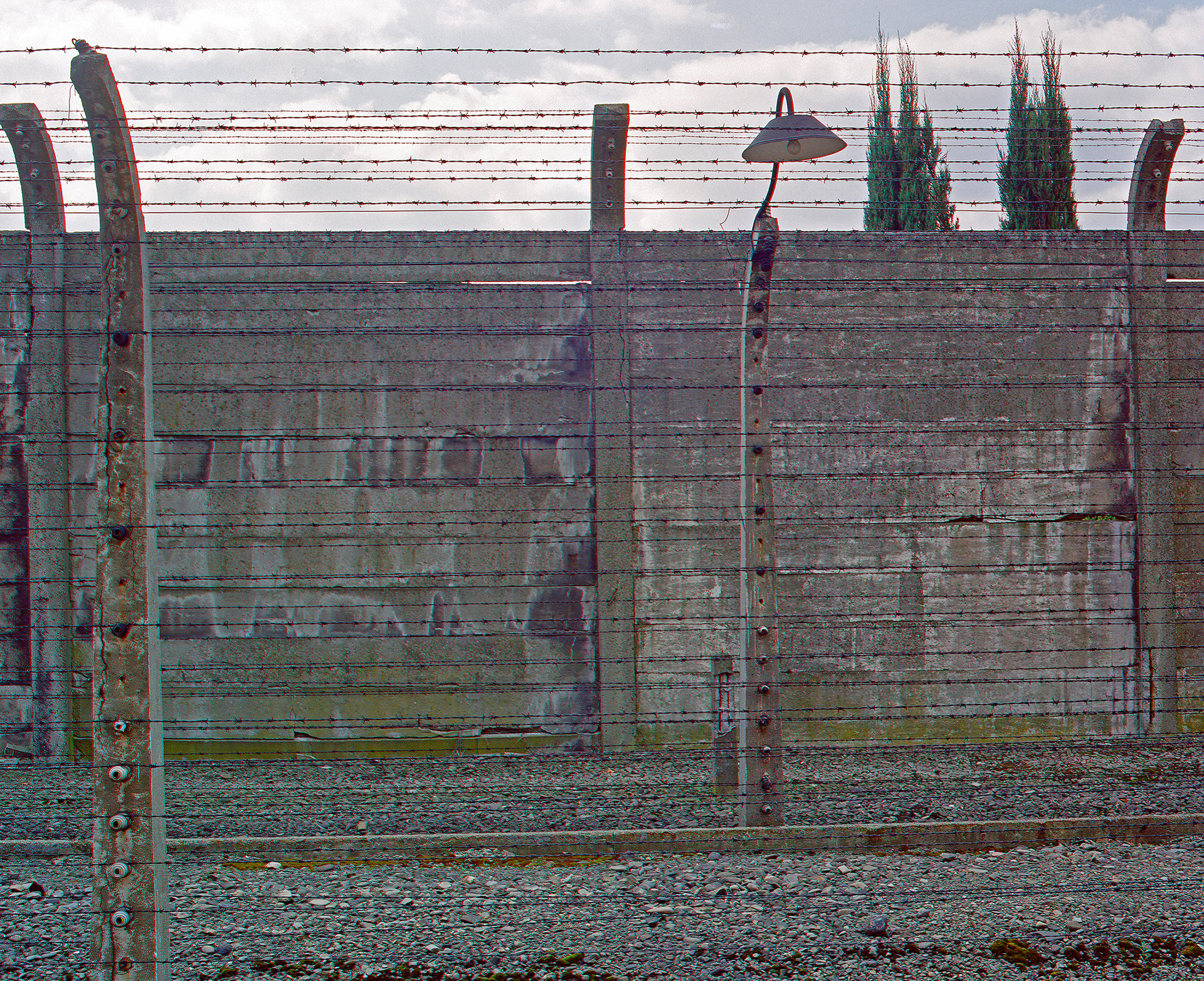
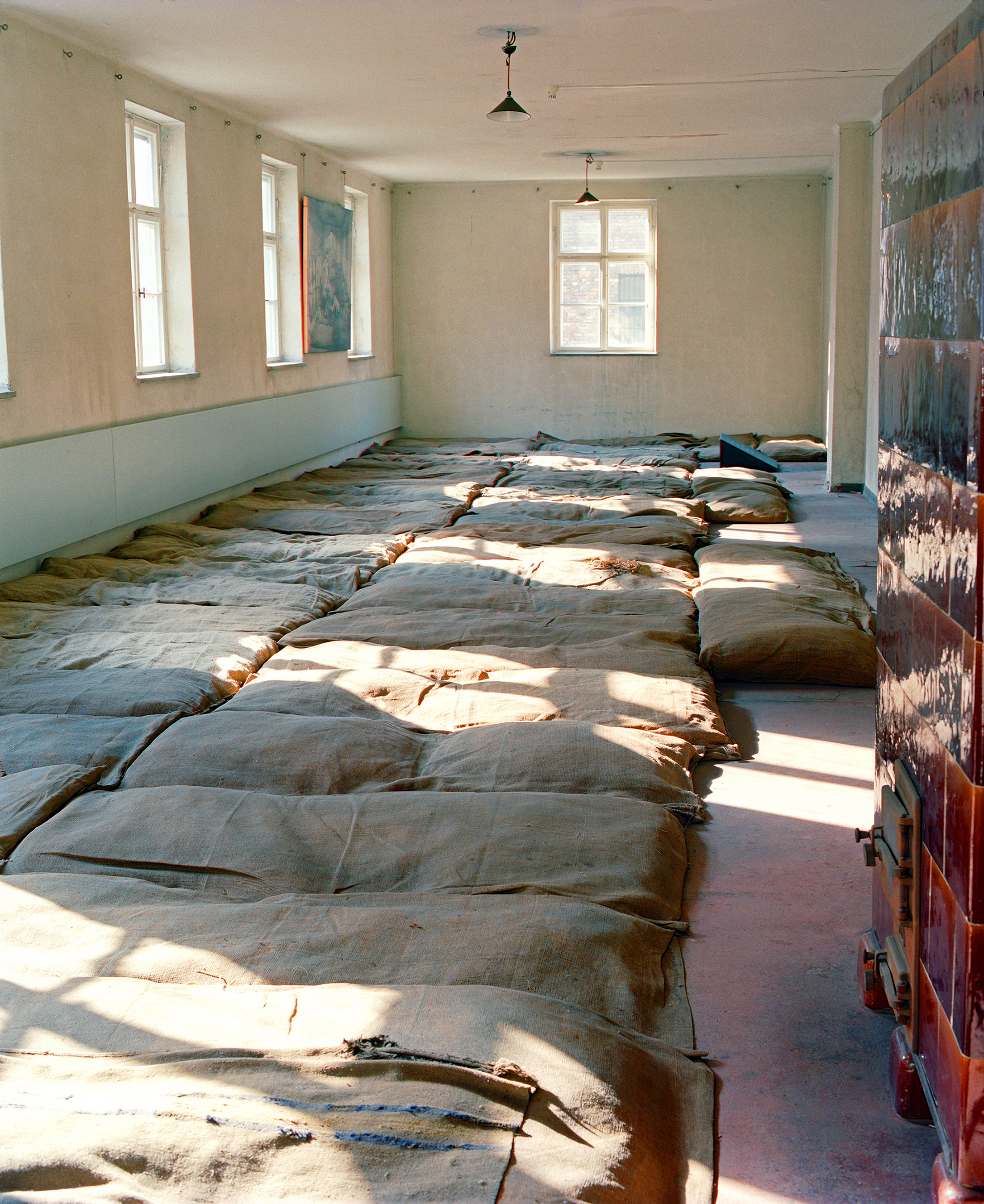
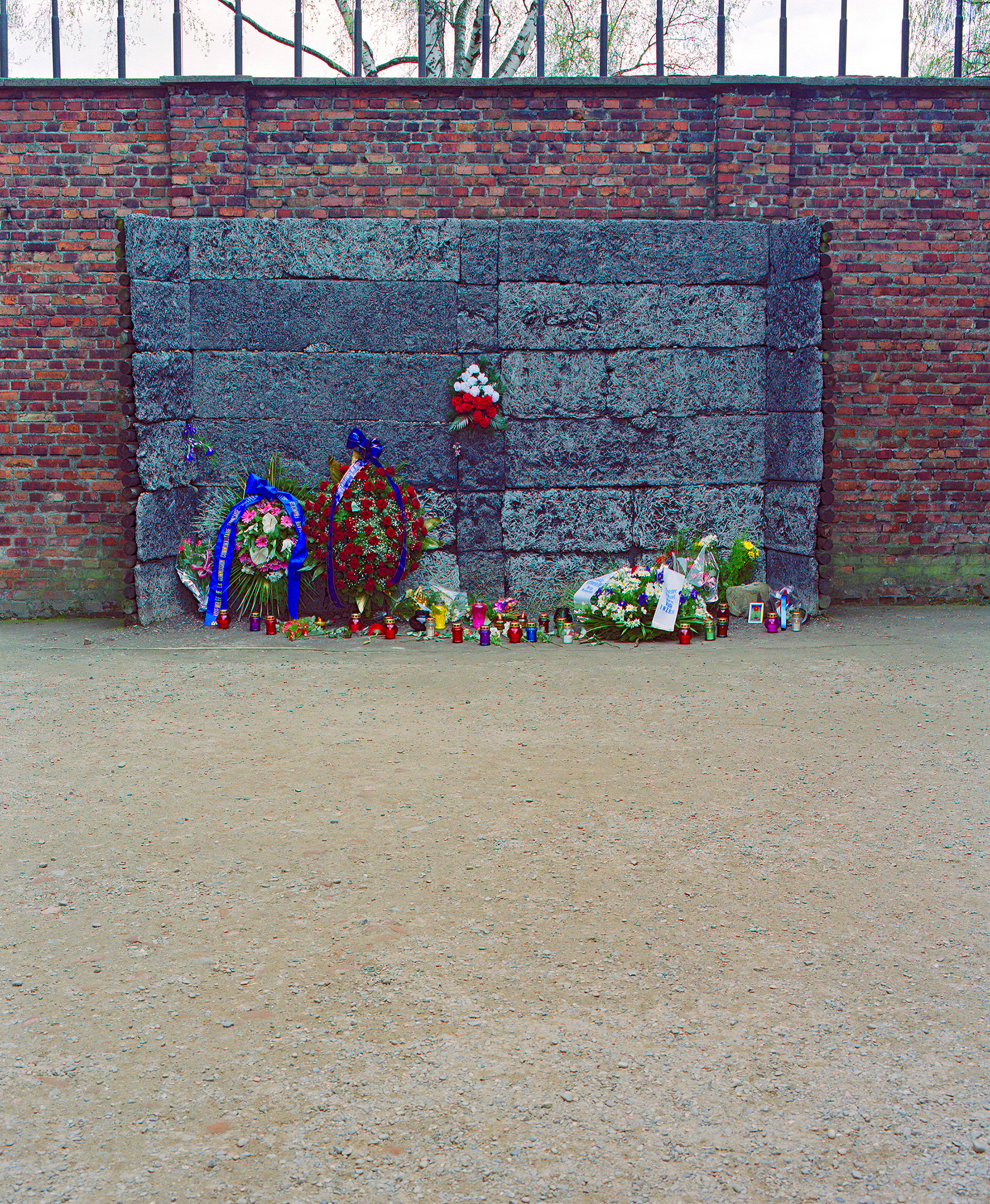
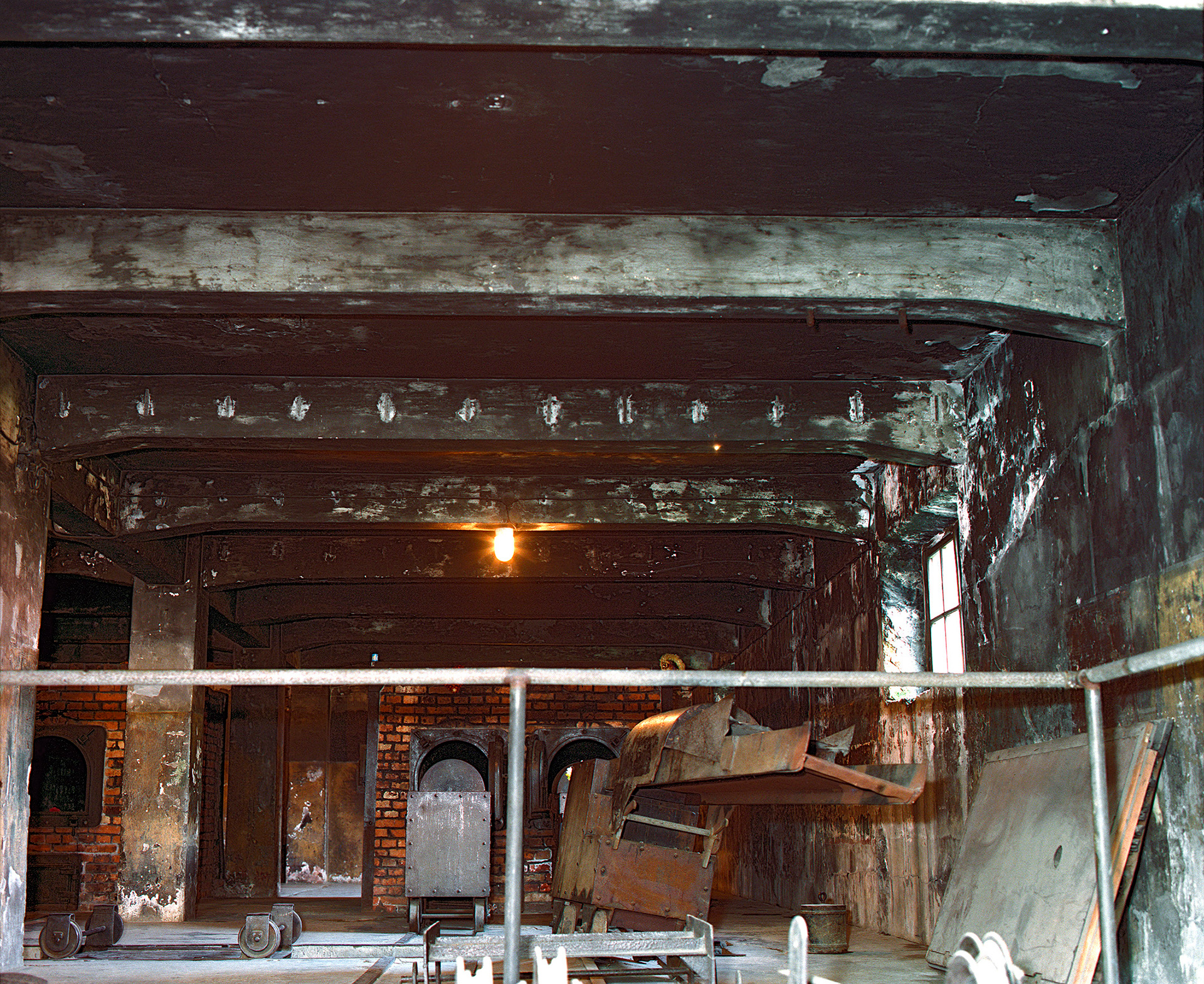
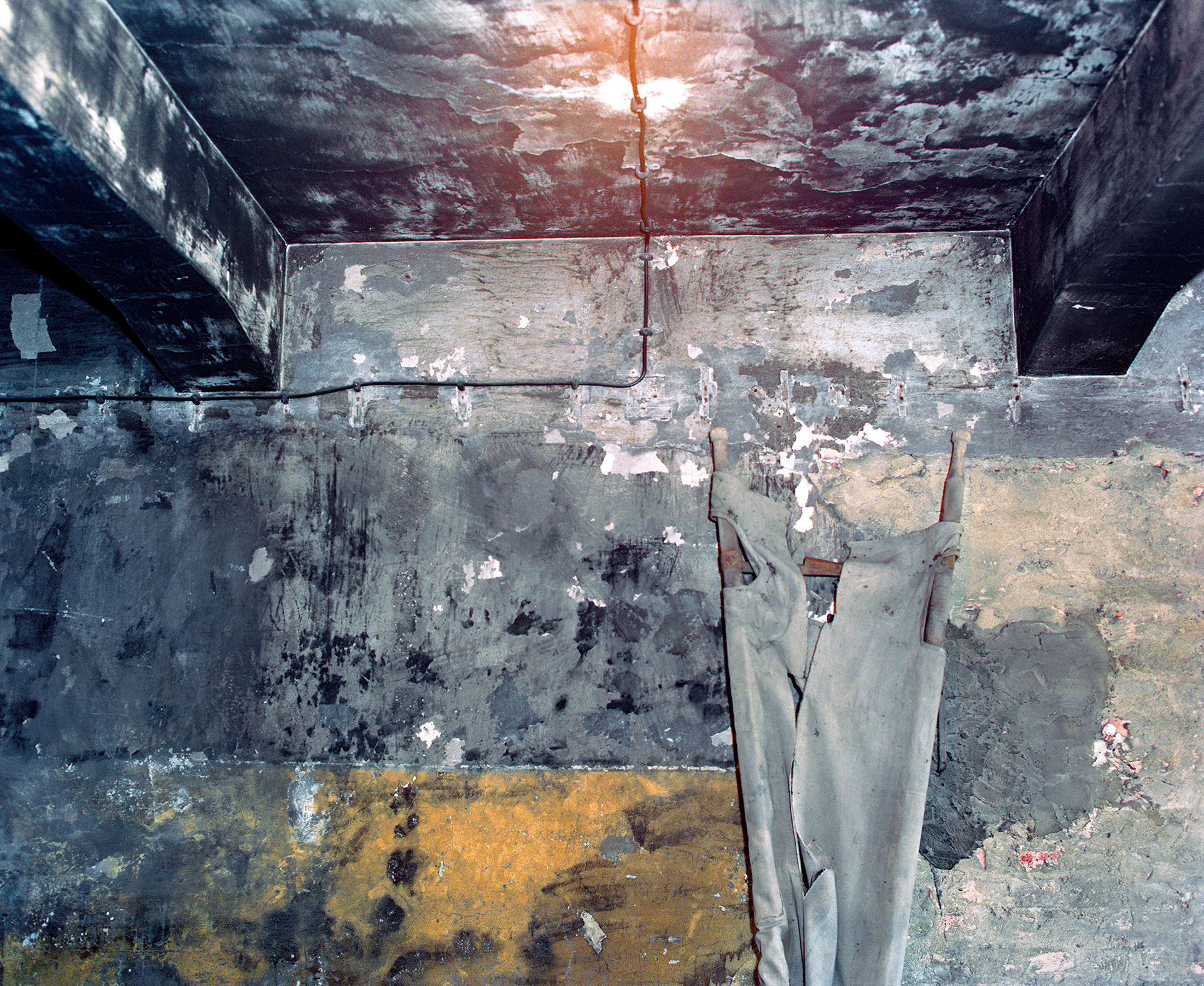
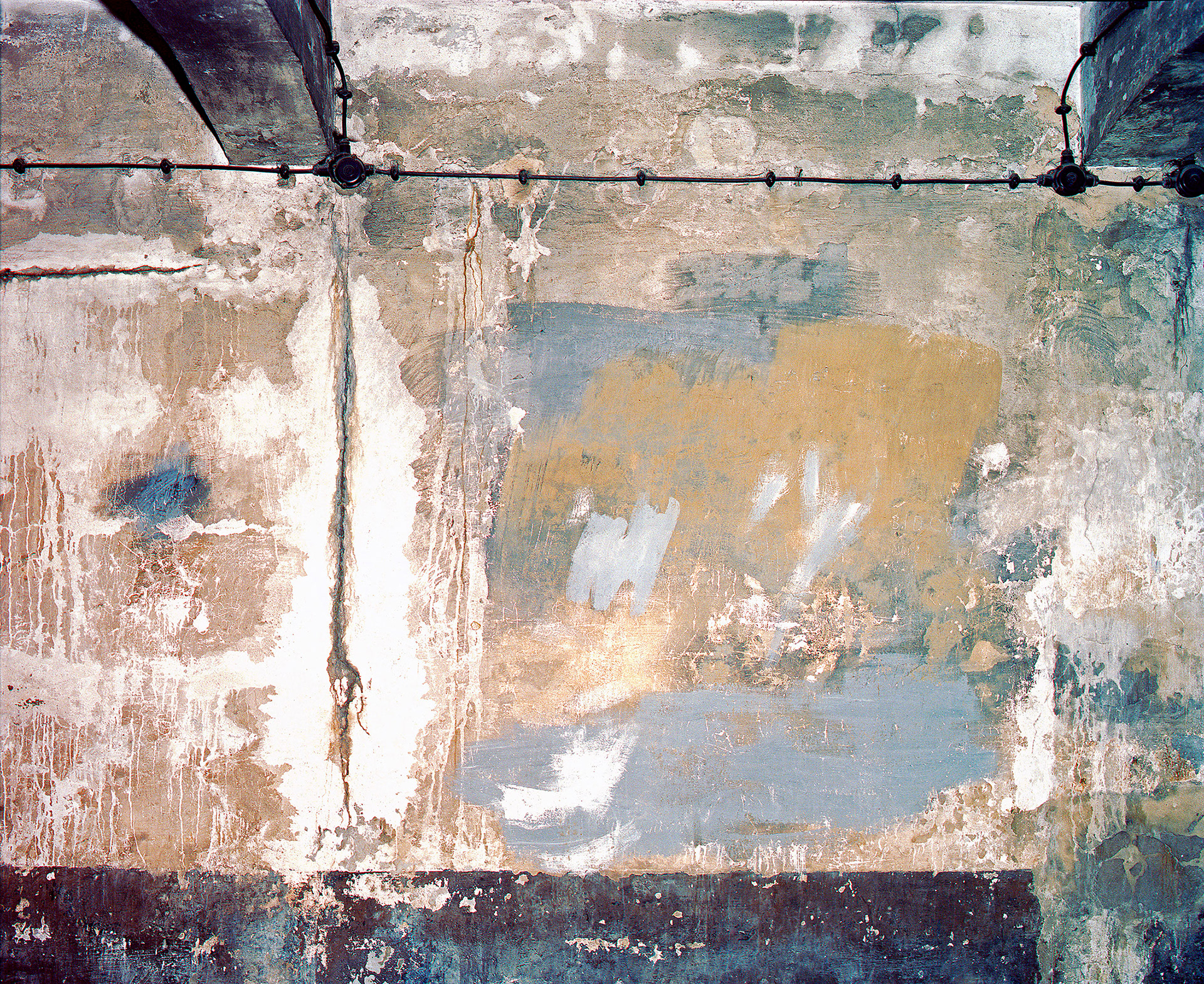
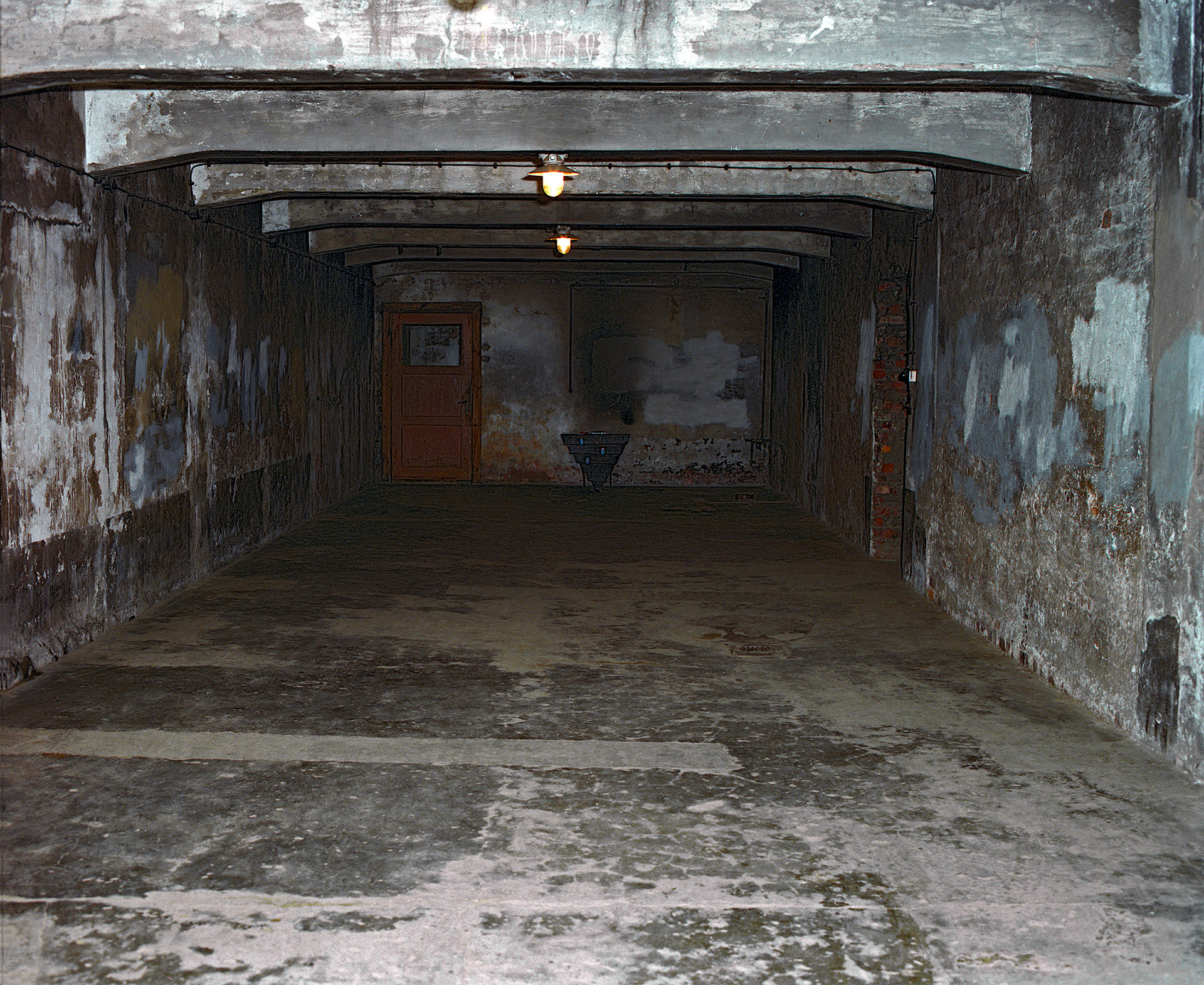
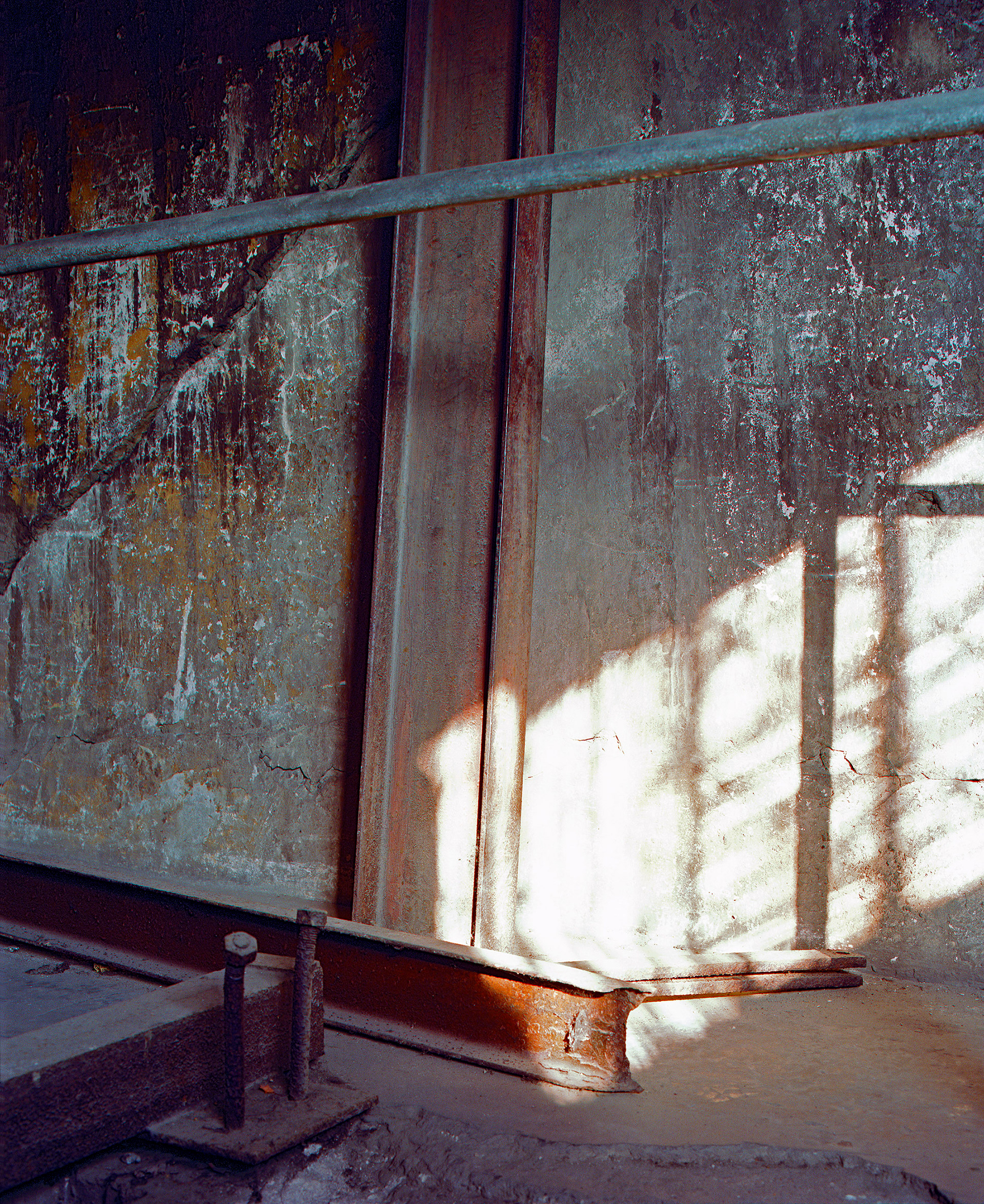
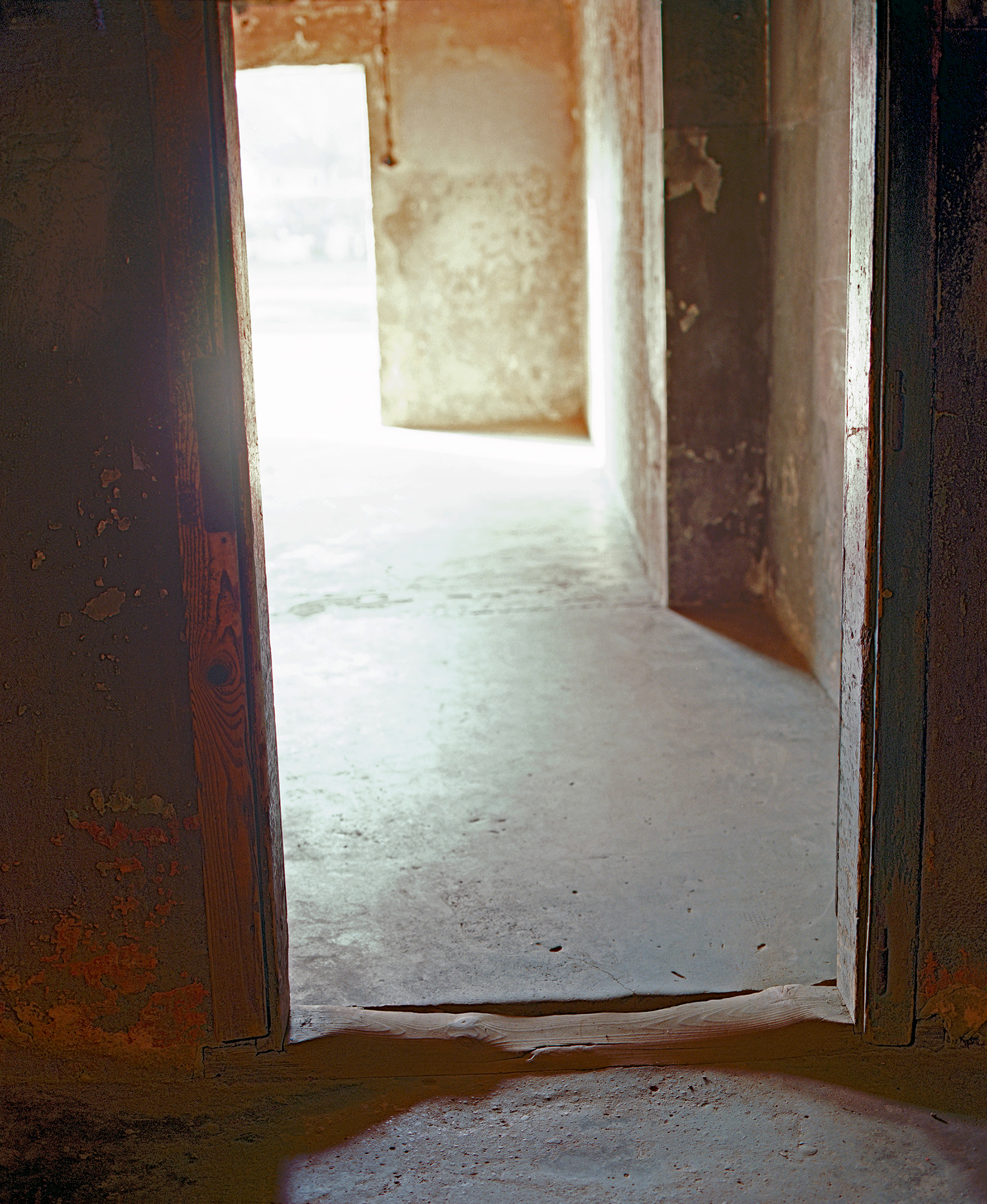
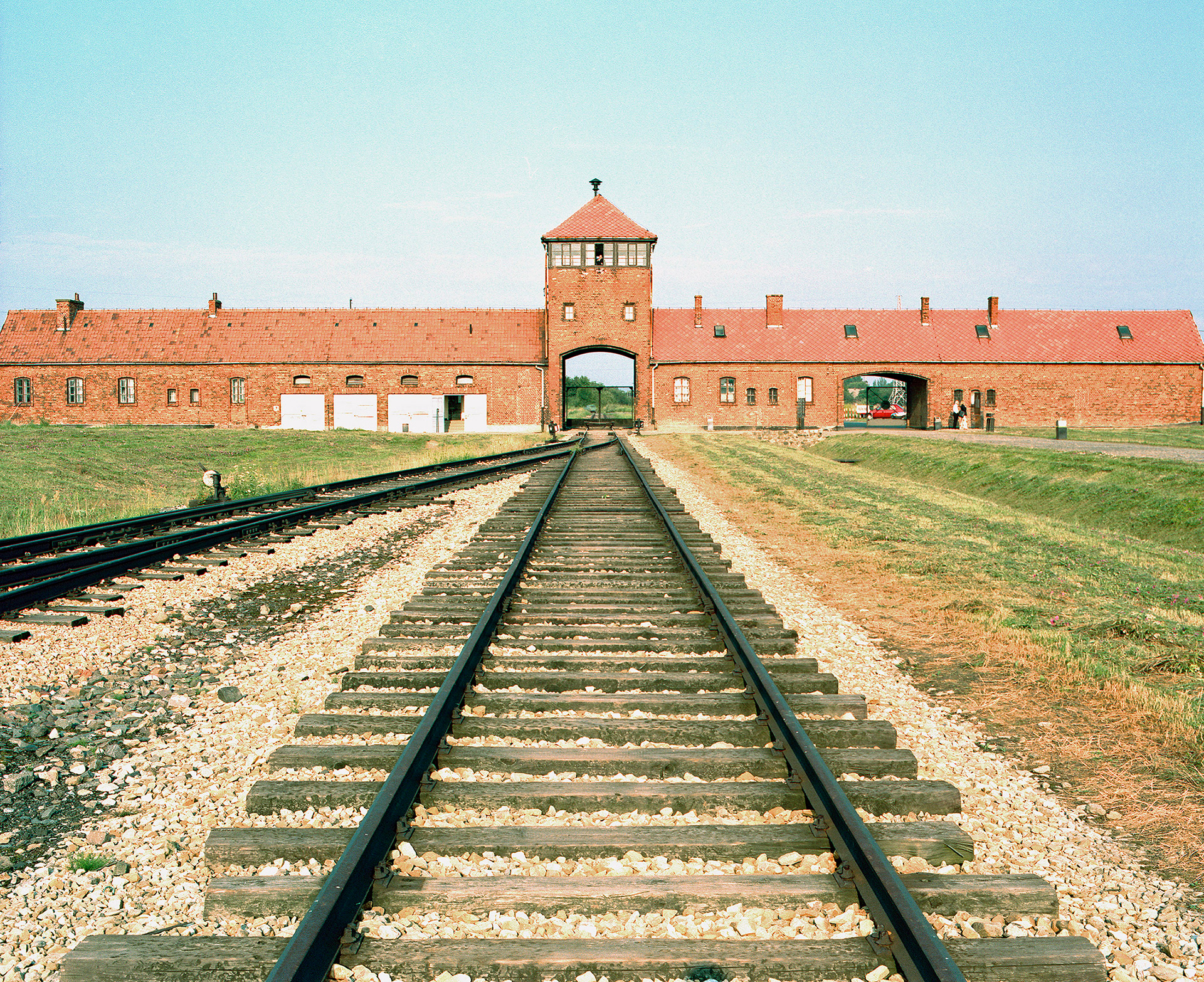
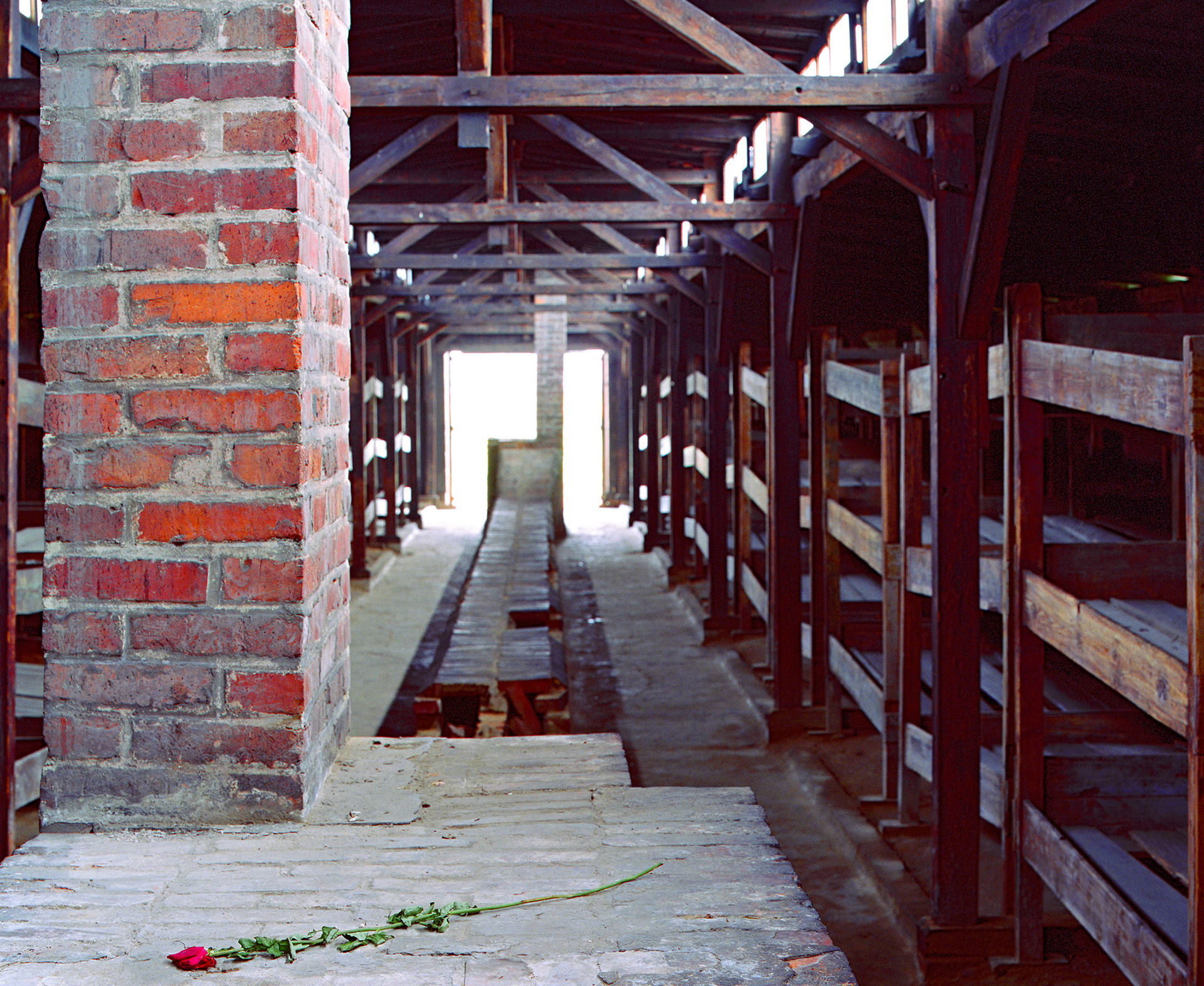
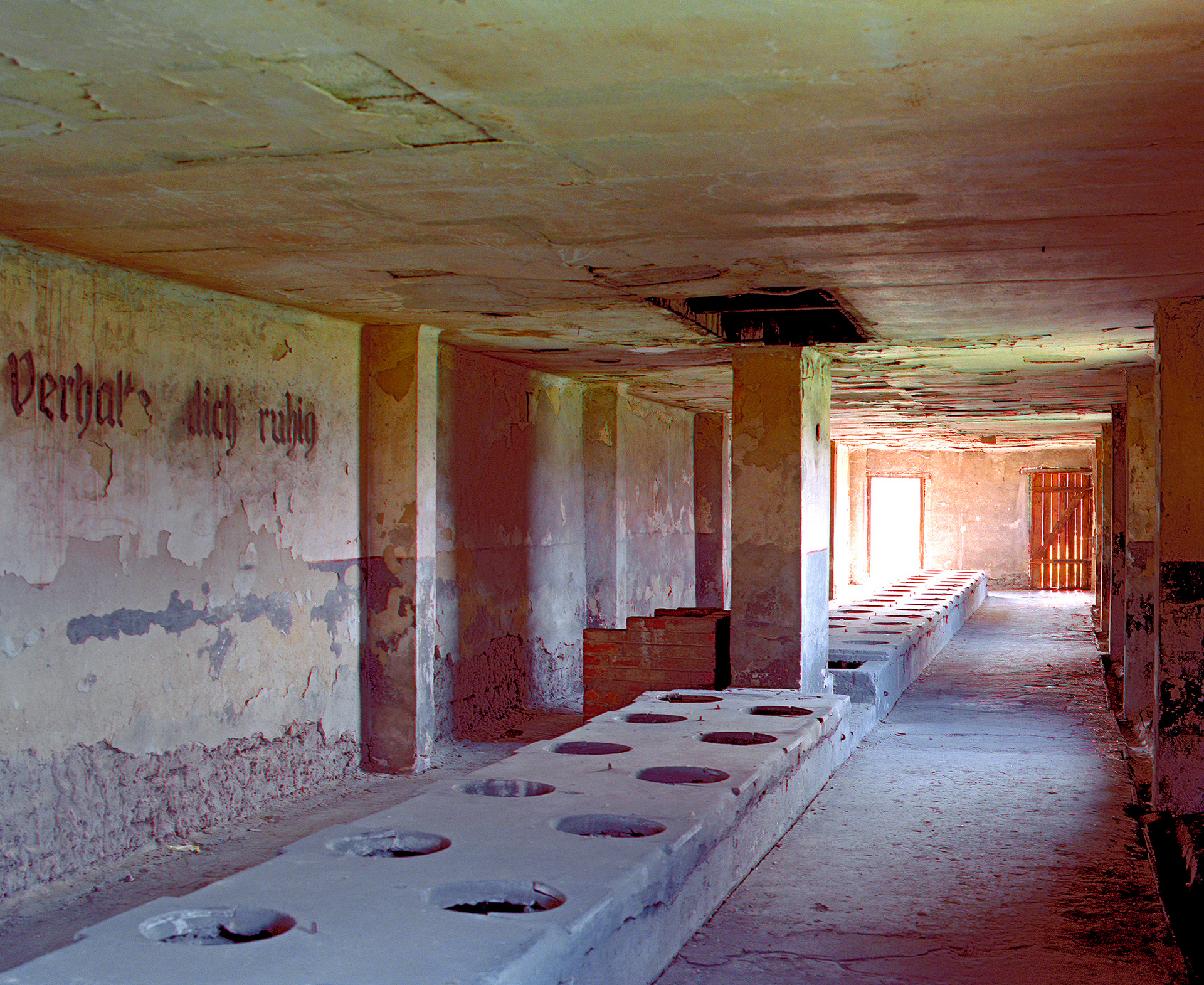
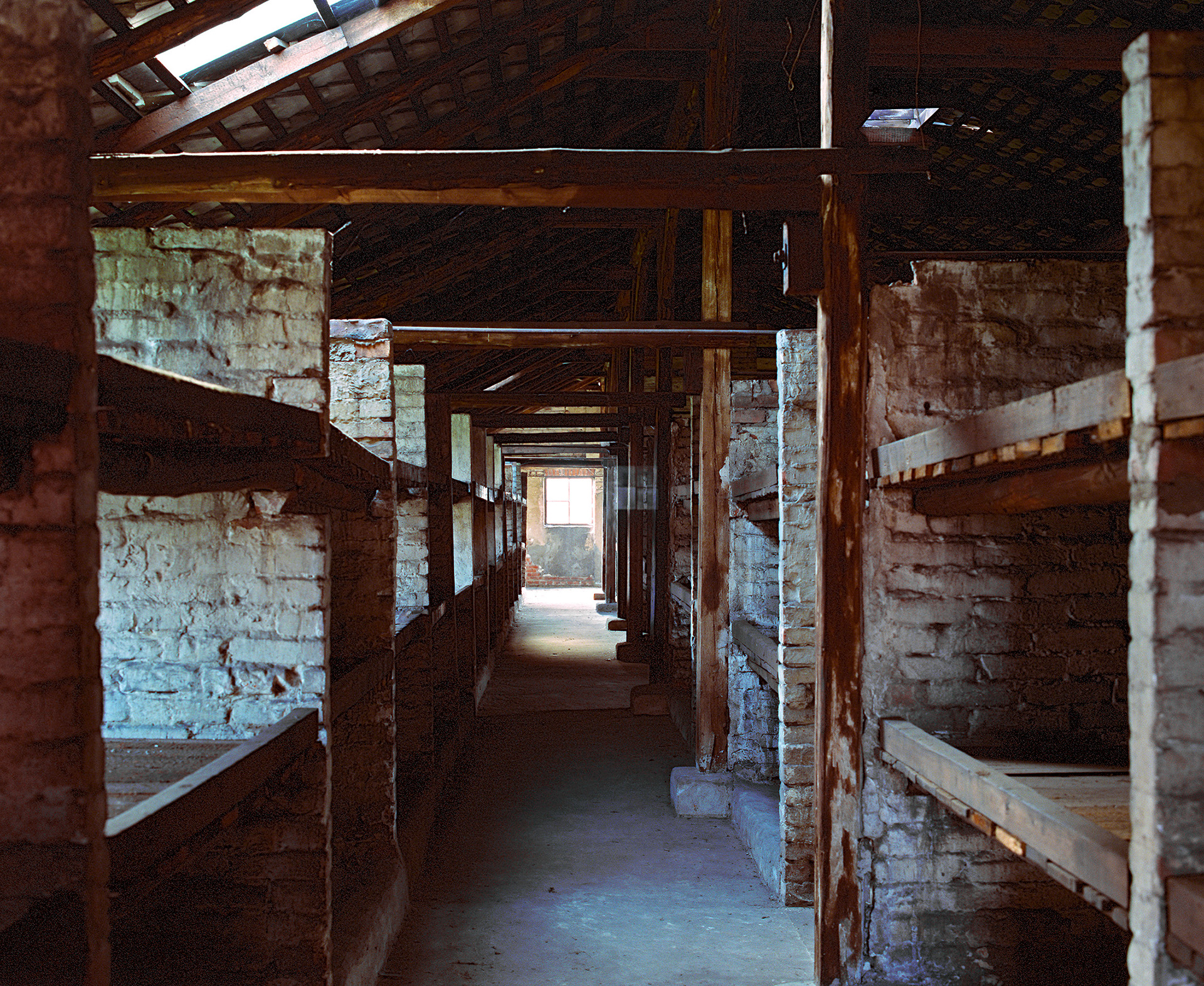
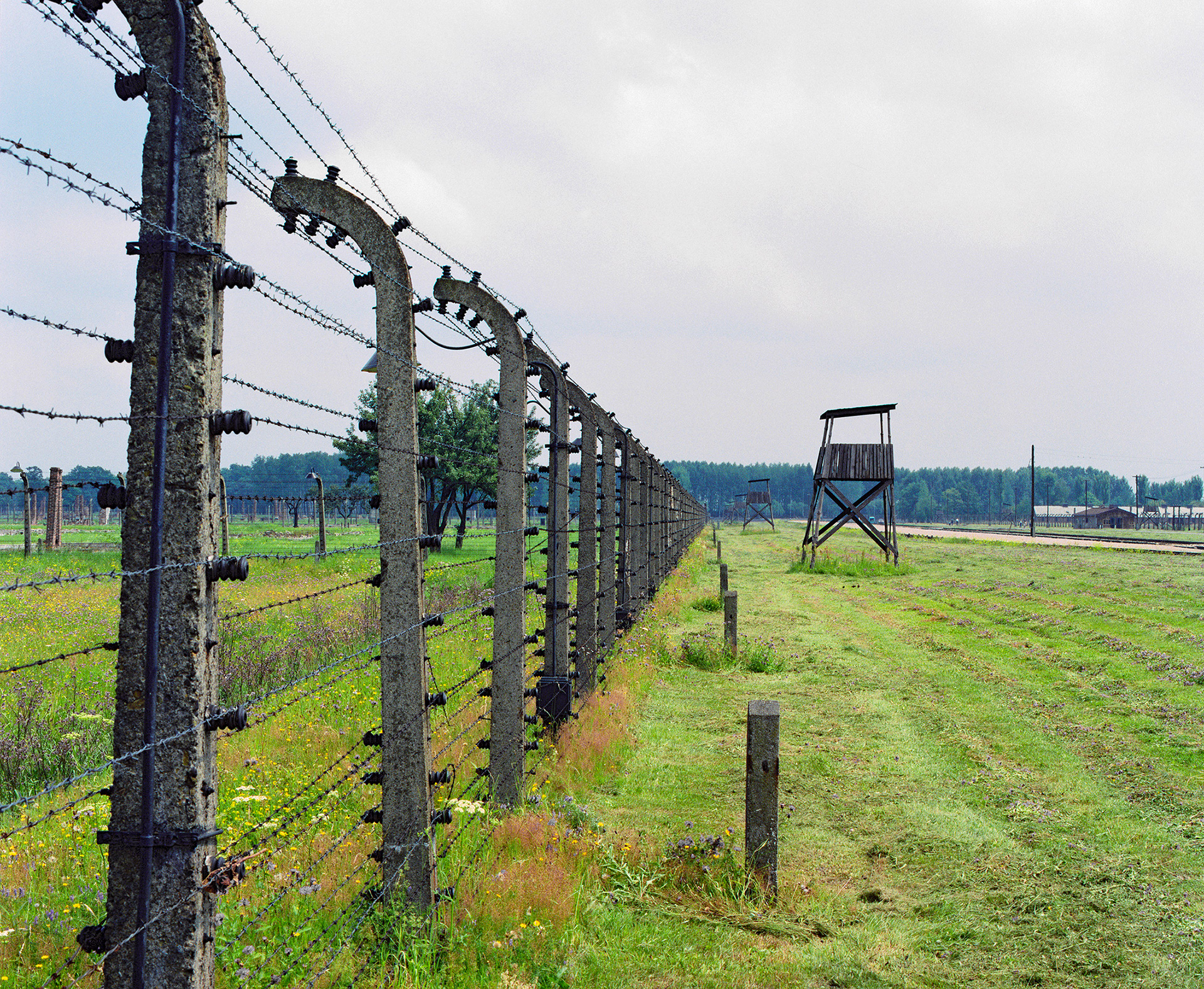
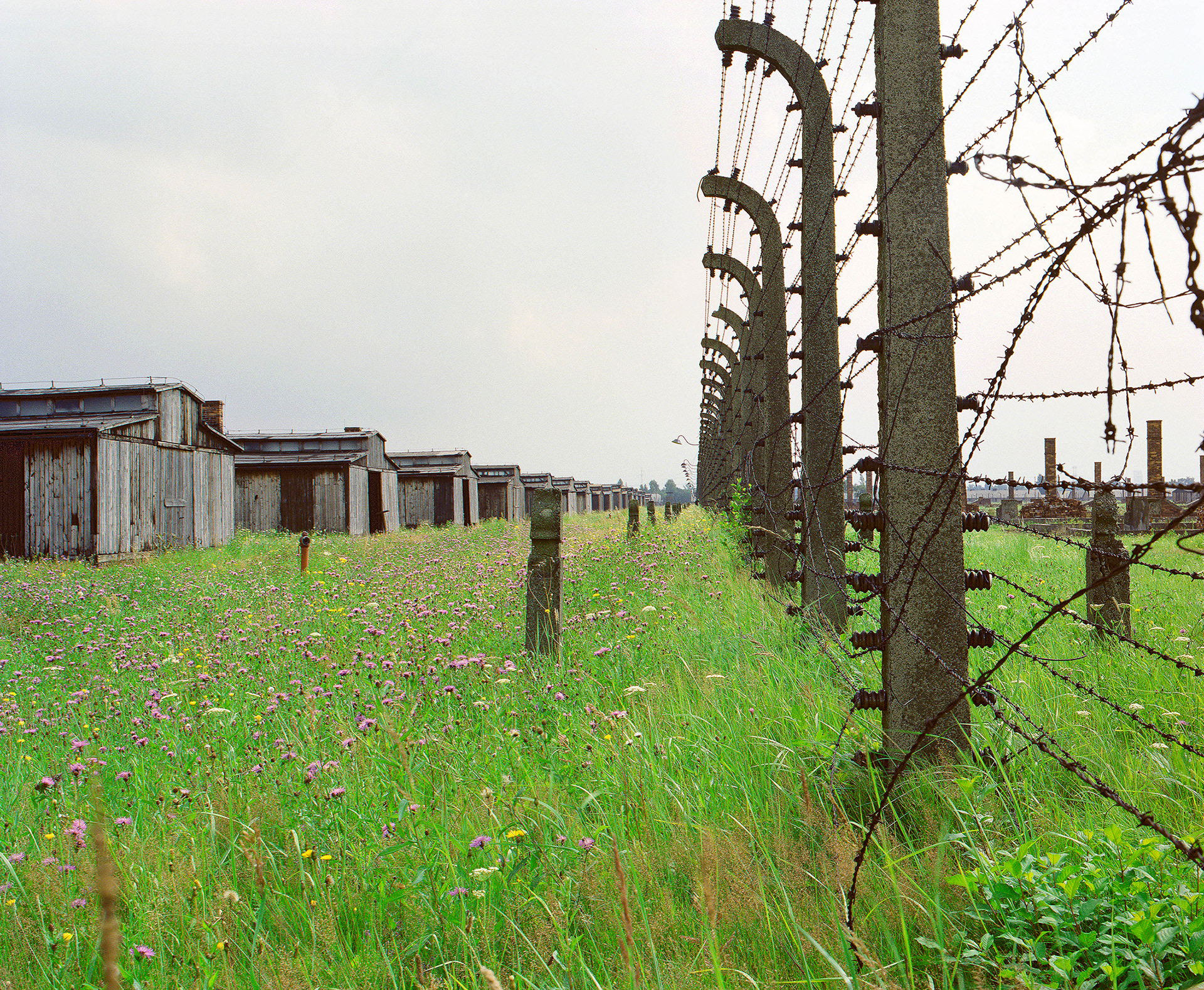
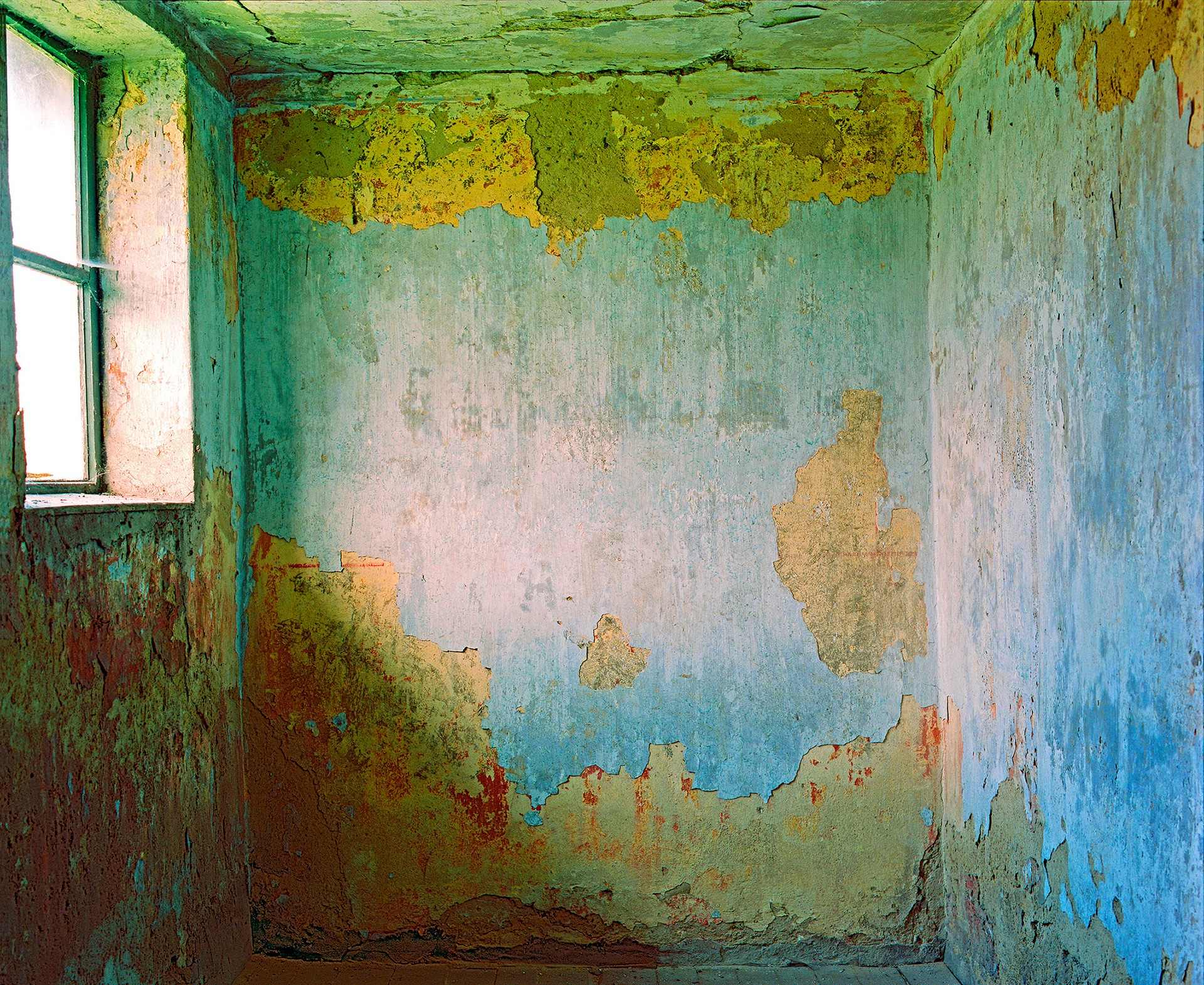
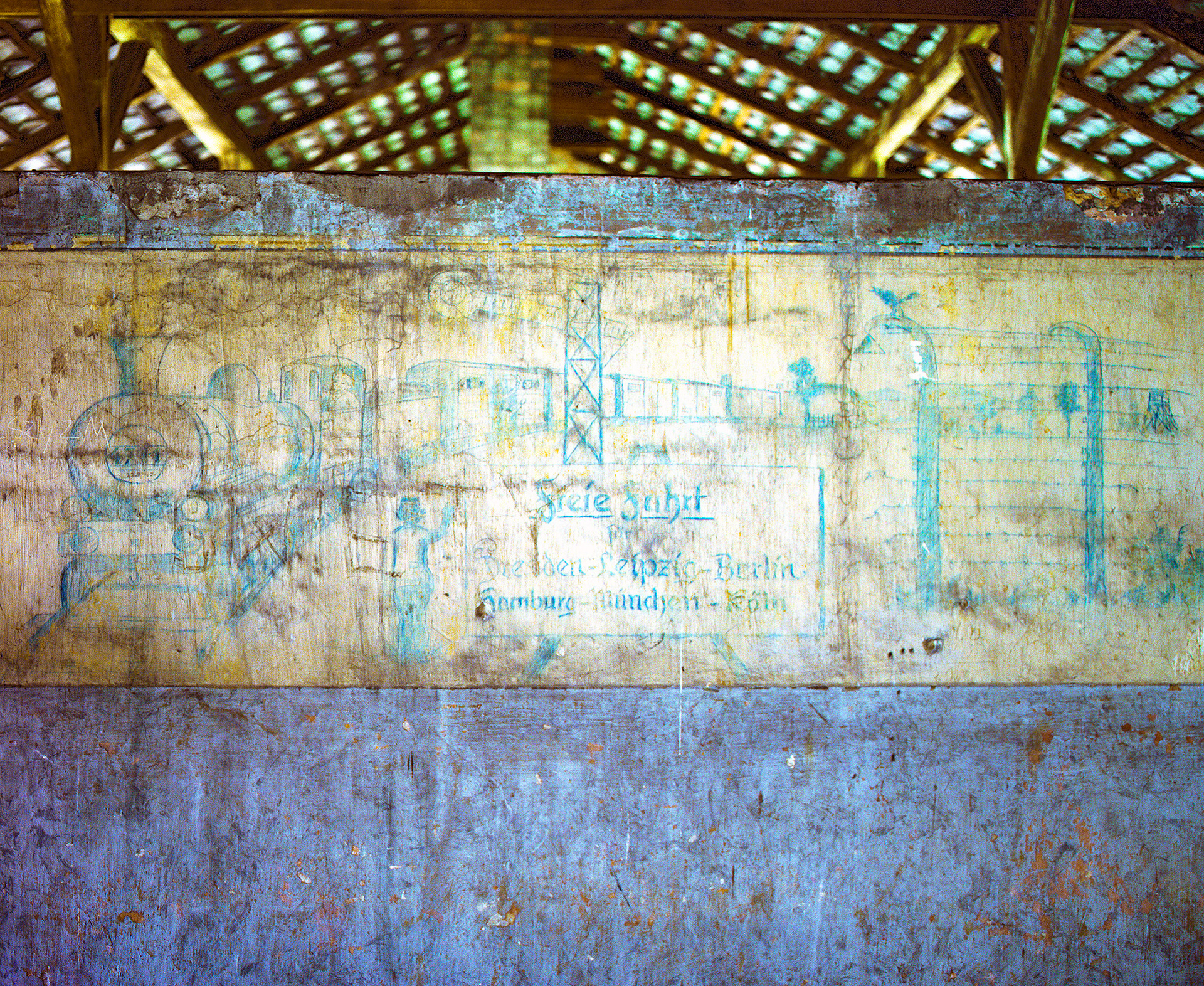
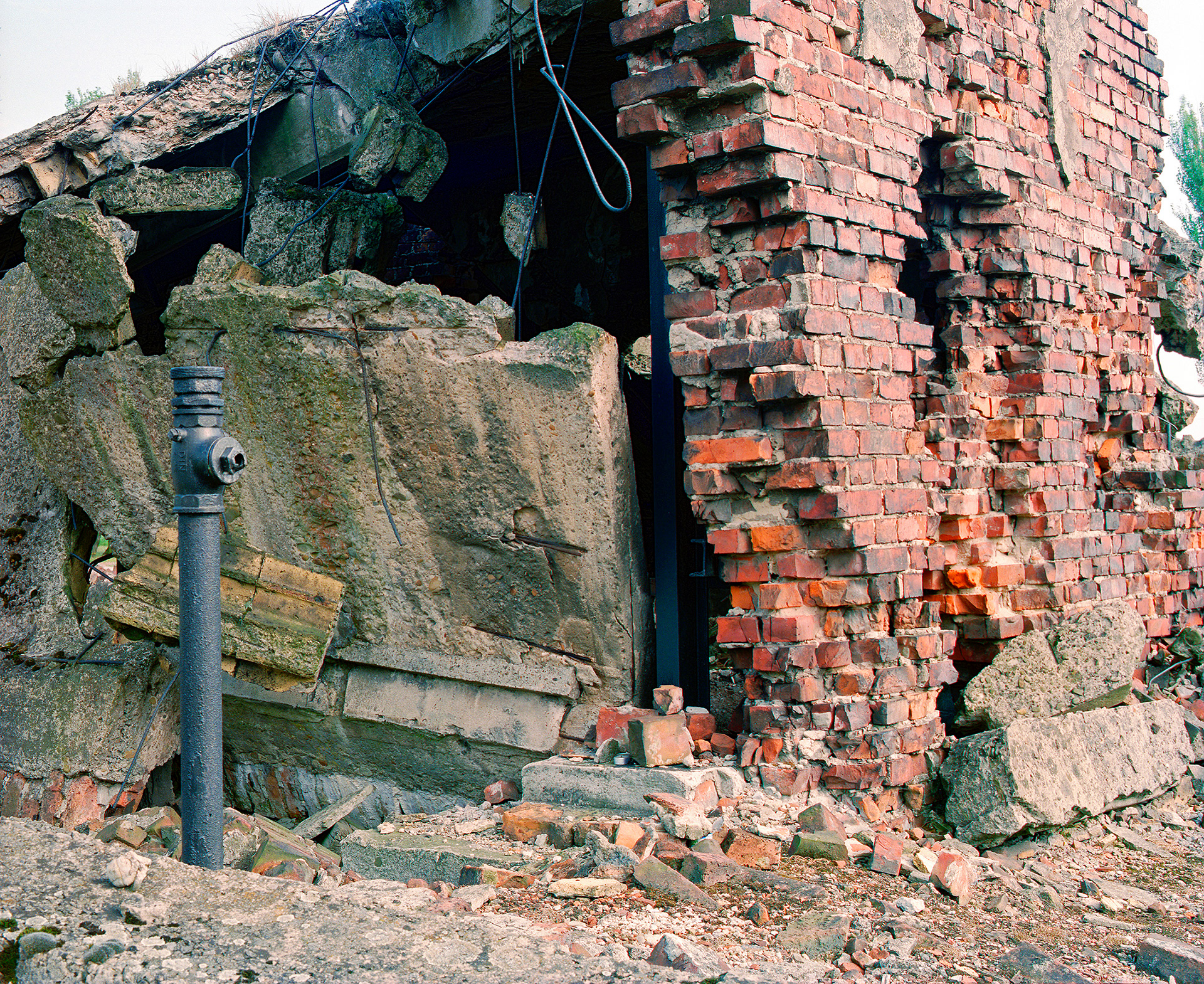
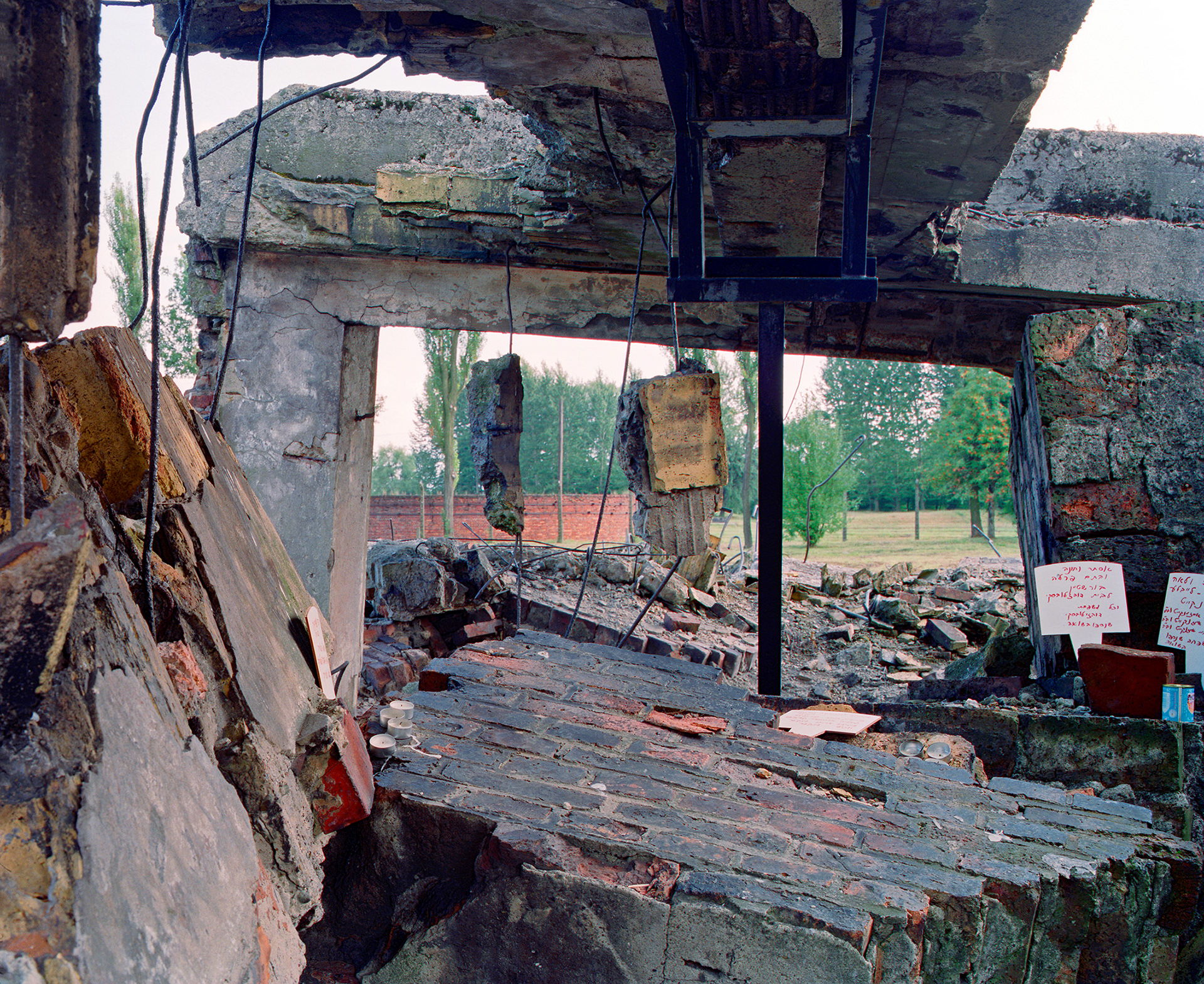
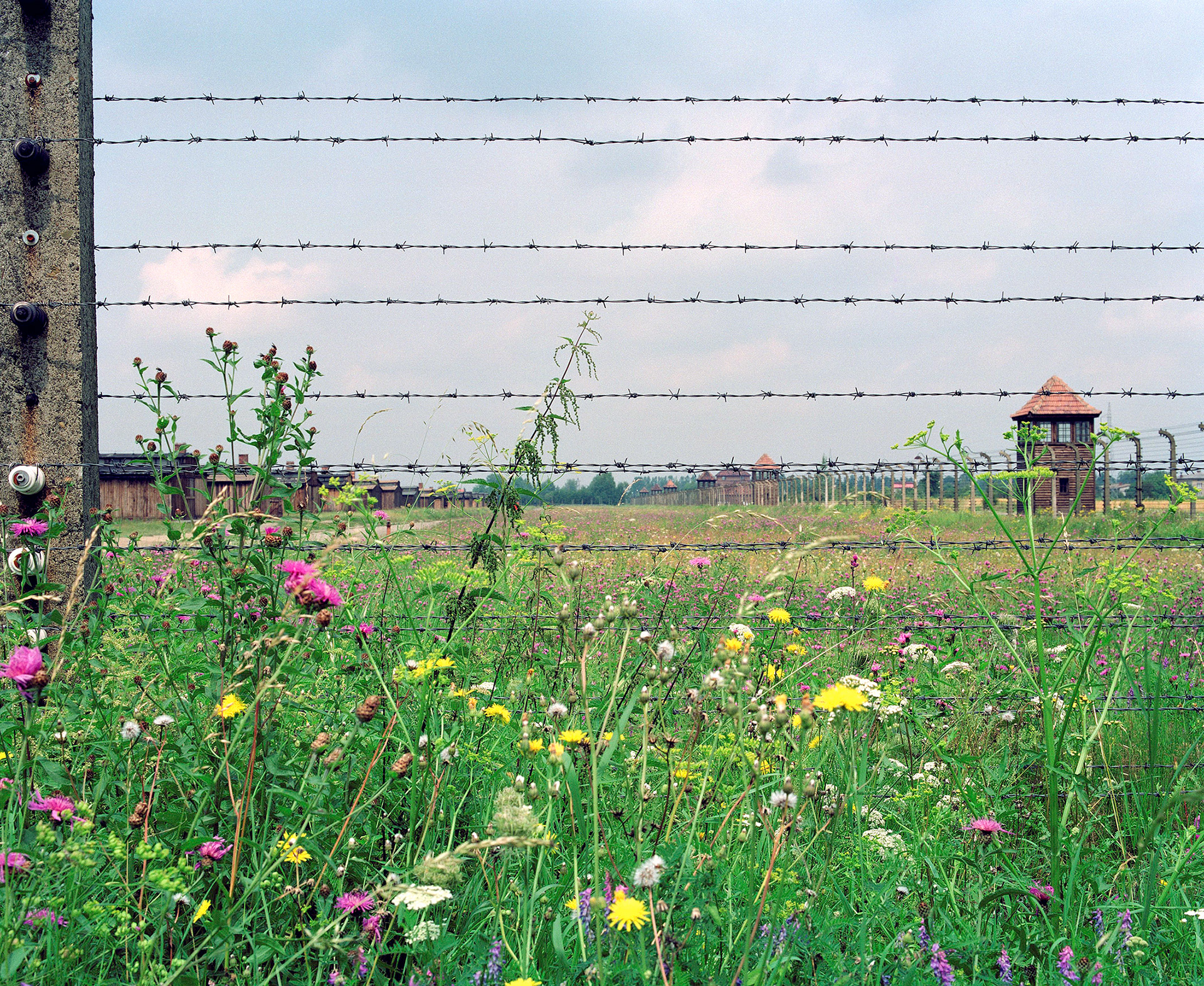
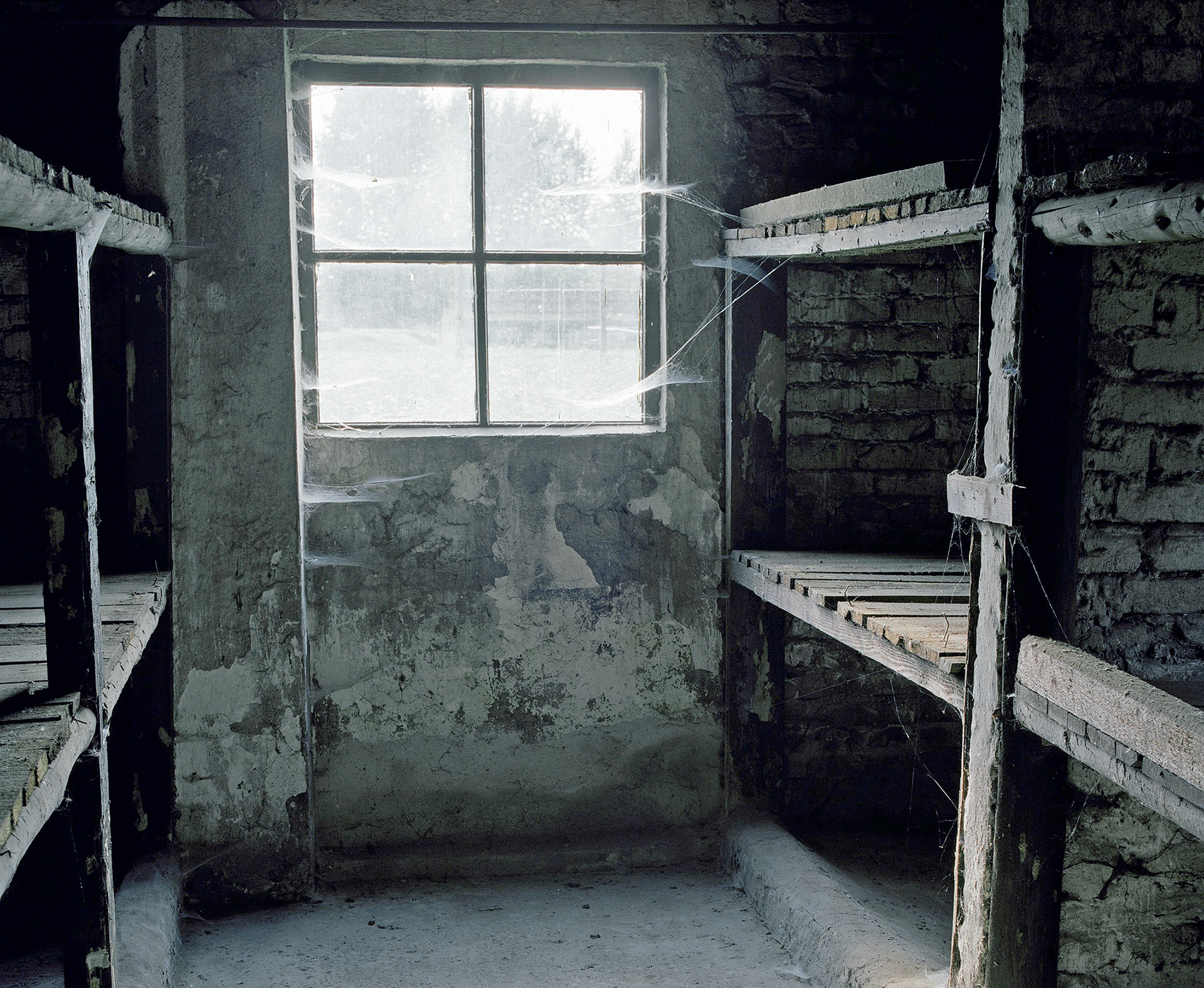
The Invisible Within the Visible Perception, Emptiness, and the Possibility of Annihilation The photographs from Auschwitz and Birkenau do not show events. They show structures. Tracks, barracks, fences, empty spaces. Order without meaning, precision without purpose, function without the human. What is visible is calm. It is precisely this calm that is disturbing. For what happened here eludes representation. The images do not show death, but the conditions that made it possible. They show the world in which annihilation could occur. Human beings do not live in knowledge, but in perception. Everything accessible to them in this world—sensory as well as spiritual—remains bound to perception: fragmentary, selective, temporal. Perception orders, separates, reduces. It is necessary—but it does not contain truth within itself. Knowledge in the proper sense is not a human capacity. Knowledge is God. God is not an object of knowledge, but its origin. Truth is not something human beings can produce or possess; it is something in which they participate. When human beings sever themselves from God, they sever themselves from the source of truth itself. What remains is a world of perceptions without measure. The architecture of the camps is an expression of this world. Everything is functional, rational, calculable. Paths run straight. Spaces are numbered. Processes are optimized. Nothing appears chaotic. And precisely therein lies the horror. For order without truth becomes a machine. Here we encounter what Hannah Arendt described as the banality of evil. Evil does not appear as excess, but as normality. It does not manifest as hatred, but as administration. Annihilation does not occur in rage, but on schedule. Human beings are not murdered; they are “processed.” Human beings become possible objects because they are ontologically emptied. Where the other no longer appears as the image of God, but as a category, a number, material, their life loses all unconditional value. The photographs do not show this emptiness directly—they show its form. The railway tracks lead into emptiness. They do not end in a destination, but in nothingness. They are movement without meaning. Human beings are transported, not accompanied. The path itself is indifferent. This indifference is not accidental; it is the consequence of a world in which knowledge has been replaced by perception. The barracks show no intimacy, no protection, no place of being. They are spaces of staying without home. The human being here is reduced to body in time. Life becomes a deadline. Death becomes a logistical unit. The barbed wire does not merely separate inside from outside. It marks an ontological boundary. Inside, the human being is fully surrendered to power. Outside, the world continues as if nothing had happened. This separation makes visible what has been lost: the idea of a shared reality. The particular hatred directed at the Jews is not incidental in this context. The Jewish people carry faith in God through history. It is precisely this fidelity that becomes unbearable in a world of non-love. The annihilation of the Jews was not only the murder of human beings, but an attempt to destroy faith itself. It was meant to prove: there is no God. Auschwitz is this attempted proof in concrete, wire, and ash. The ash is not visible. And yet it is everywhere present. It lies beneath the paths, in the soil, in the air of memory. It is the radical sign of de-realization. The human being is not only killed, but erased. Name, body, trace are meant to disappear. What remains is emptiness. And yet something remains that eludes annihilation. Faith is not visible. It is not a fact of perception. It is relationship. Many of the victims held on—not because they understood, but because they did not let go. Like Job, they stood before the incomprehensible. There was no visible intervention, no end to suffering. But the inner decision remained. Here lies the meaning of inner prayer. Not as a religious practice, but as the final place of freedom. Inner prayer is not an action, not a method, not a form of knowledge. It is a response to grace, which reaches each human being differently. God knows how to address each individual—even where everything visible has collapsed. Christ says: “My kingdom is not of this world.” The photographs show what this world becomes when it absolutizes itself: order without love, power without truth, visibility without spirit. Against this kingdom there is no external victory. Resistance is invisible. Human beings live in perception. Knowledge remains God. But in holding fast to faith, hope, and love, the connection endures—not as certainty, but as fidelity. The photographs show what human beings have done. They do not show what human beings are. That question remains open. And precisely therein lies their necessity.