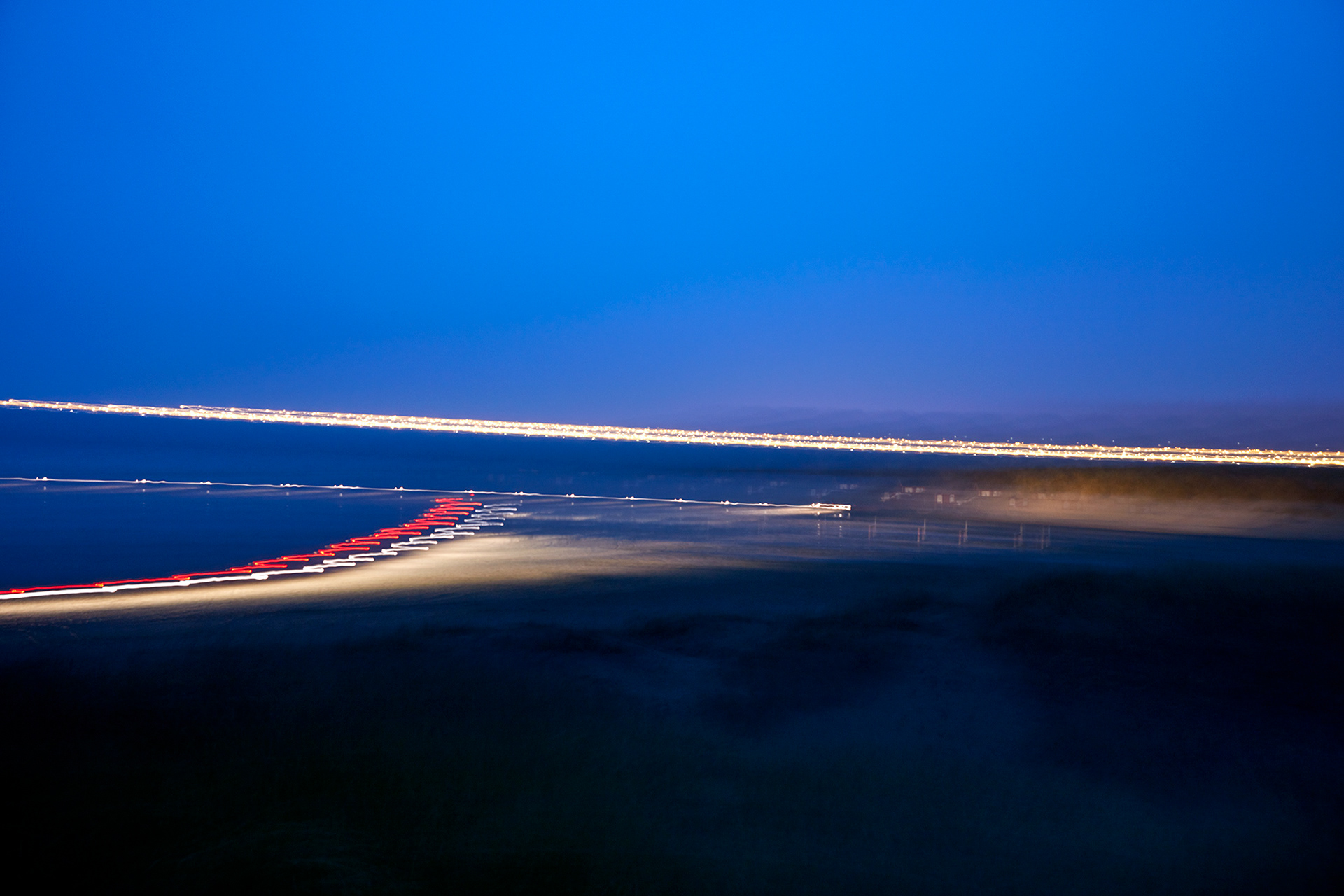
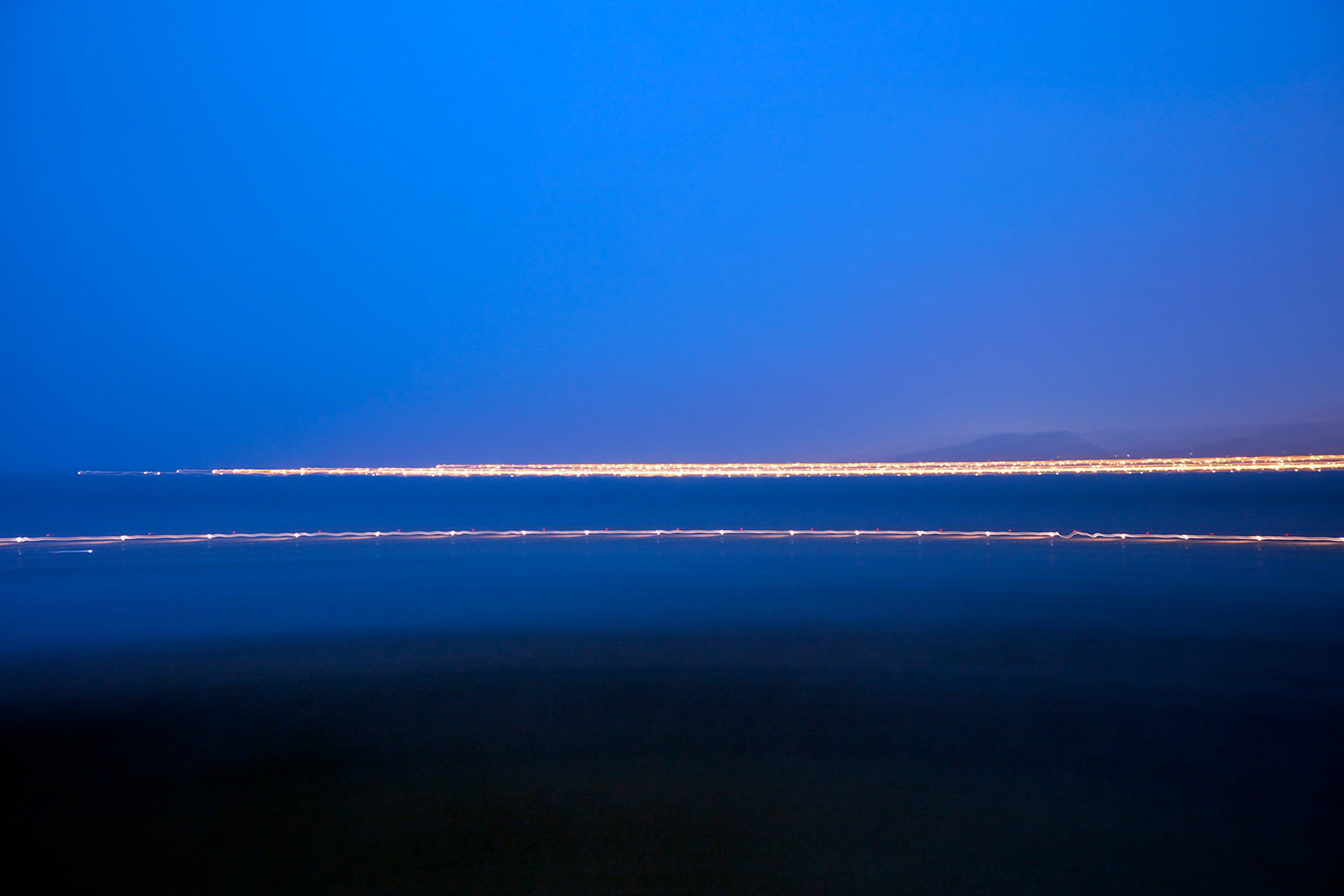

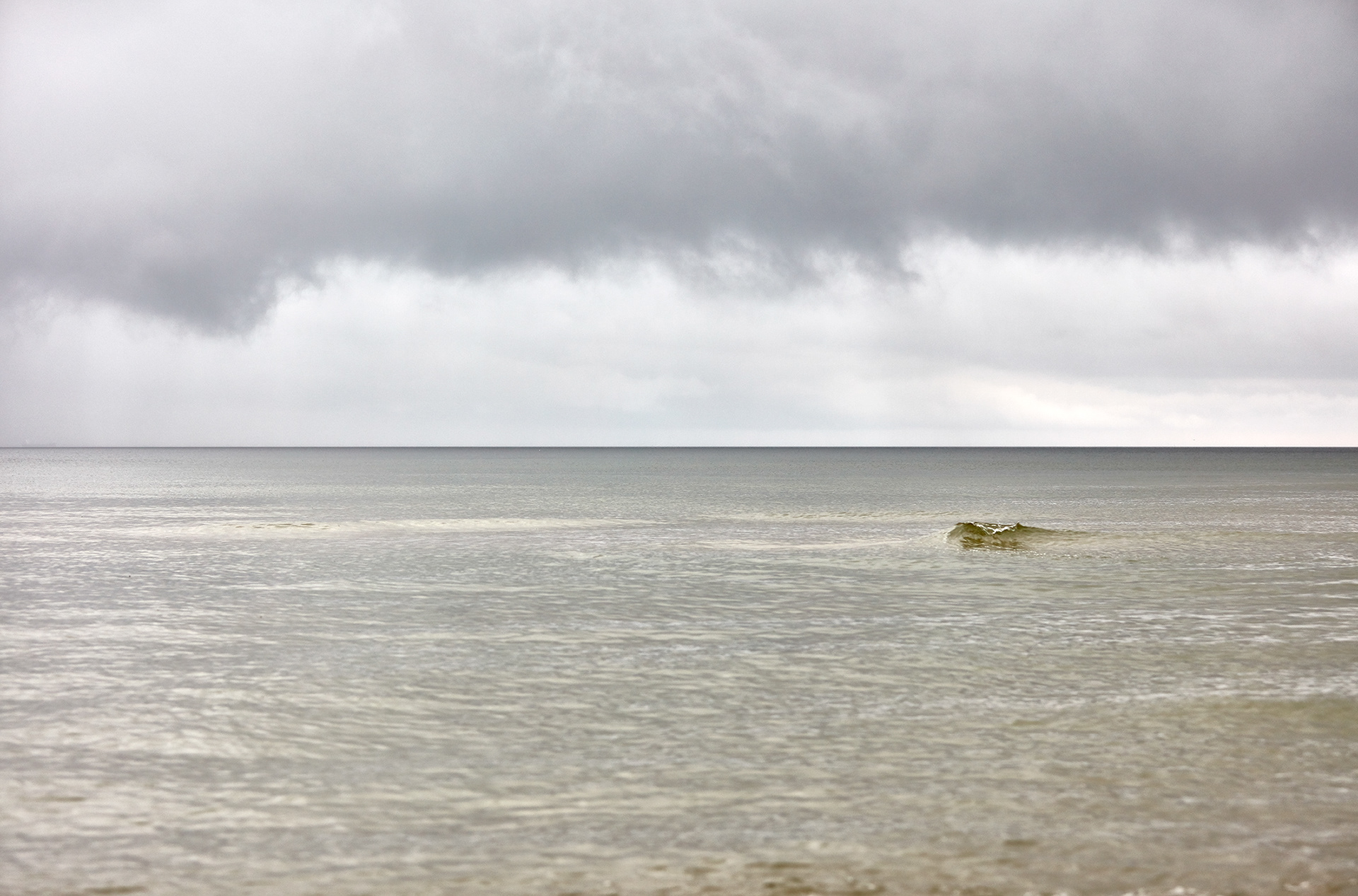
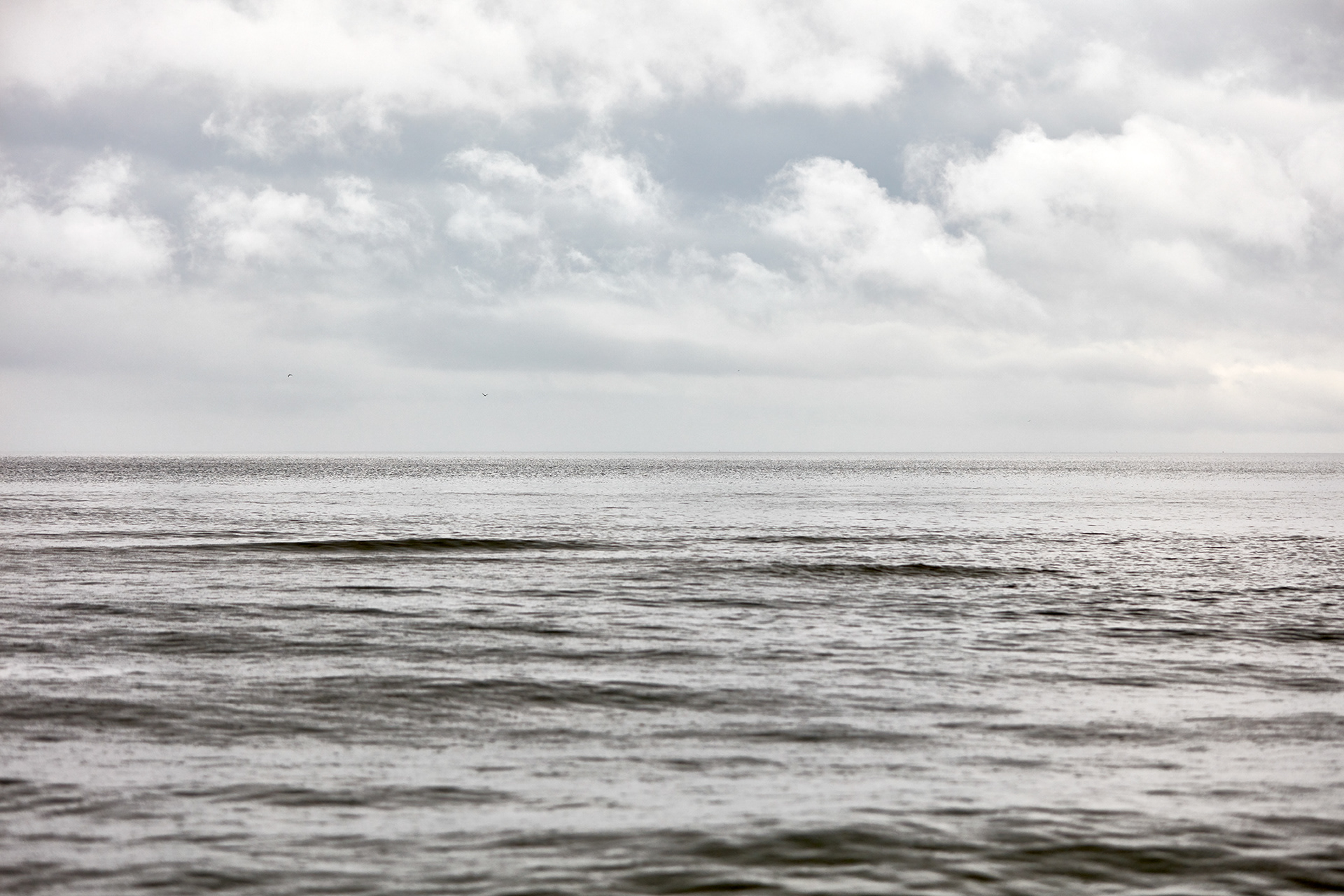
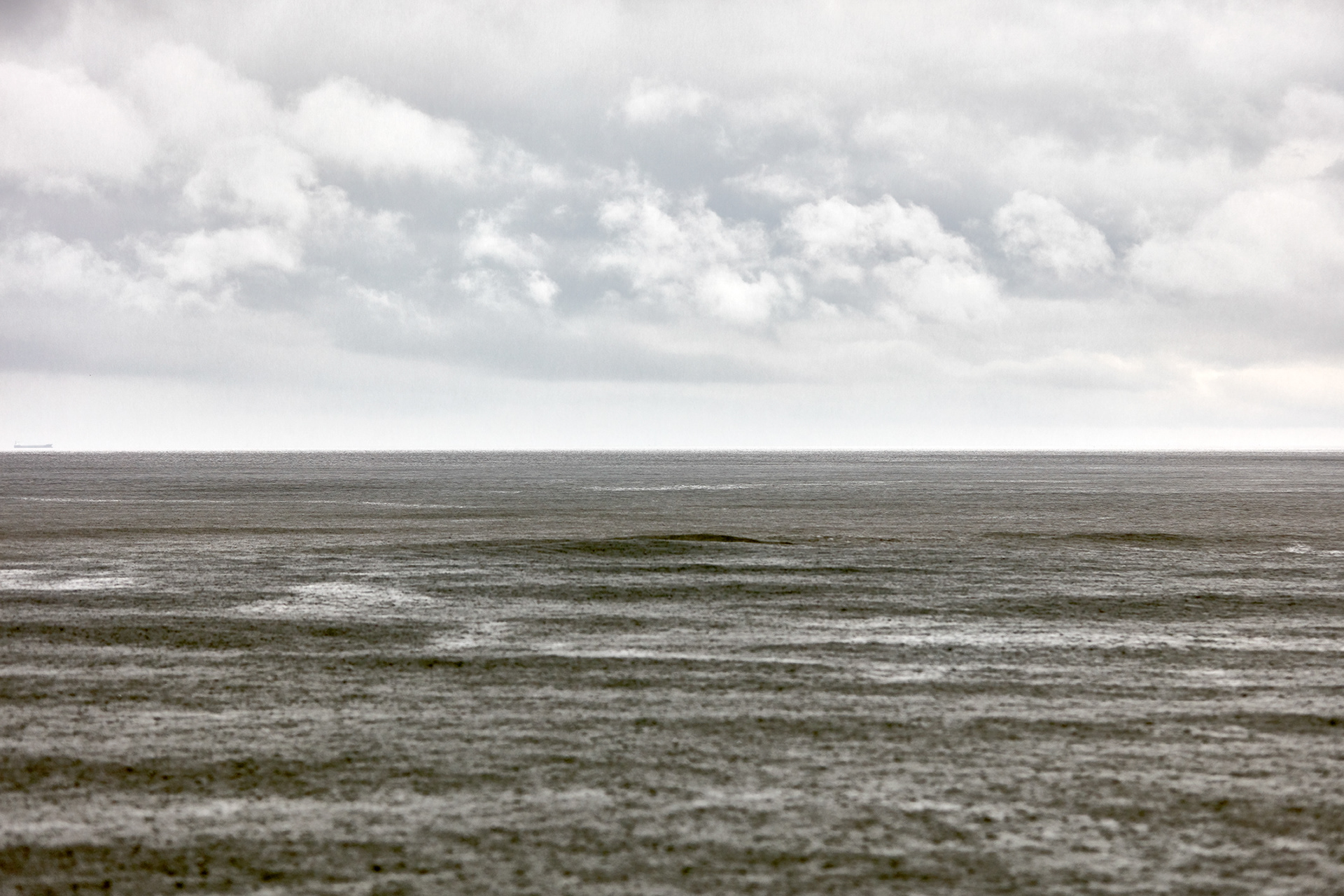






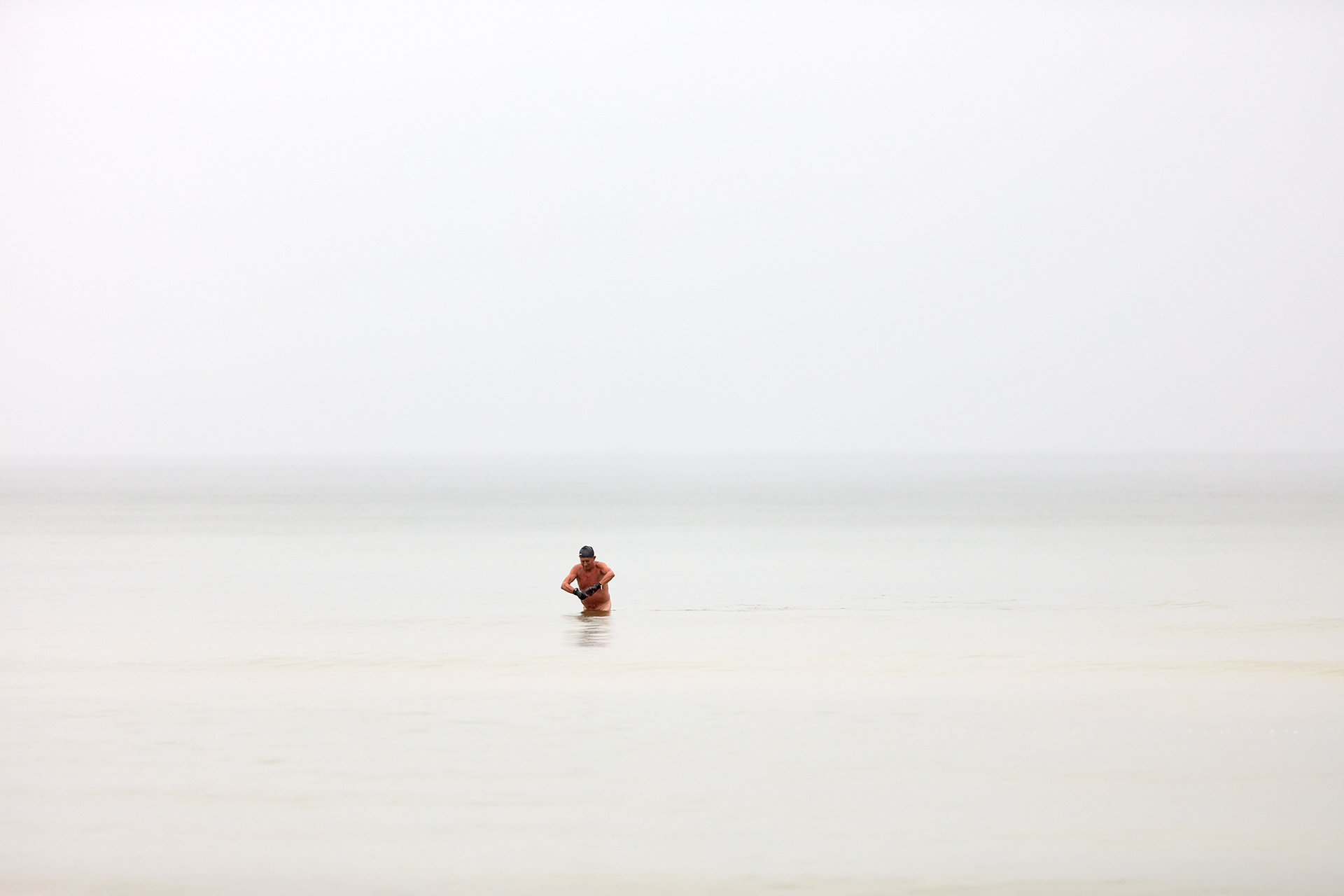
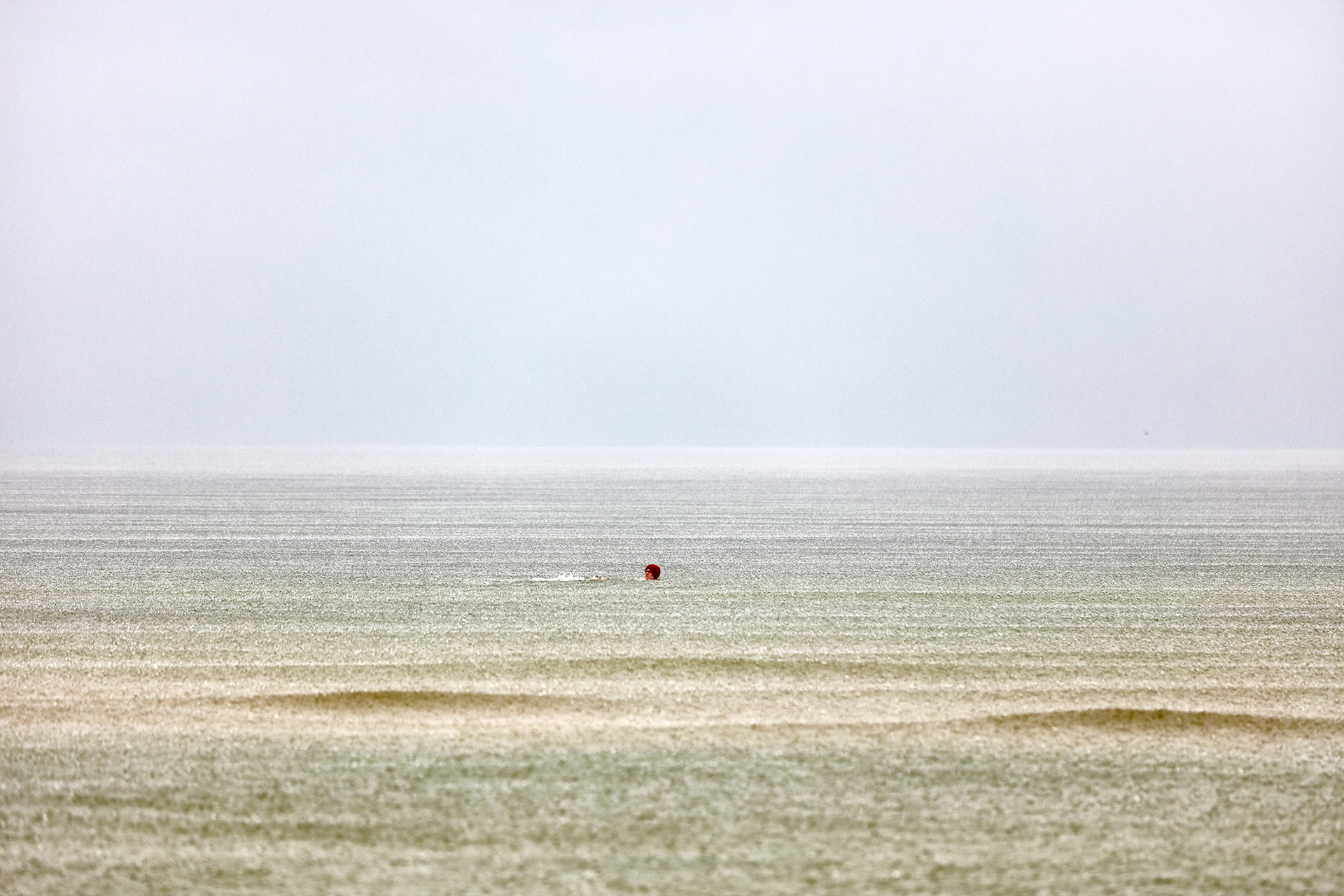

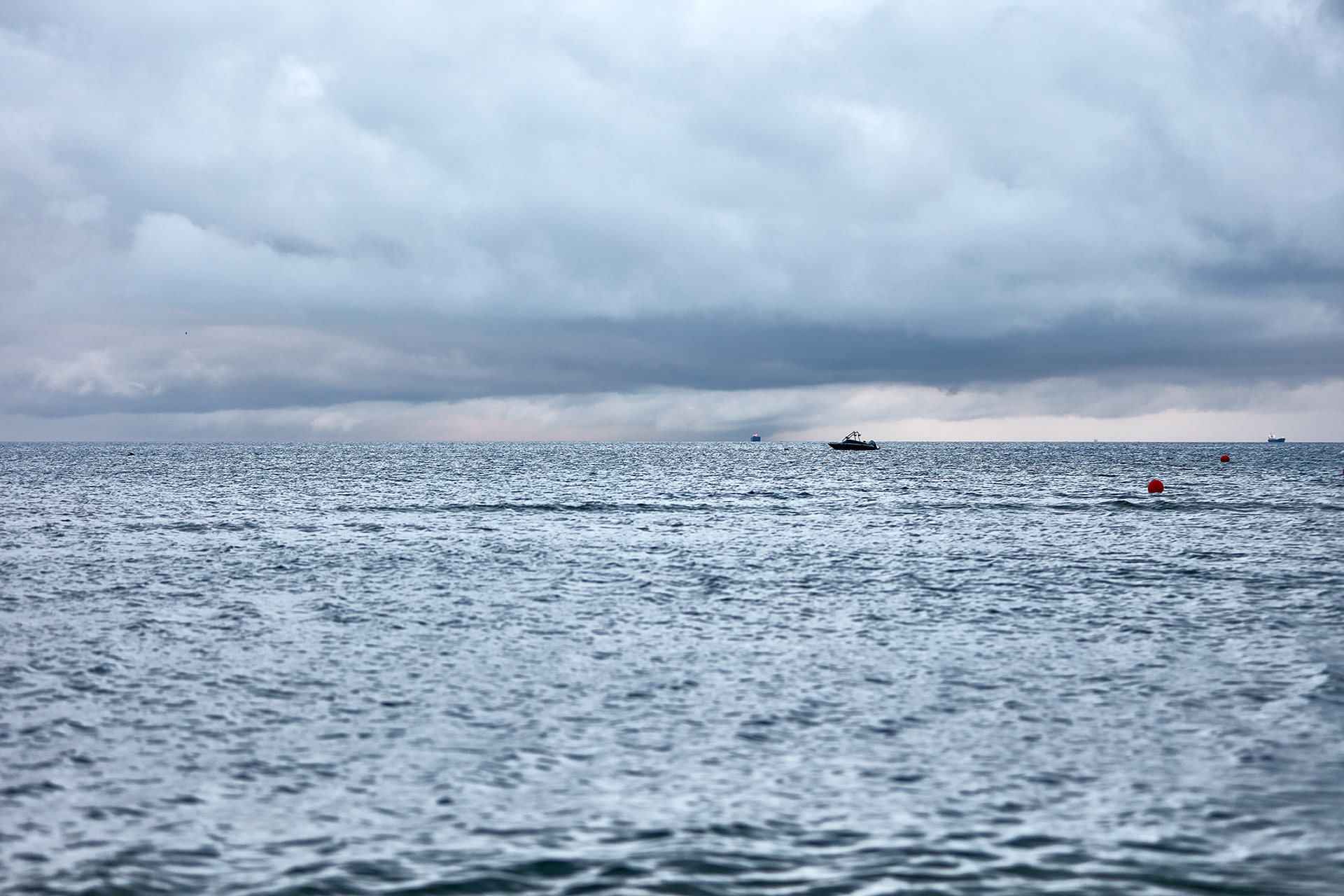









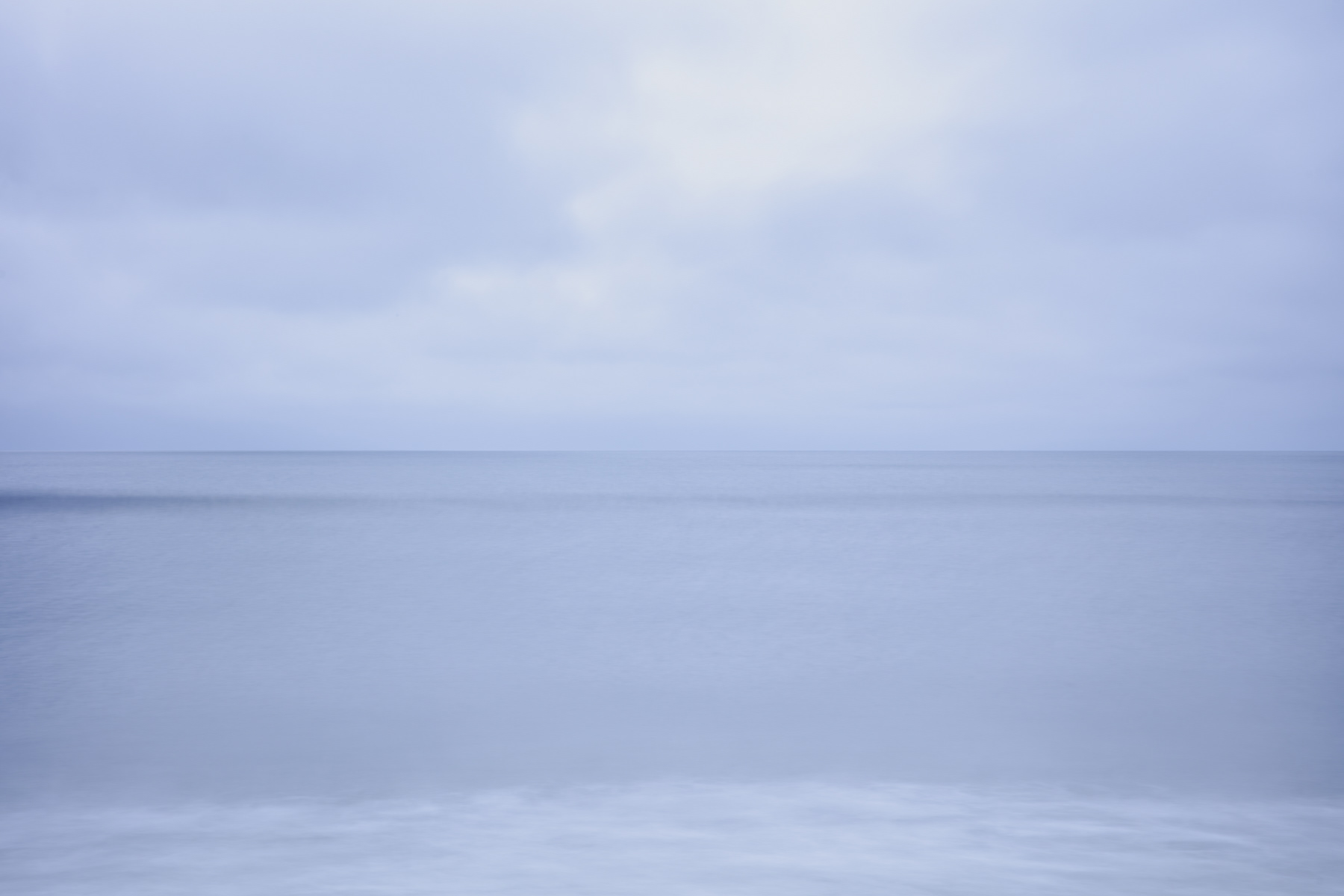
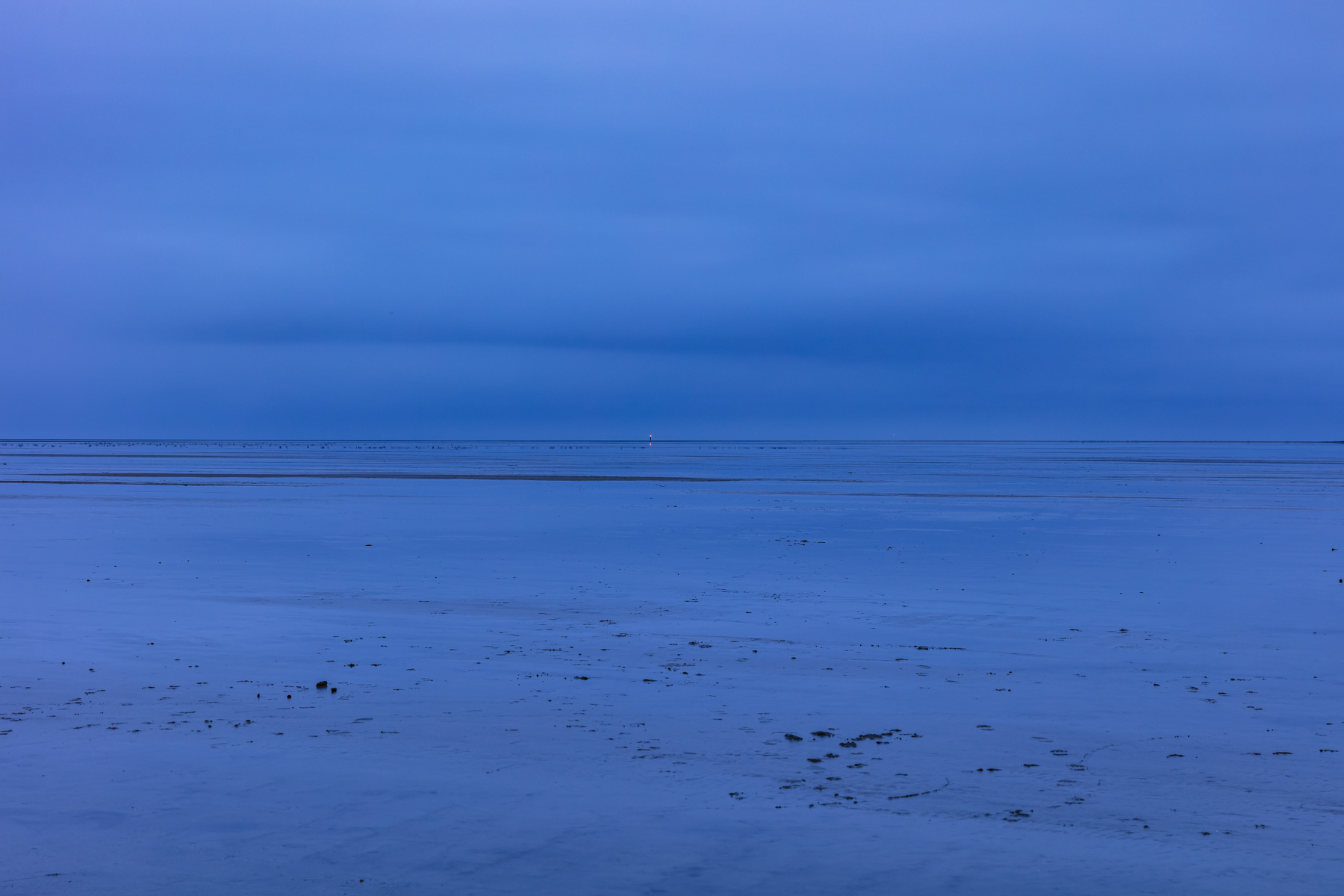
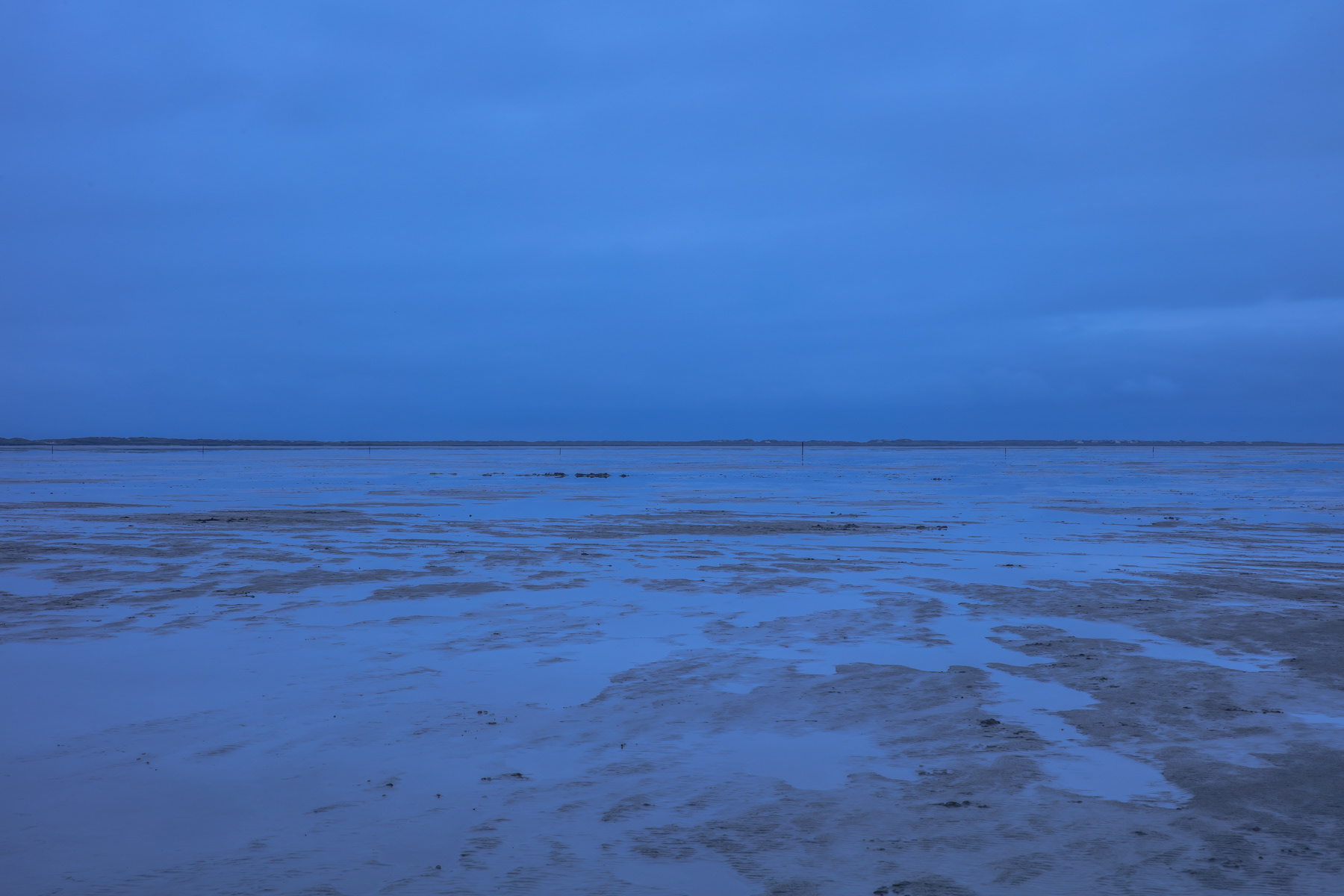

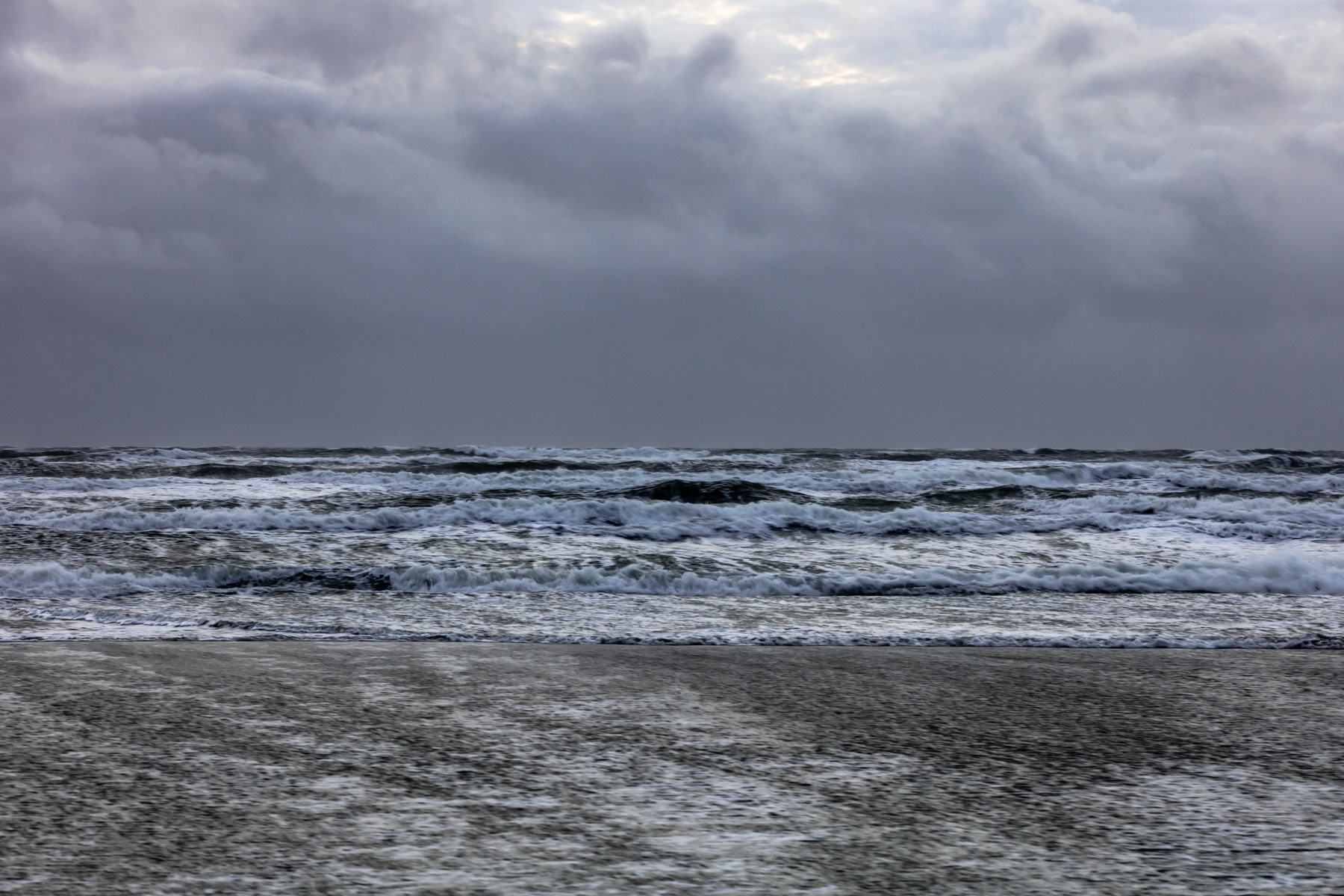


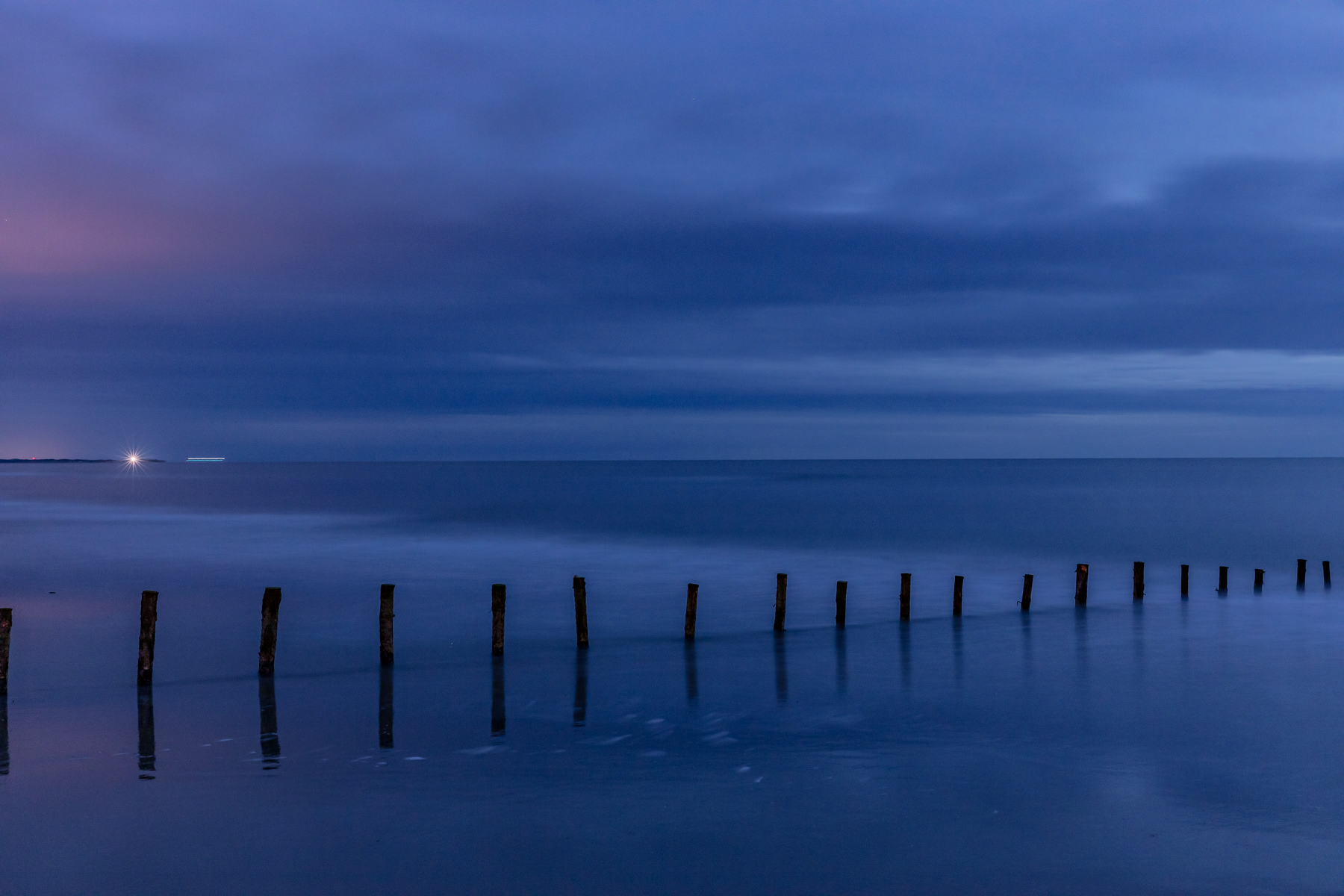
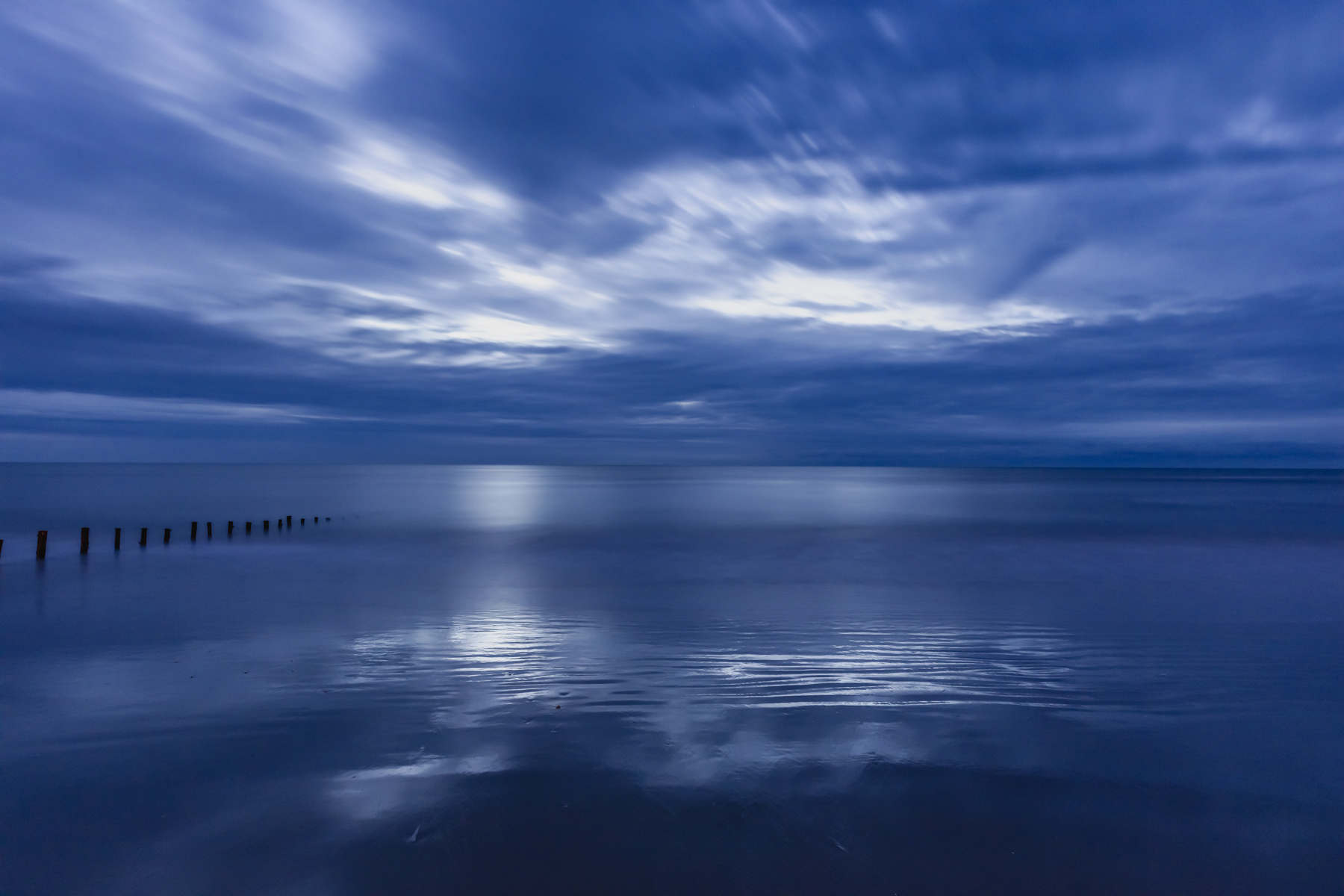
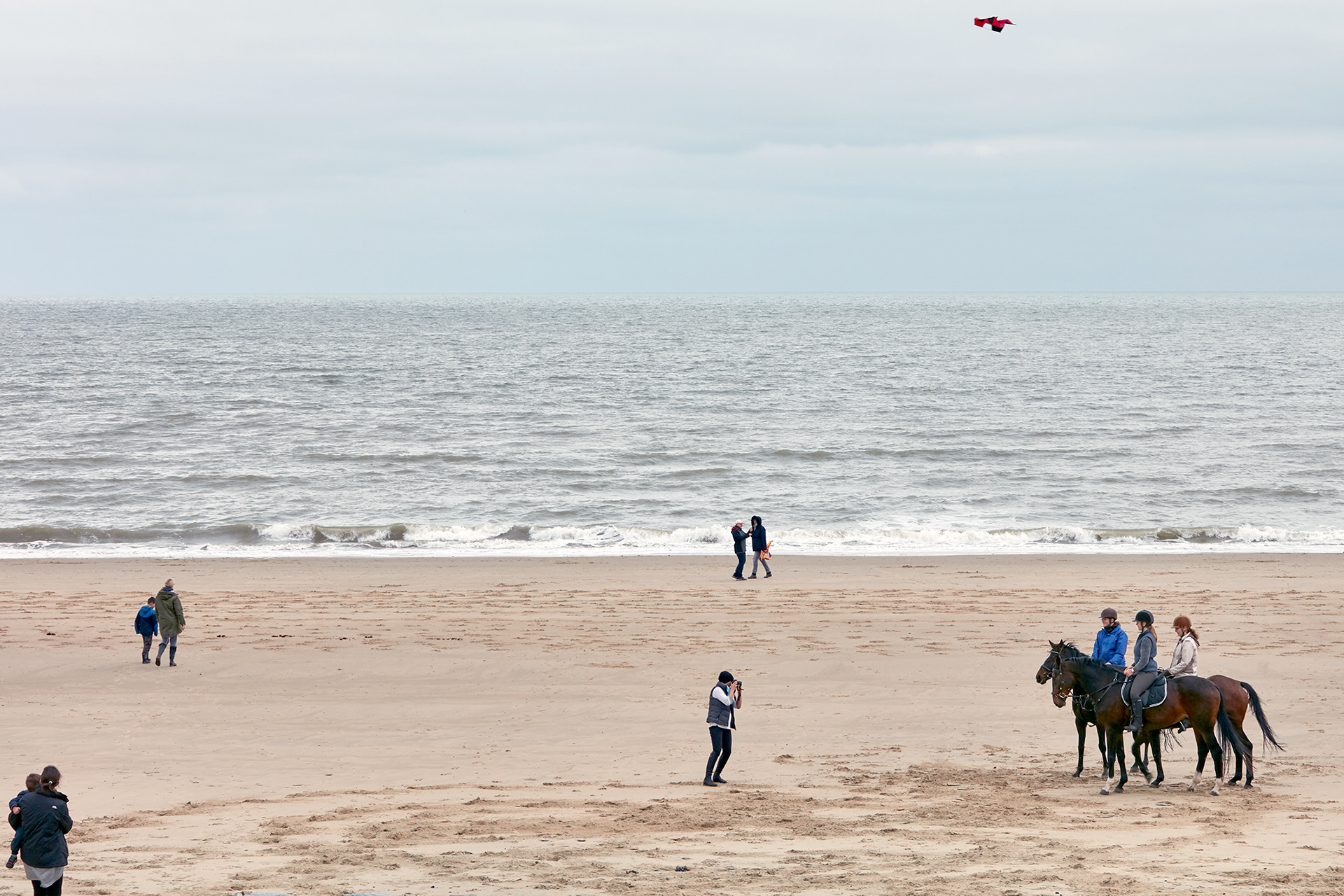
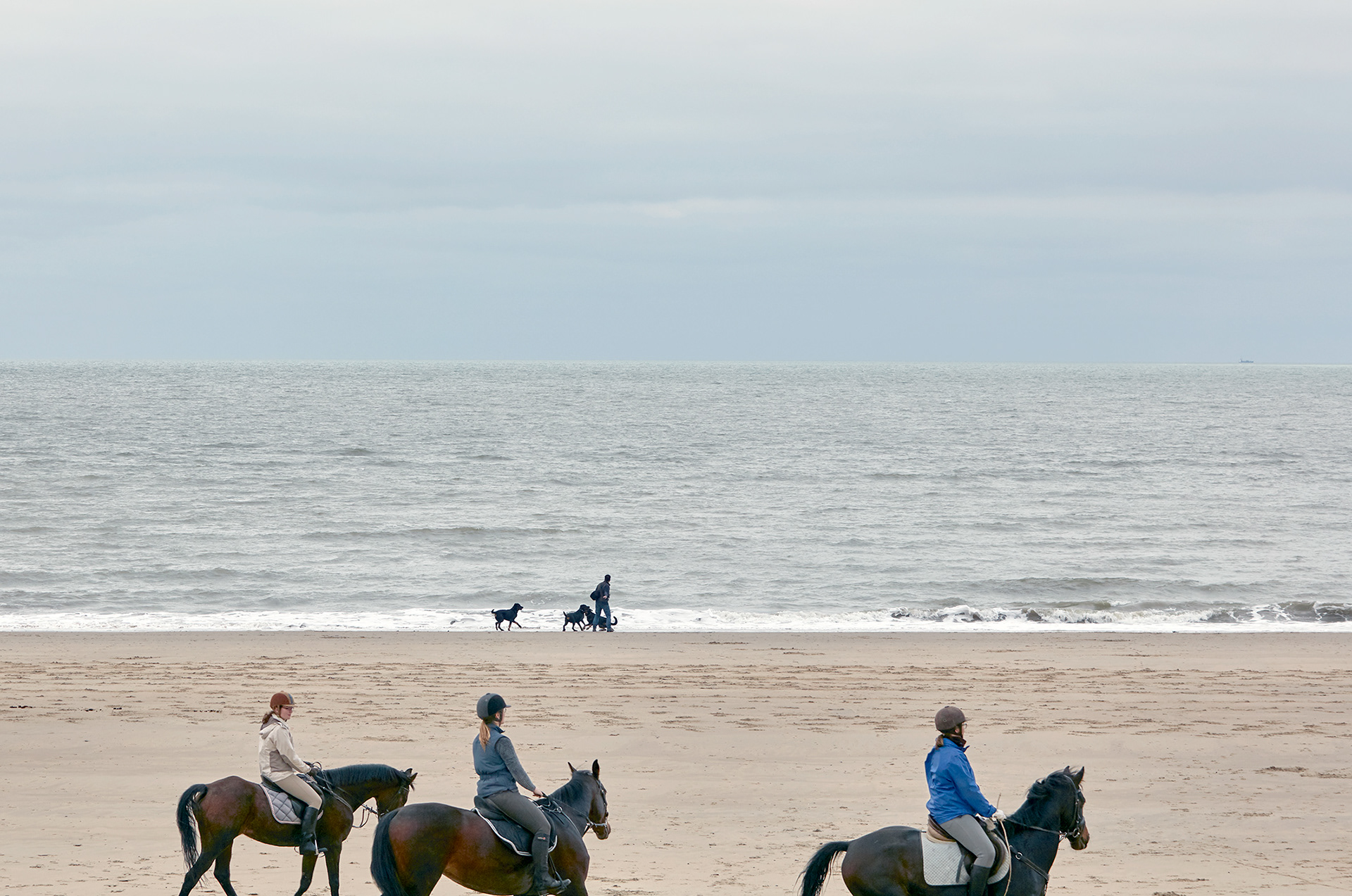


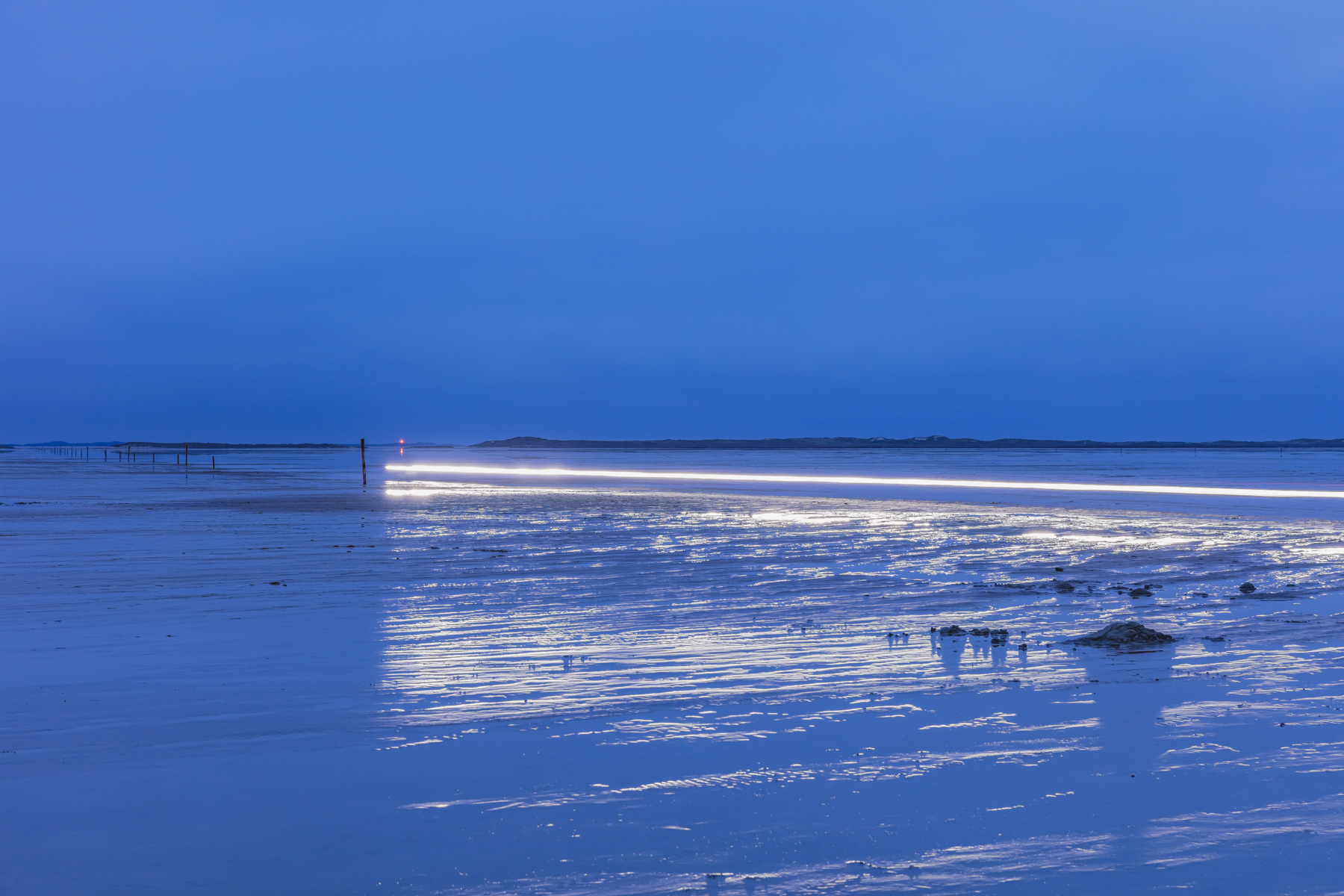
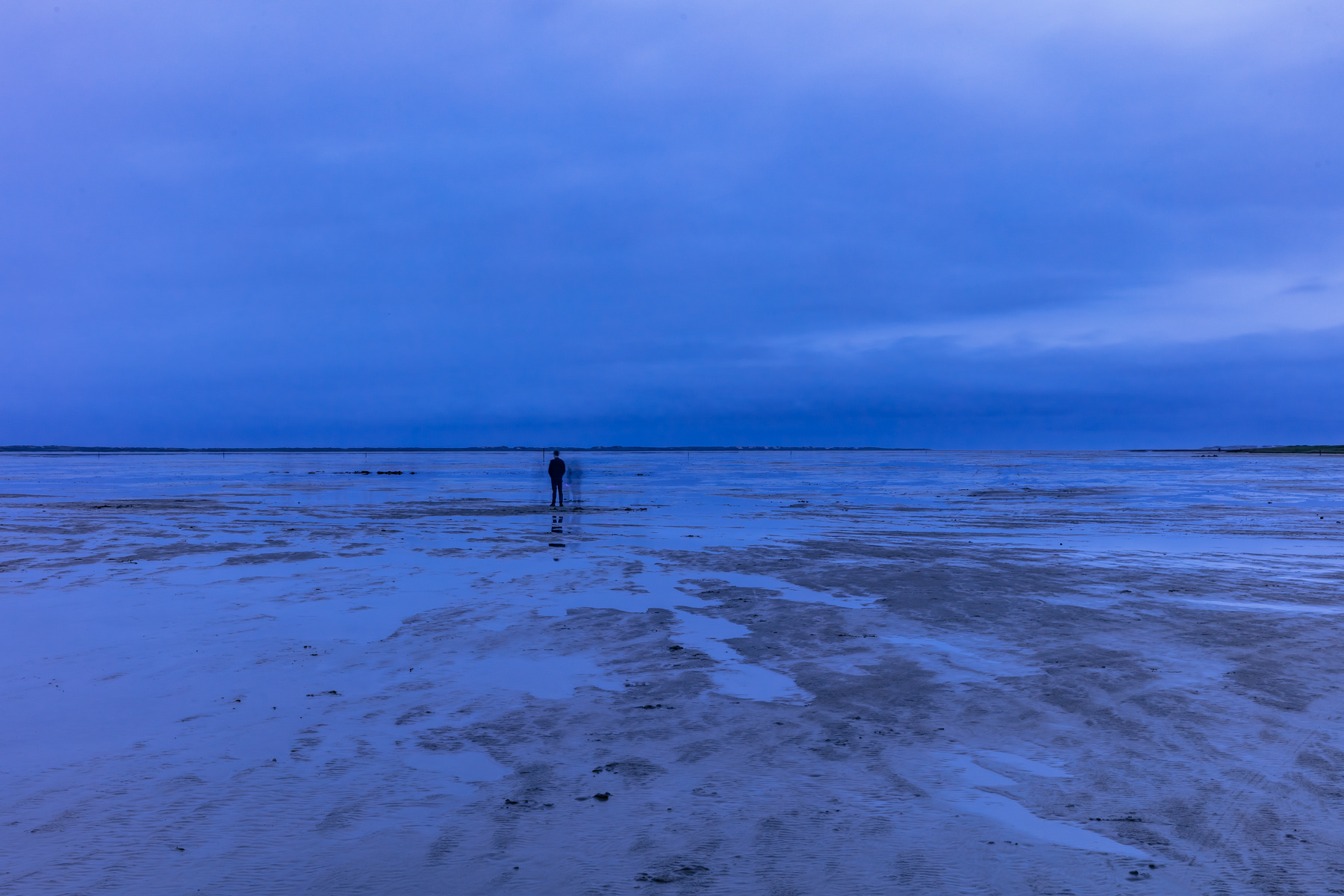
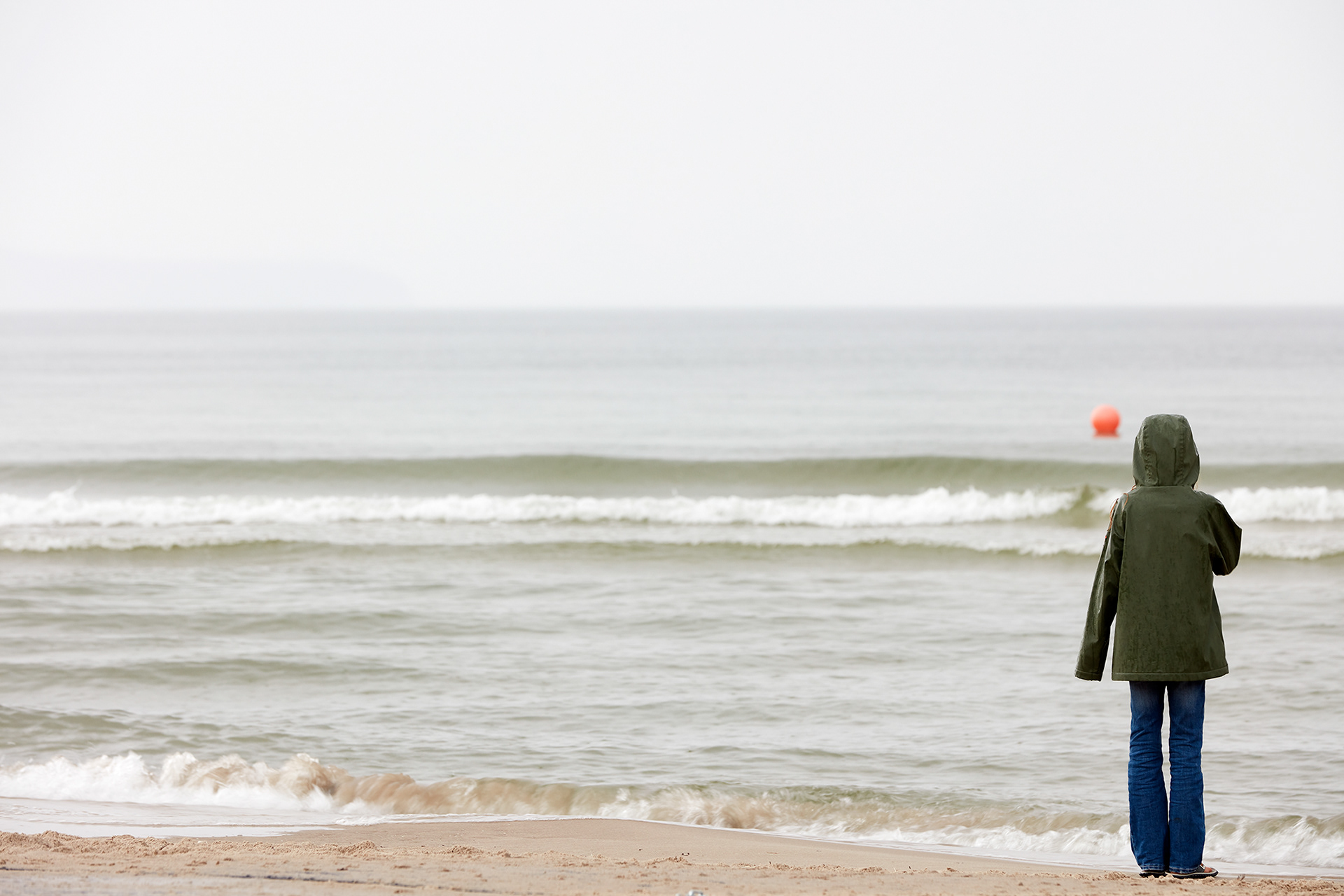

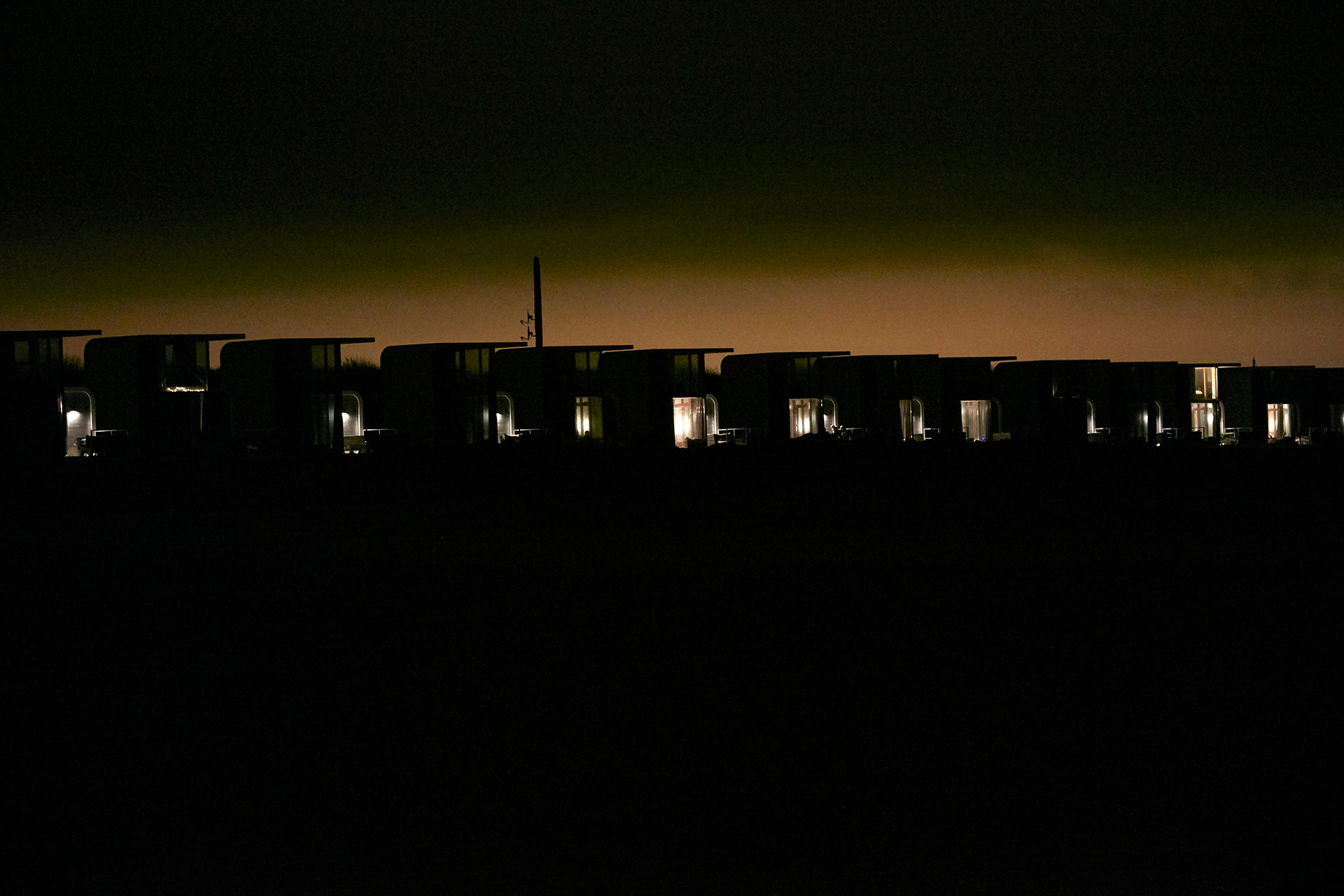
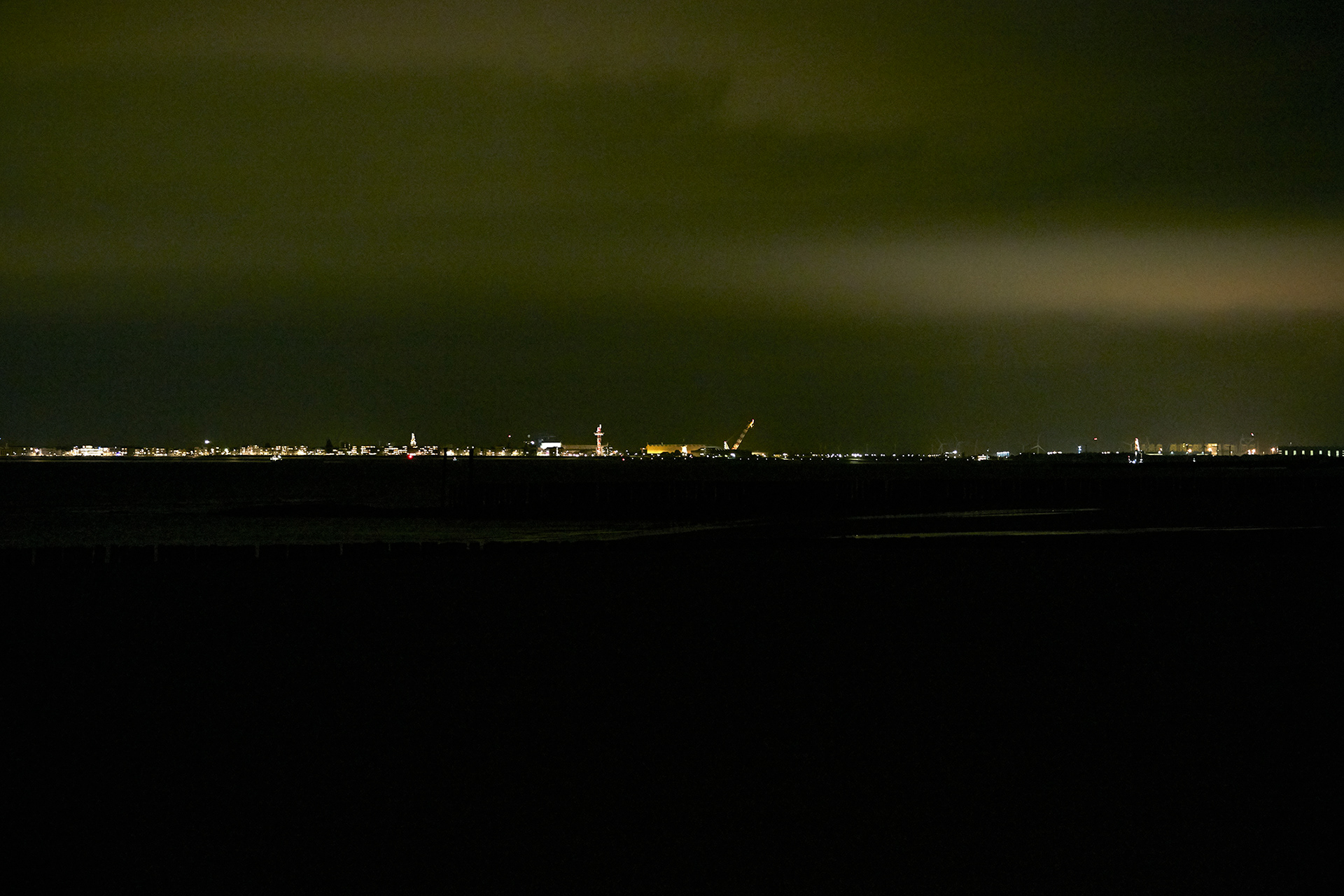
Serial Photography as a Continuation of Romantic Epistemology On Inner Disposition, the Sublime, and Protestant Image Criticism in Caspar David Friedrich The painting of Caspar David Friedrich cannot be understood solely as landscape representation. Rather, it must be approached as the expression of a specific inner disposition that is central to Romantic thought. Friedrich’s work emerges from a deeply introspective and contemplative character structure, marked by withdrawal, silence, and spiritual attentiveness. His paintings do not aim at depicting the visible world as such, but at using the visible as a medium for knowledge. In this sense, his art functions less as representation than as a model of perception. At the core of Friedrich’s work lies the experience of the sublime. In Romantic aesthetics, the sublime does not signify mere grandeur or dramatic excess, but a limit experience in which rational comprehension reaches its boundary. This experience confronts the individual with human finitude while simultaneously opening the possibility of transcendence. Friedrich’s landscapes do not stage the sublime through spectacular natural events, but through restraint, stillness, and spatial openness. The sublime arises not from action, but from sustained contemplation. This understanding of the sublime is inseparable from the tradition of Protestant image criticism in which Friedrich was formed. Protestant theology fundamentally mistrusts the image as a bearer of definitive truth. God cannot be represented; He can only be experienced. As a consequence, Friedrich’s paintings avoid iconographic fixation and narrative clarity. They do not assert meaning but leave it open. Landscape becomes a space of potential revelation rather than depiction—a condition that requires an active, inwardly prepared viewer. Contemplation is therefore not a passive act, but an epistemological practice. It is based on repetition, duration, and inner stillness. Friedrich’s working method reflects this principle: he produced sketches over long periods of time, recording fragments of nature—clouds, rocks, light conditions—not to document moments, but to internalize states. In the studio, these temporally dispersed observations were synthesized into paintings that suspend linear time. What emerges is not a moment, but a timeless condition of being. Serial photography takes up this Romantic epistemological model and translates it into the conditions of a contemporary medium. Unlike painting, photography is necessarily bound to the moment. Each image is temporally specific. However, through seriality, this temporal binding can be relativized. By consistently maintaining the same viewpoint and framing, attention shifts away from the singular event toward the structure of recurrence itself. This recurrence is not merely formal but epistemologically decisive. Human figures, boats, natural conditions, absence and presence appear and disappear without hierarchical distinction. The dramatic is treated with the same visual calm as the everyday. As a result, time is no longer perceived as linear progression, but as cyclical movement. The series generates a state that corresponds to the Romantic notion of timelessness—not by negating time, but by rendering it permeable. From an art-historical perspective, this approach can be understood as a continuation of Romantic thought under the conditions of photographic mediality. The sublime no longer appears as a singular moment of overwhelming intensity, but as a quiet, cumulative process that unfolds through repeated viewing. Transcendence is not located outside the world, but within a transformed mode of perception. God is not represented as an object, but becomes experientially present where perception relinquishes control. In accordance with Protestant image criticism, the photographic series avoids dogmatic assertion. Divine presence is not claimed, illustrated, or fixed. It remains open and contingent. It does not reside in a specific motif or event, but may emerge where the viewer allows silence, repetition, and depth to operate. The language of God, in this context, is not a language of power or clarity, but one of delicacy and difference—always other than human expectation and resistant to definitive form. Thus, serial photography does not stand in opposition to Romantic painting, but extends its epistemological foundations through different means. While painting and photography employ distinct material and temporal strategies, they share a common objective: to enable a mode of seeing in which the finite gestures toward the infinite. Friedrich’s painting and serial photography converge in a shared conviction—that transcendence cannot be depicted, but may become perceptible through sustained, attentive, and contemplative vision.