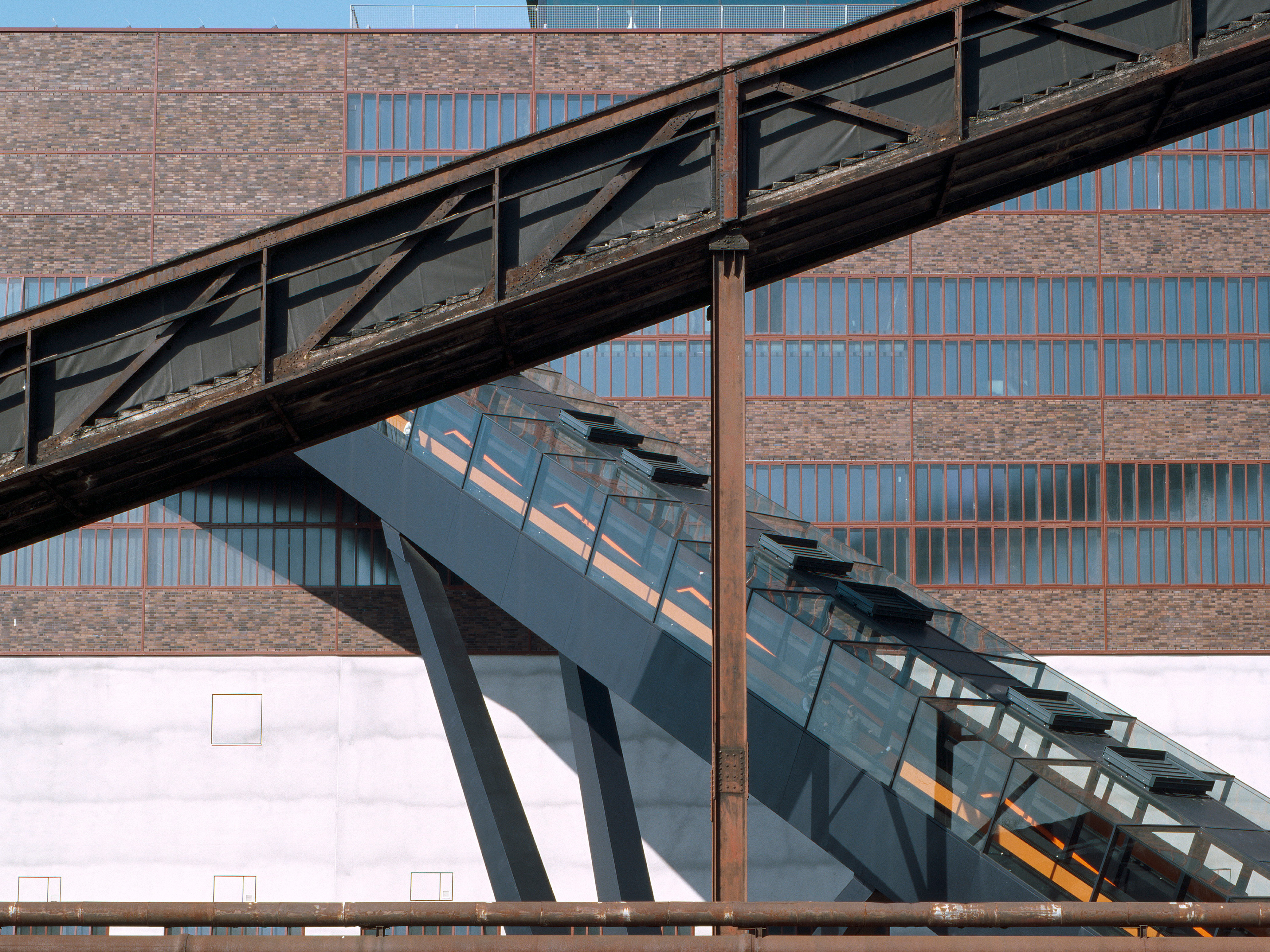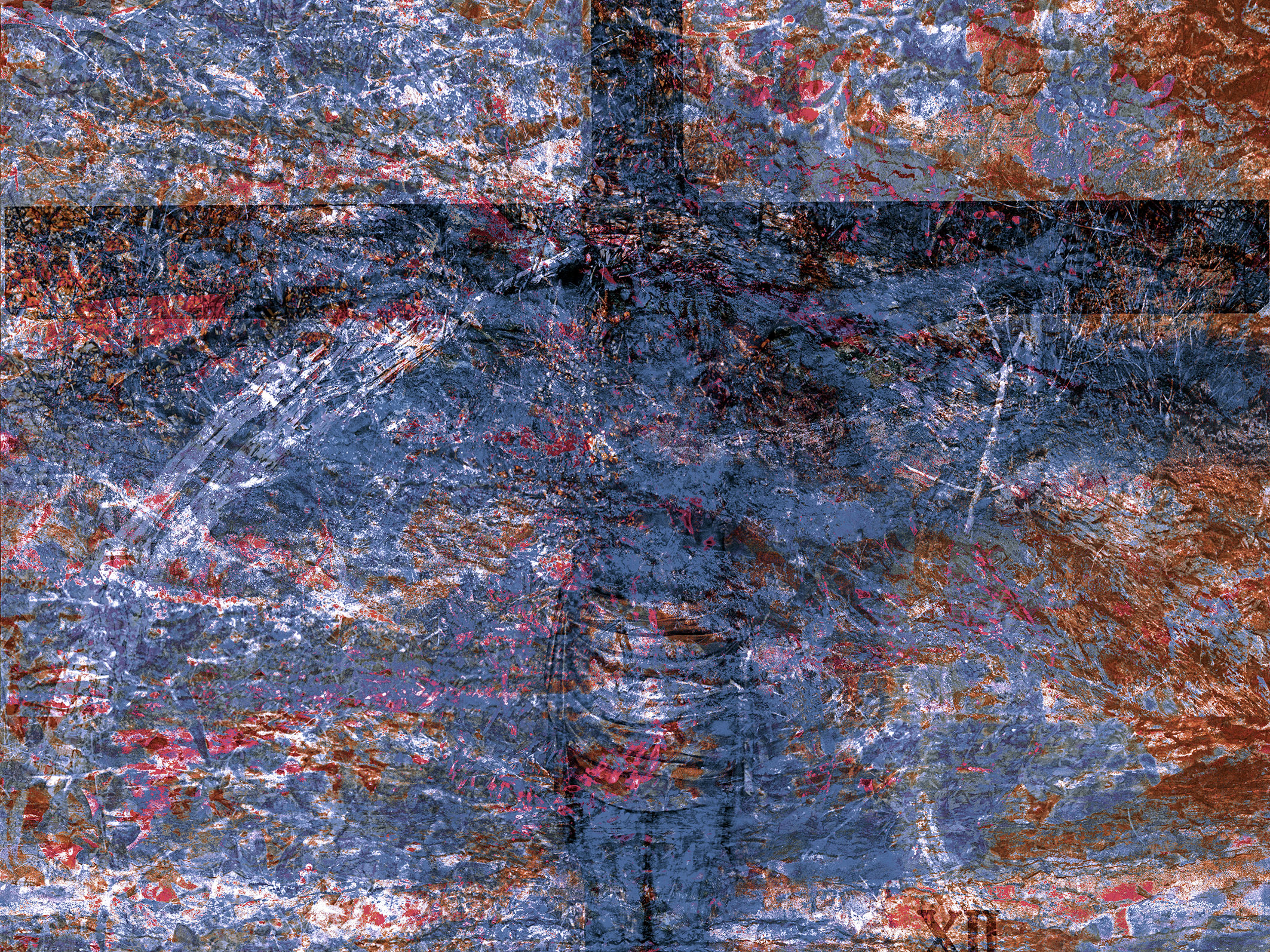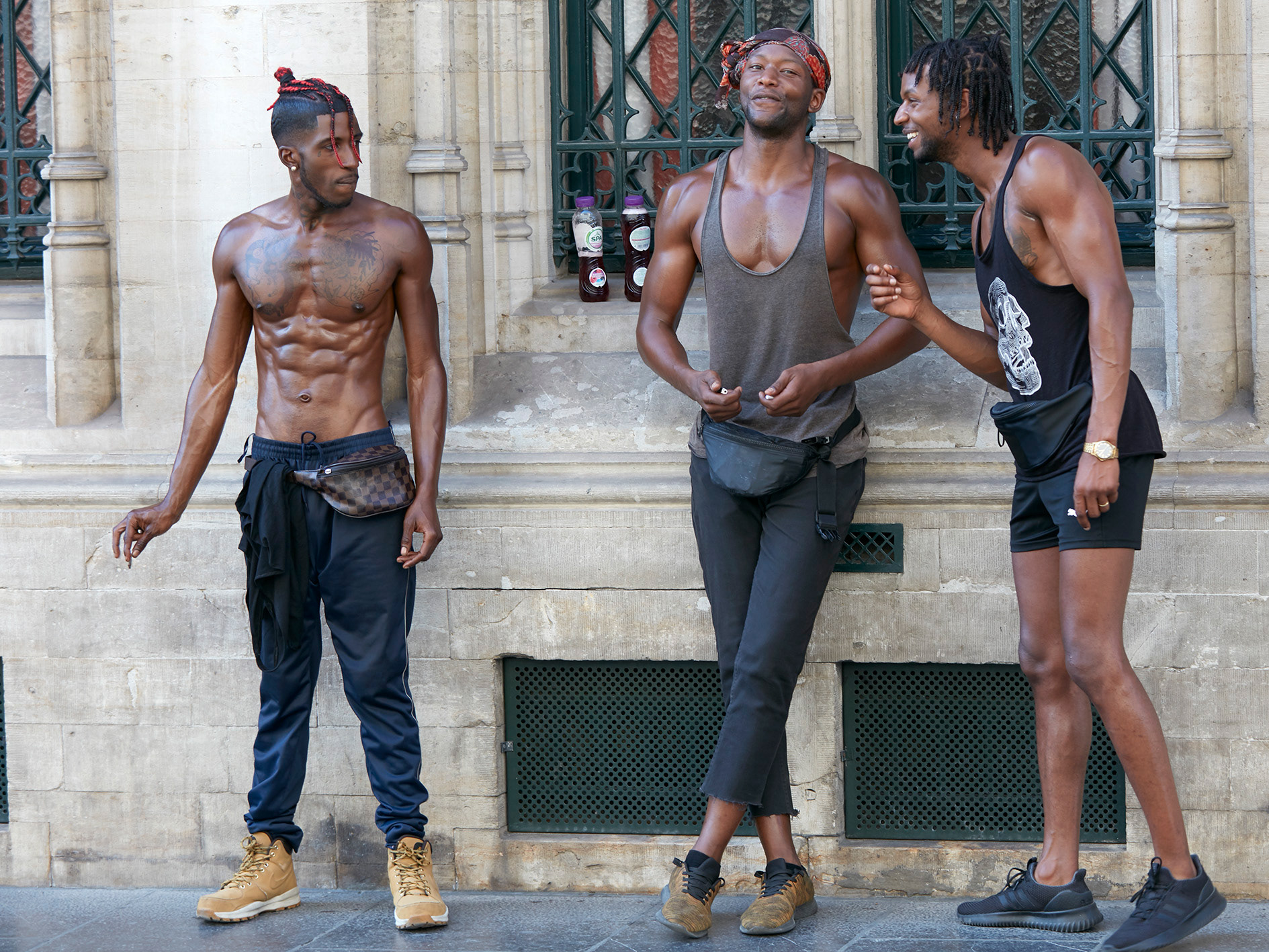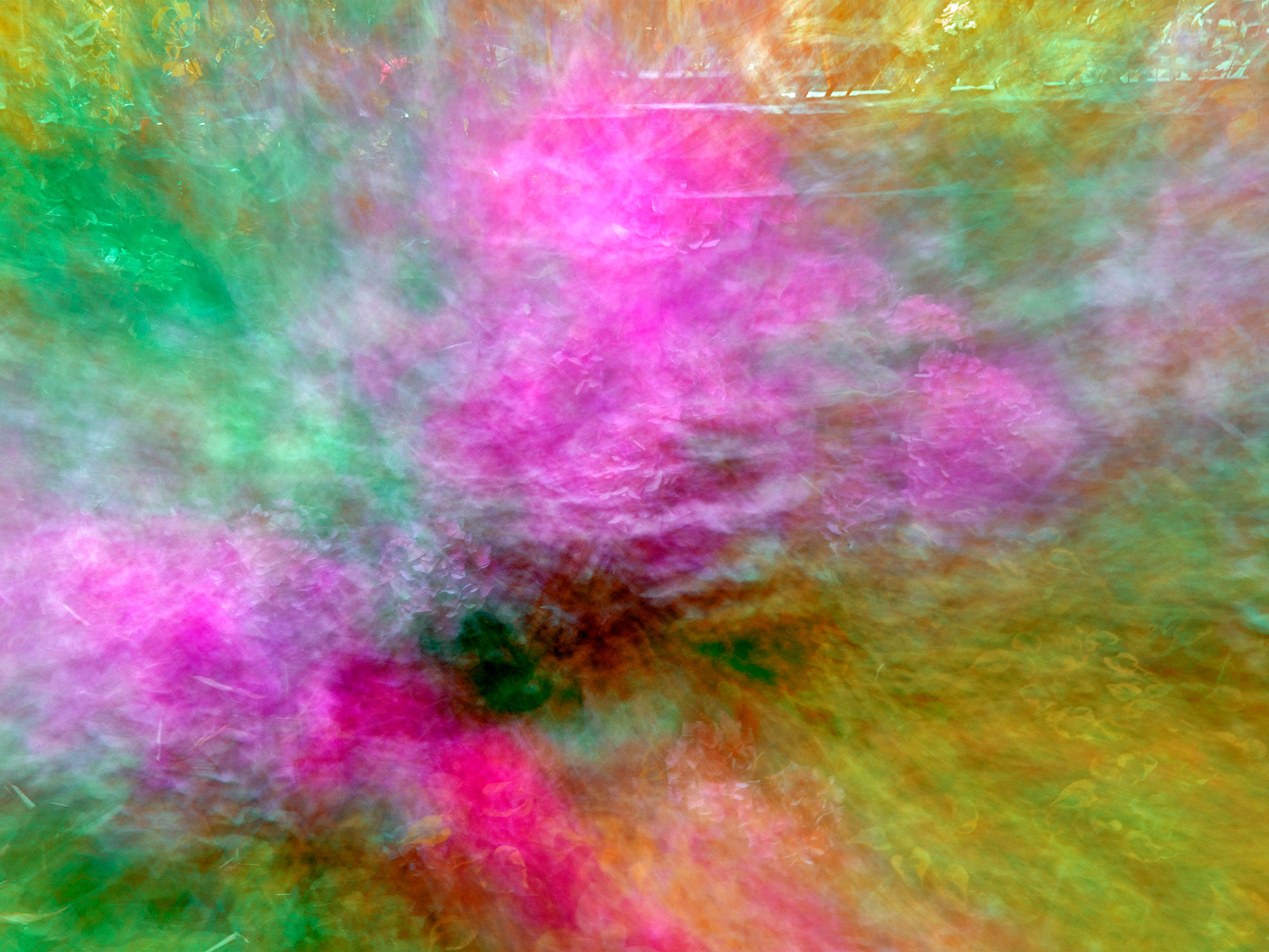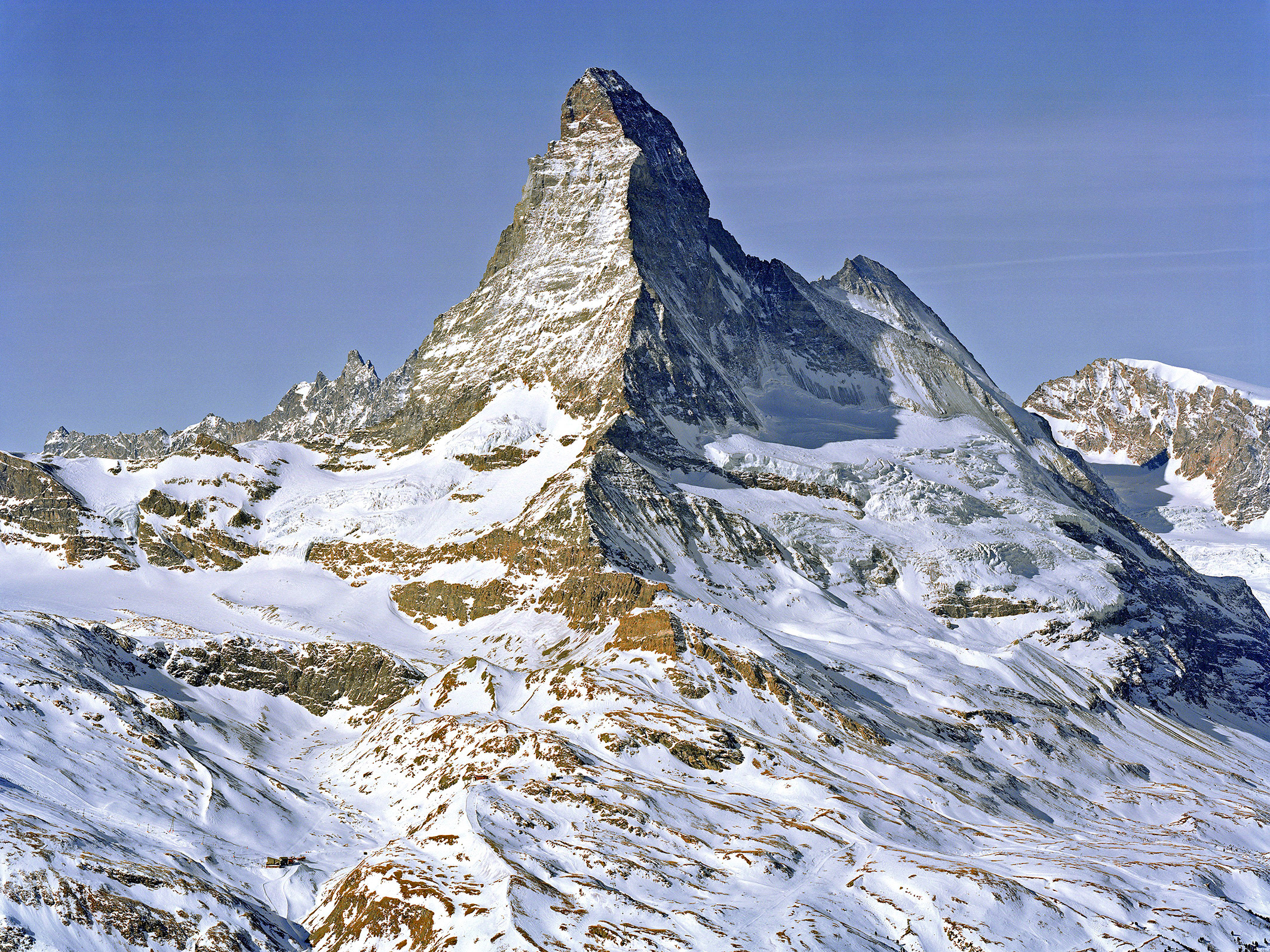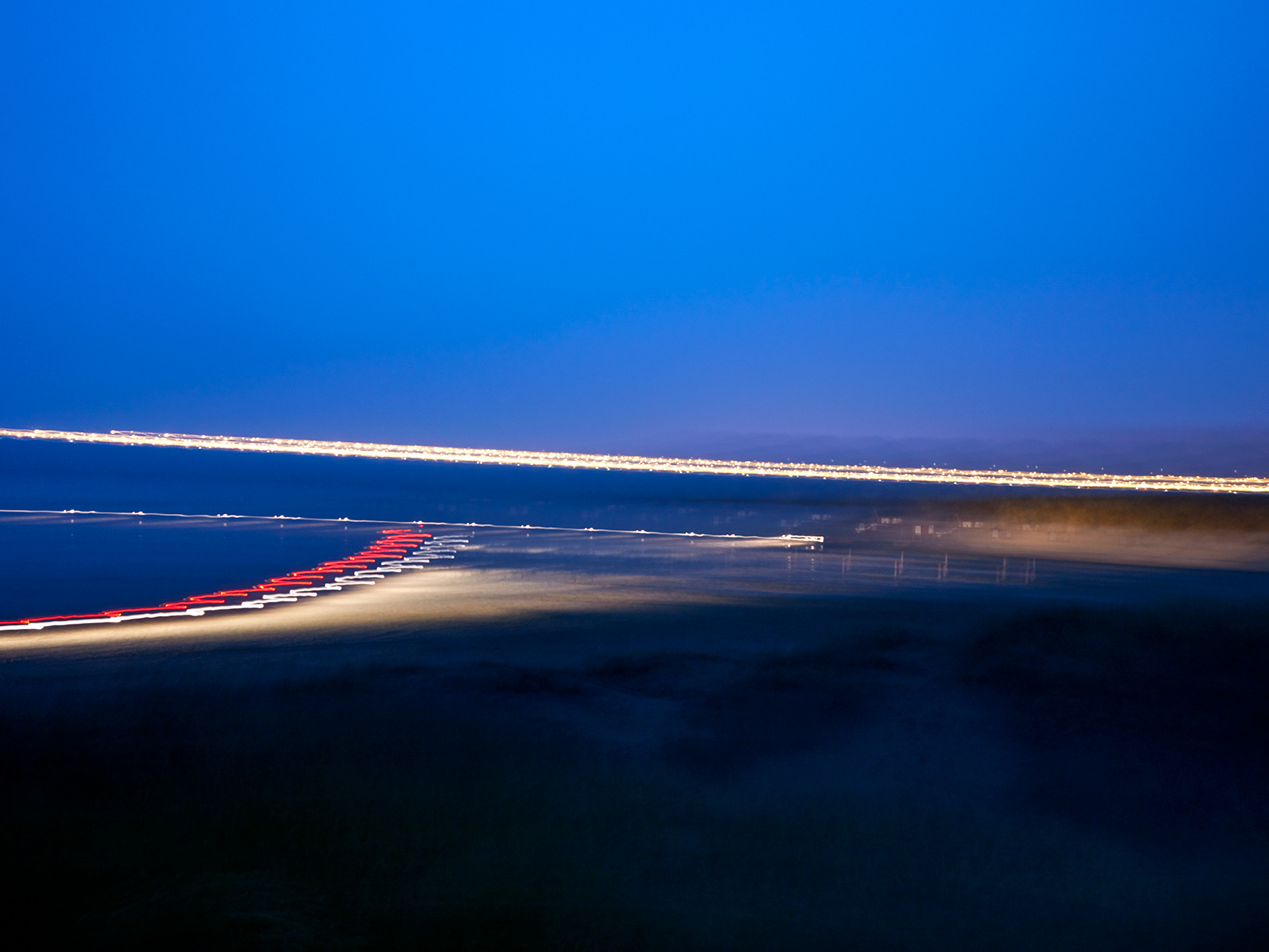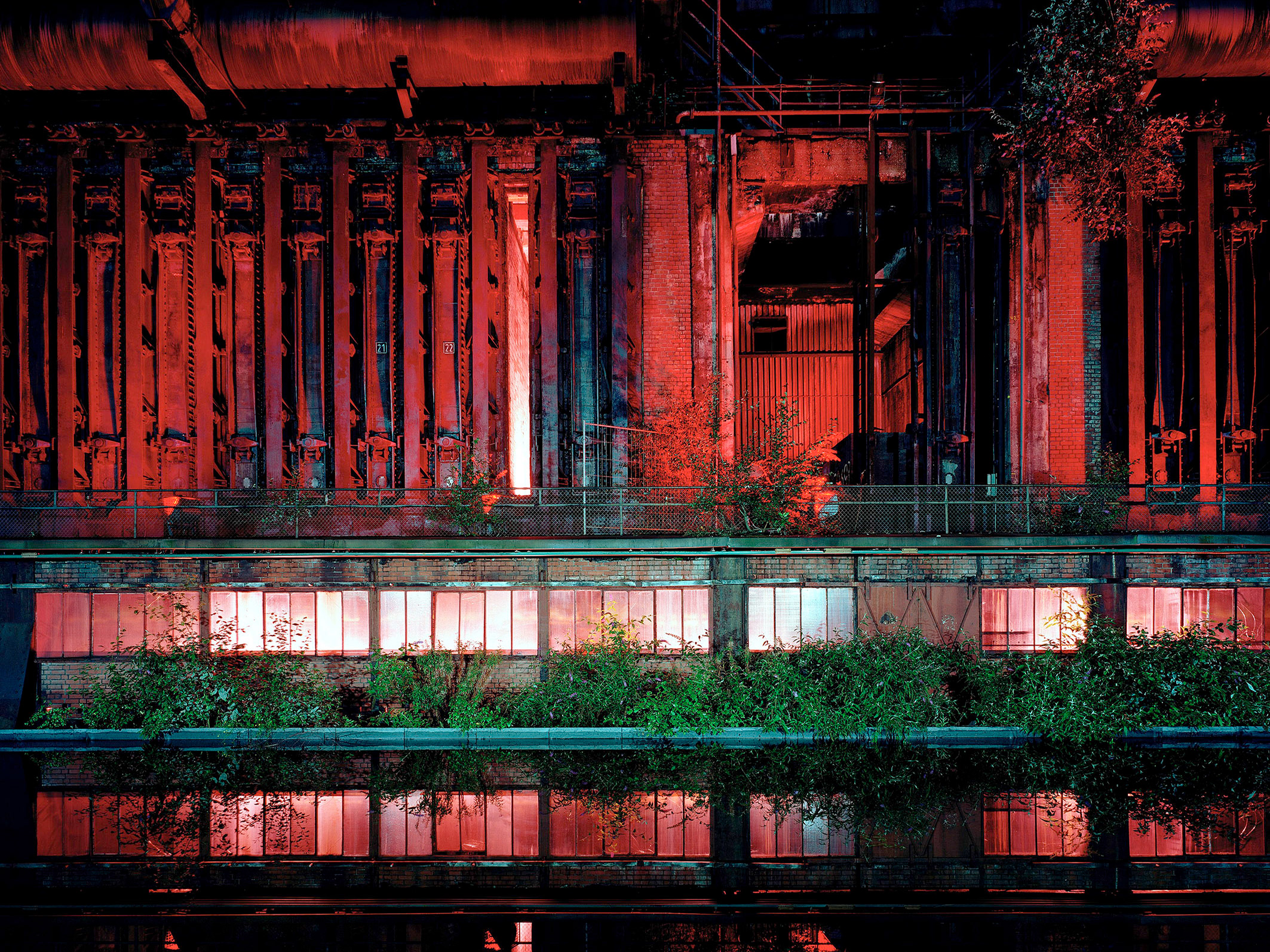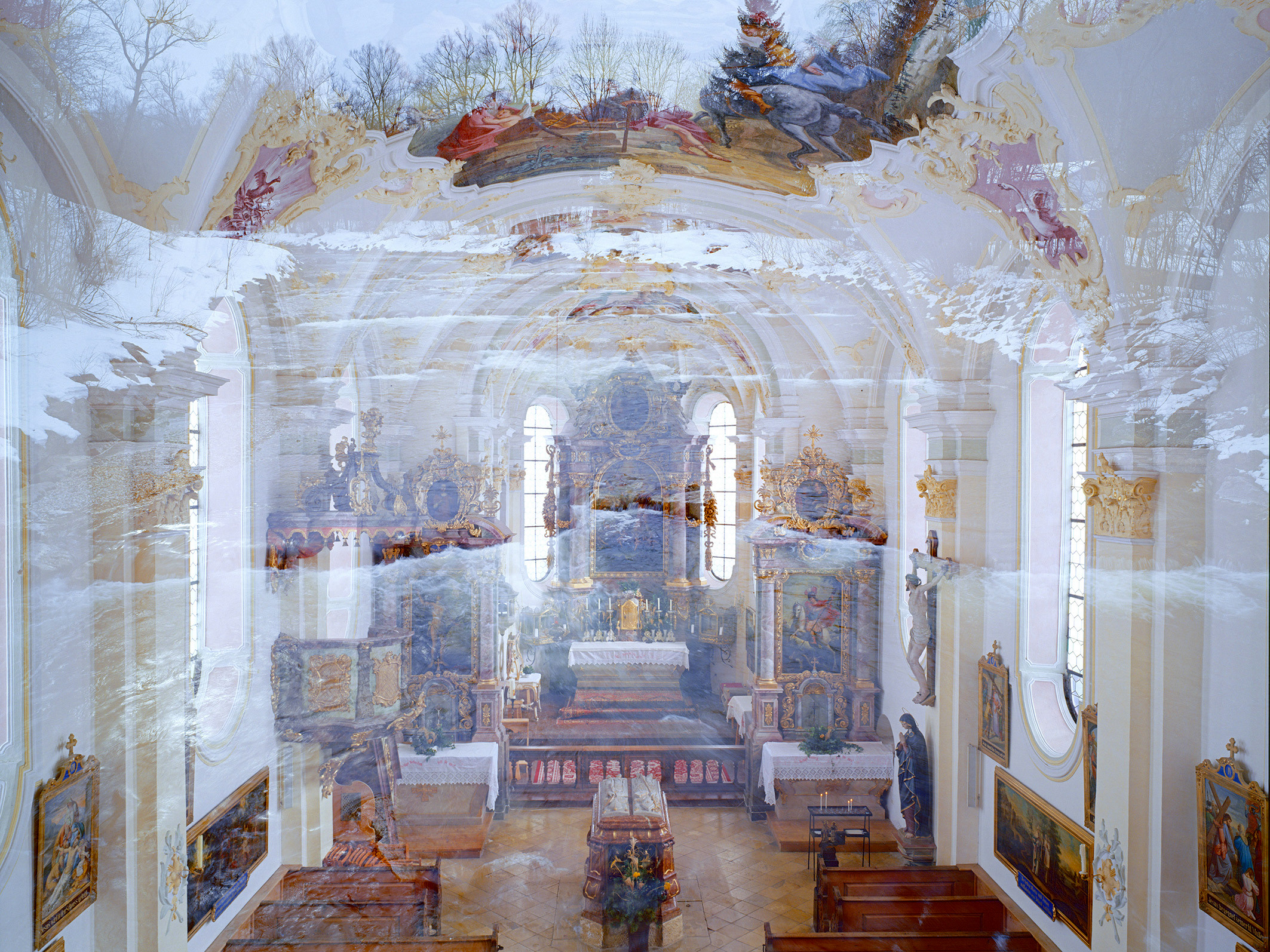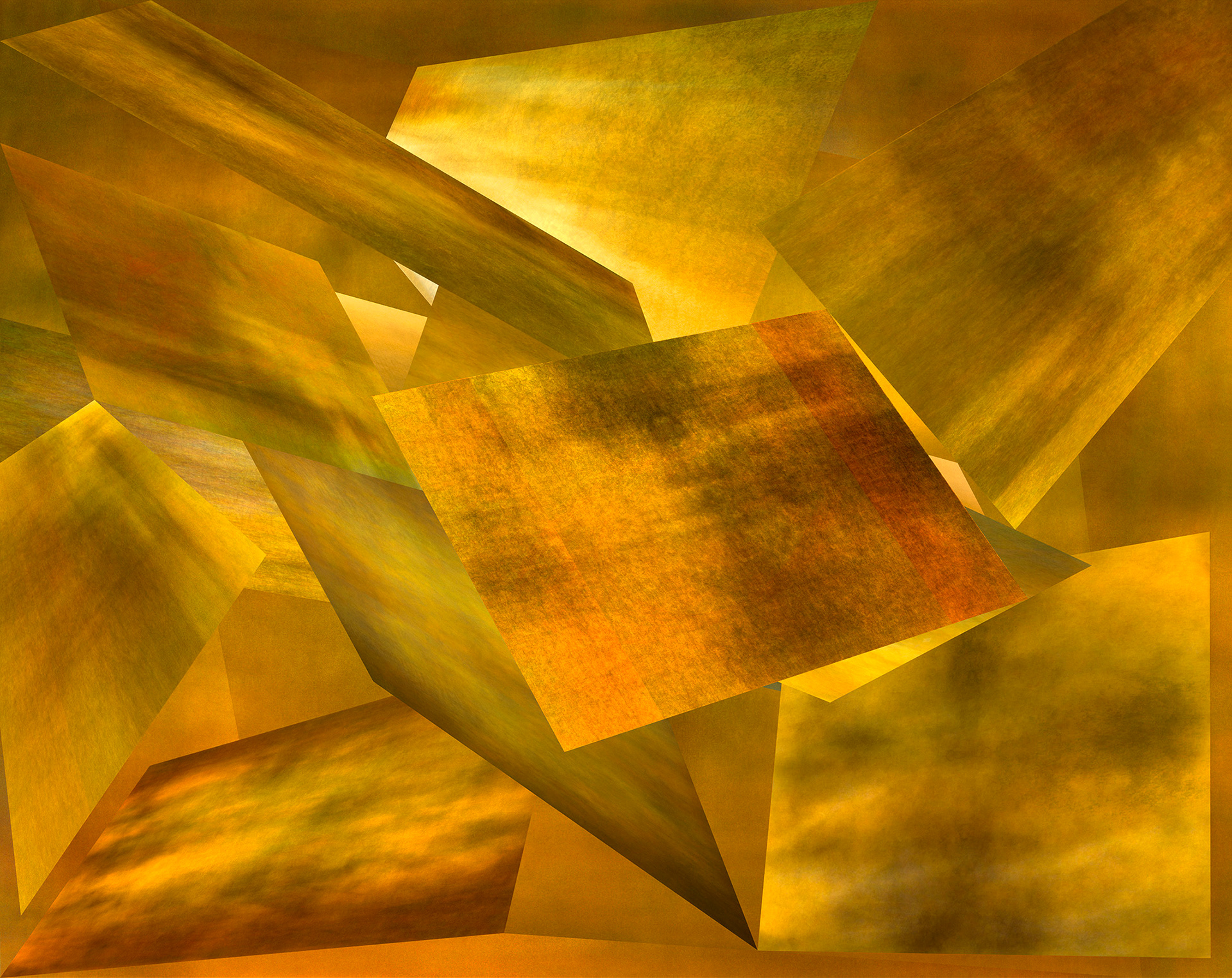
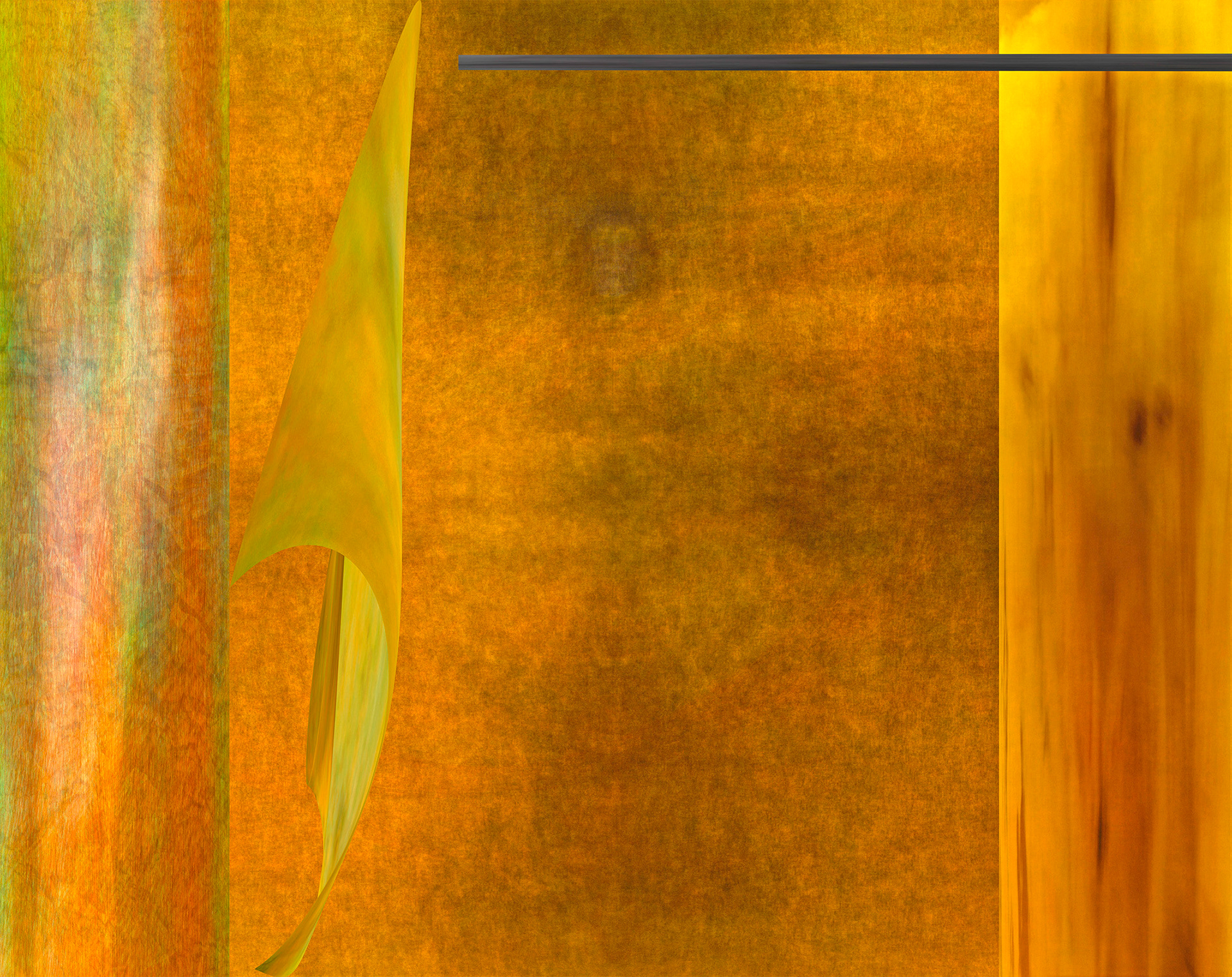
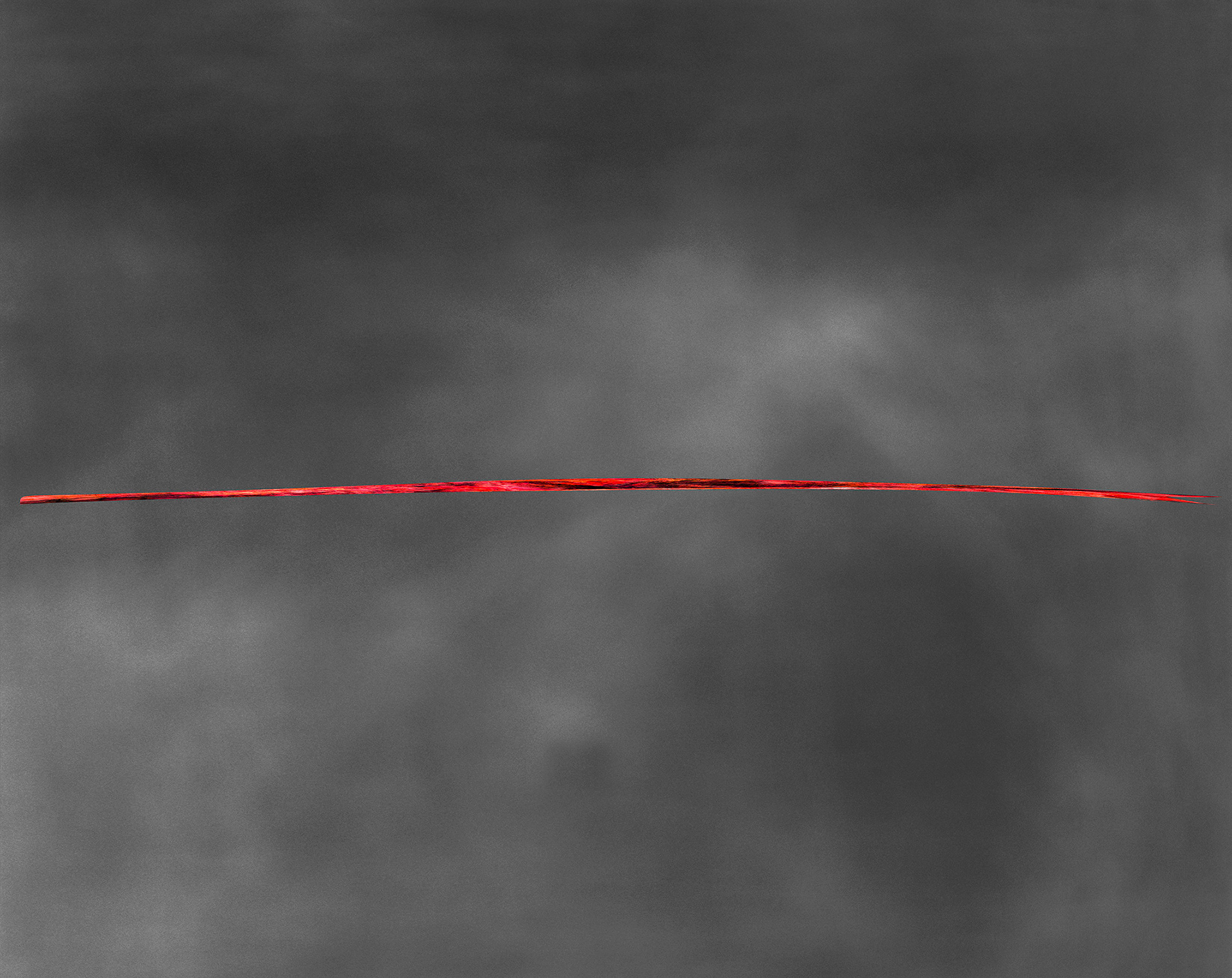
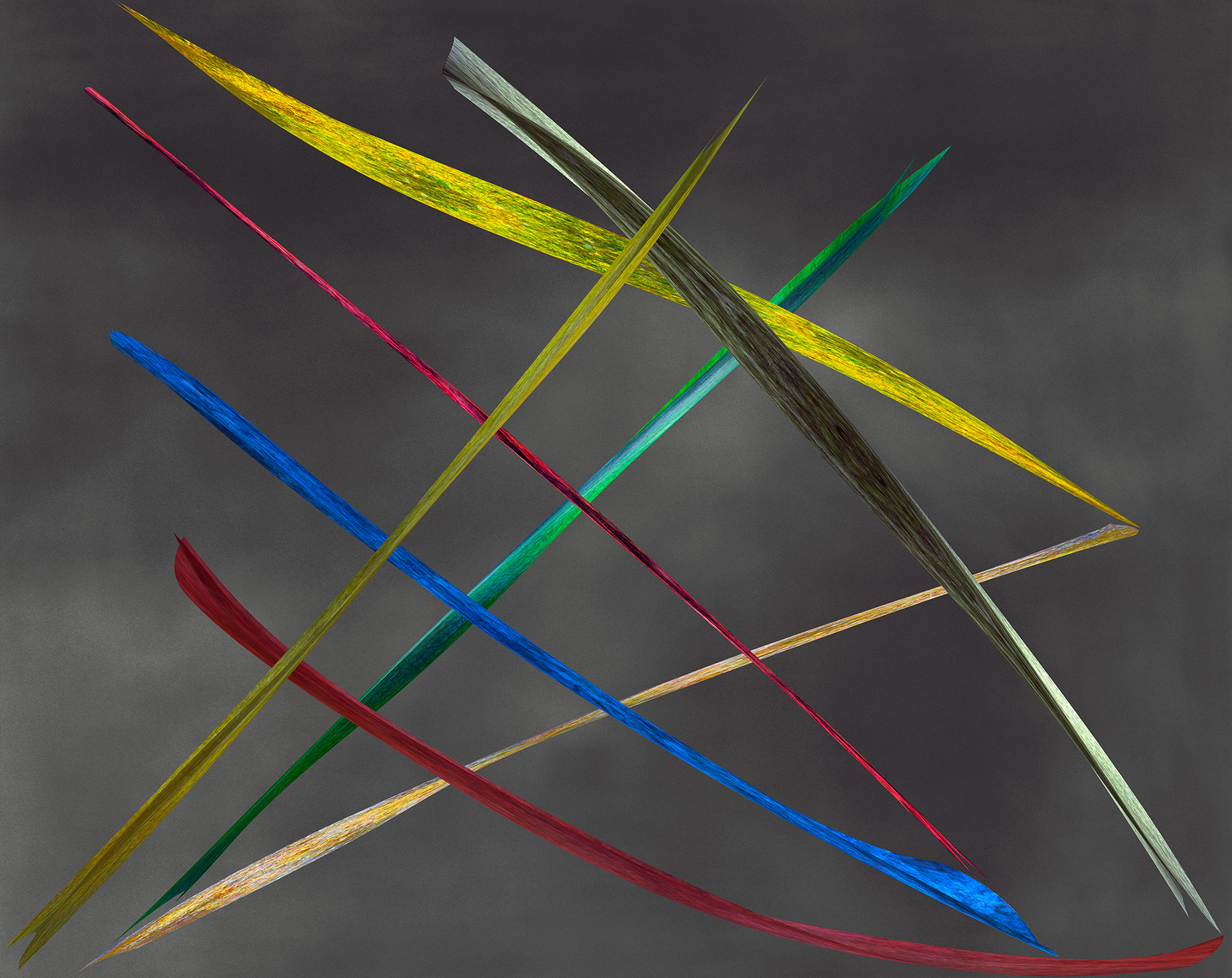
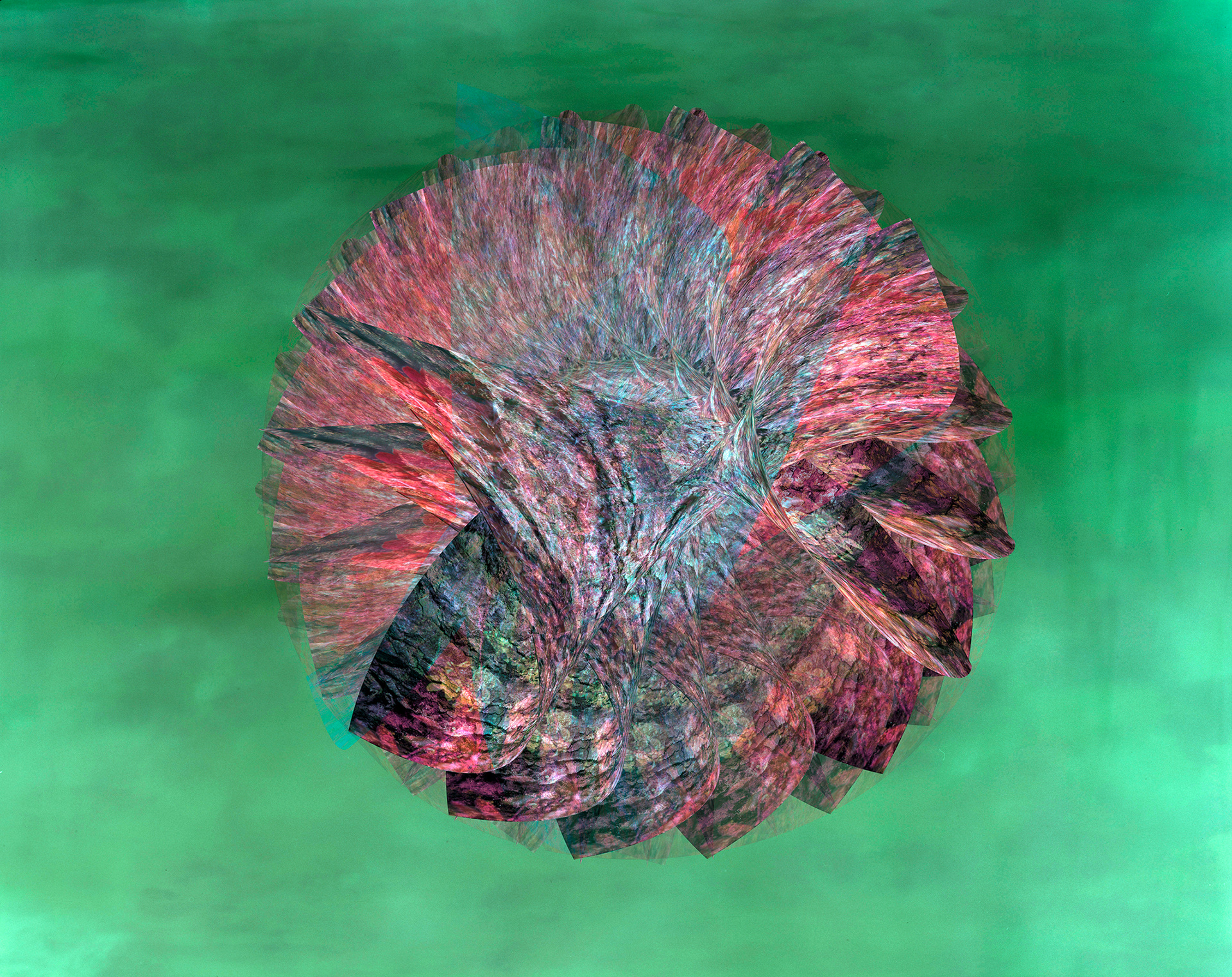
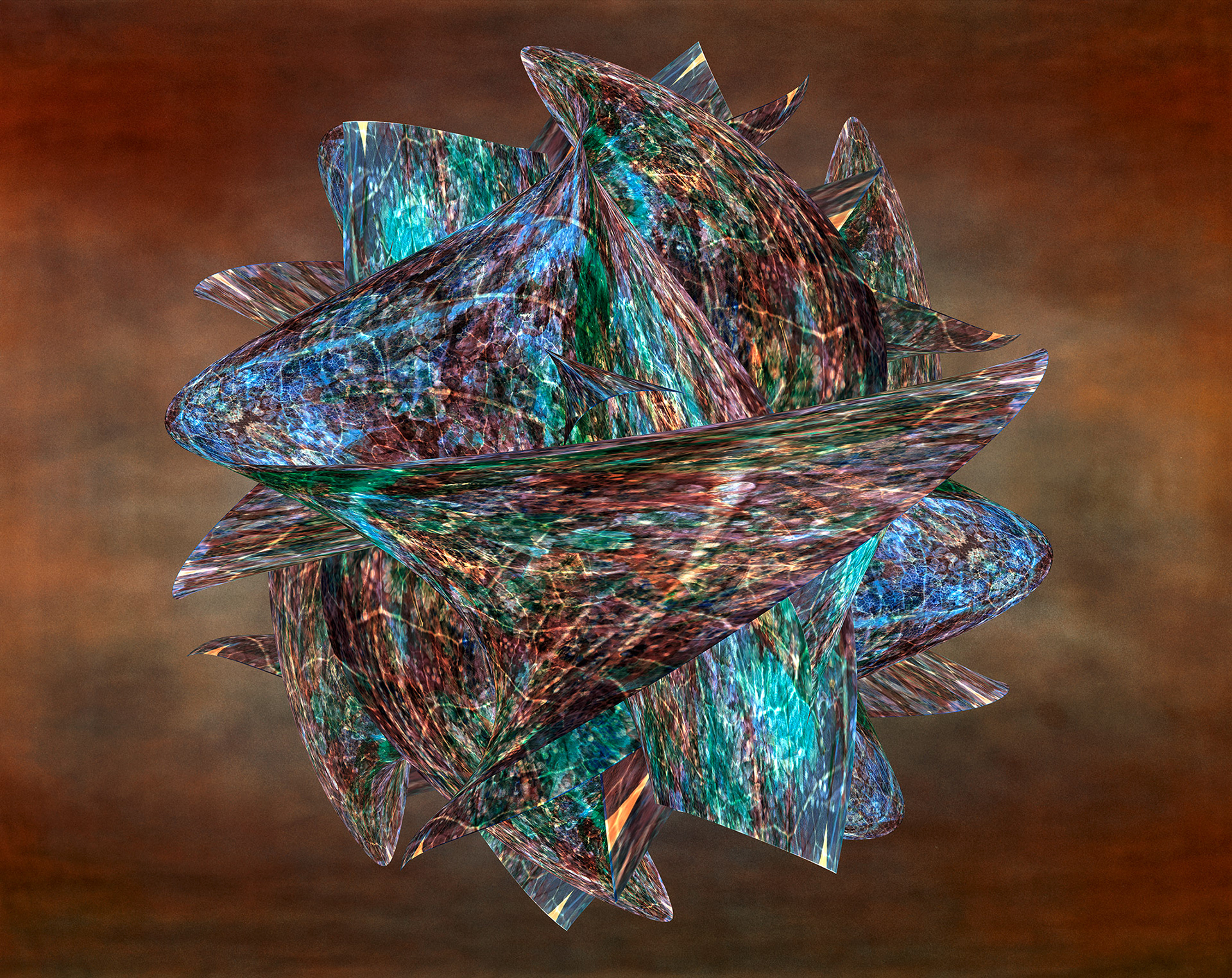
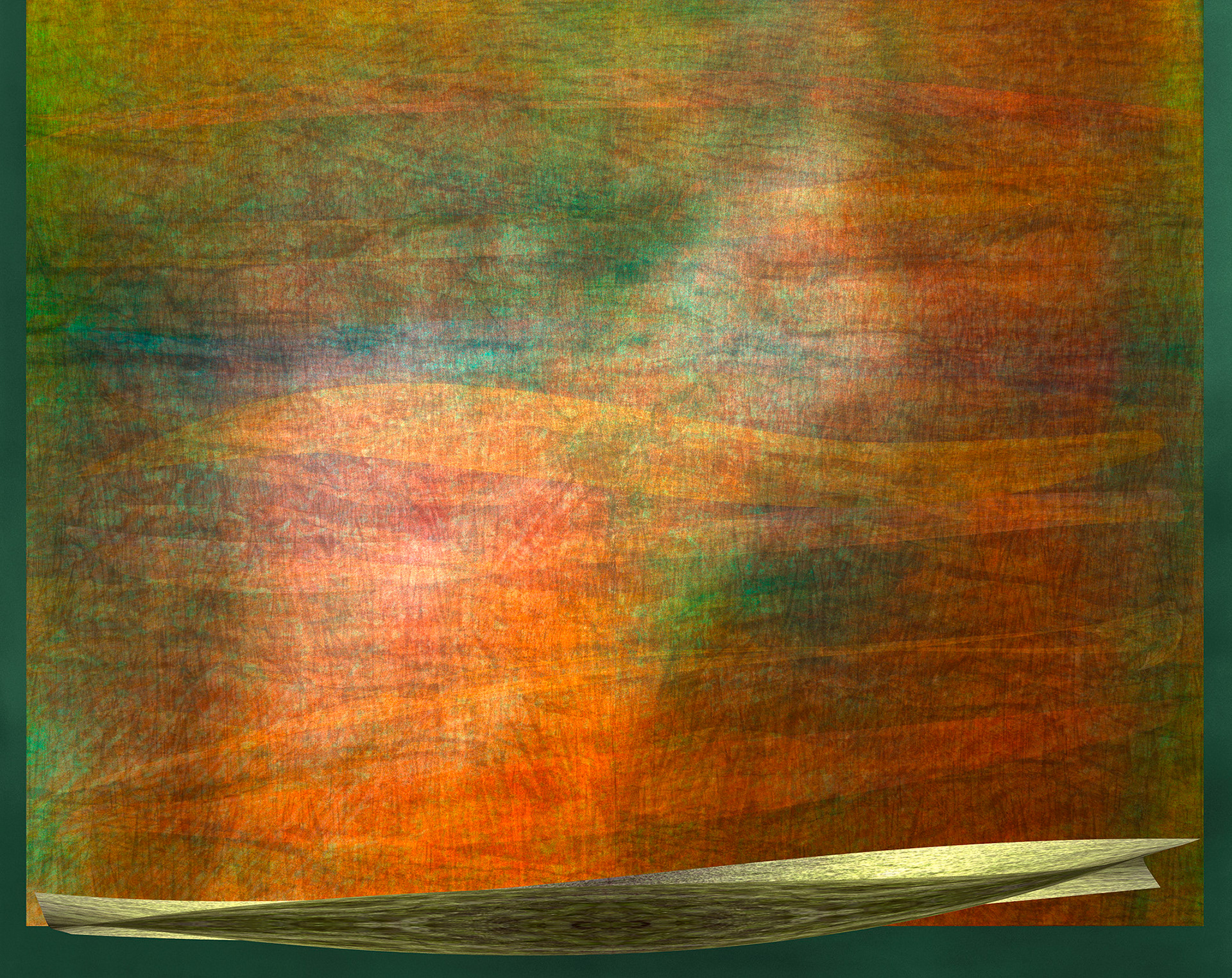
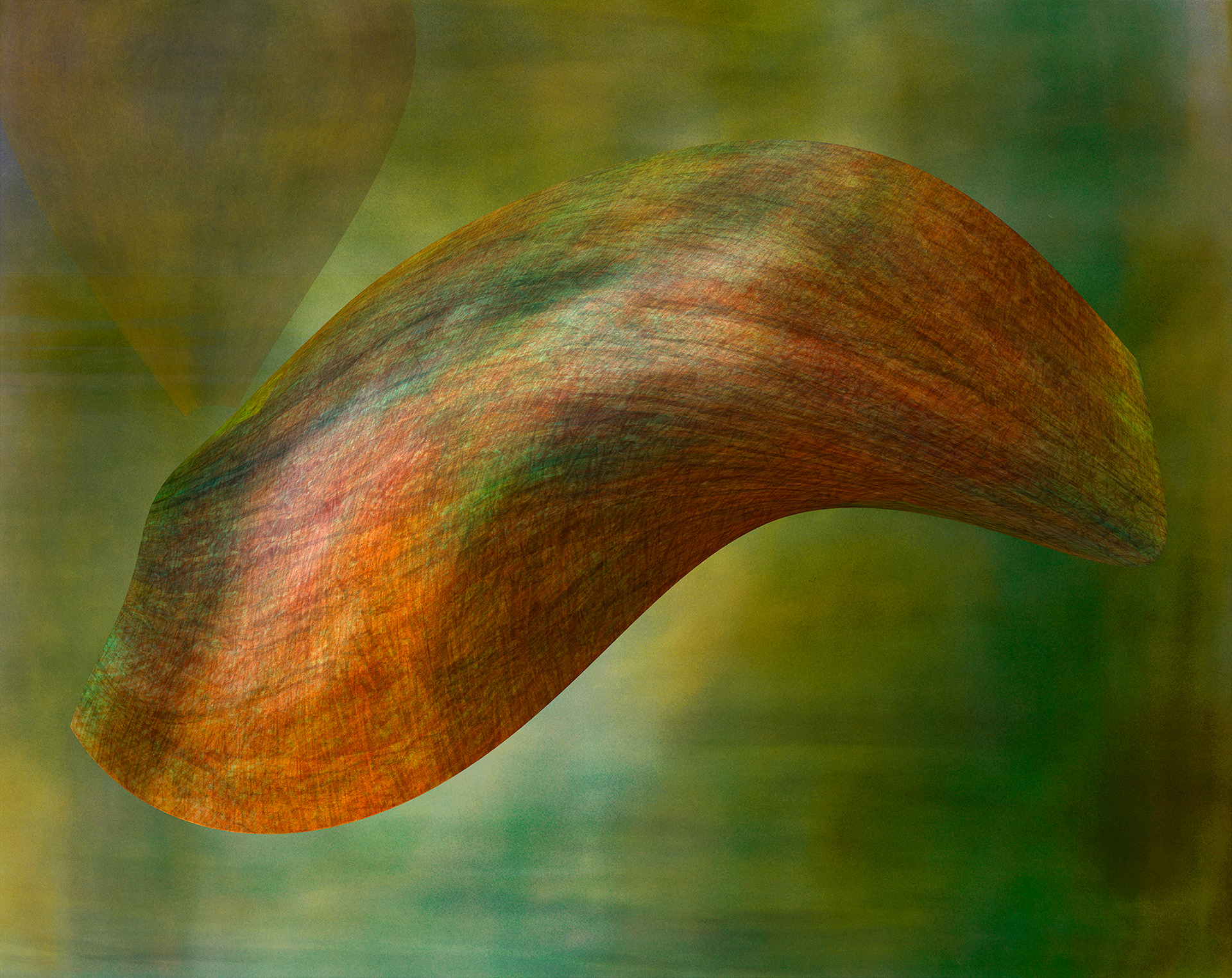
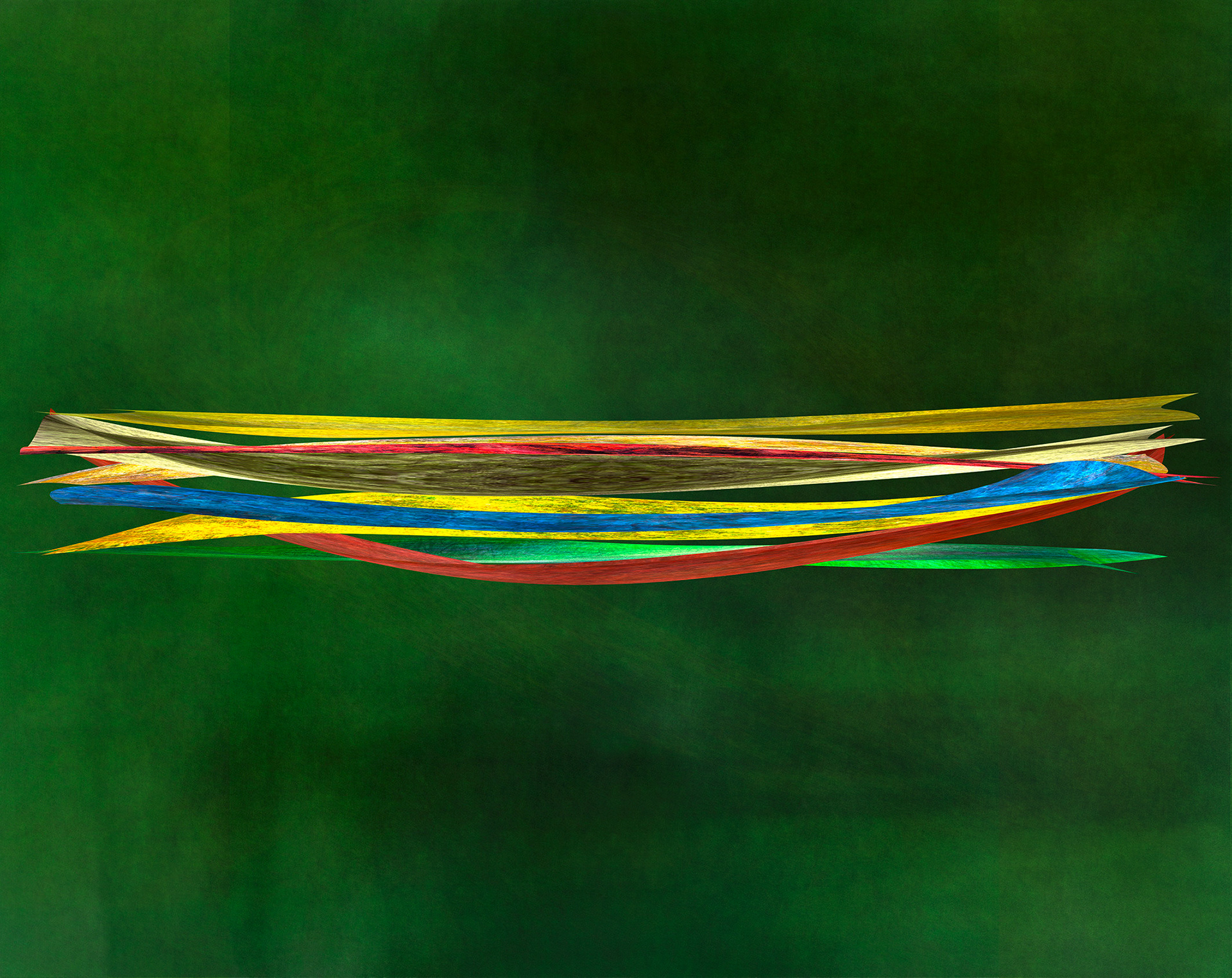
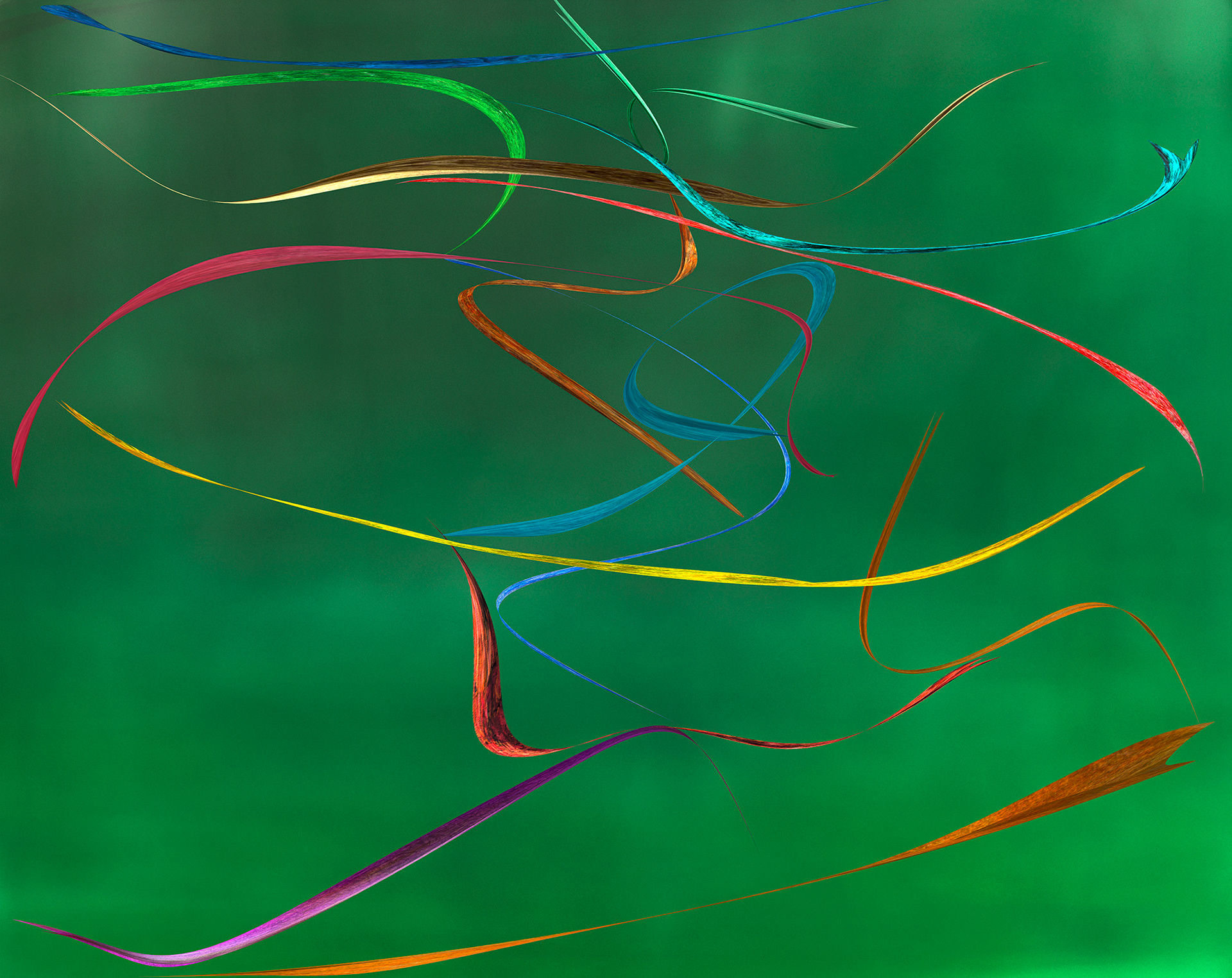
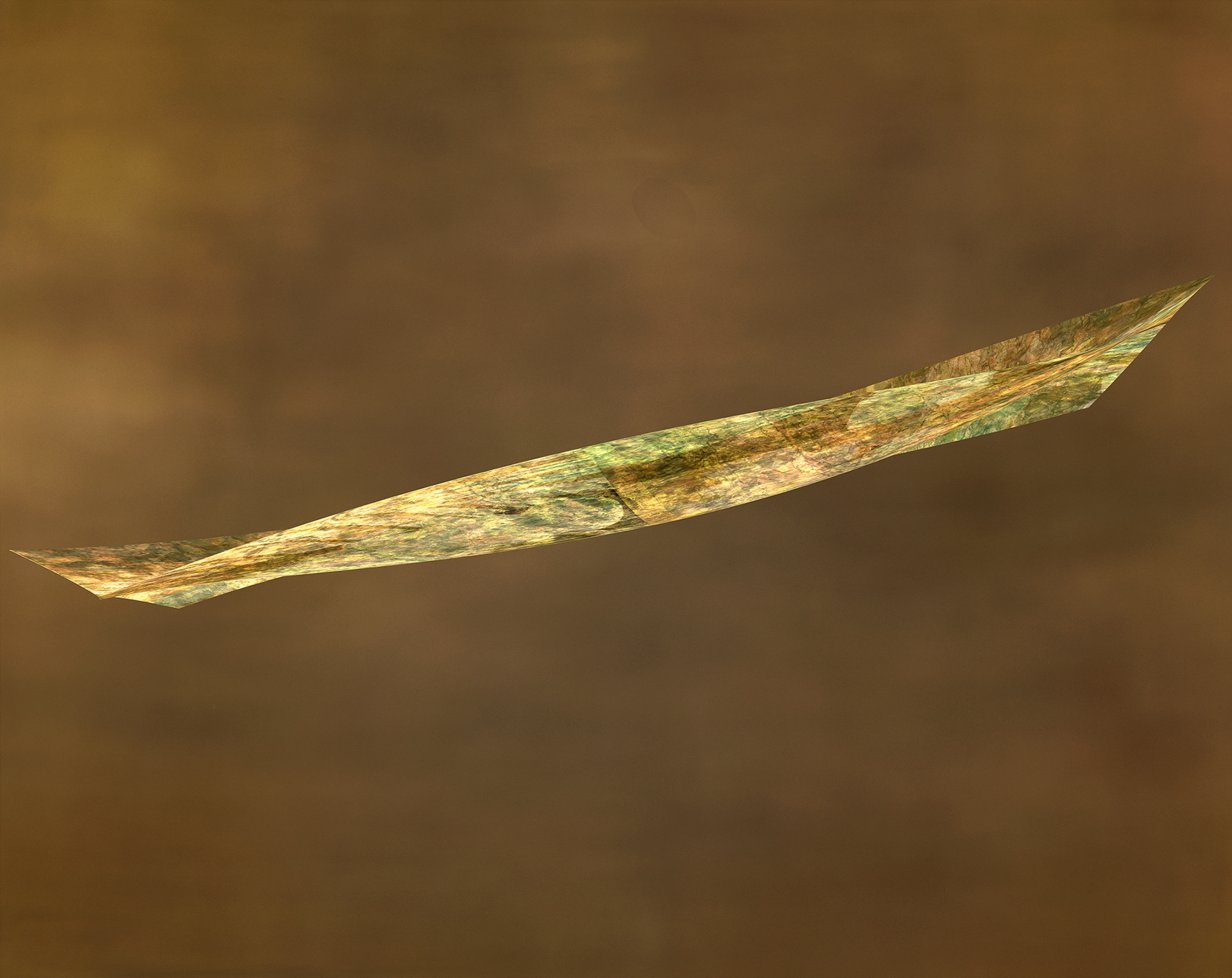
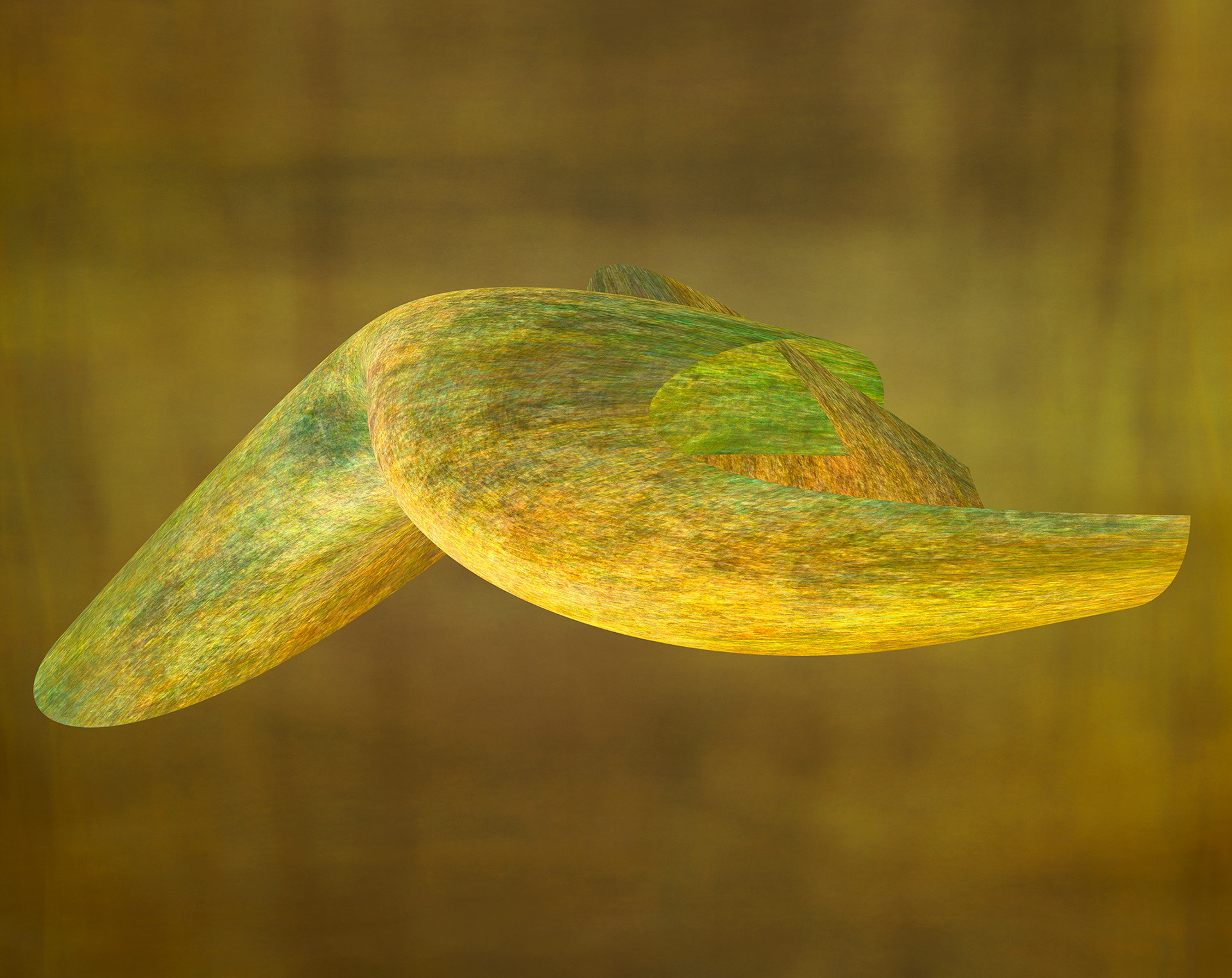
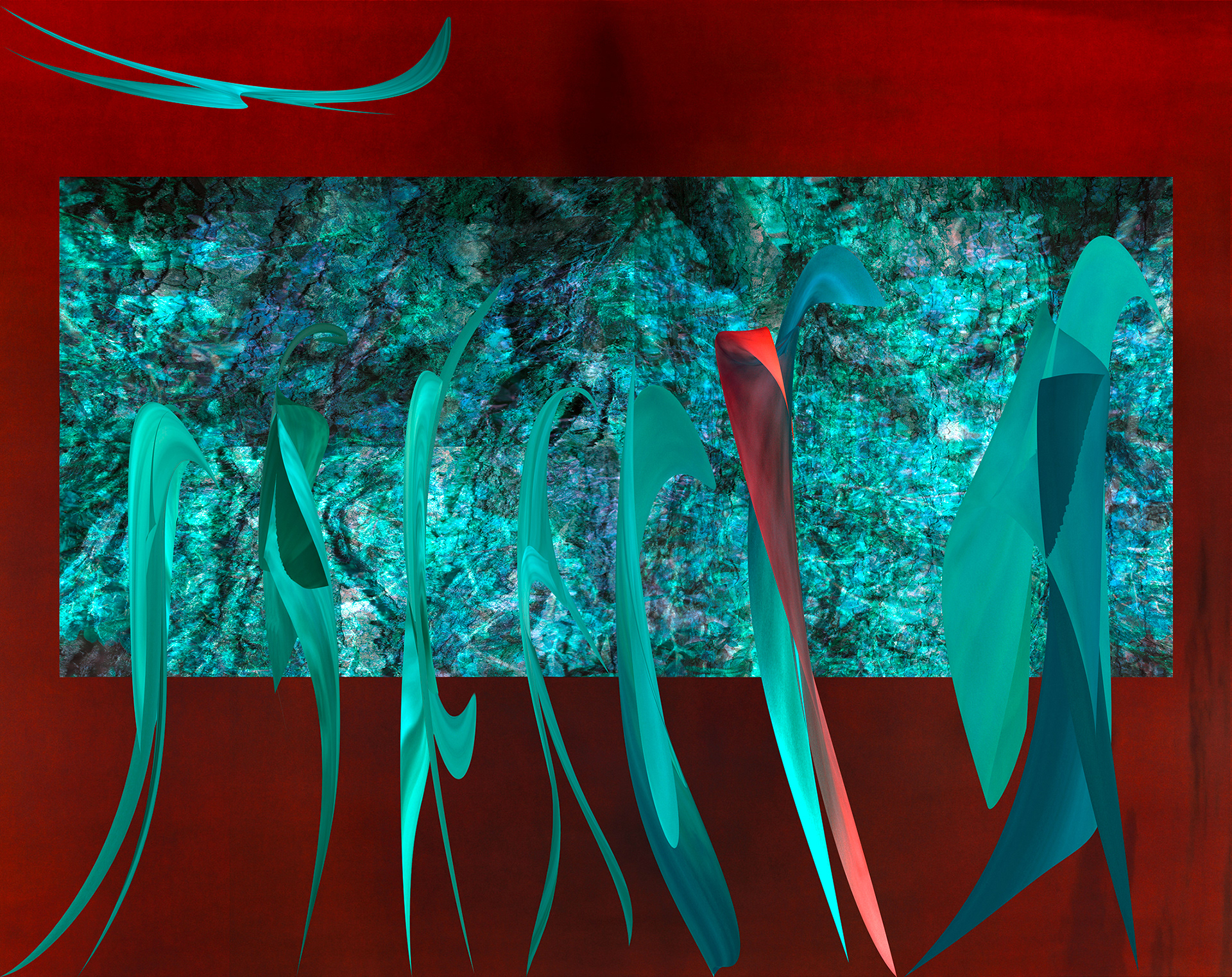
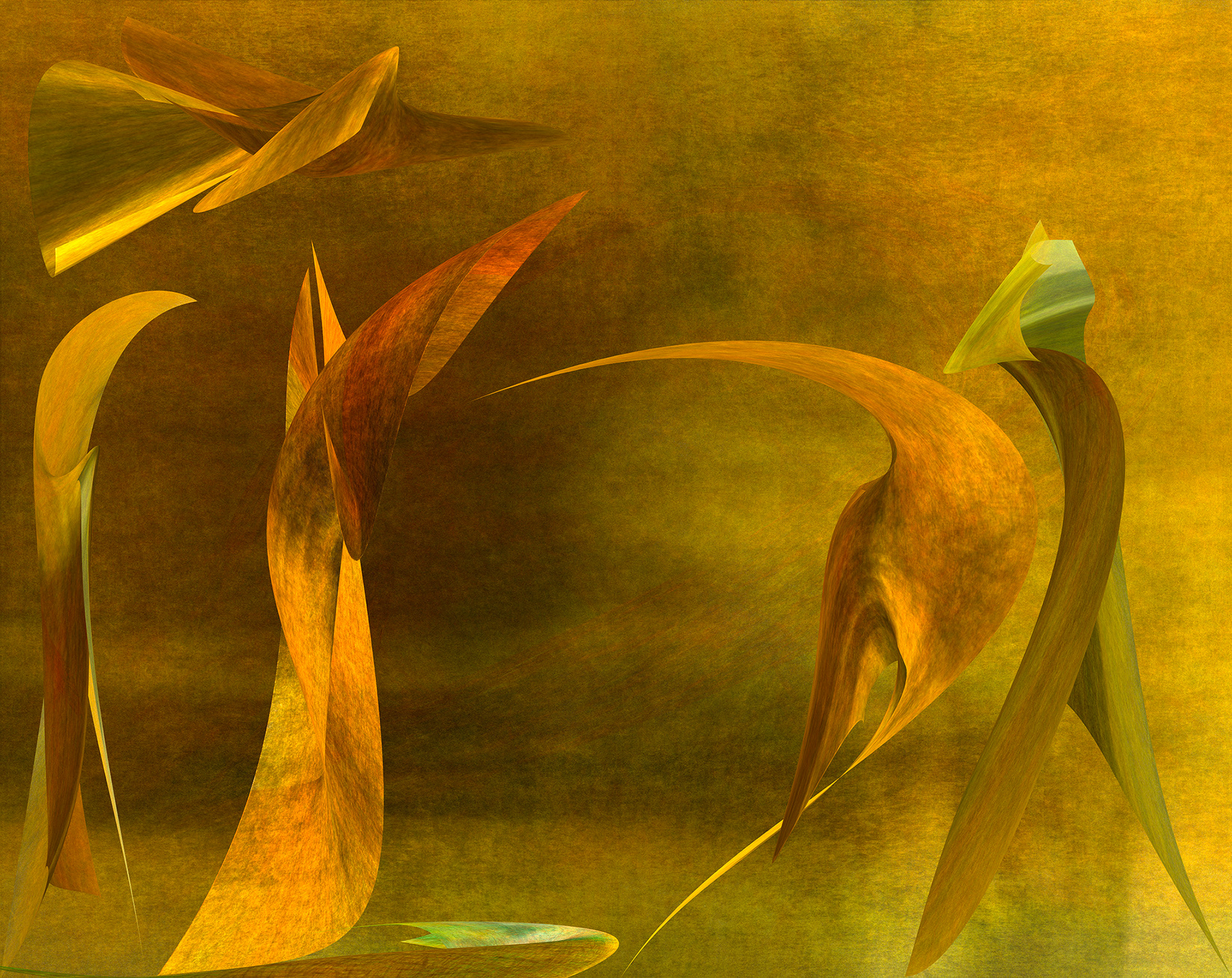
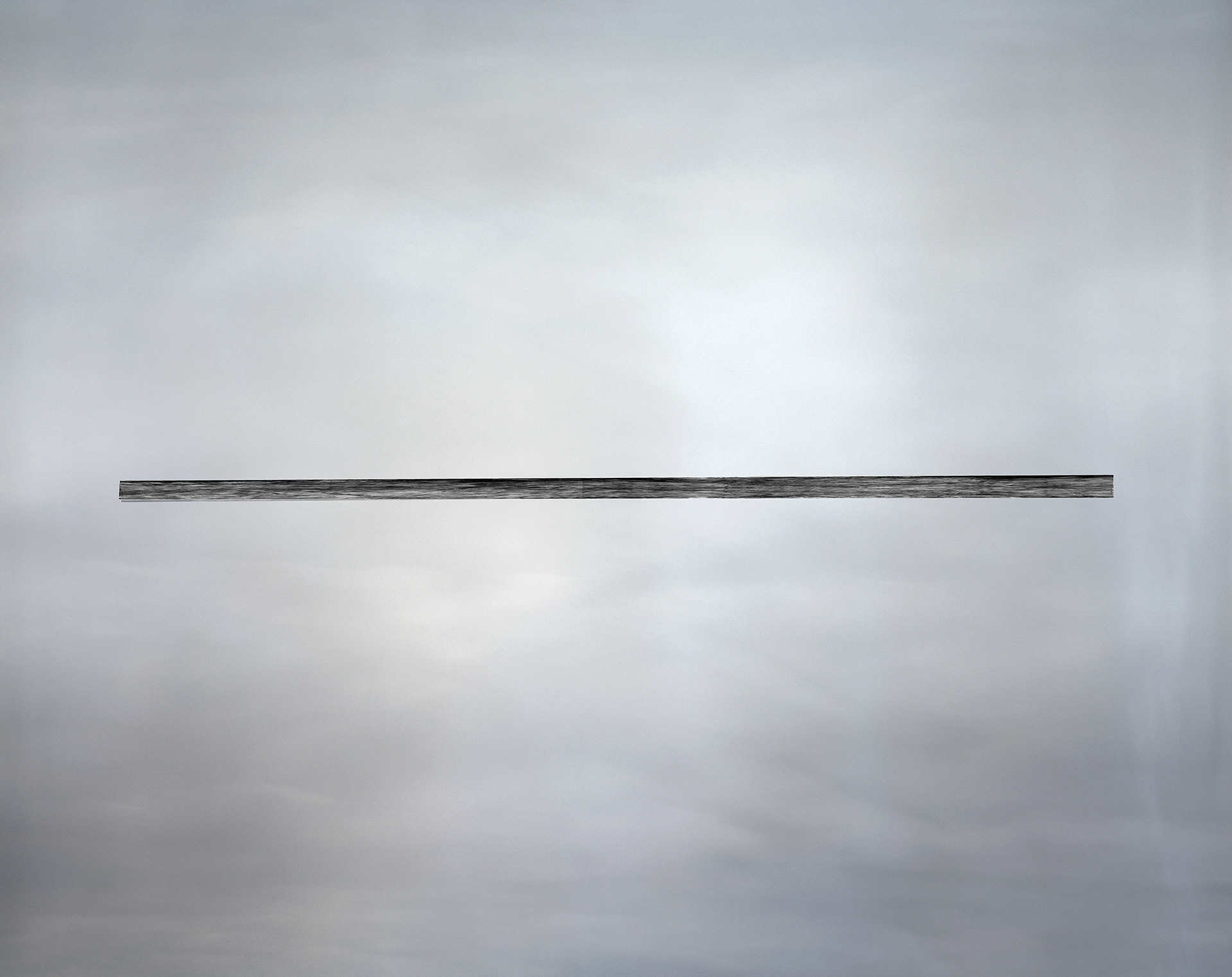
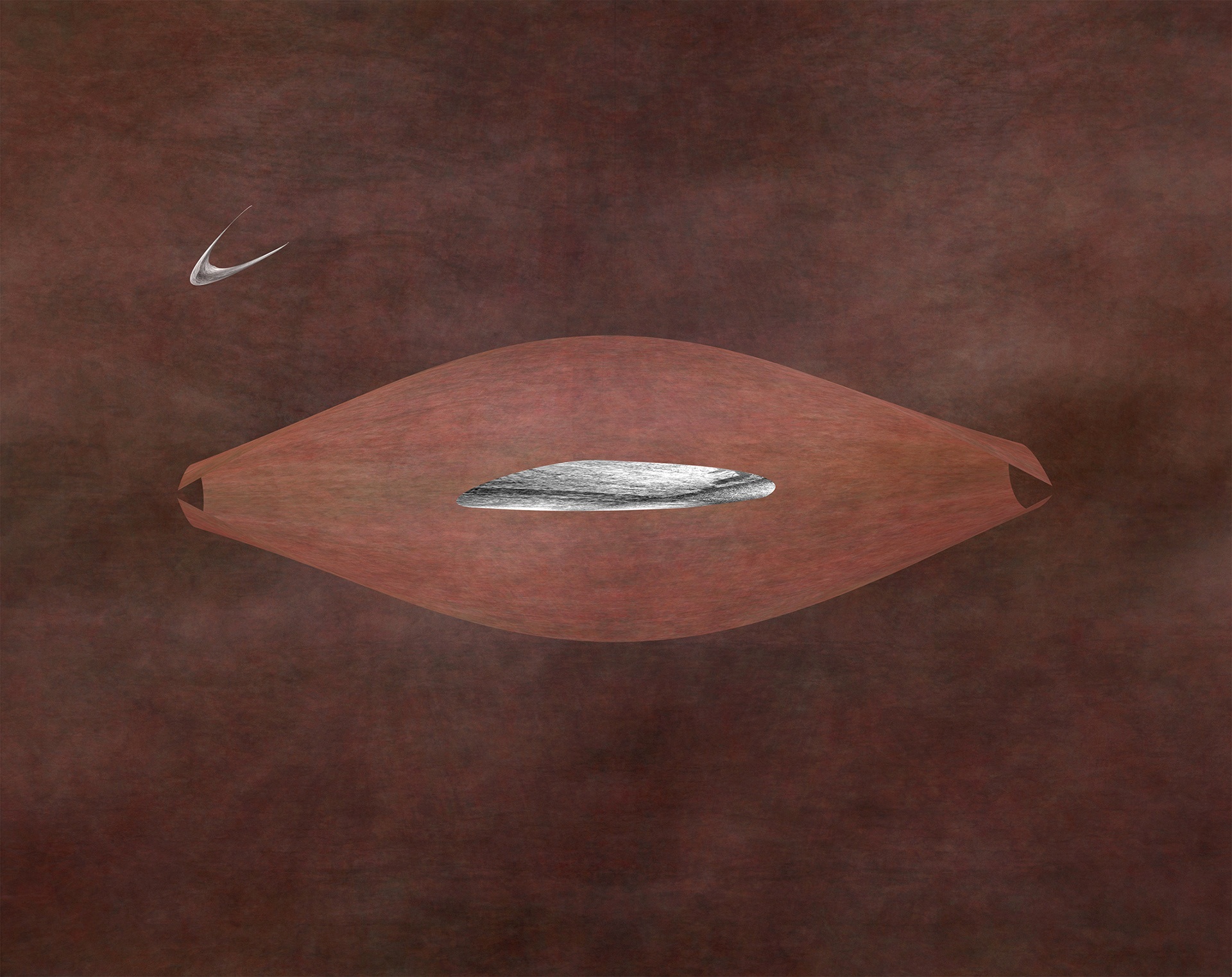
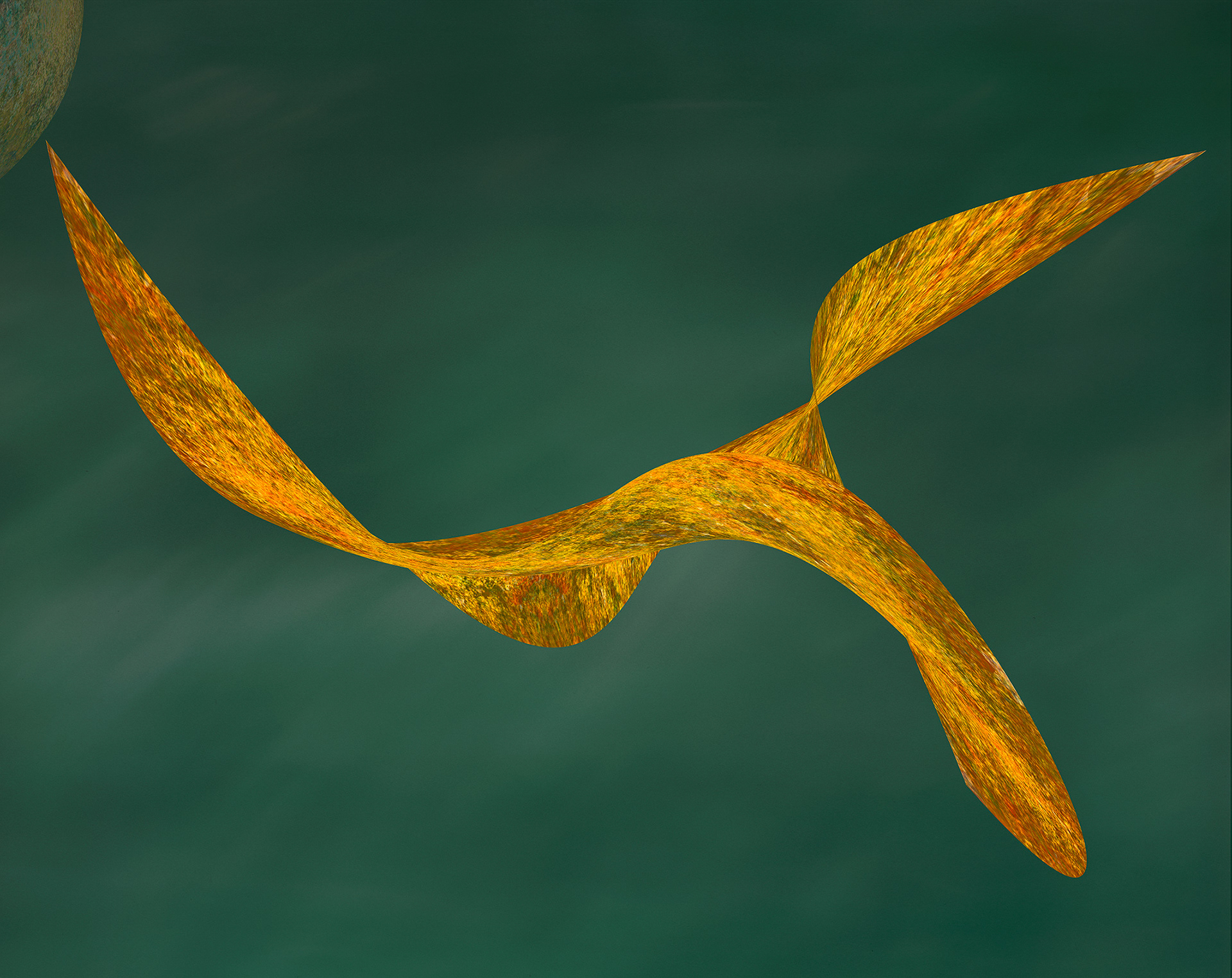
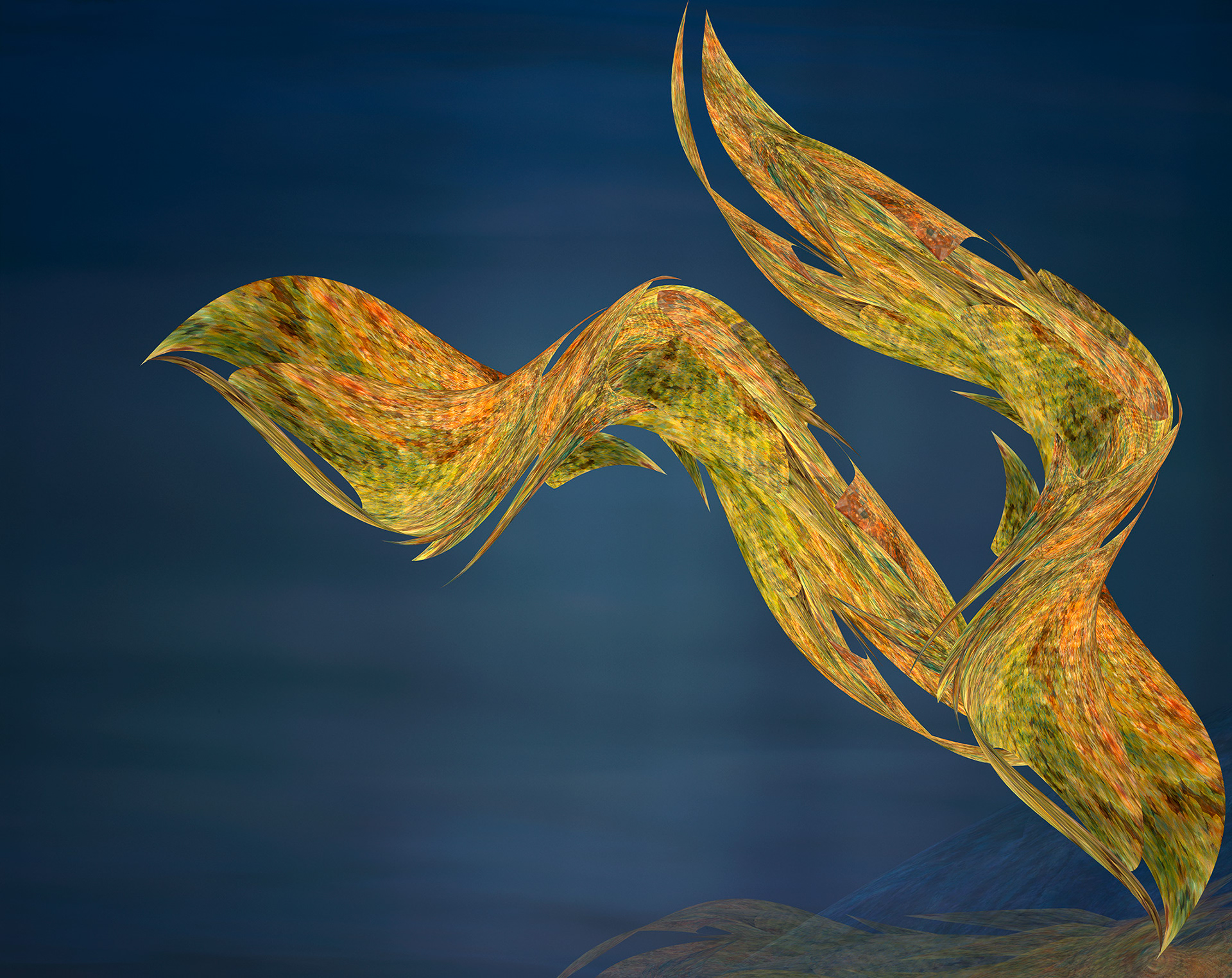
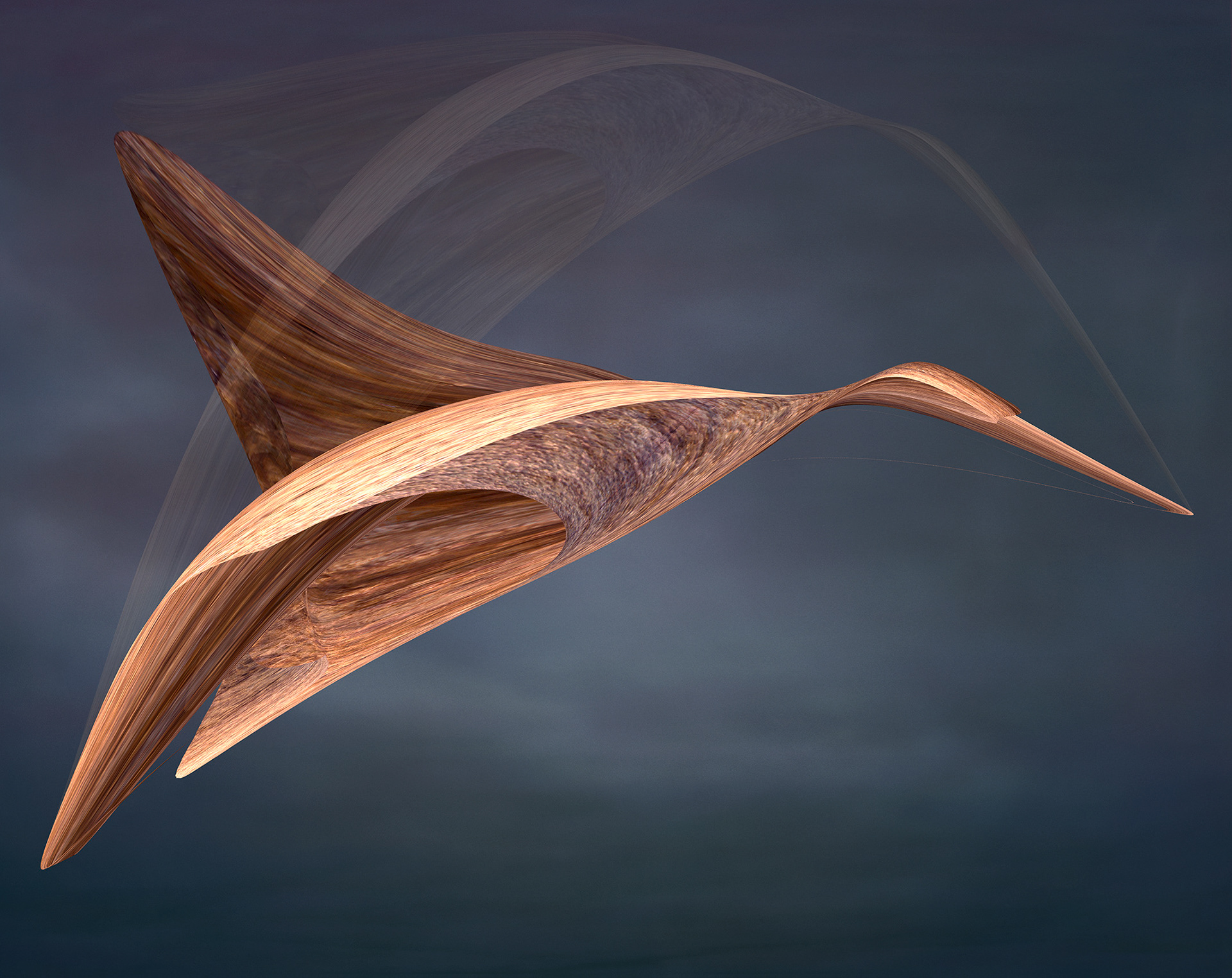
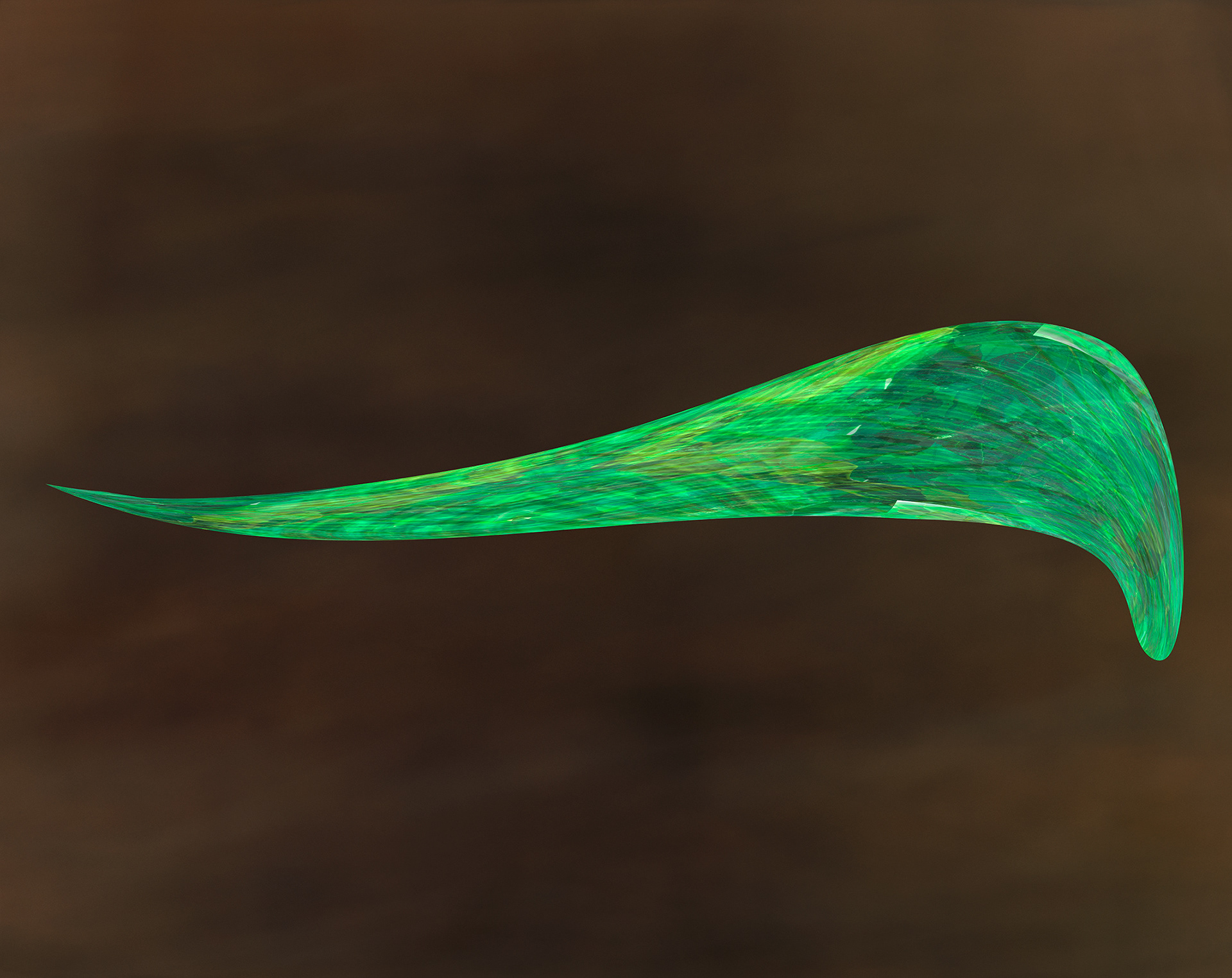
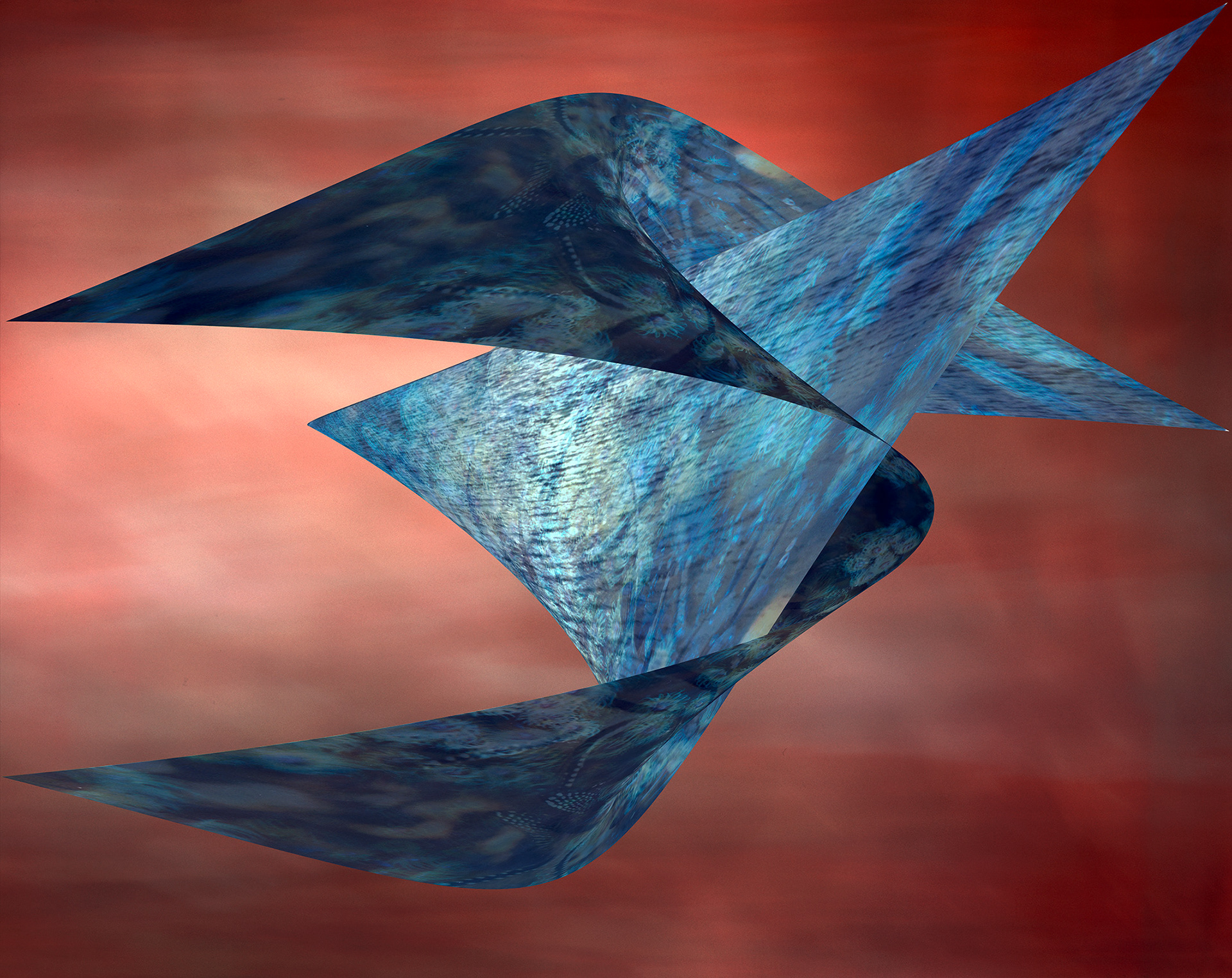
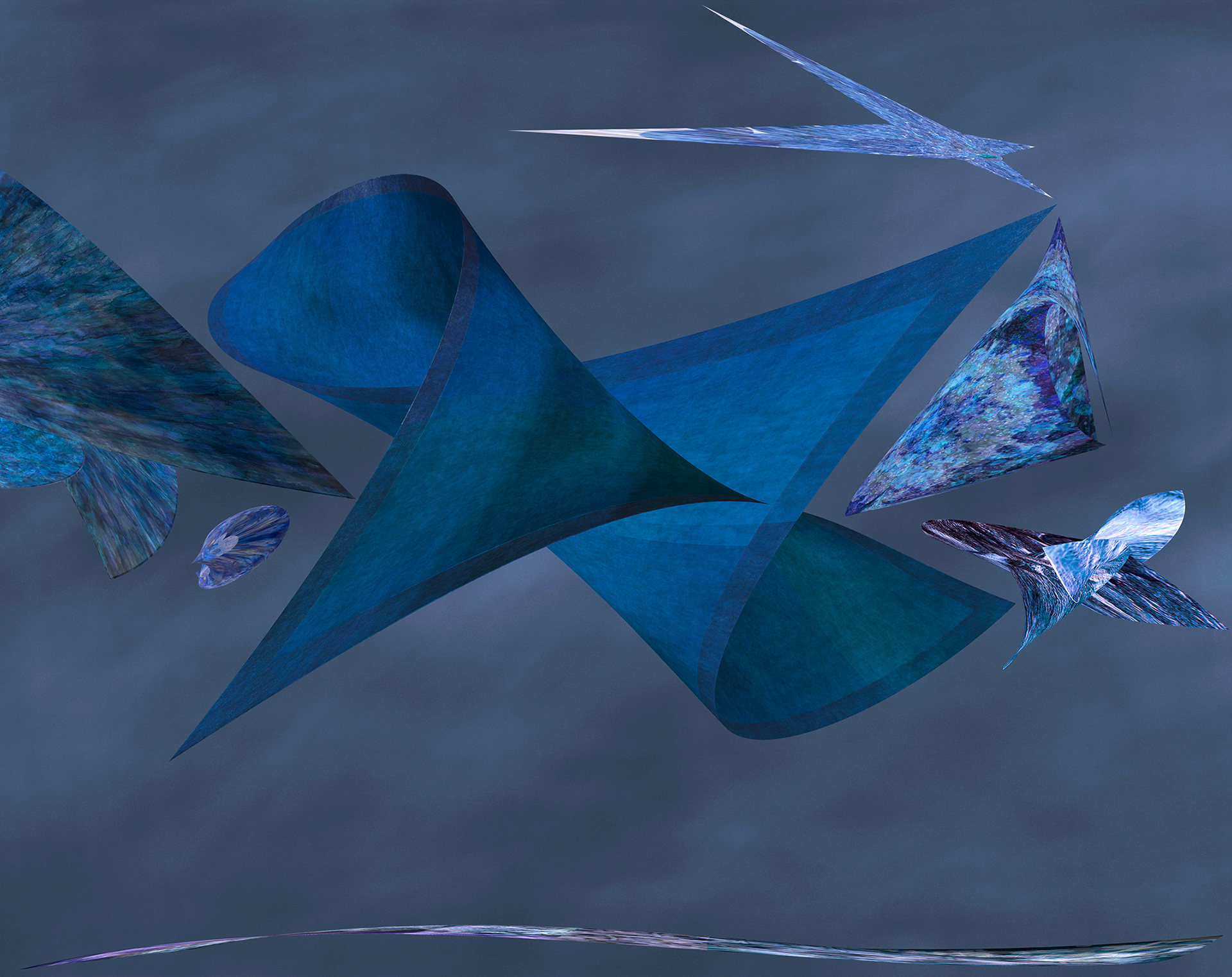
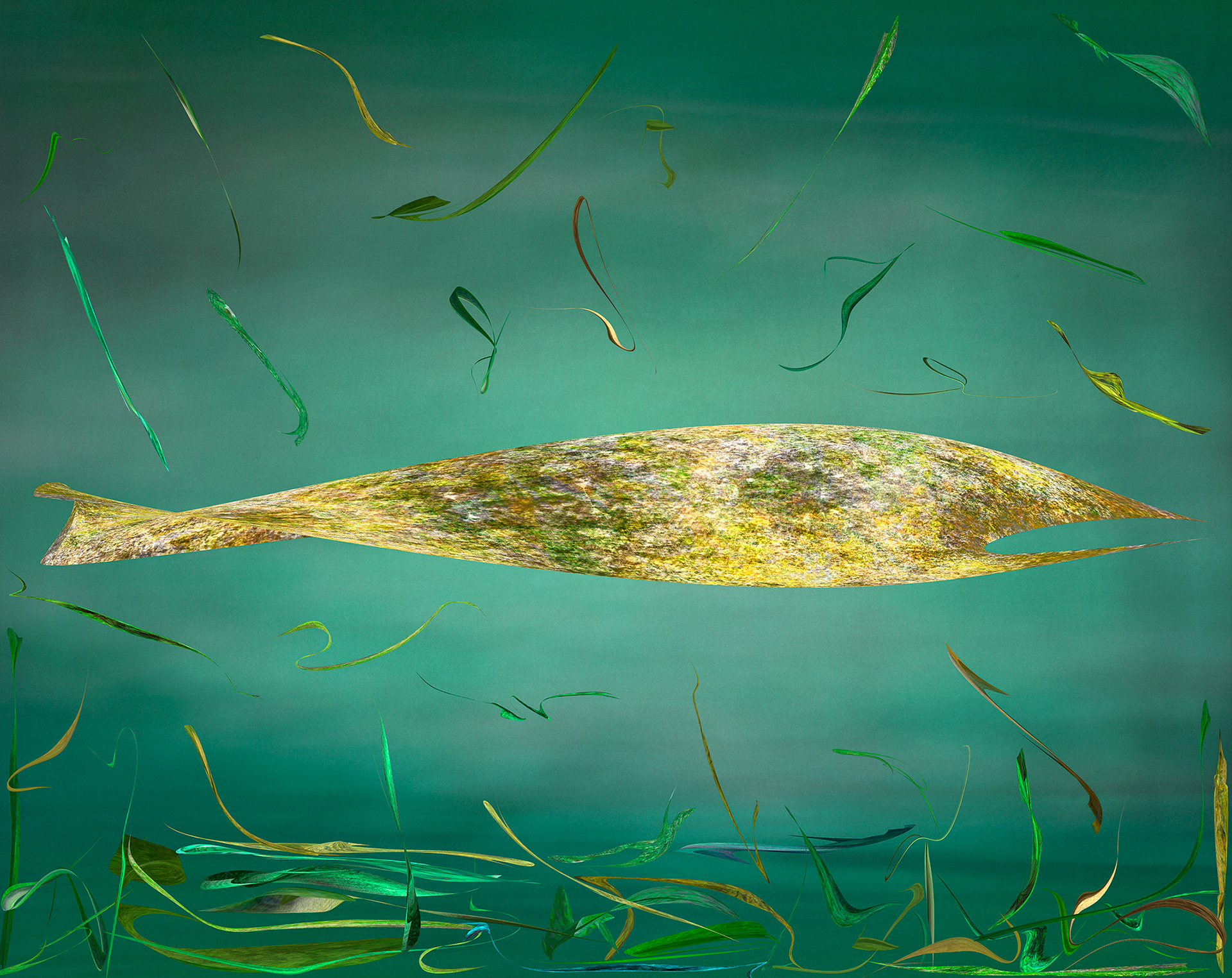
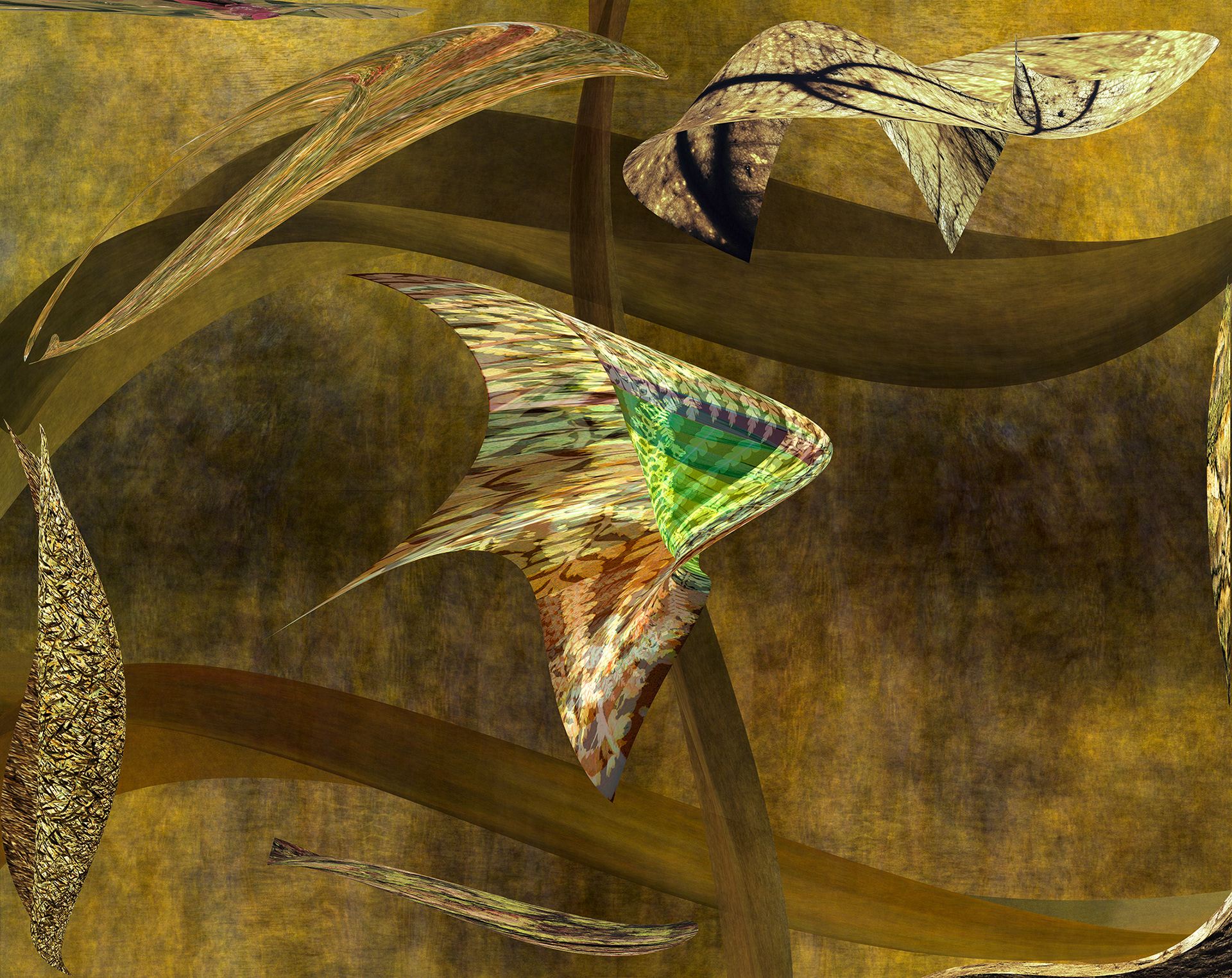
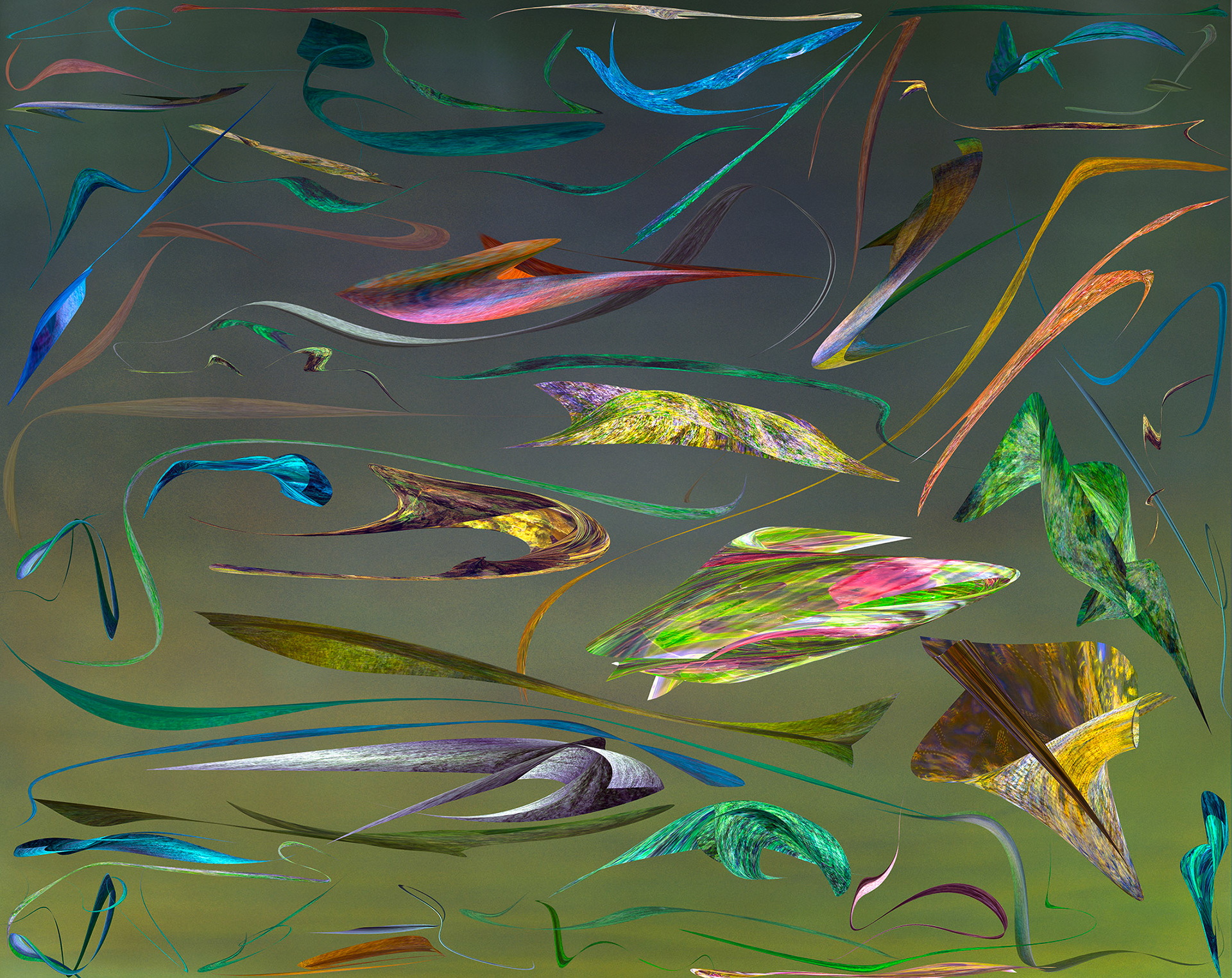
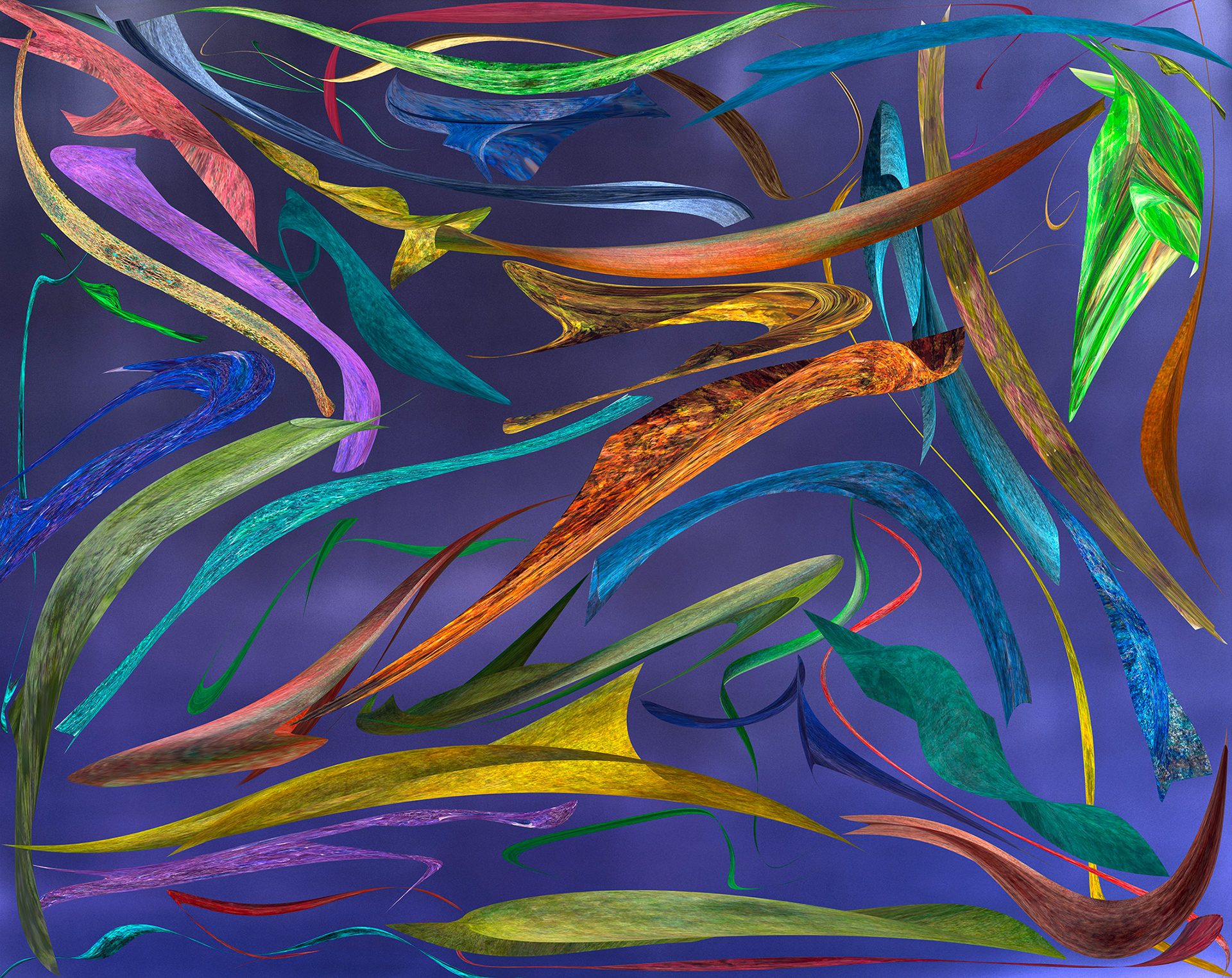
This photographic body of work consciously departs from the realm of mere depiction. It understands photography not as the representation of reality, but as a means of interrogating it. The visible world is not treated as an end in itself, but as a point of departure — a threshold leading toward a deeper stratum of perception. Composition here is therefore not abstraction for its own sake; it is a precise attempt, through form, rhythm, and reduction, to render visible the spiritual ground from which all phenomena emerge. Lines, planes, and curves do not function as objects. They are structural relations, fields of tension, movements. In their rigor, they detach the gaze from thingness and redirect it toward that which precedes all visibility: order, proportion, consciousness. In this respect, the work follows a long art-historical trajectory in which form is not illustration but a means of knowledge. Just as in Michelangelo the figure was not added to the stone but released from within it, so here the spiritual structure is not invented, but disclosed. A work that relies entirely on pure composition inevitably transforms the role of the viewer. It offers no narrative, no fixed reference, no object upon which meaning can securely rest. What becomes perceptible instead is a fundamental insight: reality does not consist of things, but of relations. Meaning does not reside in the image; it arises within the consciousness of the beholder. In contemplative viewing, this mechanism reveals itself. The viewer begins to recognize that what is seen says less about the work than about the inner structure of perception itself. The image operates like a mirror — not reflecting external appearance, but the architecture of seeing. It becomes clear that the outer world is not a stable given, but a neutral spectrum. Only through interpretation, focus, and inner disposition does it crystallize into what we call “reality.” Within the series, this insight is further intensified. Many viewers spontaneously associate human figures, movement, or bodily forms. Yet these interpretations do not originate in the images; they arise from deeply ingrained habits of seeing. They expose how strongly human perception is bound to the material, the narrative, and the object-based. The work renders this attachment visible — and simultaneously calls it into question. Human beings mistake this habitual mode of seeing for reality precisely because they have grown up within it. In doing so, they lose access to what lies beyond the material. The spiritual remains invisible not because it does not exist, but because consciousness has been trained to recognize only what is thing-like. The consequence is clear: true seeing becomes possible only when this conditioning is interrupted. The path toward such seeing requires a transformation of perception. The world must no longer be regarded as an objective given, but as an event arising within consciousness itself. In this sense, the world may be experienced as dream — not as illusion, but as the expression of an inner order. Through this shift, access to spiritual reality opens. The rigorous reduction and precision of form within this work are therefore not aesthetic choices, but methodological necessities. The clearer and more purified the composition becomes, the more permeable it grows to the invisible. Form gradually relinquishes its material weight and becomes structure. At this threshold, the image transcends its own visibility and becomes a space of insight. The completion of form thus leads, logically and inevitably, to the completion of perception. The viewer recognizes that what was taken to be the “self” is merely an accumulation of interpretations. Judgment, identity, and fear dissolve, for they are bound to object-centered seeing. What remains is a state of pure perception — open, still, unmediated. In this state, the artwork becomes a spiritual resonance chamber. It does not show something; it enables an experience. Photography here becomes an instrument of knowledge — not through explanation, but through clarity. The completion of form is not a formal conclusion, but the opening of an inner space in which the human being recognizes themselves as the origin of perception. It is here, in this inward gaze, that true life is situated.