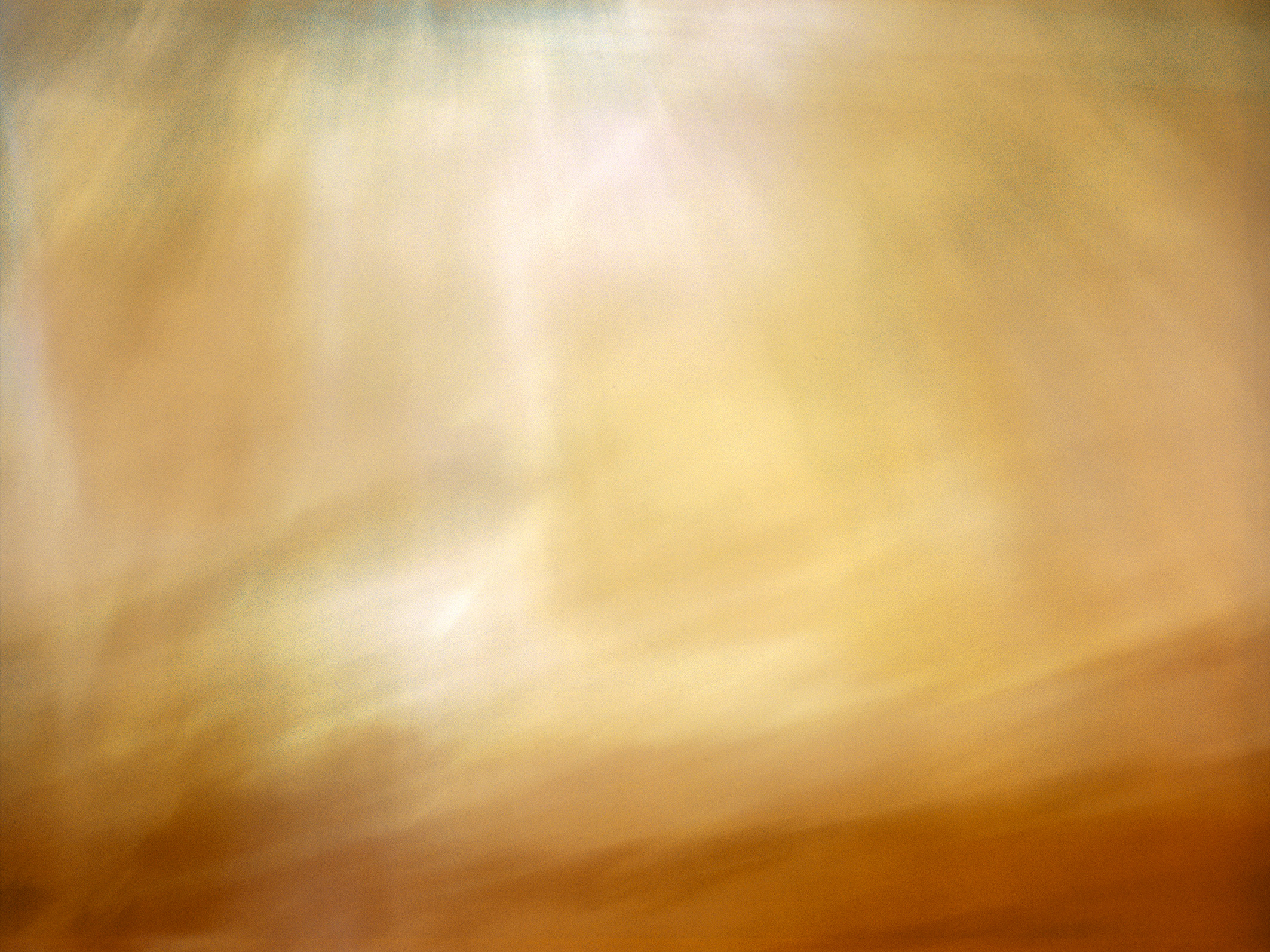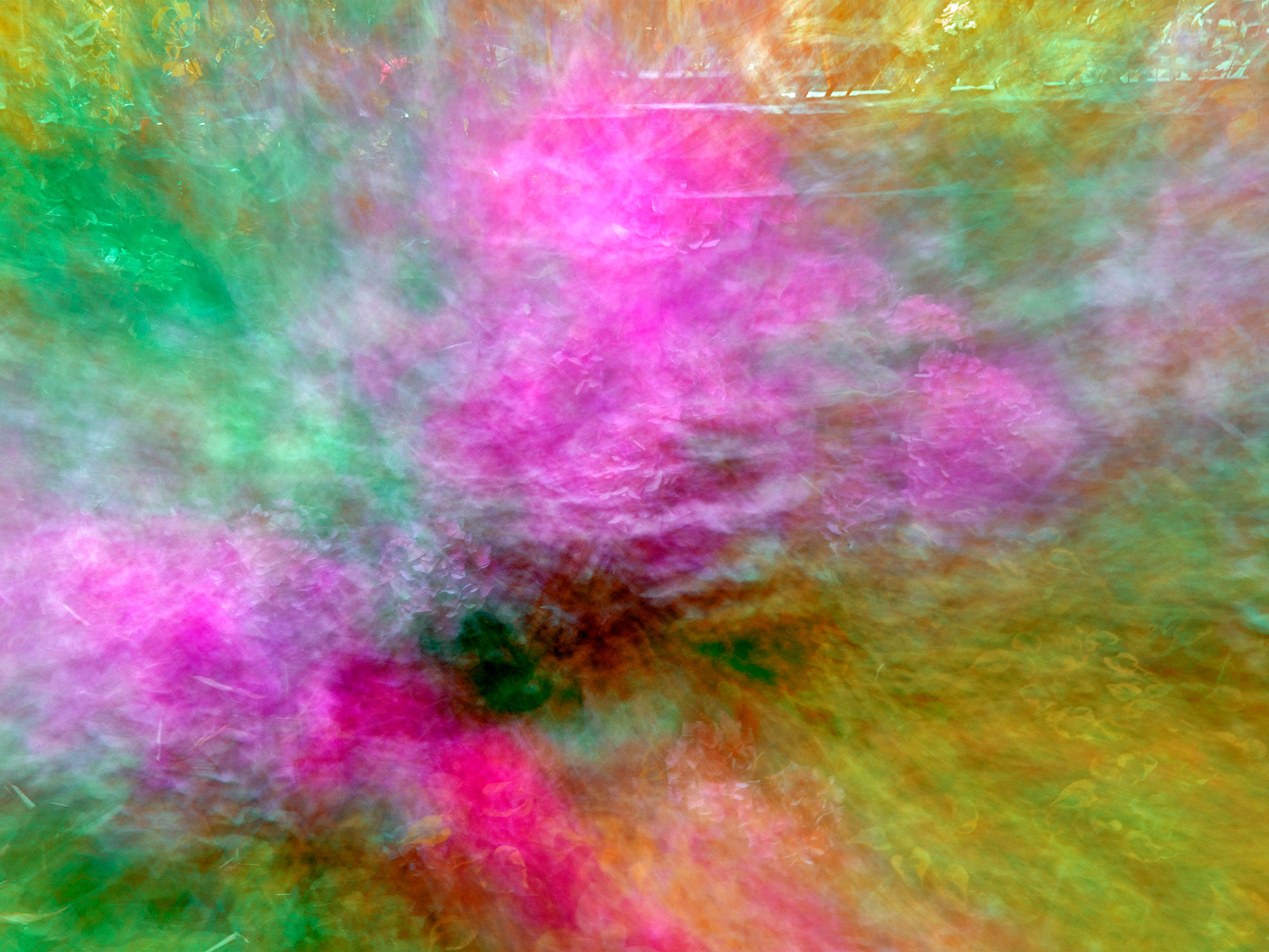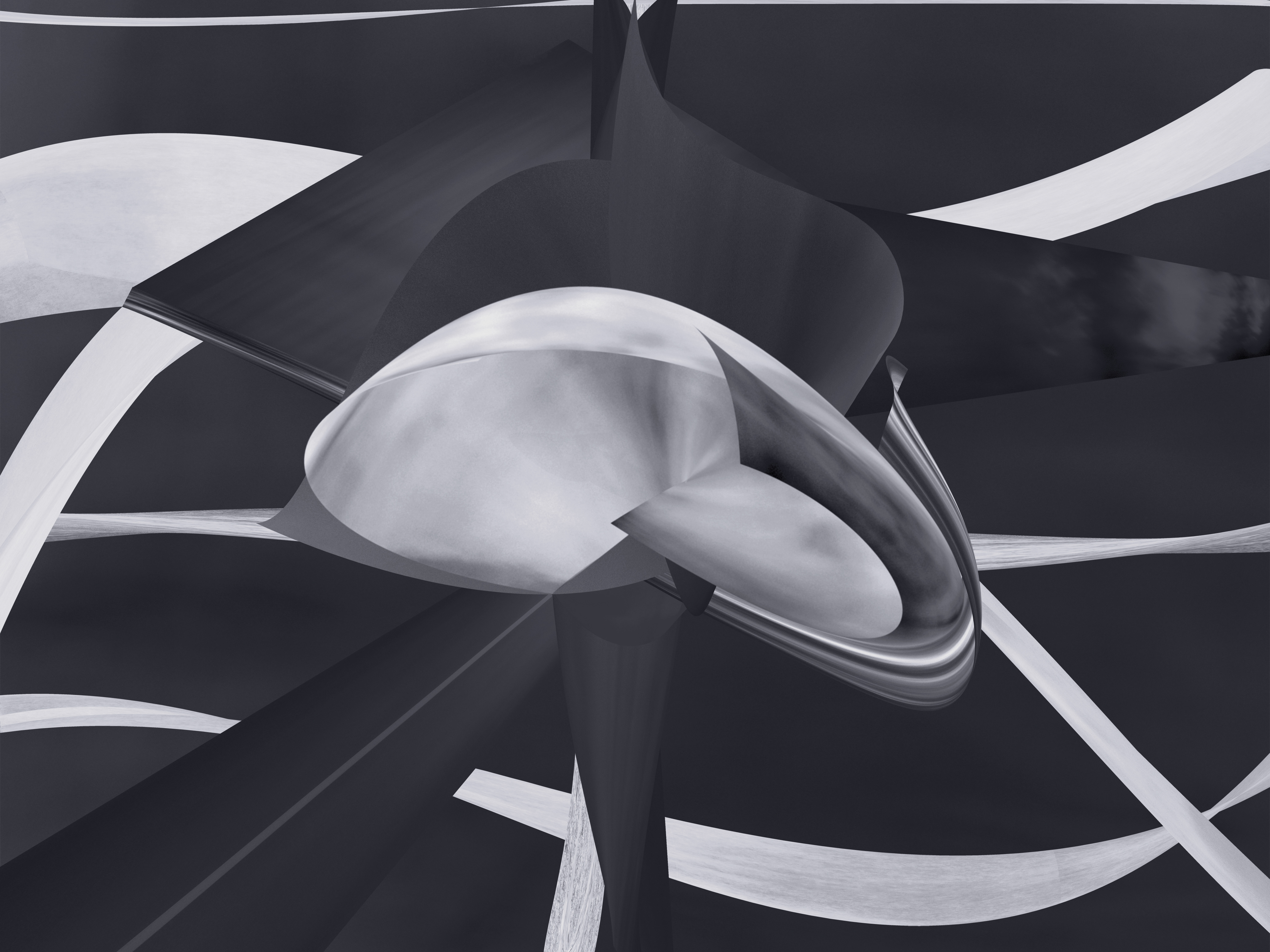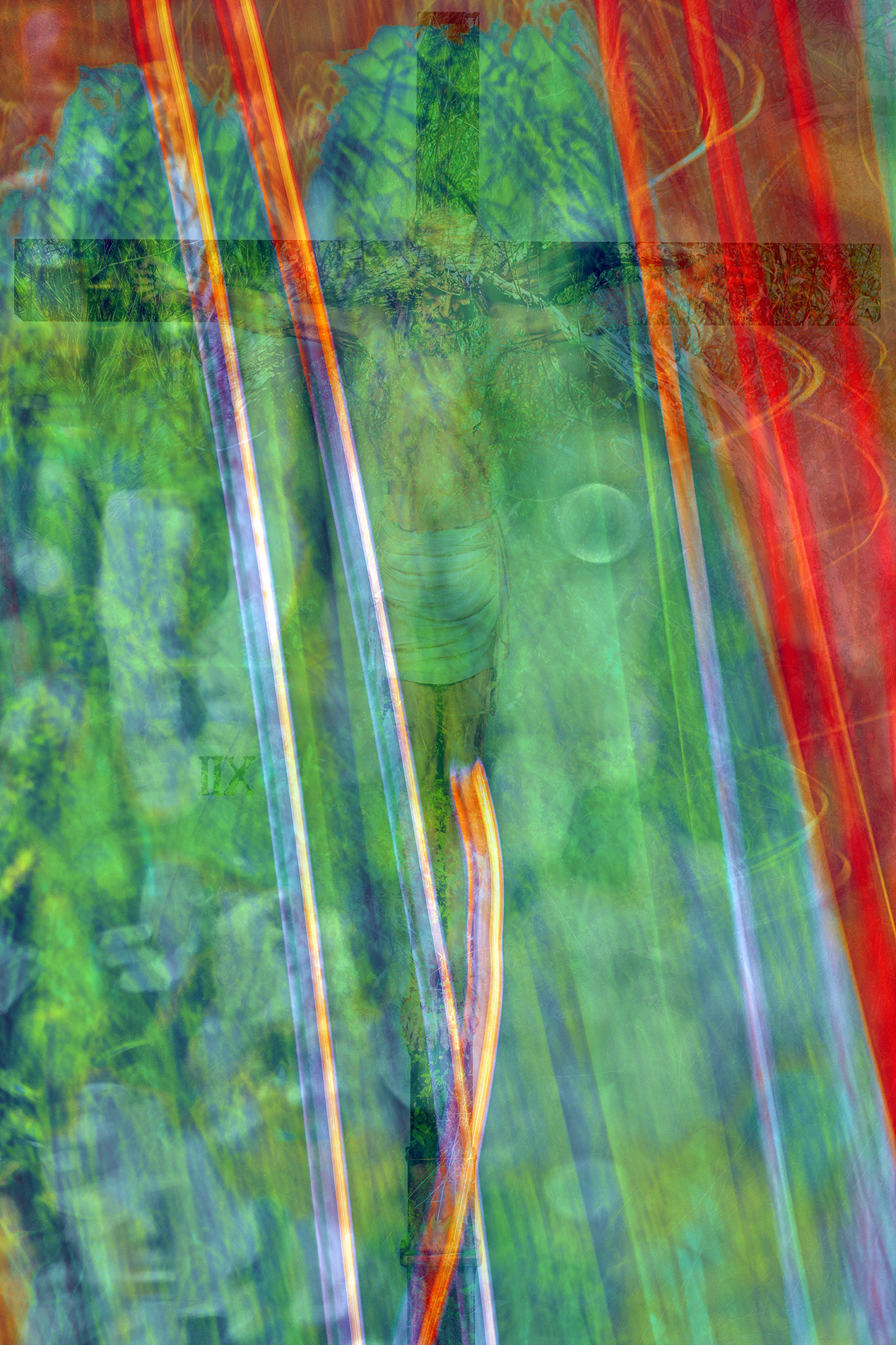
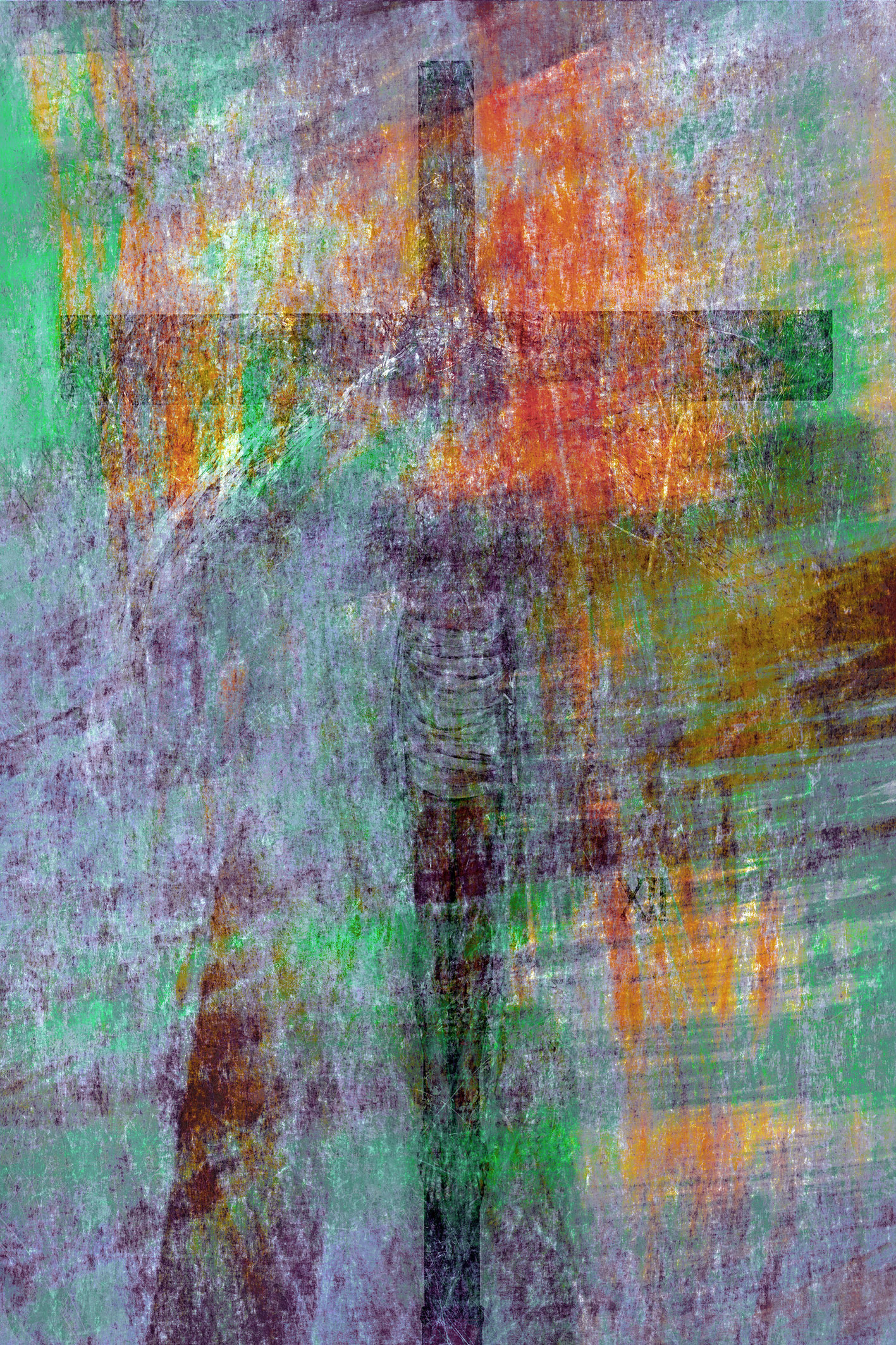


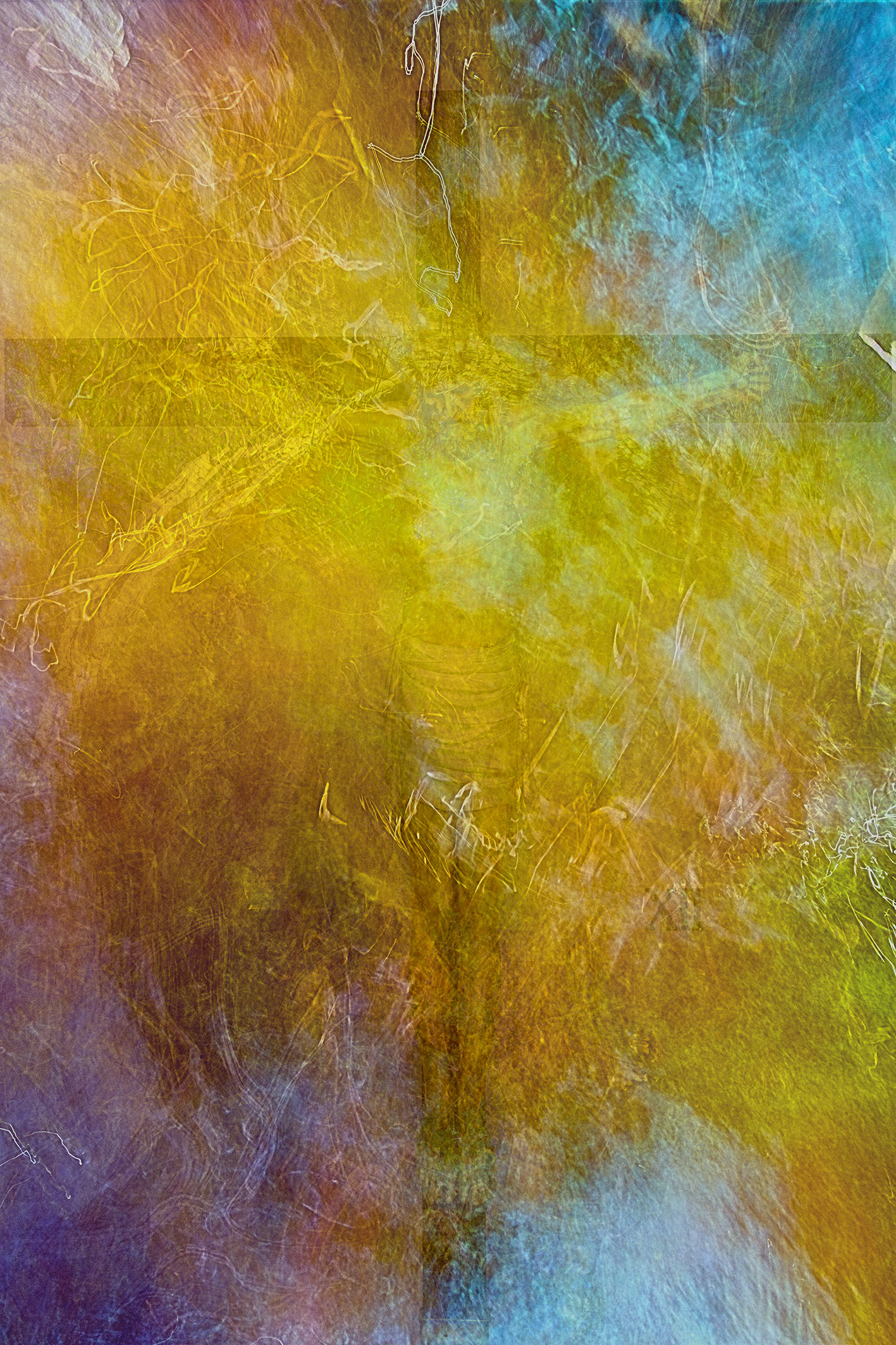


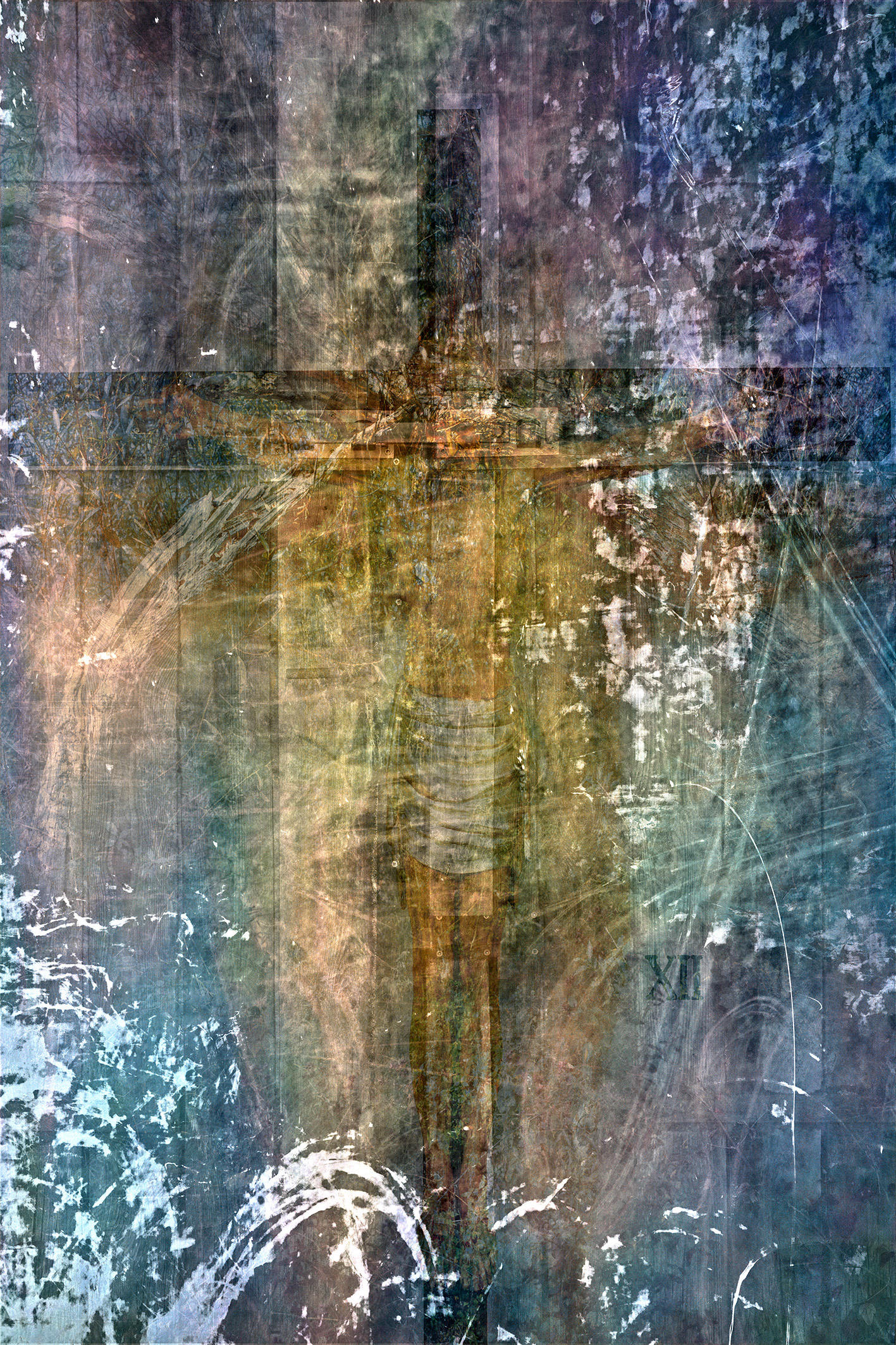
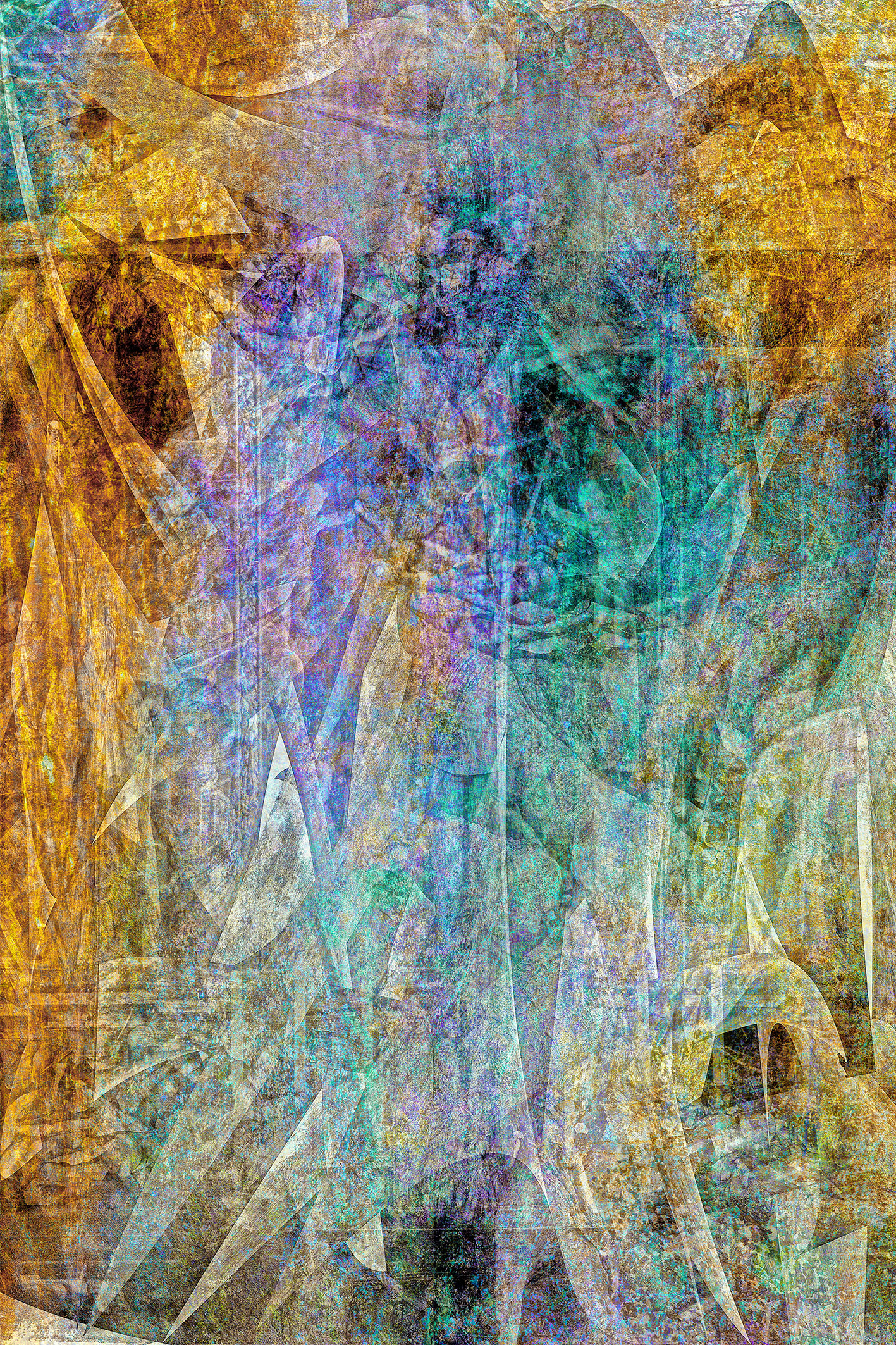
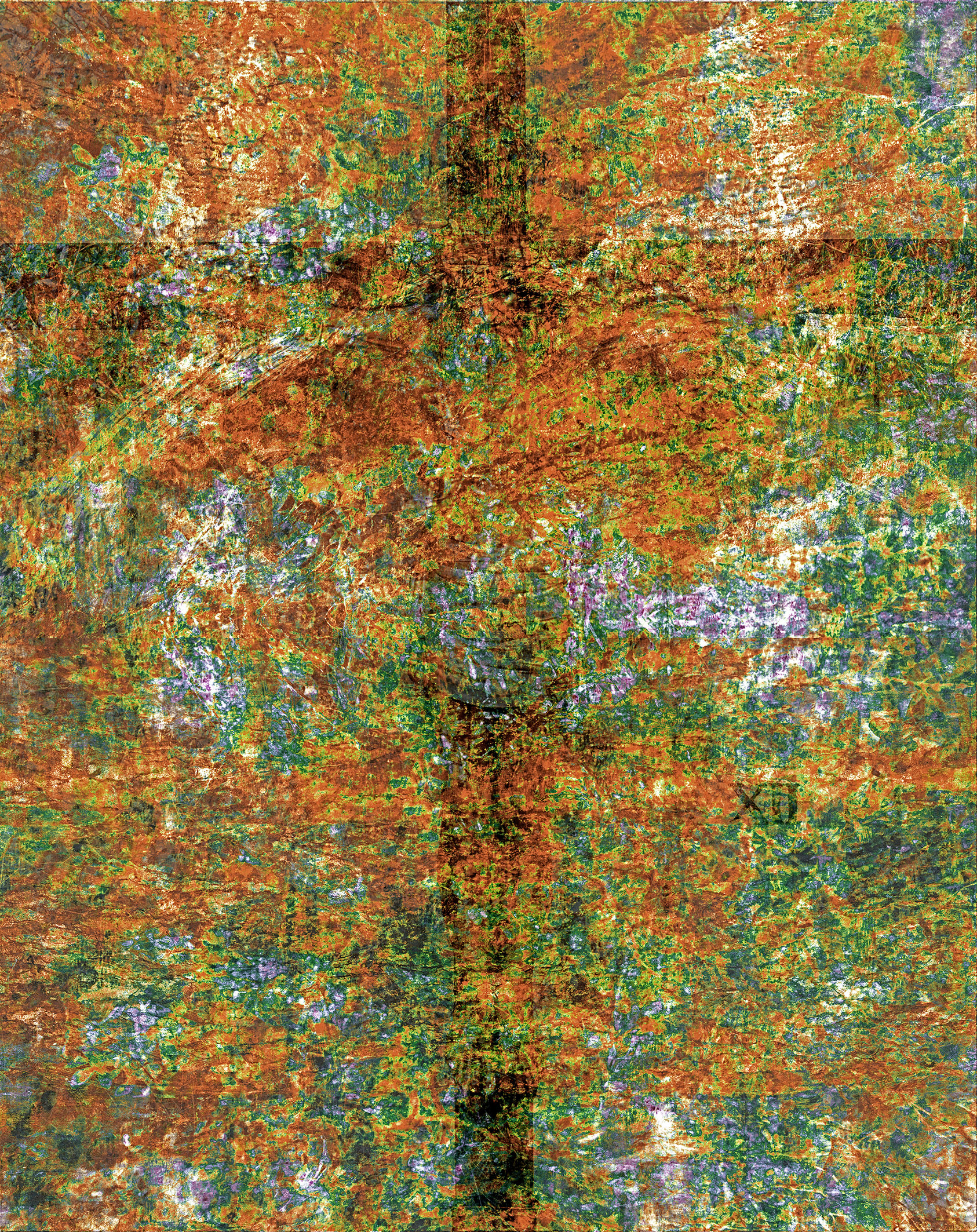
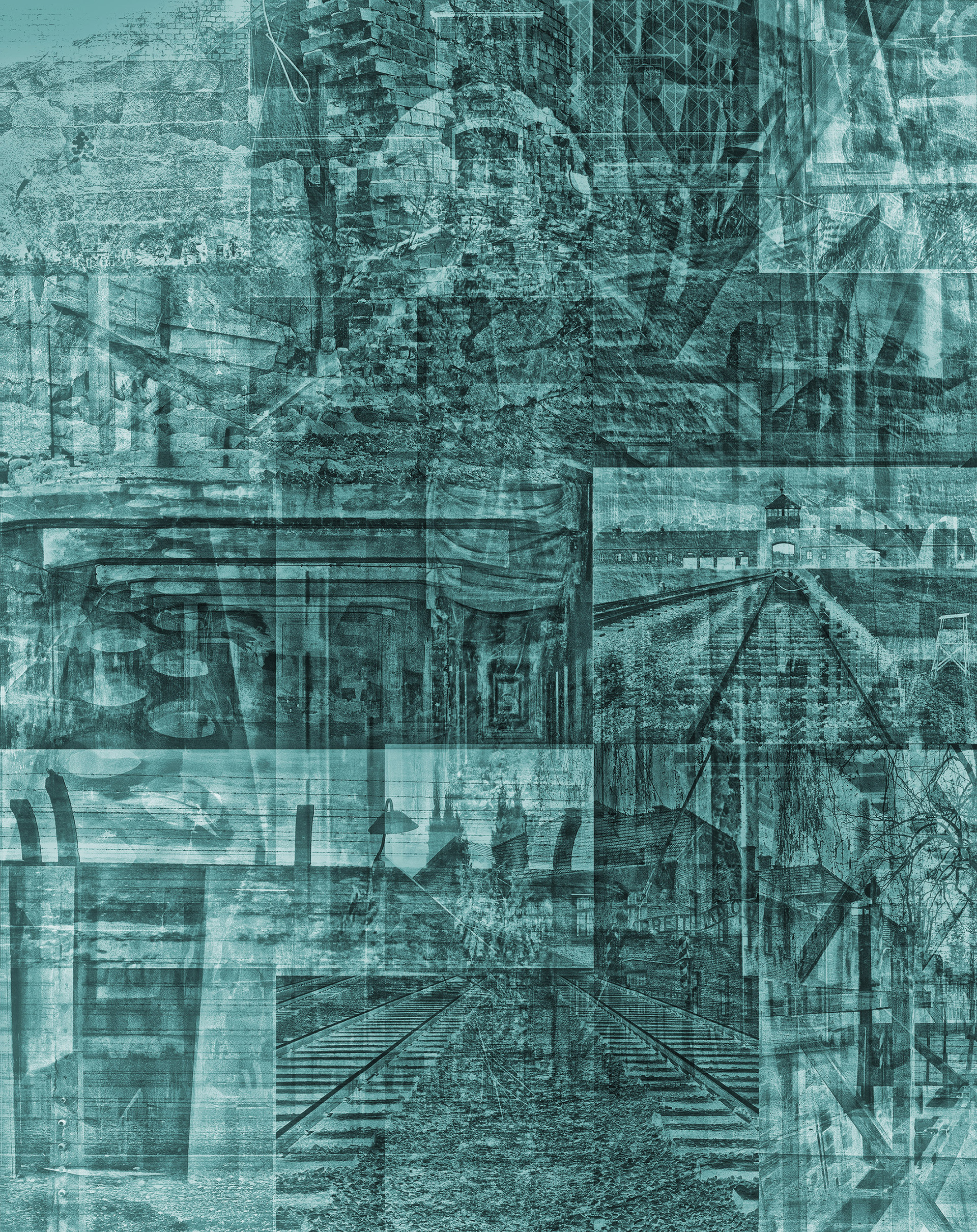
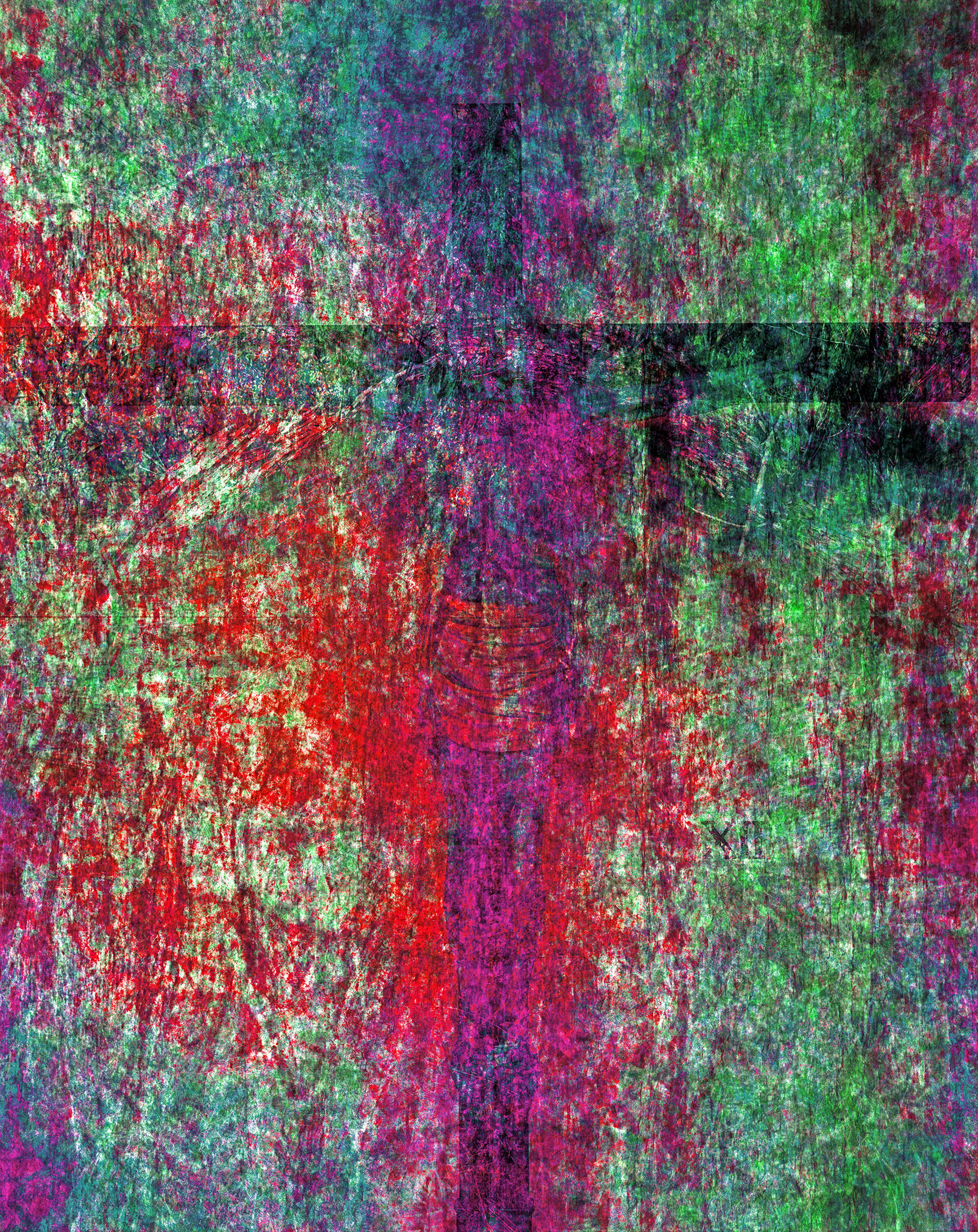

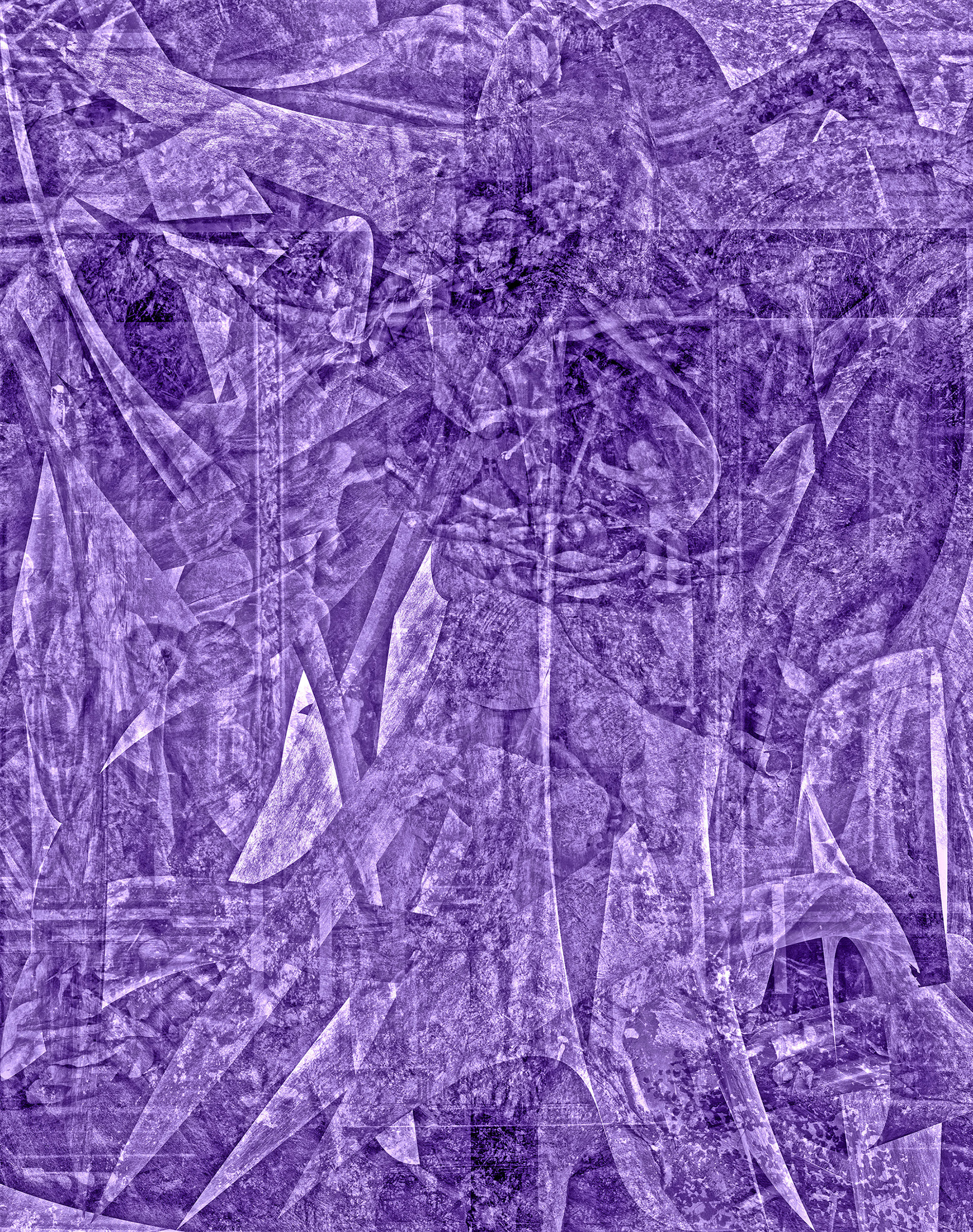
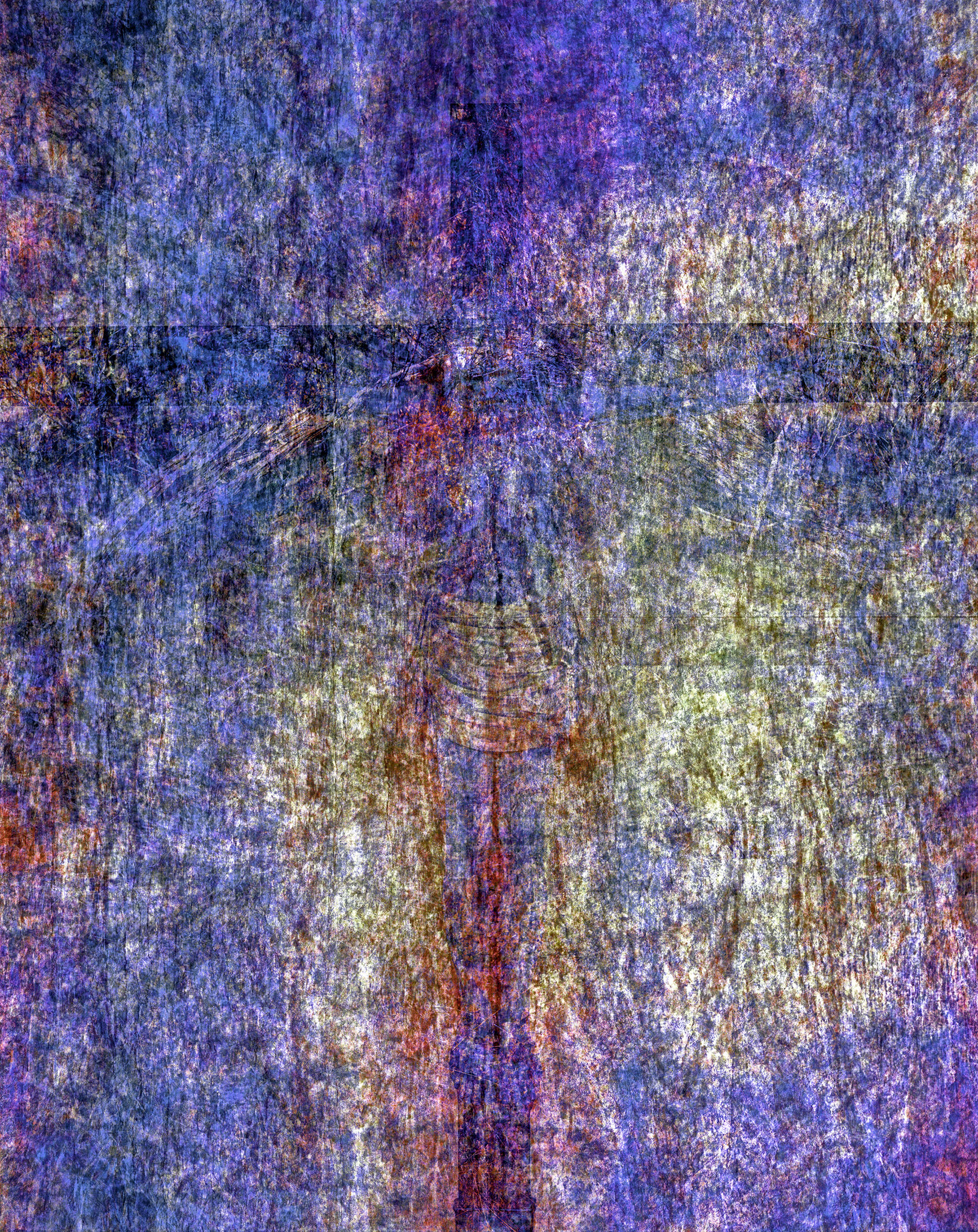
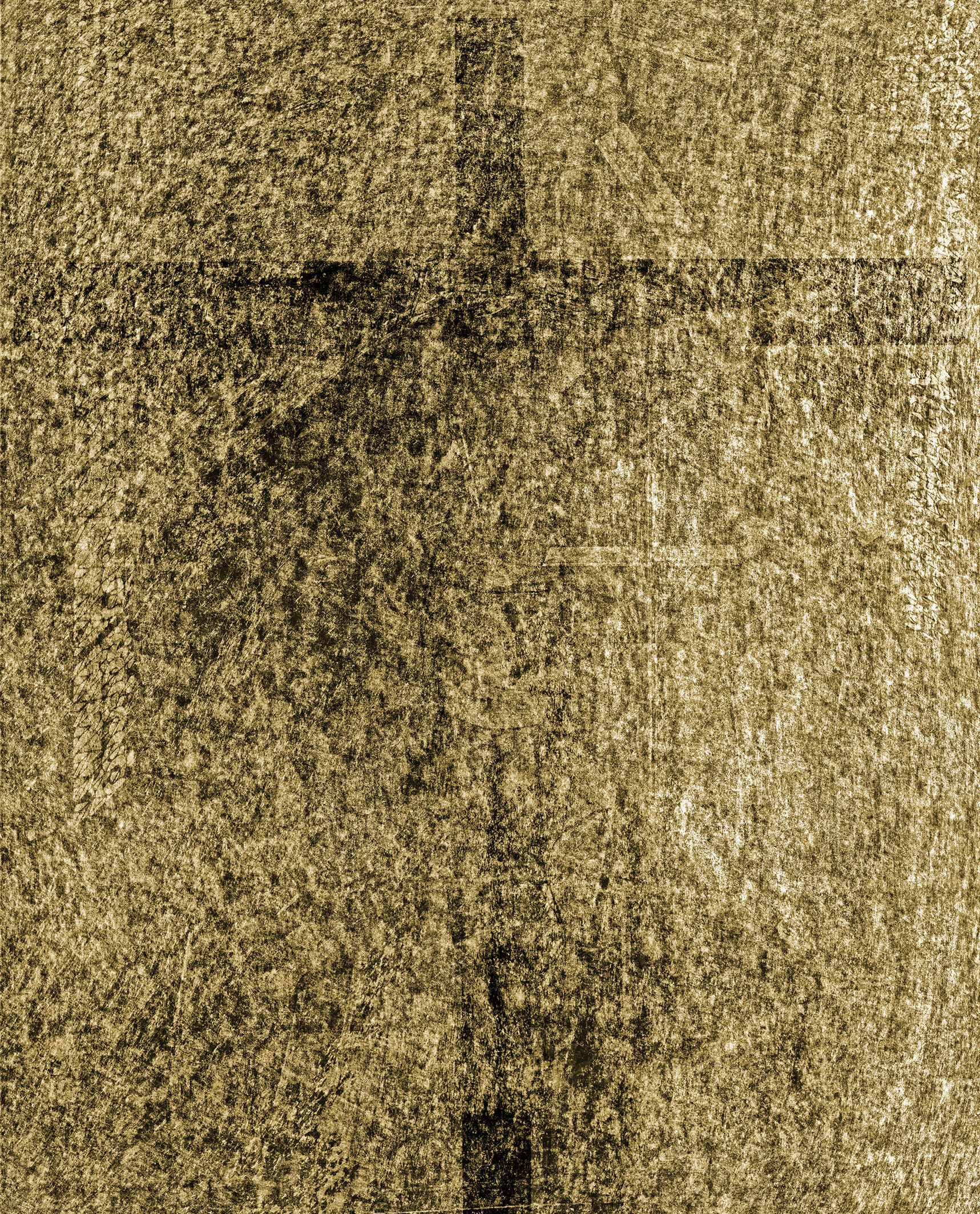
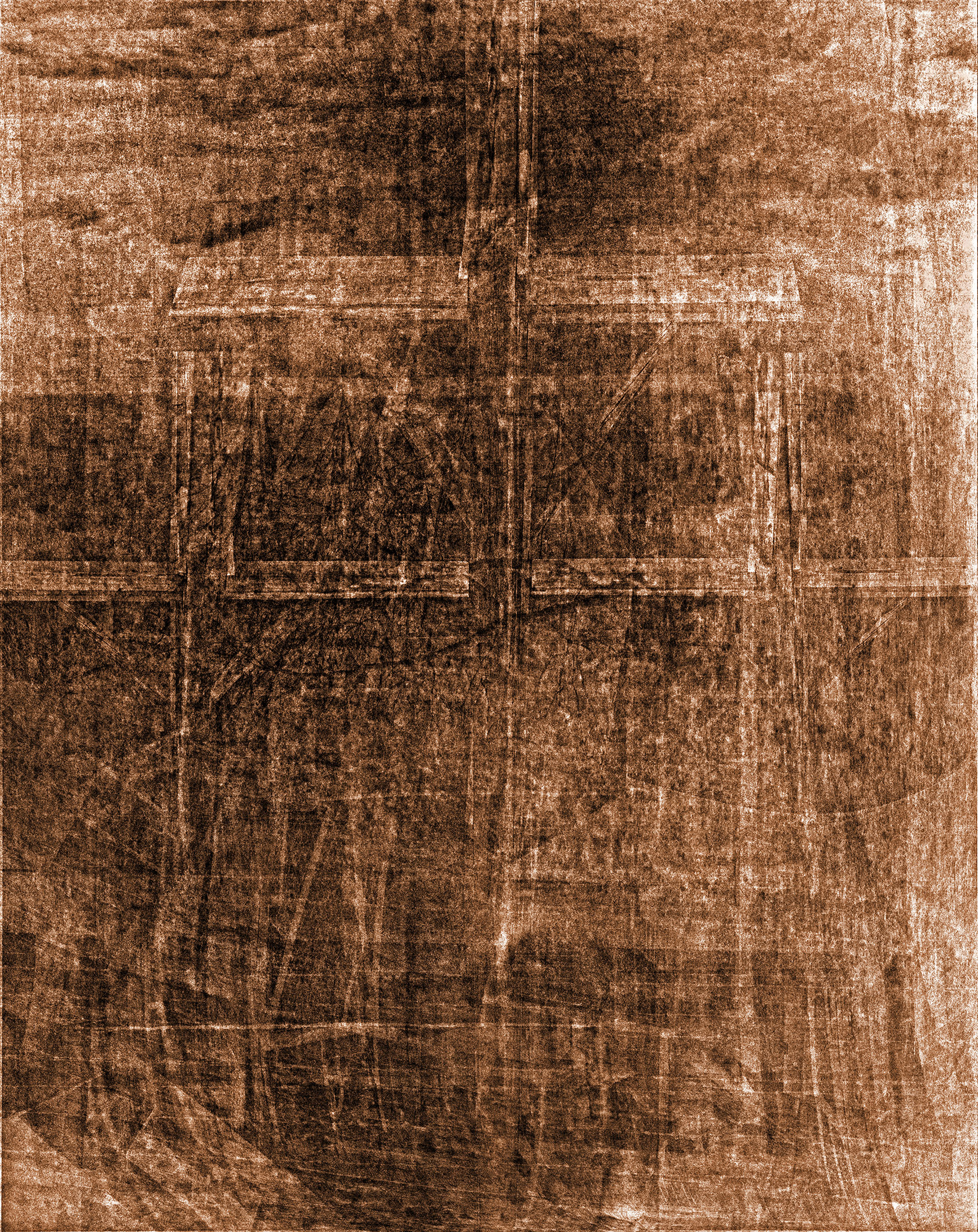
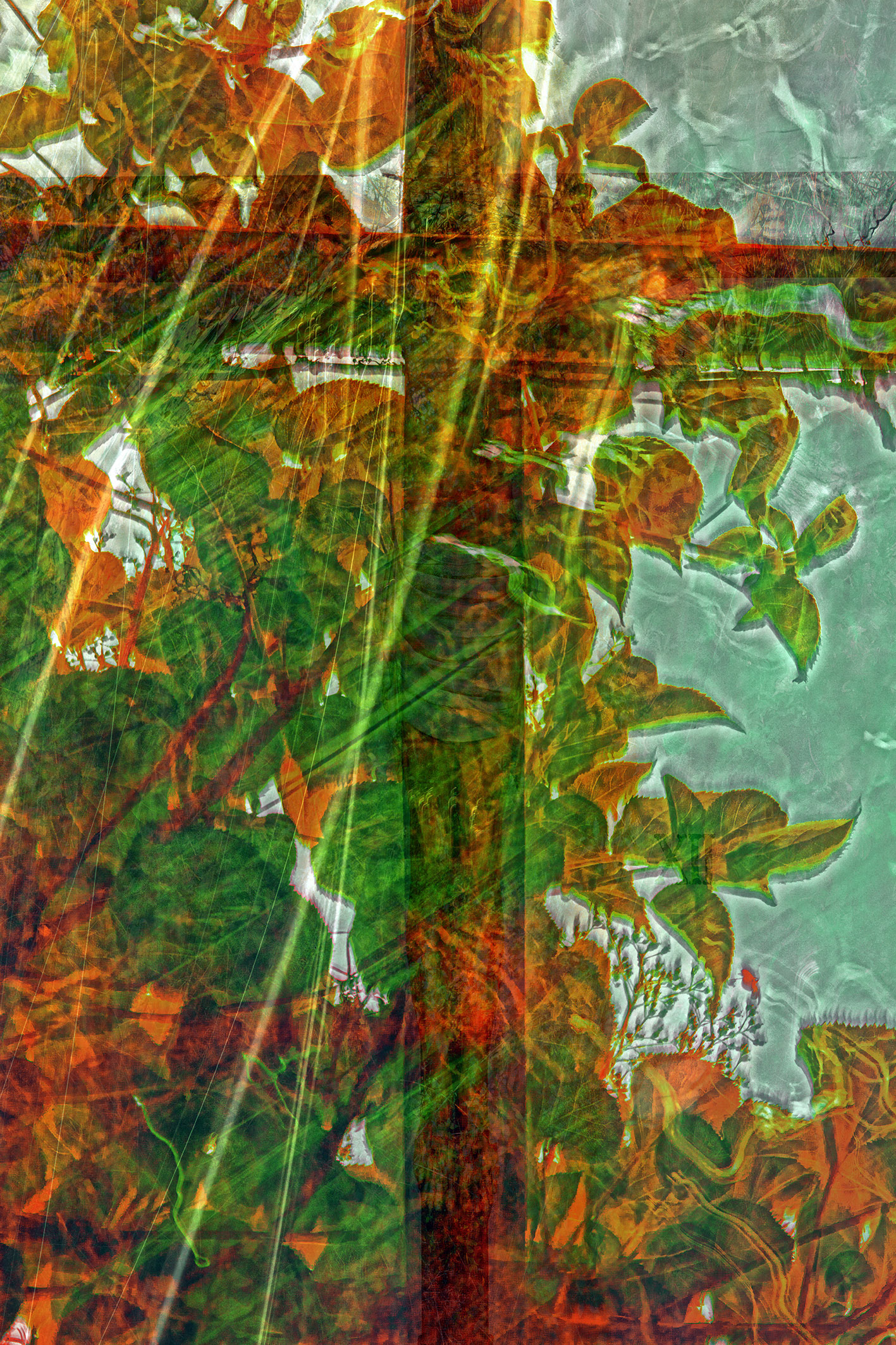
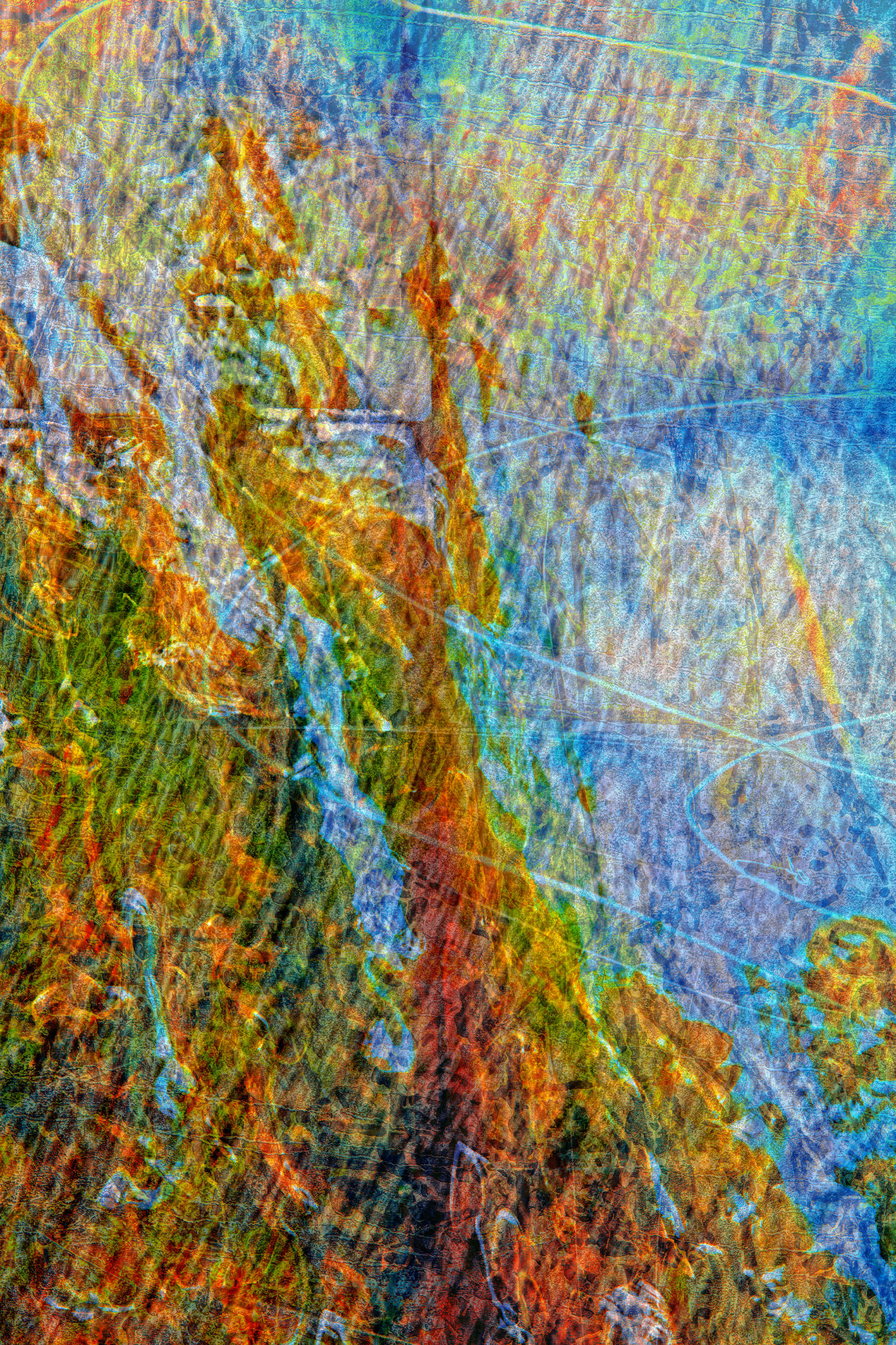
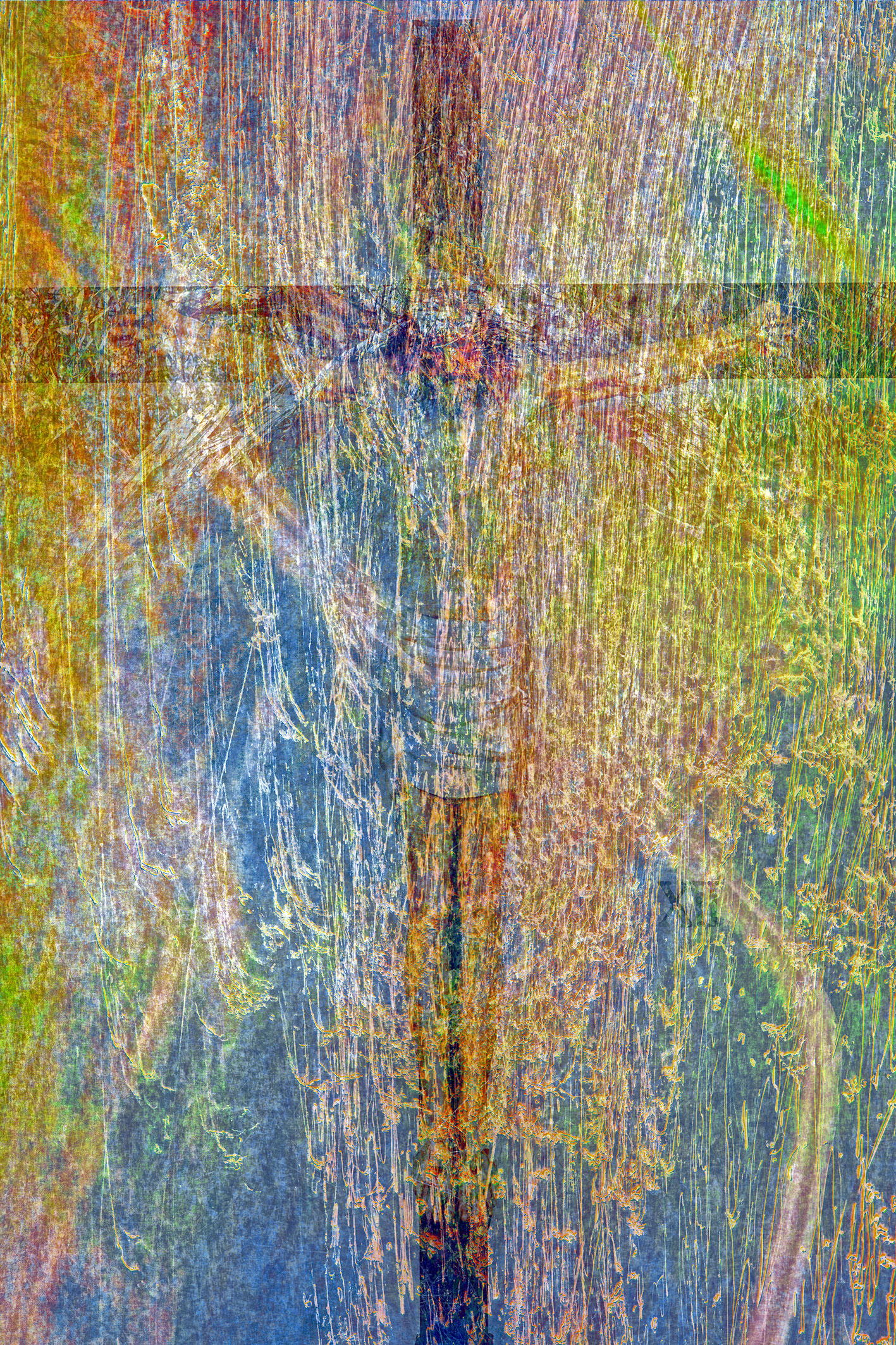
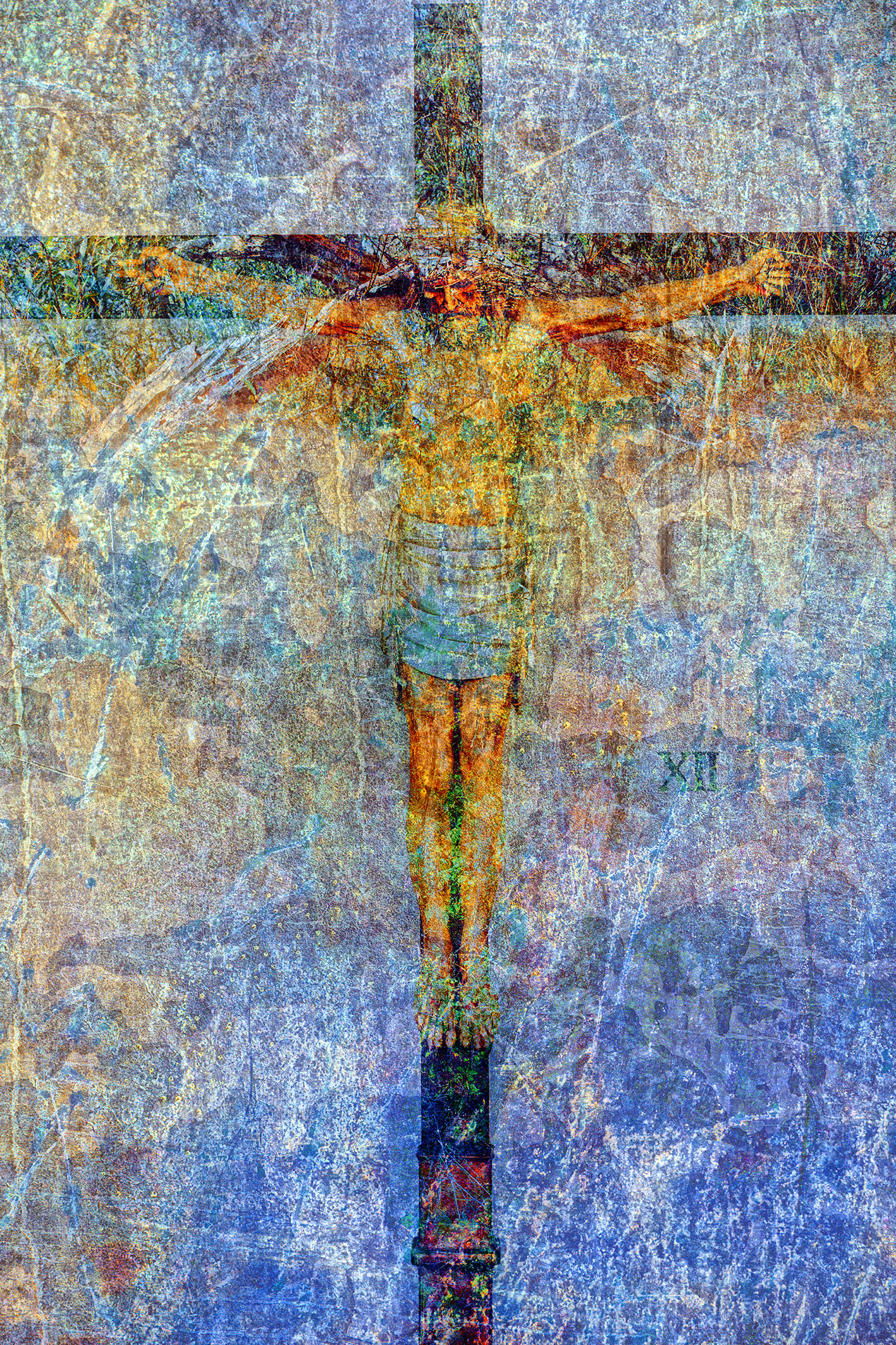
The Invisible in the Visible This photographic work emerged from engagement with the writings and poems of John of the Cross. Its starting point is not primarily a religious or psychological question, but an ontological one: the question of the proximity of the finite human to the infinite ground of being. God is not to be thought of as a being among others, but as the ground that underlies all being. Any discussion of closeness or distance therefore concerns not God, but the finite subject. Distance from God is not an ontological condition of God, but an expression of human availability, appropriation, and categorical limitation. From the infinity of God and the finitude of humanity follows a necessary consequence: everything that humans apprehend—sensually, conceptually, or volitionally—remains within finite determinations. Every notion of God, every knowledge of God, every experience of God is necessarily inadequate. This inadequacy is not an epistemic failure but the result of an ontological disproportion. God is, by principle, beyond categorical apprehension. In this insight, John of the Cross stands in the tradition of negative theology. God cannot be known through positive predicates, but only through the successive negation of all human modes of appropriation. John radicalizes this movement existentially. His described path is not a theoretical abstraction, but a real destruction of the structures through which the subject seeks to render God available. In the Ascent of Mount Carmel, this process is systematically unfolded. First, God is withdrawn from the domain of the senses: God is not an object of perception. Then God is withdrawn from the intellect: God is not an object of thought. Finally, God is withdrawn from the will: God is not the goal of human decision or volition. This threefold negation corresponds to an ontological purification of the subject from all modes of possession. The result is not mere emptiness, but a formal openness—the absence of claims to possession. Yet this openness meets a limit: the subject cannot fully empty itself, for even the act of emptying remains an act of the subject. The subject cannot suspend its own structure by its own power. At this point arises what John of the Cross calls the dark night. This night is neither psychological nor moral; it is metaphysical. In it, the subject is not actively cleansed, but passively. God withdraws not to be absent, but to radically evade availability. Meaning, orientation, self-certainty, and conceptual mediation are suspended. God appears to the subject as absence, because God withdraws from every form of categorical mediation. This experience of absence is not a negation of closeness, but its ultimate intensification. In the night of the spirit, the subject collapses in its self-sustaining structure. Thinking, willing, and experiencing lose their constitutive function. What remains is pure passivity—not as deficit, but as the only ontologically appropriate stance toward the infinite. Here, closeness to God reaches its extreme point. Not as fusion, but as alignment. Not as knowledge, but as letting-be. Not as possession, but as radical surrender. The human will is not negated, but transparent. God does not act alongside the human, but within, without encountering resistance. This mode of divine action is further clarified ontologically when the world is understood as fundamentally the opposite of God. Through the Fall, a space of non-love has been created, a realm in which finite being is alienated from its original order. In such a world, God can only operate within the human in the manner described here: not sensibly, not conceptually, not volitionally—but exclusively in the spiritual, invisible openness of the subject. Only in this transcendental passivity can the infinite act within the finite. This ontological movement forms the conceptual background of the photographic work. The images do not present a conventional depiction, but open a space of revelation. The work is constructed from light and silence. Golden, ochre, and greenish surfaces coalesce into a breathing structure in which matter loses its fixity and opens to spirit. At the center, a figure emerges—not depicted, but suggested—barely visible, yet present. It is not a historical person, but the inner form of love itself, operative within the human without being grasped. Alongside, there is a trace of pure absence: not a body, but the residue of its form. Presence appears only as the imprint of what has withdrawn. It is an image of the relief of being, a release from the weight of matter, a transition from appearance to significance. Above the composition lies a dark alignment, still and unmoving. It functions neither as a dividing boundary nor as an object, but as a marker of the unavailable itself. It indicates the point at which all further attribution ceases—a threshold where thought pauses and vision passes into silence. The composition follows no external logic. It unfolds from an inner necessity: the attempt to make the invisible perceptible within the visible. Form, light, and space do not serve representation, but the opening of an interstitial space in which time loses its linearity and presence condenses. Within this space, a central experience becomes accessible: the human is carried by God—understood as love—not only beyond the world, but already in the now into a deeper reality. This love is not a distant transcendence, but a hidden presence that underlies all being. At the same time, the work reflects the state of the modern human. Amid layers of acceleration, functionalization, and noise, the essential is lost. Humans are repaired, adapted, reintegrated, while their inner dimension remains unheard. The transcendent appears only as a faint echo, overlain by layers of forgetting. It is not God who is lost, but the capacity to perceive. It is not meaning that has vanished, but the gaze capable of apprehending it. Yet a remnant remains—a whisper of light behind the layers, quiet enough to be overlooked, yet strong enough to remind. This work is committed to subjective photography. It does not document, it creates. Just as Fra Angelico revealed the divine in color, this work manifests revelation through light, structure, and absence. The camera becomes a tool for inner vision, an instrument of spiritual practice. The image arises not from the desire to fix something, but from the need to inscribe the invisible into the world of forms. In this stance, photography becomes an act of love, through which the divine briefly appears within the material. The work occupies the liminal space between art and theology. It reminds us that art is not only expression, but a path of understanding—a silent gateway to experiencing the eternal in the present. In the tradition of mysticism, a new iconography emerges: not as dogmatic image, but as sensation. Thus the work becomes a visual prayer: a place where light itself begins to speak, and where the viewer—if open—can perceive the trace of that invisible love which sustains the world.